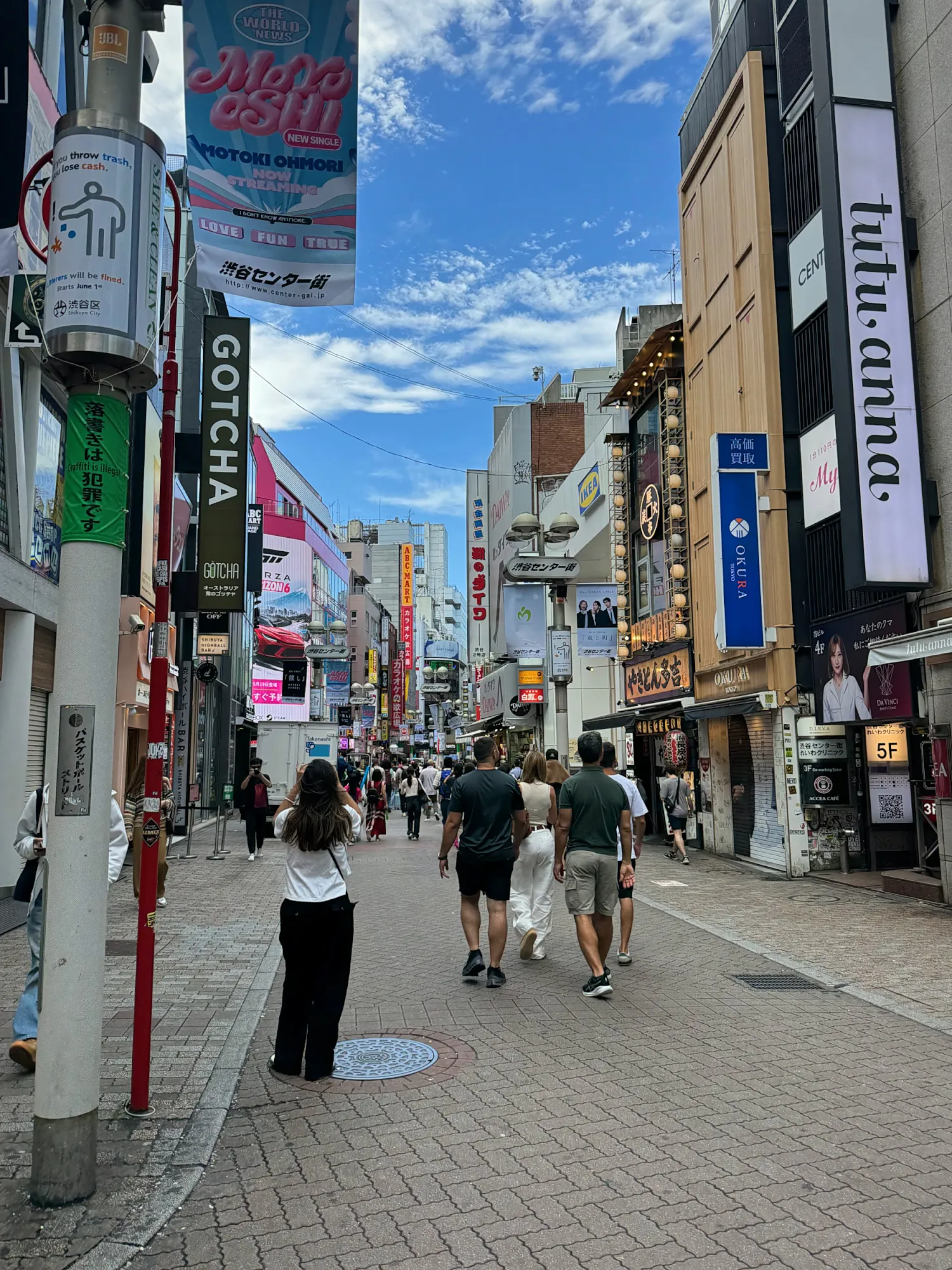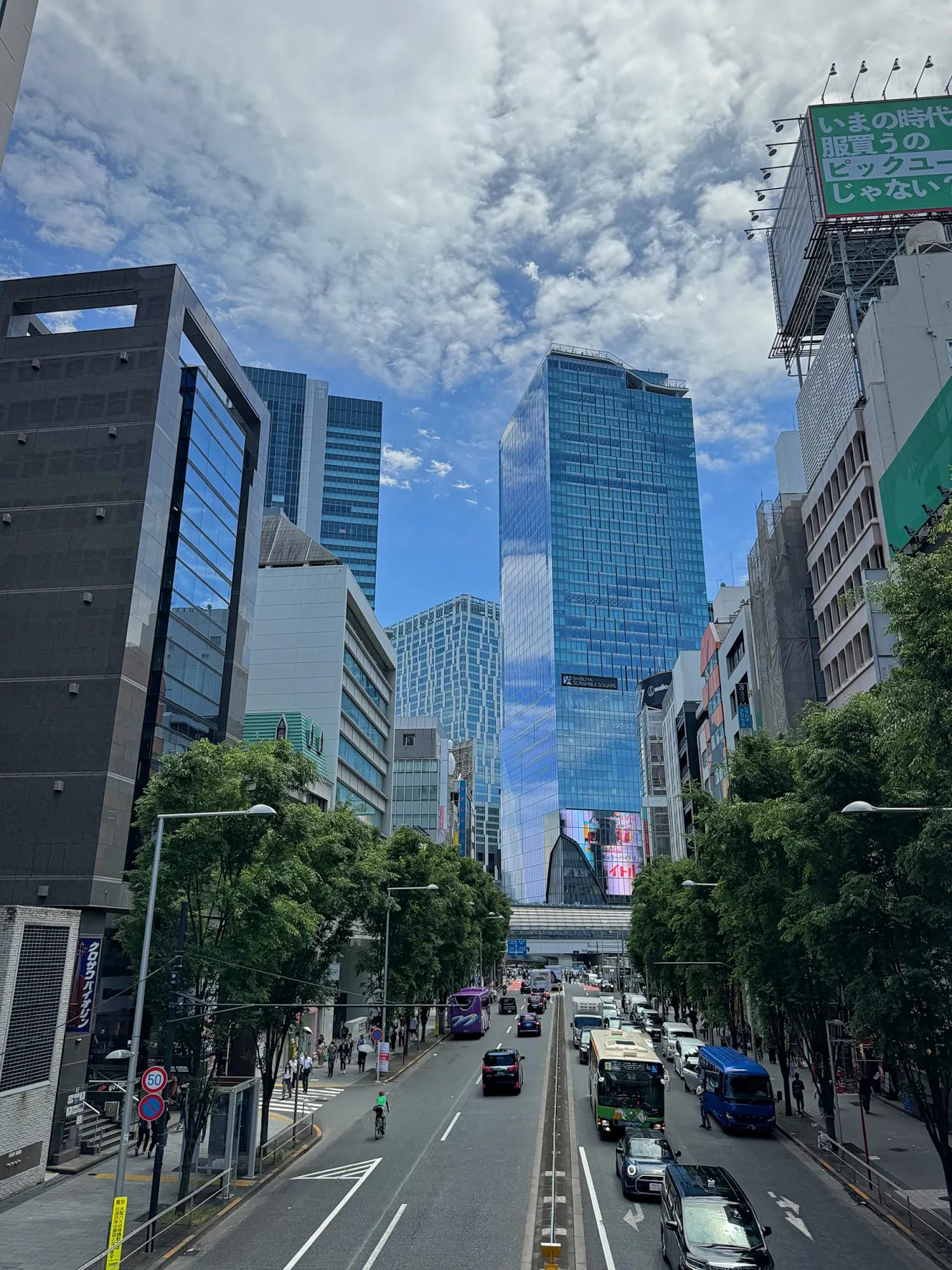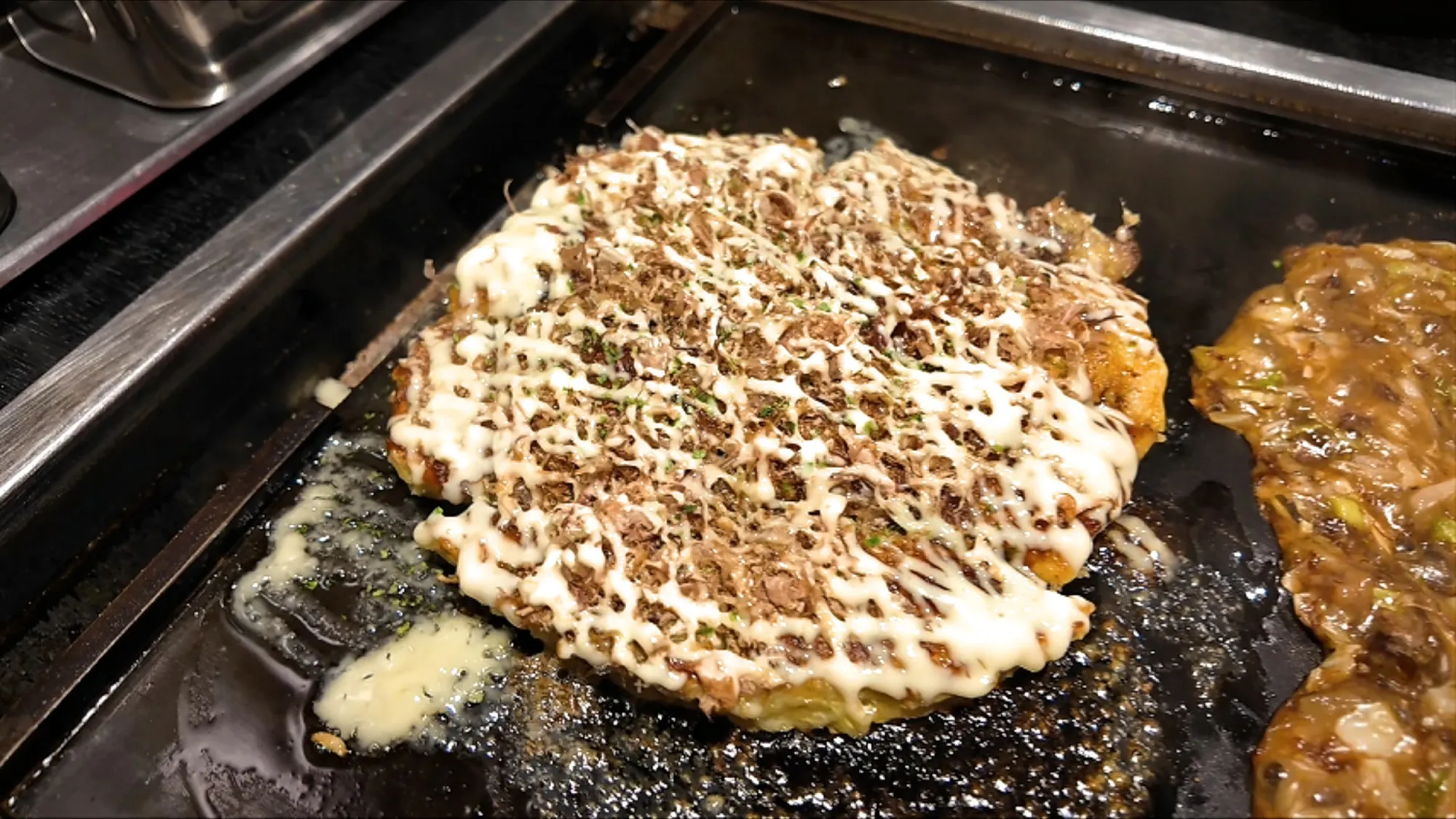
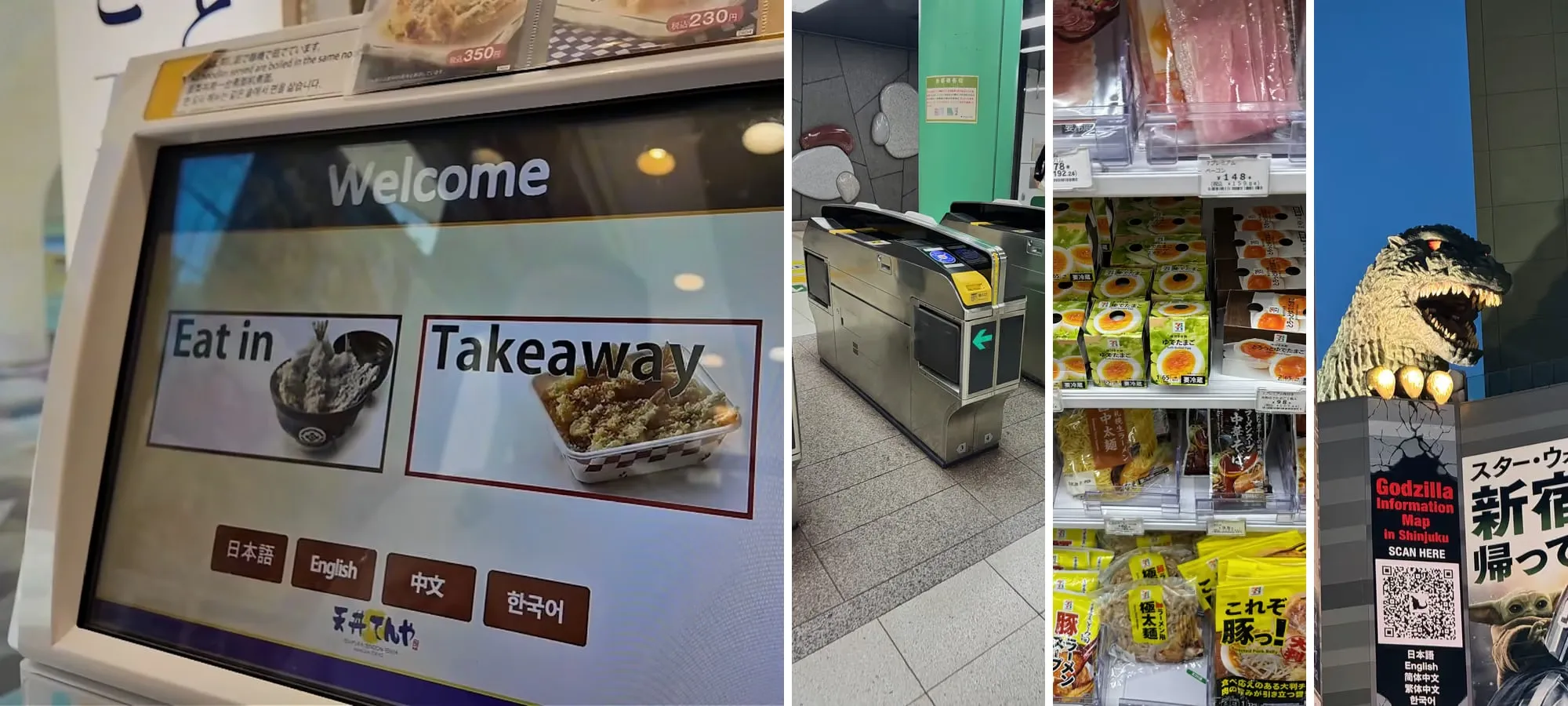
Tokyo is the best large city in the world, because things work. Transit runs on time, the streets are spotless, it's safe at night, and you can order a whole dinner in English from a screen.
Heads up: some links in this guide are affiliate links. If you book or buy through them, we may earn a commission at no extra cost to you.
In this guide 6 sections
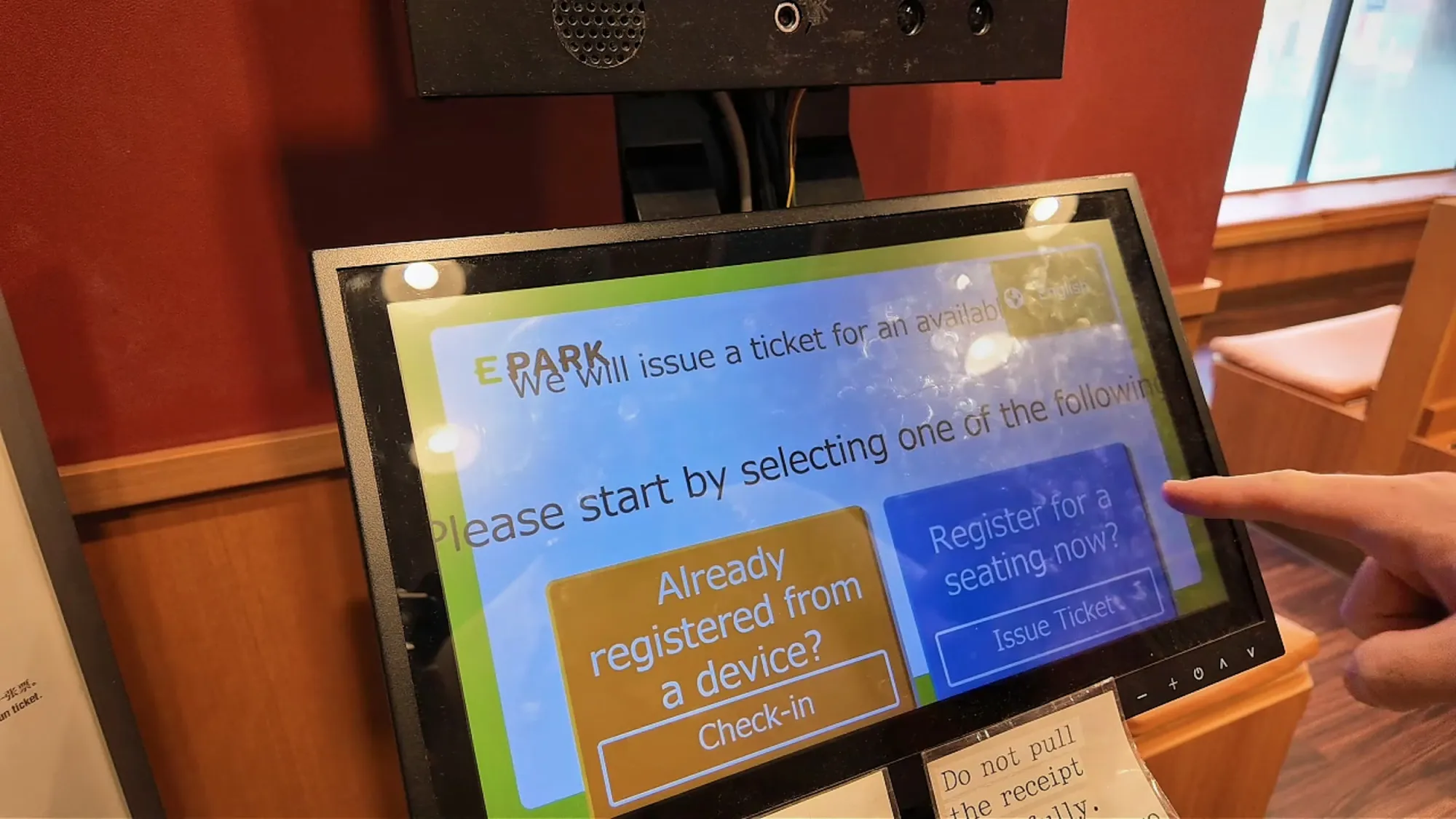
But until you experience that convenience, it doesn't make sense. You pre-register for a restaurant on your phone, check in at a kiosk, sit at the table number it gives you, and pay on your way out. You hear about it, but until you see it, you don't get it! Tokyo is so easy that it's hard for a foreigner at first.
Cream and I figured most of it out the slow way, over a month living in Shinjuku. So these are my 22 things to know before visiting Tokyo, everything I'd tell a friend before their first trip.
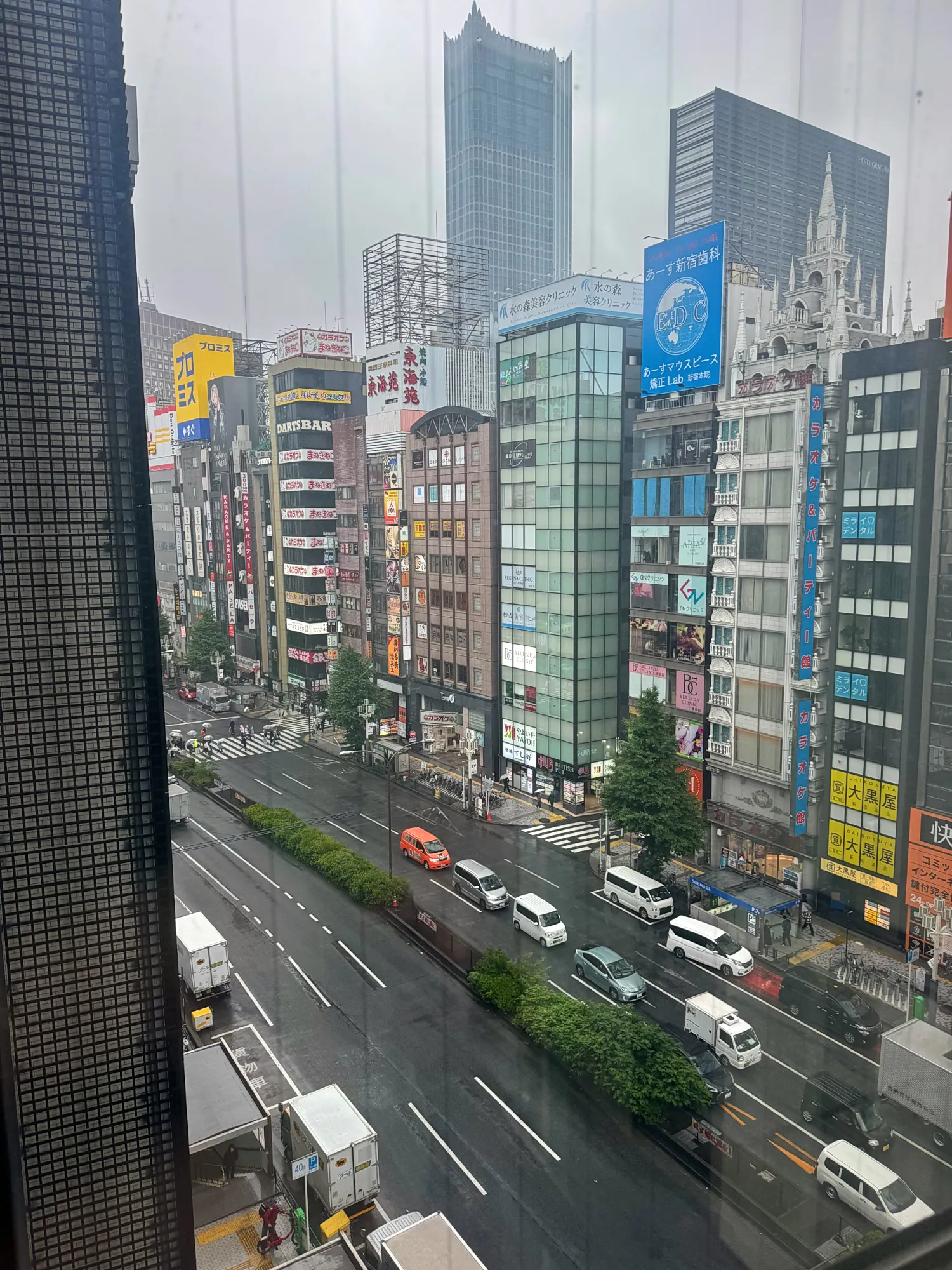
Things to Know Before Visiting Tokyo: My Quick Answer
Tokyo is clean, safe, and easier for first-timers than it looks. Before you go, get an eSIM, add Suica to your phone, and plan your airport train both ways. Once you're there, follow the station, platform, and exit numbers, order at the English kiosks, keep quiet on the train, carry your trash, and don't tip.
💡 Before You Fly Checklist:
- A passport (US citizens, and travelers from many other countries, get 90 days without a visa)
- Visit Japan Web filled in before you land (free)
- An eSIM, so your maps work at the airport
- Suica in your phone's wallet, topped up with a card that works
- Your airport train picked for arrival and departure
- A light layer and comfortable walking shoes
Still need a hotel? For a first trip, we'd stay in Shinjuku, a short walk from the main station.
Quick picks
Three hotels near Shinjuku Station
Before You Fly
1. You Get 90 Days Visa-Free, and Visit Japan Web Saves Time // Do the Forms Before You Land
US passport holders can visit Japan as tourists for up to 90 days without a visa,1 and travelers from many other countries get the same deal. Check the list for your passport before you book. Our month in Tokyo used a third of that. Fill in Visit Japan Web, the government's free immigration and customs site, before you fly, and you'll show a QR code on arrival instead of doing paper forms on the plane. Thinking about a longer stay? See how long you can stay in Japan and what the digital nomad visa takes.

 Bernie & Cream@bernieandcream
Follow along on Instagram
Bernie & Cream@bernieandcream
Follow along on Threads
Bernie & Cream@bernieandcream
Watch us on TikTok
Bernie & Cream@bernieandcream
Follow along on X
Bernie & Cream@BernieAndCream


2. Get Your eSIM Before You Land // You Need Data at the Airport
Data is crucial the second you land, because you need your maps to find the airport train. We bought SoftBank data at Narita, about $52.50 for one 30-day unlimited line. It worked fine, but honestly, next time I'd set up Airalo before the flight.
Get an Airalo eSIM before you land
3. Check Your Plug Type // Two Flat Pins, 100 Volts
Japan uses two-flat-pin plugs, the same as the US and Canada, so if you're coming from North America, your chargers fit as they are. From the UK, Europe, or Australia, pack a Type A adapter. Japan also runs at 100 volts, lower than most countries, so check anything that heats up, like a hair dryer or a curling iron. Phone and laptop chargers handle it fine.
4. Give It Two Weeks if You Can // One Week Goes Fast
Japan itself isn't expensive, but the flight is. Food is cheap once you land, so stay longer and spread that fare over more days. One week isn't enough, especially with the jet lag. How many days in Tokyo has a day-by-day plan for every trip length, and if you're still pricing it out, compare flights to Tokyo across a few date ranges.
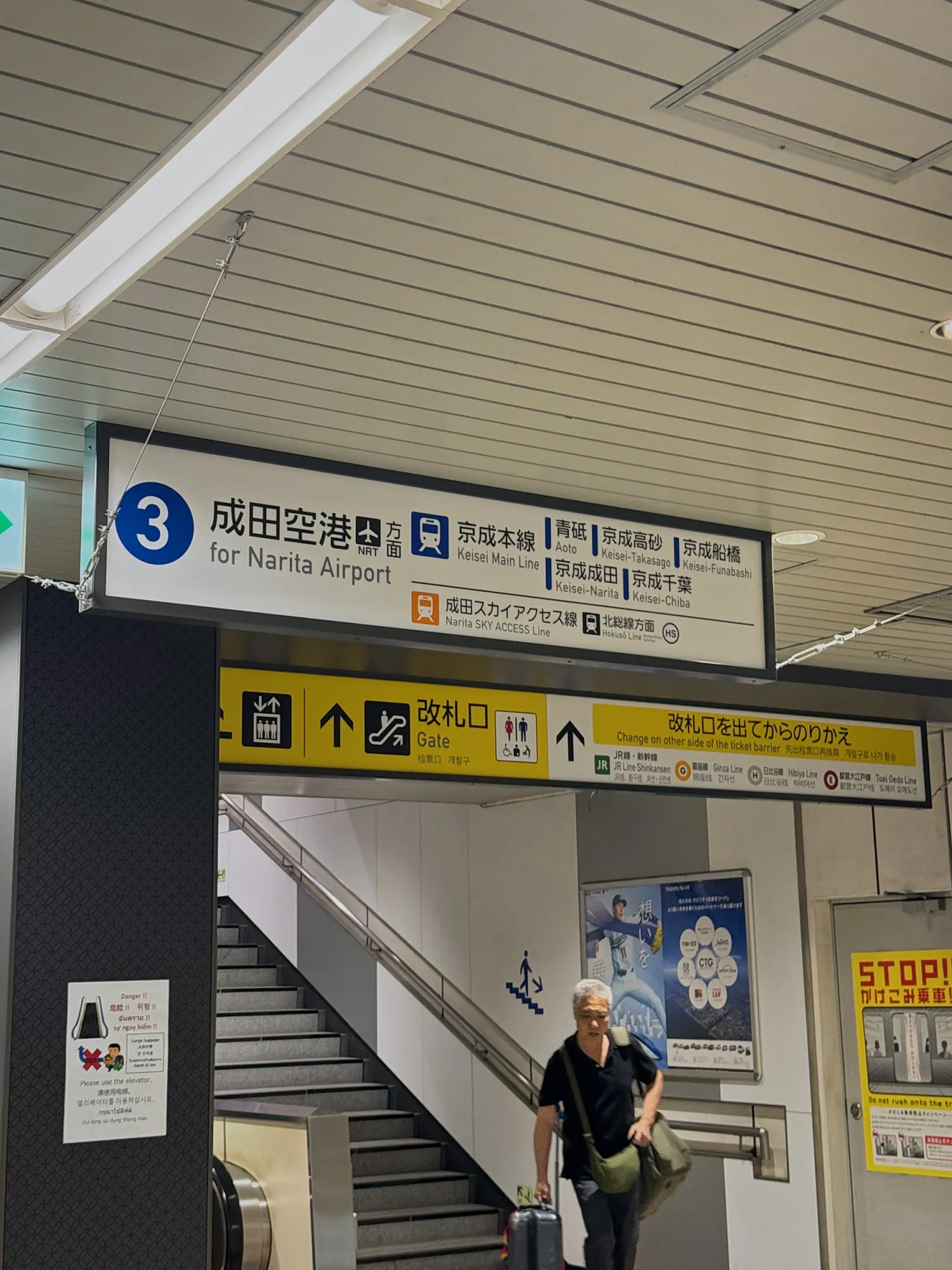
5. Pick Your Airport Train Before Departure Day // We Nearly Missed Our Flight
We came in on Keisei's regular train with Suica. Going home, we got as far as Keisei Ueno before we realized we'd miss our flight, and we bought Skyliner tickets in a hurry. It was pretty stressful! Choose your departure train the night before. Every airport train, and the one to take when you're short on time, is in how to get from Narita to Shinjuku.
Getting Around
6. Put Suica in Your Phone's Wallet, and Test Your Cards // Not Every Card Can Top It Up
Suica, Tokyo's tap-to-pay transit card, lives in Apple Wallet and pays for trains and plenty of food kiosks. Foreign cards don't always top it up, so try yours at home. Our Capital One Savor was the only card that worked for us, and cash or card in Japan covers how we paid for everything else.

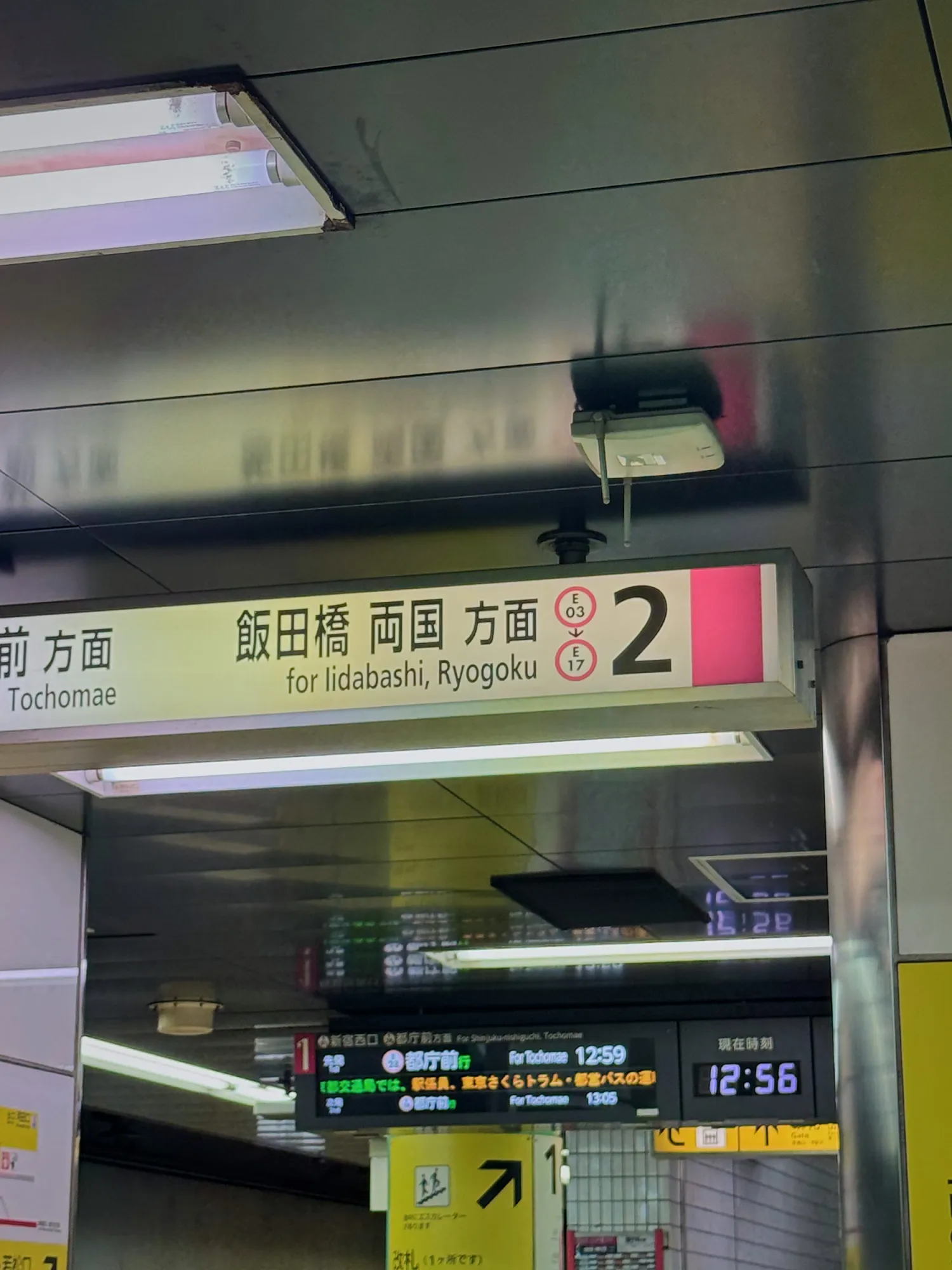
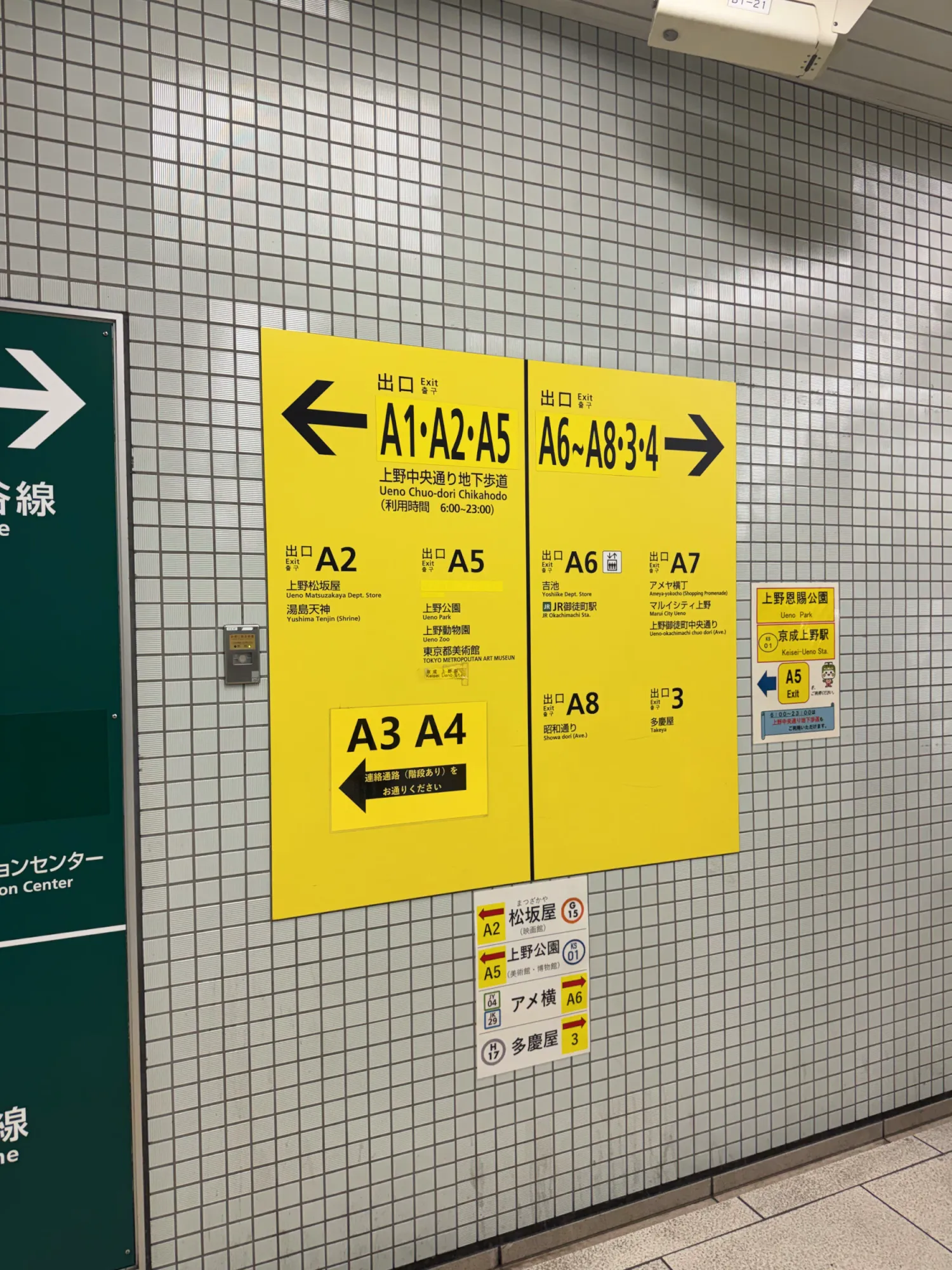
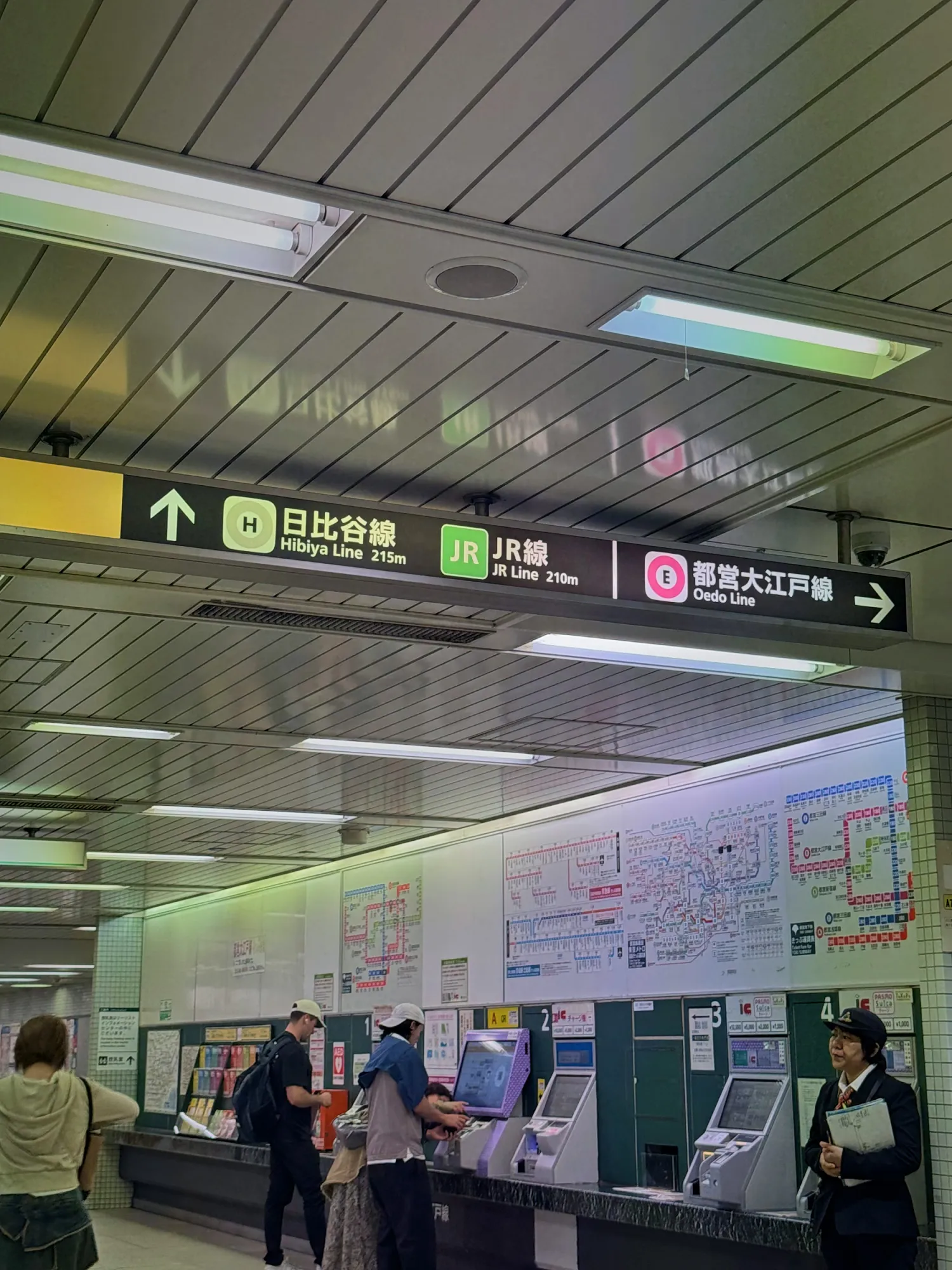
7. Read the Numbers and Ignore the Rest // Station, Platform, Exit
Every subway station has a code, like E03 for Wakamatsu-Kawada, our home stop on the Oedo line. Follow the station code, which platform, and which exit, and pretend the Japanese characters aren't there. The exit is the step that catches people. It happened to us a lot at first. We'd leave by whichever exit came first, until I realized Apple Maps names the right one, and then it was easy! Tokyo Metro 101 walks through one of our real rides, from the station code to exit A5.
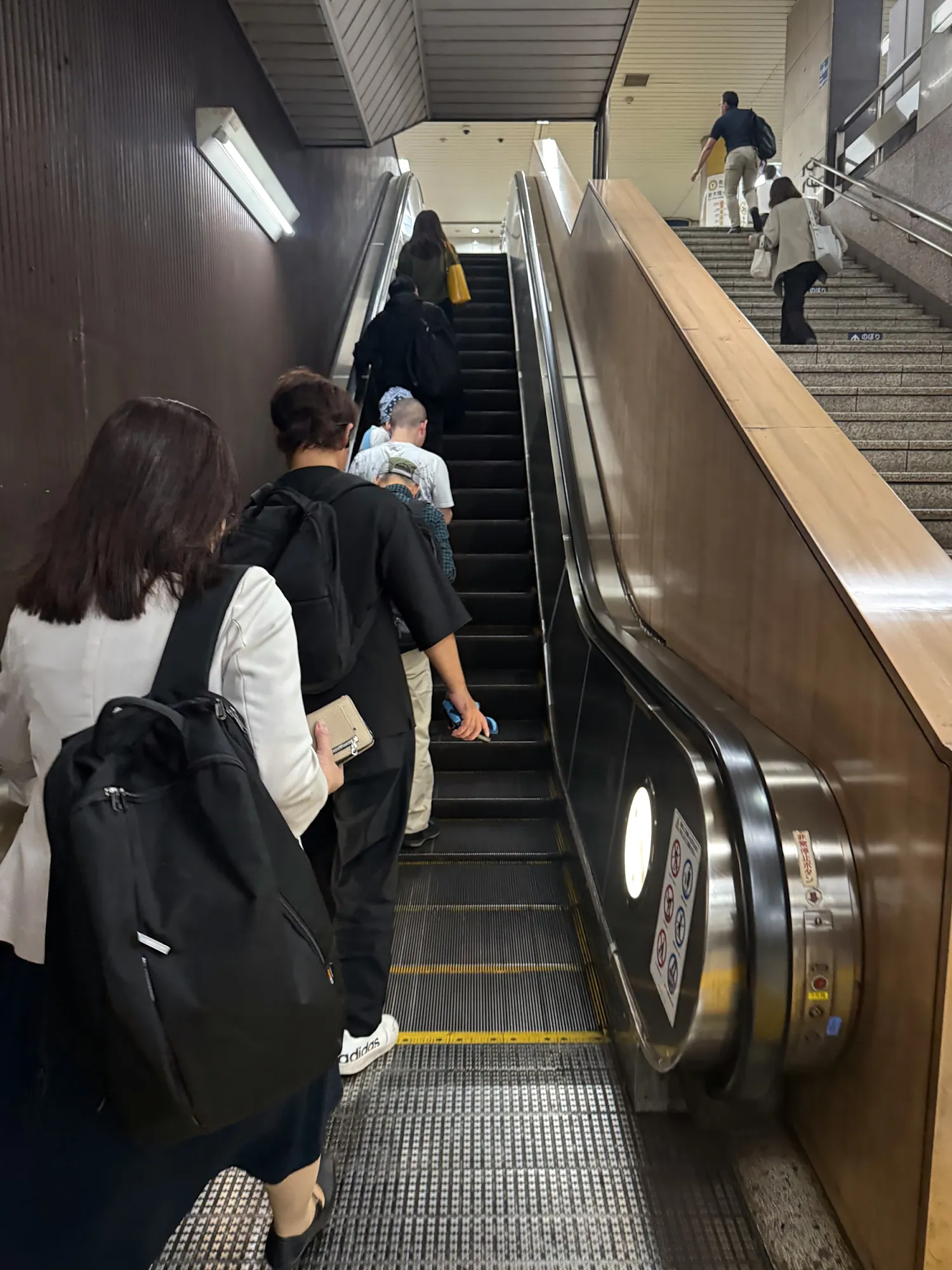
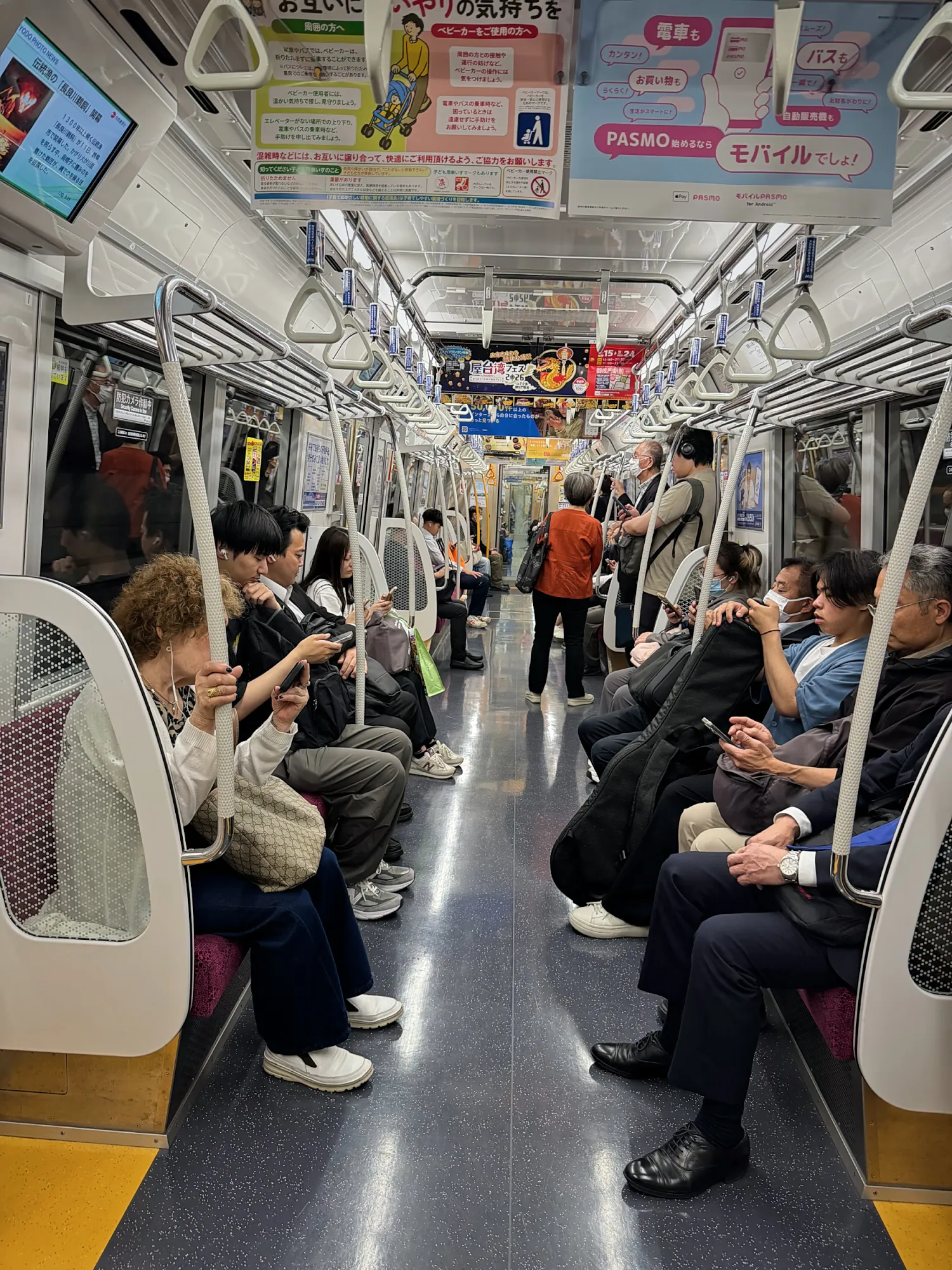
8. Stand on the Left, and Keep Quiet on the Train // You Will Stand Out
Stay to the left on Tokyo escalators, or you'll stand out! On the train, people don't take calls, play music, eat, or drink, and you'll get stares if you do. Skip rush hour if you can. The rest of the manners we picked up are in our dos and don'ts in Japan.
9. Expect a Lot of Stairs // Not Every Station Has an Elevator
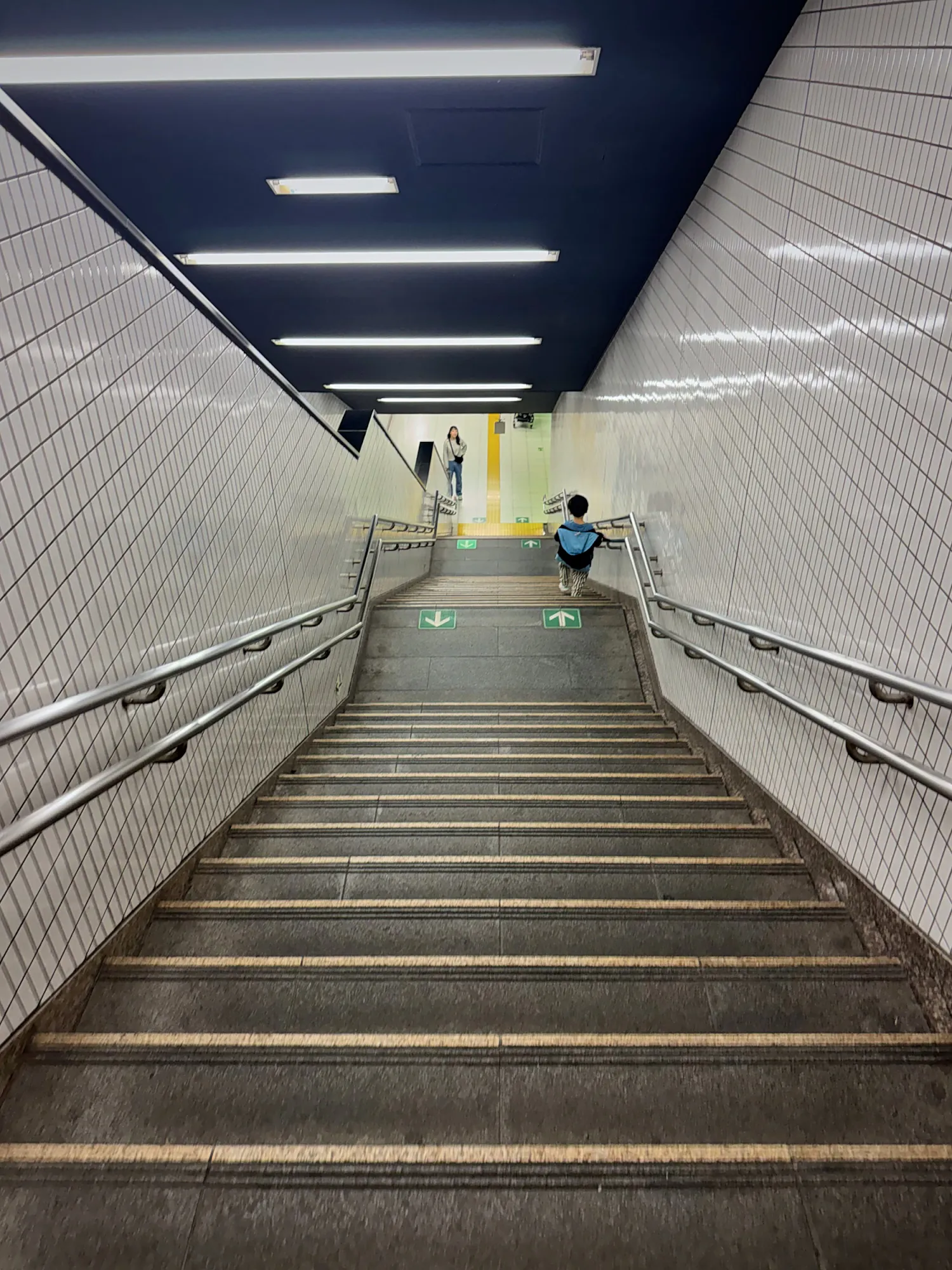
Plenty of stations, ours included, have no elevator to the platform. You'll get in shape fast! If you're hauling big suitcases or can't manage stairs, check your route for elevators before you go.
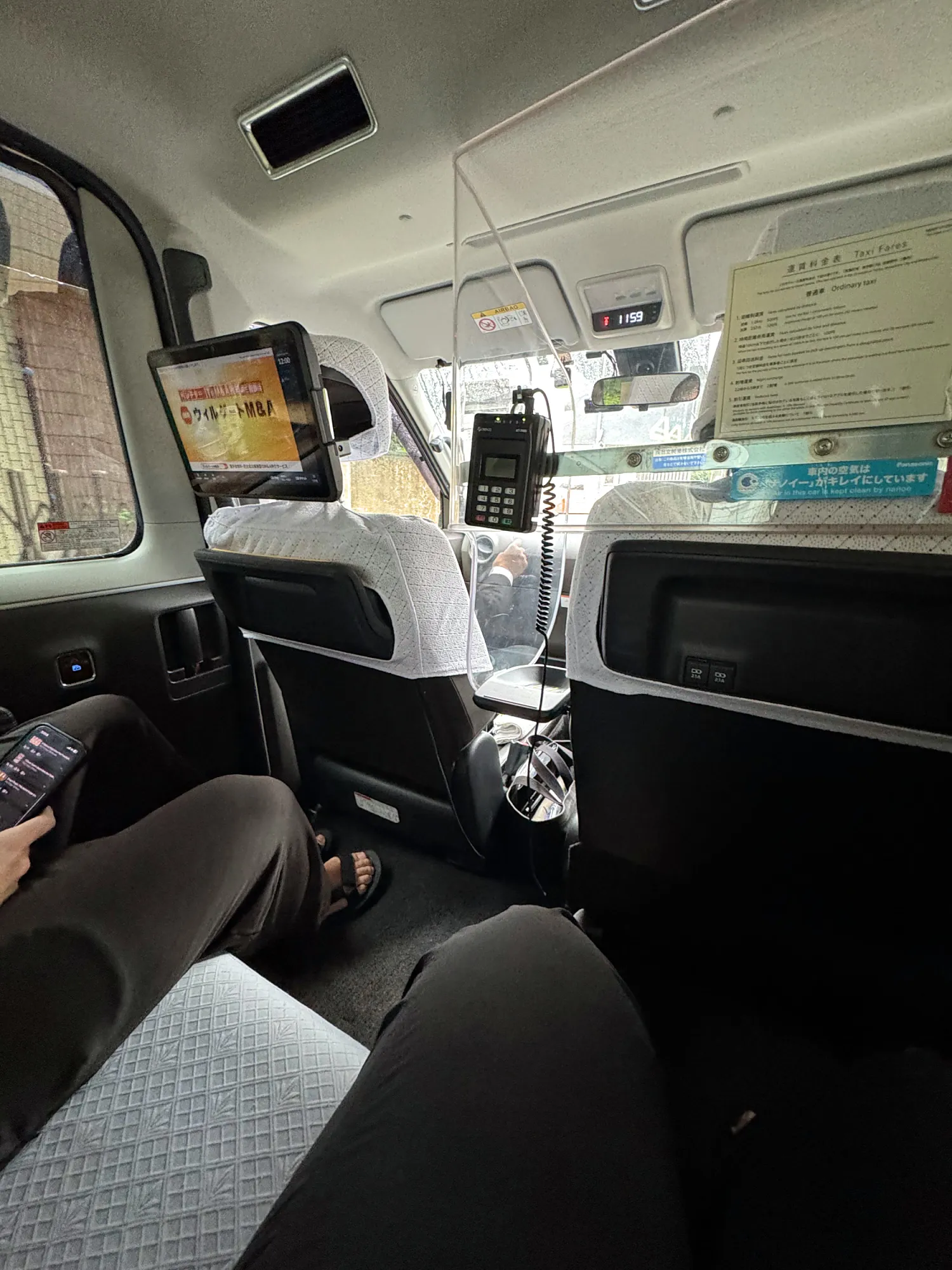
10. Taxis Are Roomy, and the Doors Open Themselves // Book Through Uber
Tokyo taxis are crazy, in a good way. They're super roomy, and the doors open for you! We only took one in a month, booked through Uber when it started to rain before a dinner reservation, and the app handled the payment. For when to take the train, walk, or grab a taxi, see how to get around Tokyo.
Eating in Tokyo
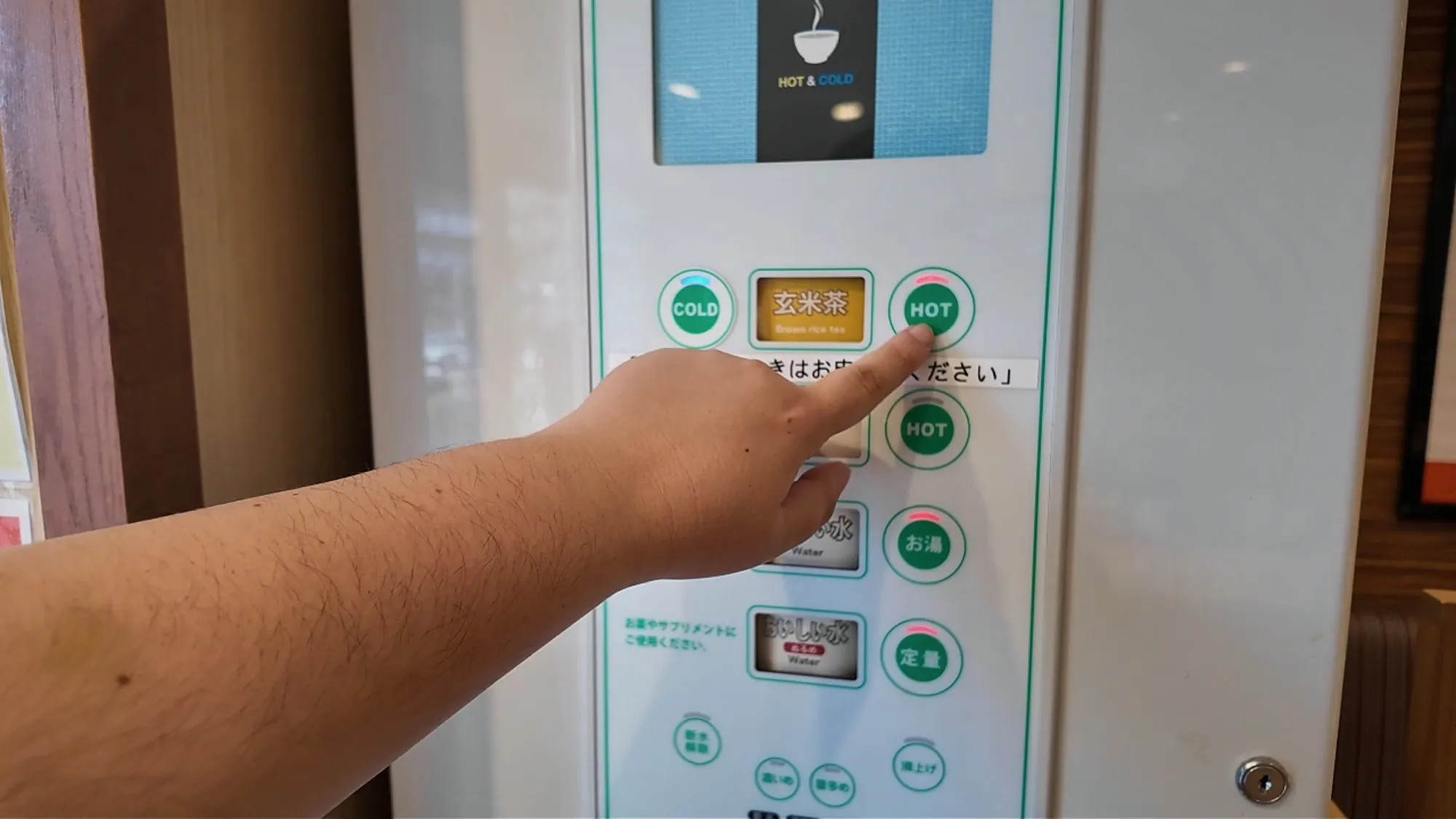
11. The Kiosk Speaks English // Check In, Order, Pay, Wait for Your Number
At most chains you order and pay on a touchscreen, by card or Suica, then wait for your number to come up. Nearly every one has an English button, and water and tea are usually free and self-serve.
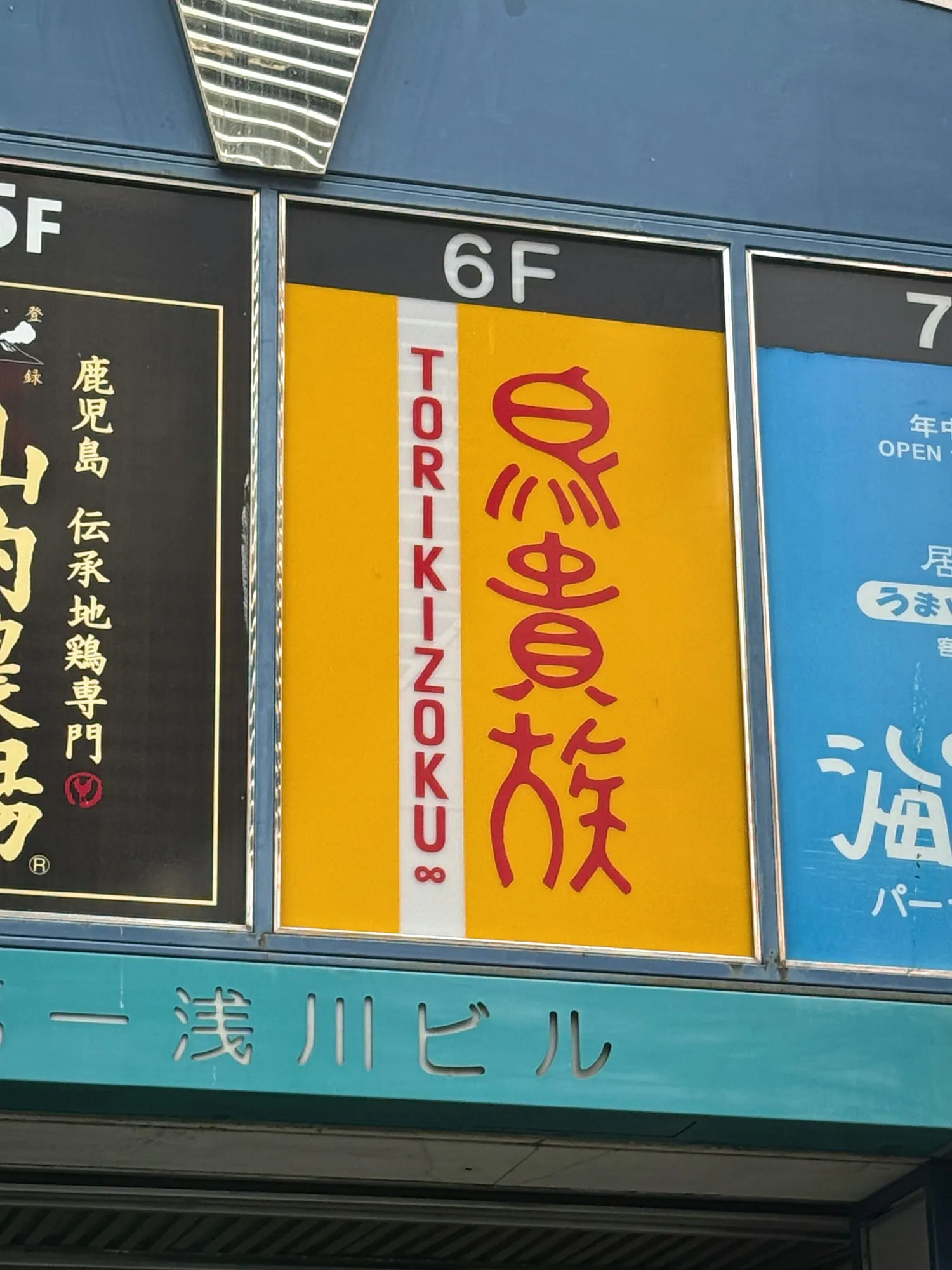
12. Look Up for Restaurants // Some of the Best Are on the Sixth Floor
One building can hold a different restaurant on every floor, with the signs stacked up the side. Look up, not along the street. Our Torikizoku was on the sixth floor.
13. Meals Are In and Out // Don't Plan to Linger
This is my biggest con of Japan: meals are very in and out. You order, it comes fast, you eat fast, and you leave. The only places we spent extra time were Torikizoku and sushi spots like Sushiro, and even those top out around two hours. If you picture long, slow dinners, Tokyo's chains aren't built for them.
It's perfect for eating alone, though, and it's a big part of why Japanese chain restaurants became our favorite way to eat.
14. Food Is Cheaper Than You Think // Sushi for Two for About $31
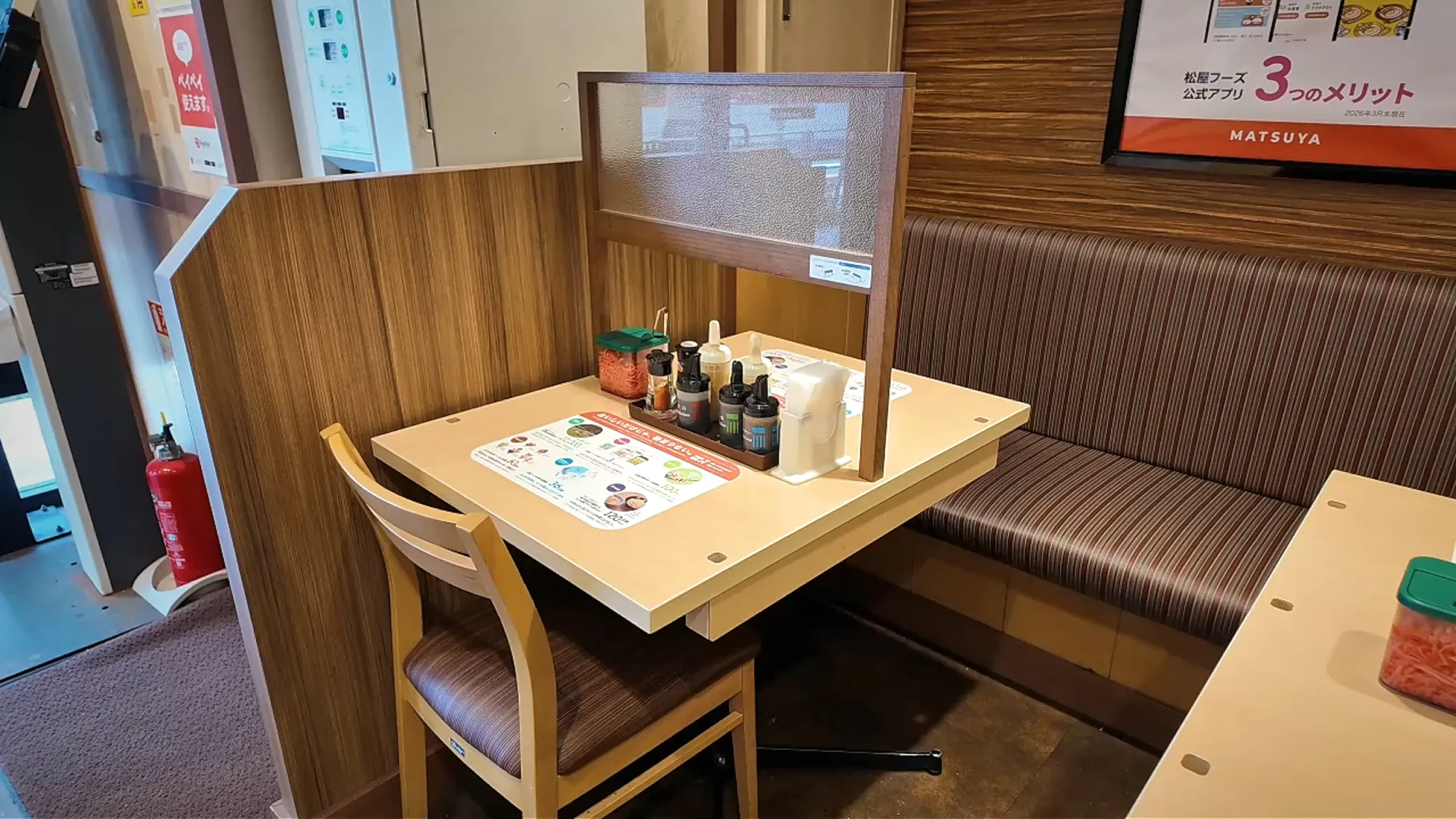
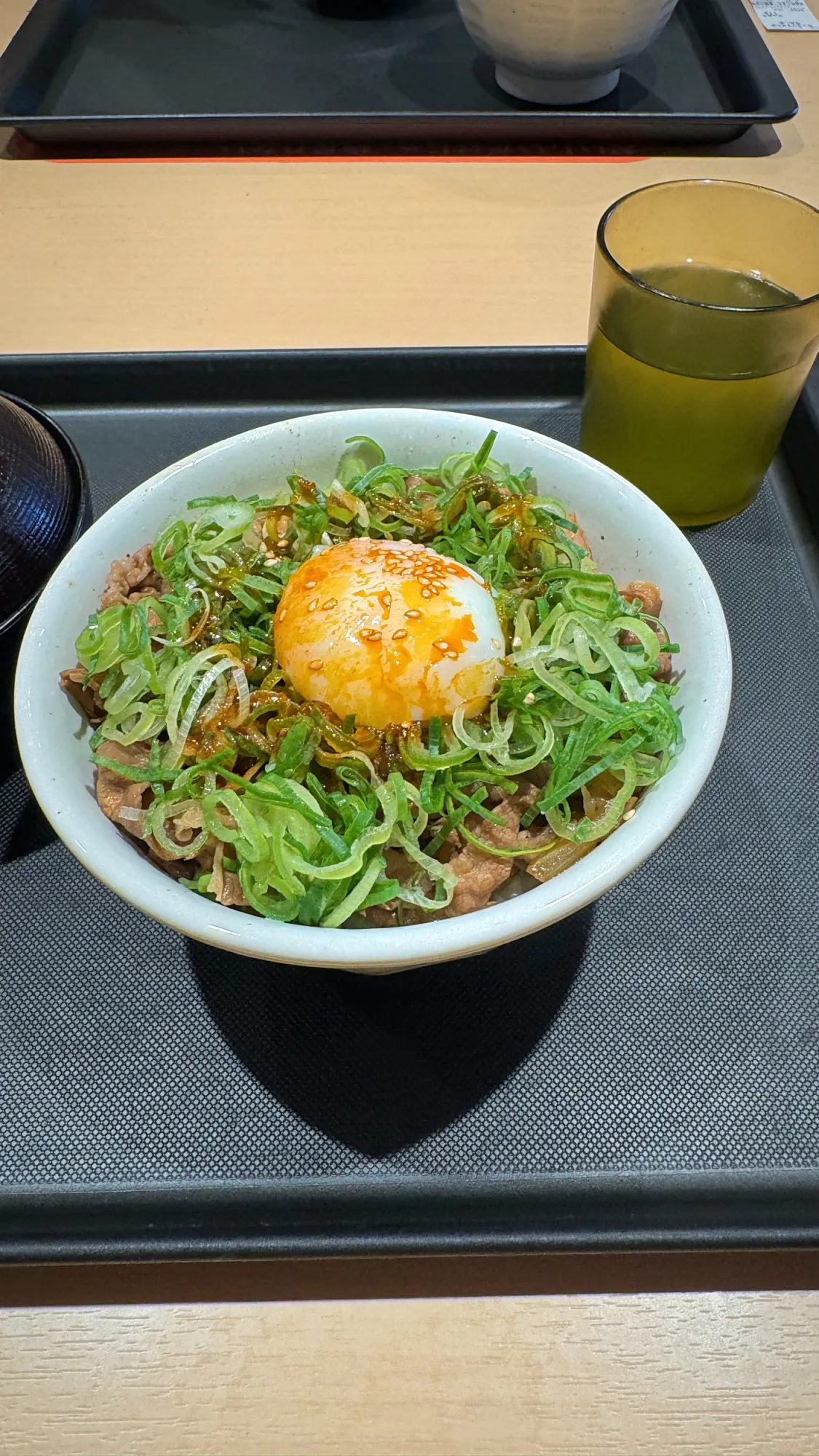
Compared with New York, good food in Tokyo is a bargain. Sushi for the two of us at Sushiro was about $31, two gyudon (beef bowls) at Matsuya about $7, and a 7-Eleven or grocery store dinner $10 to $15 on a lot of nights. For what to order first, see the must-eat foods in Tokyo.
15. Card Works Almost Everywhere // Keep a Loaded Suica for the Rest
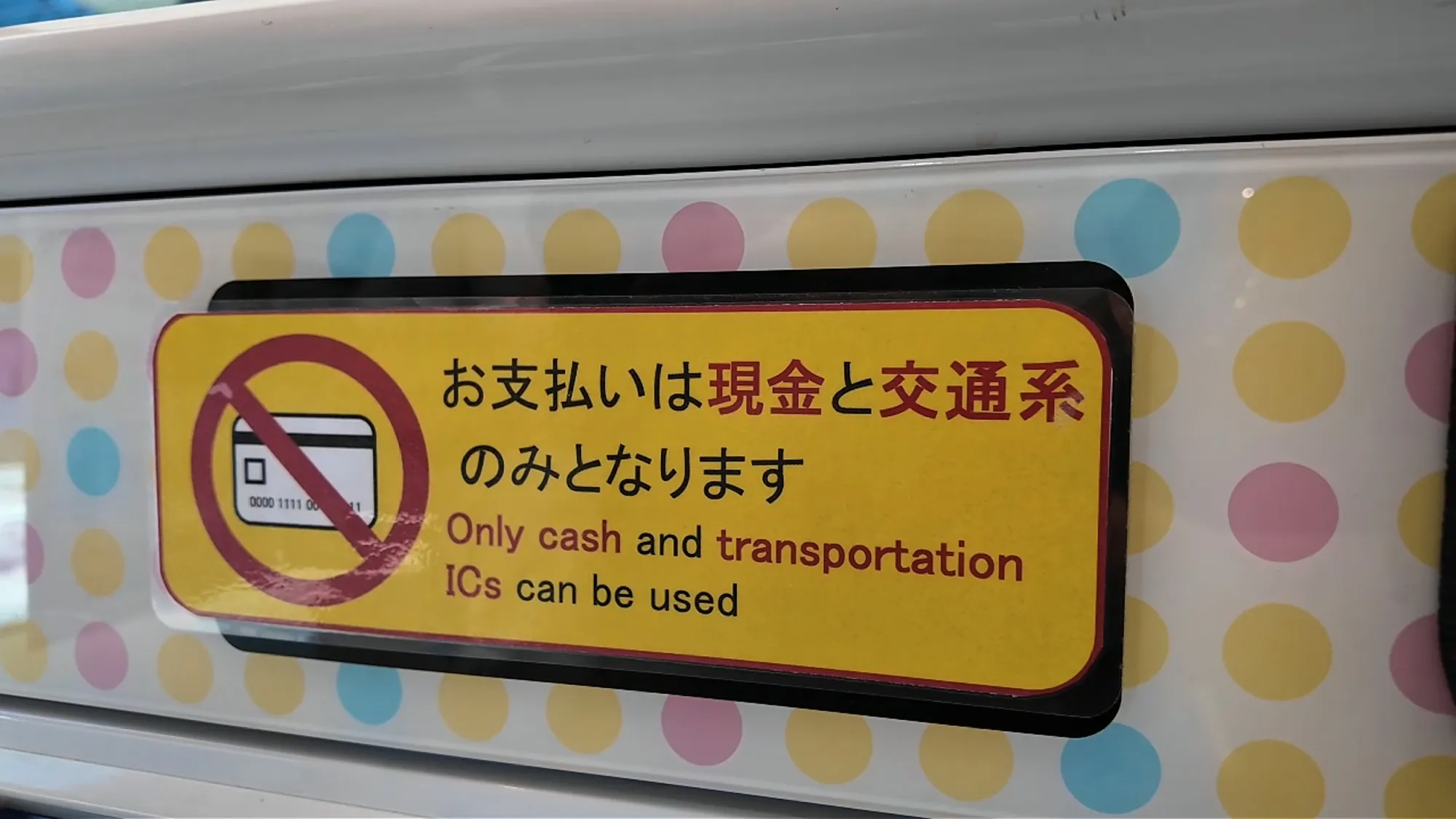
"Japan is cash-heavy" is kind of a tourist thing. Cards and Suica covered nearly every meal we had in Tokyo. The exceptions were a small bakery where we paid in cash and a Tenya kiosk with a no-credit-card sign. We had no yen that day, so we tapped the Suica on our phones and ate.
16. Don't Tip // It's Not Customary
Japan is a no-tip country, and people can find it rude if you try. Tipping isn't customary in restaurants, bars, taxis, or hotels. You pay exactly what the bill says.
17. The Convenience Store Is Your Best Friend // 7-Eleven Onigiri, Lawson Chicken
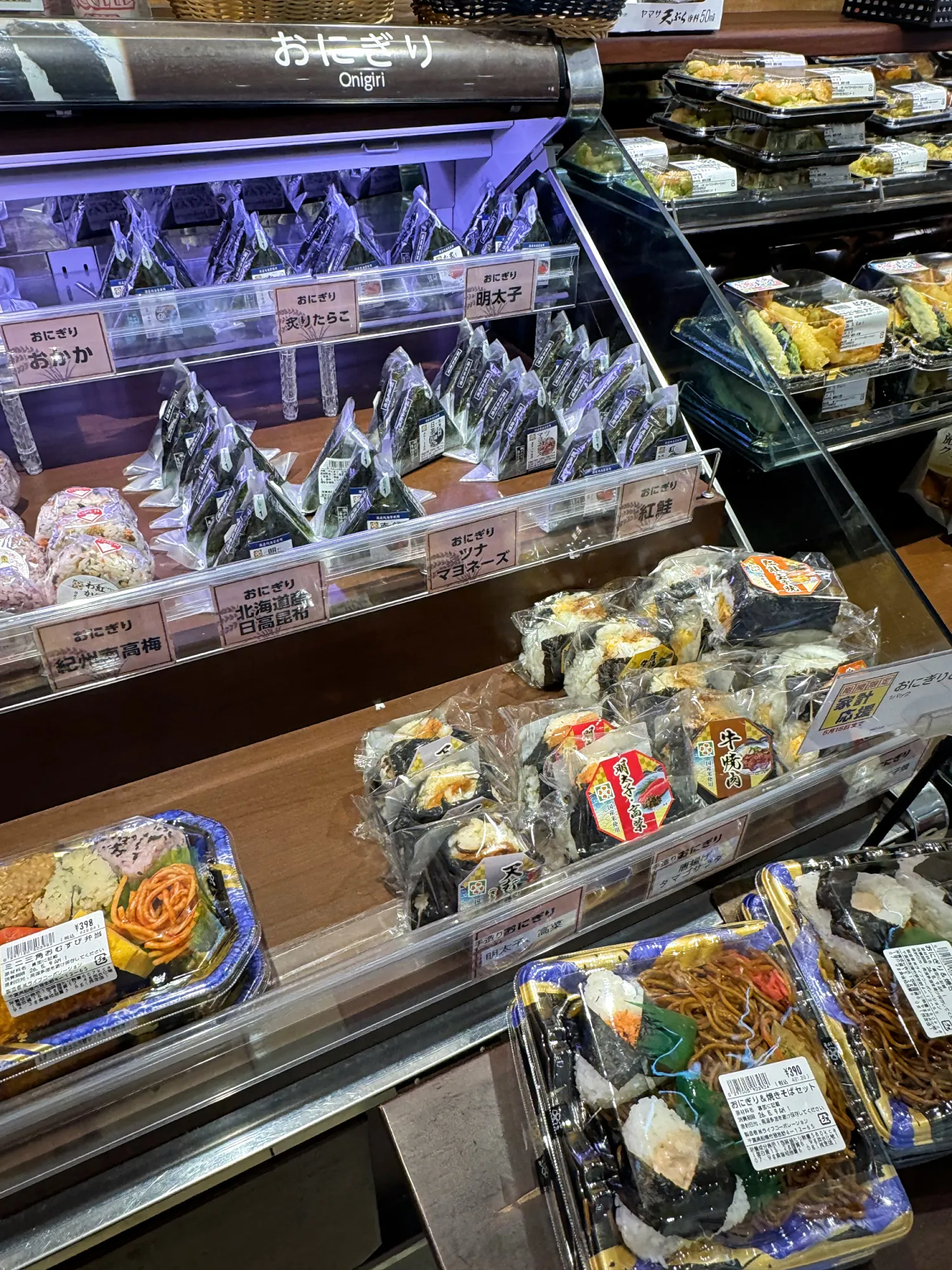
Japan's convenience stores, called konbini, sit on almost every block. After trying all the viral stuff, my picks are 7-Eleven for onigiri (rice balls) and sandwiches, and Lawson when you want fried chicken. We put the three big chains head to head in 7-Eleven vs Lawson vs FamilyMart, so you know which one to walk into.
Out on the Street
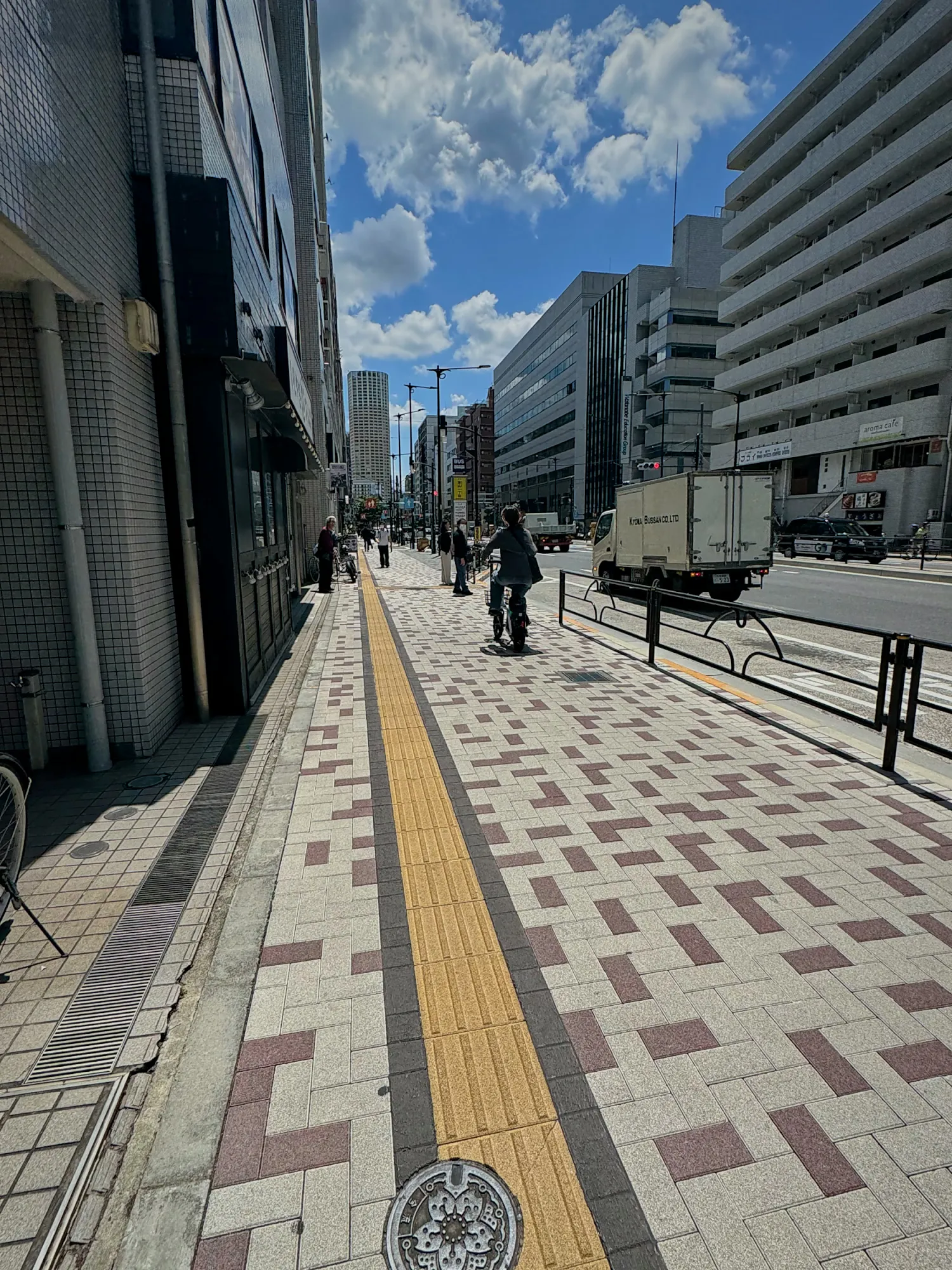
18. There Are Almost No Trash Cans // Carry It Home
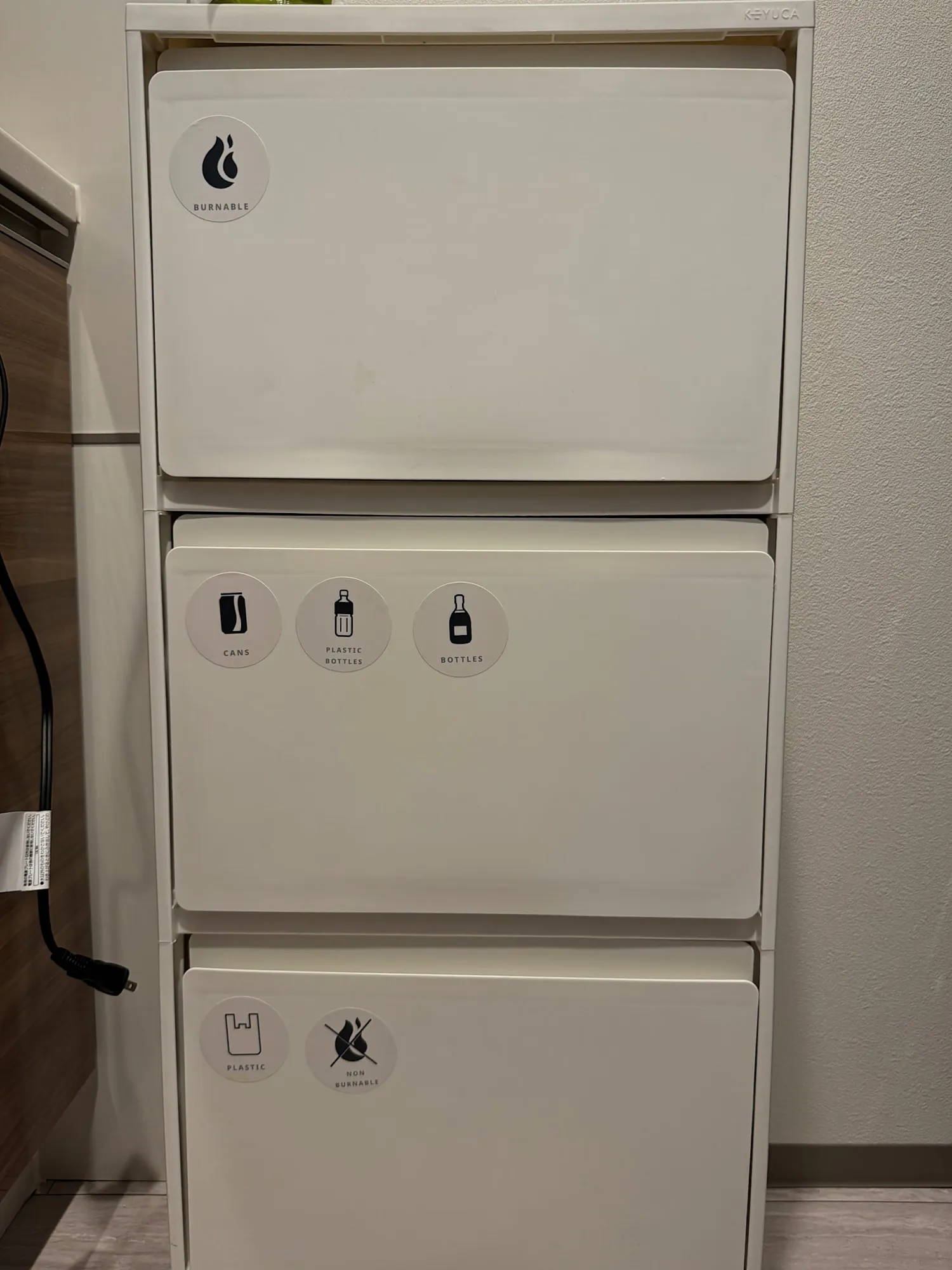
Don't litter, even though there are almost no public trash cans. We carried an empty bottle around the city all day until we got home. The bins beside vending machines and inside convenience stores are your best bet, and our Airbnb had a cute little bin with a drawer for every kind of recycling. "Never eat while walking" is overblown, too. People do eat and walk, they're just quick about it.
19. There's Almost Nowhere to Sit // Tokyo Isn't Built for Hanging Out
My other con is the lack of places to sit. Public benches are rare, and the city doesn't want people to hang out. Between that and the in-and-out meals, plan your rest stops at your hotel or in a park.
20. English Is Around More Than You Think // Kiosks, Trains, and Google Translate
Do people speak English in Tokyo? Locals mostly won't chat with you in English, but you rarely need them to. Kiosks have a language button, the trains announce stops in English, and Google Translate handled everything else. It's one of the apps that got us through Tokyo.
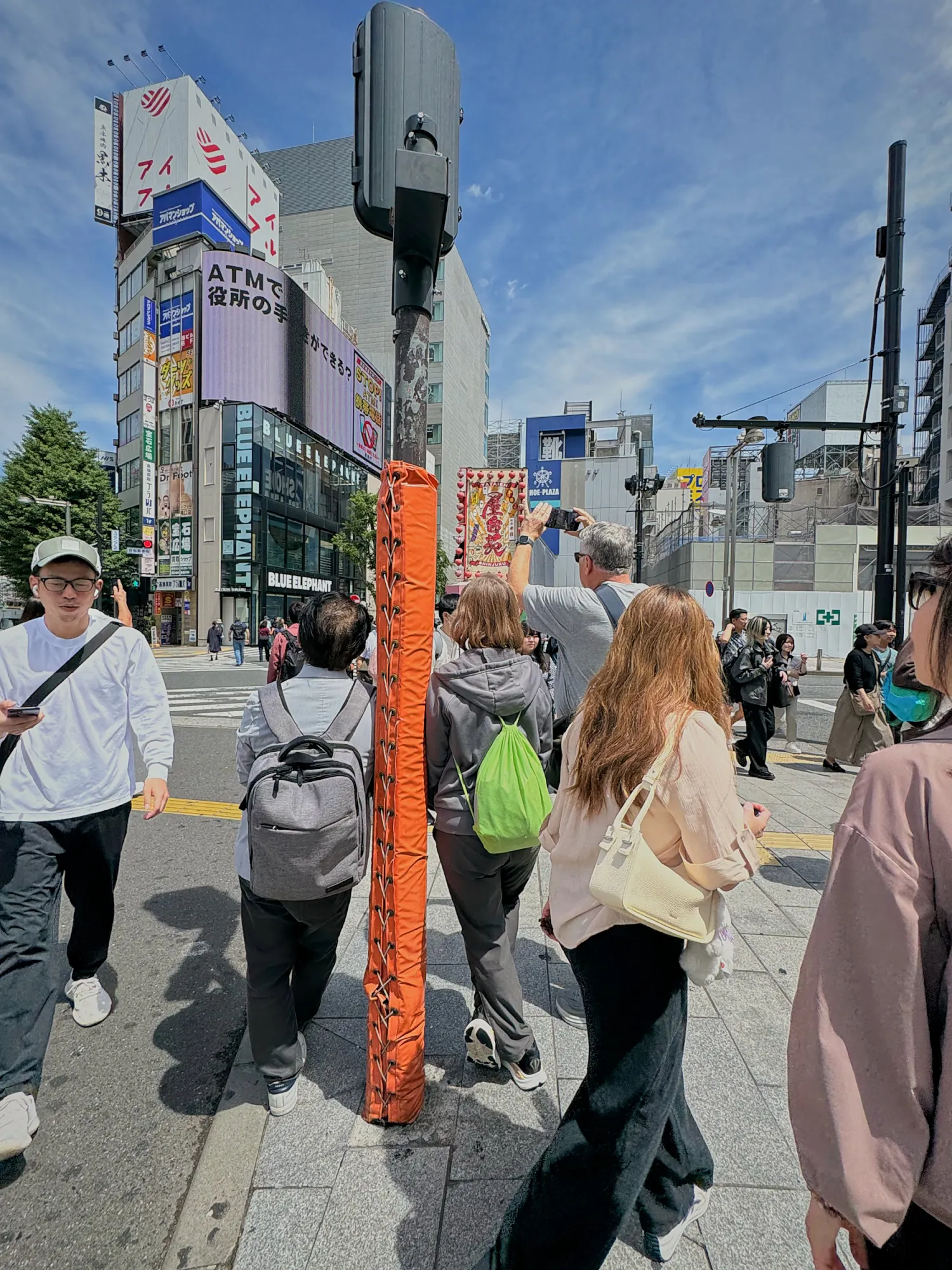
21. Tokyo Is Busy, but It Isn't Loud // And It's Safe, Even at Night
Tokyo is busy but never loud, so the crowds aren't as overwhelming as they look, and there are so many quiet, introvert-friendly places. Japan is the safest country ever, even at night. The only thing we noticed was the bar touts in Shinjuku, and they only approached other people, never us. For nights out and earthquakes, see how safe Tokyo really is.
22. Bring a Layer in May // And Buy Your Umbrella at the Konbini
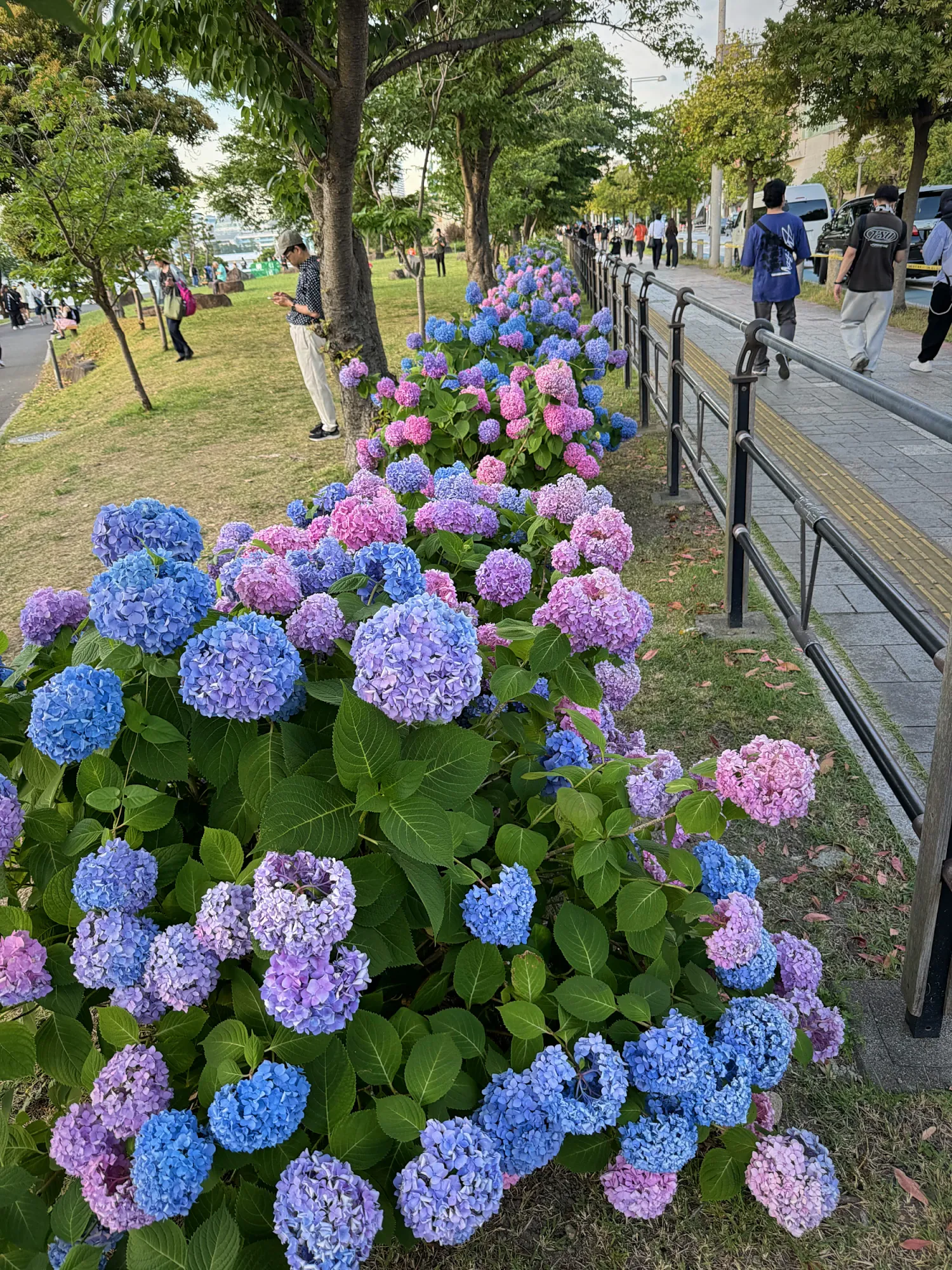
Early May was a little cool and cloudy most days. Light pants or shorts with a T-shirt worked, with Tevas, our travel shoe. When the rain caught us one day, we did what everyone does and bought an umbrella at a convenience store. For other months, see what to wear in Tokyo in every season. If May is your month, these are the things we'd do in Tokyo in May.
Is Tokyo Easy for First-Timers?
Yes, once you know what to look for. You learn to look up for where to eat, how 7-Eleven works, and how to read the trains, and then Tokyo is easy to understand and get around. The only things to plan around are my two cons, fast meals and nowhere to sit. I'd send any friend here, and I miss it already. If you haven't booked a place yet, where to stay in Tokyo compares ten areas, or you can compare hotels in Tokyo in a neighborhood near a station.
Bernie & Cream@bernieandcream
Follow along on Instagram
Bernie & Cream@bernieandcream
Follow along on Threads
Bernie & Cream@bernieandcream
Watch us on TikTok
Bernie & Cream@bernieandcream
Follow along on X
Bernie & Cream@BernieAndCream