Planning a long stay in Japan means one question comes before the flights and the apartment. How long are you allowed to stay?
Heads up: some links and maps in this guide are affiliate links. If you book or buy through them, we may earn a commission at no extra cost to you.
In this guide 11 sections
Online, it sounds complicated. There are visa-free days, a digital nomad visa, Visit Japan Web, and rules about working. It's a lot to sort through when all you want is a month in Tokyo.
Did we look at Japan's digital nomad visa? No. Cream and I just used the 90 days on our US passports, and our month in Tokyo fit easily. Here's how the 90 days work, what they don't cover, and who should apply for the nomad visa instead.
How Long Can You Stay in Japan? The Quick Answer
- 90 days, visa-free, on a US, UK, Canadian, or Australian passport, and most EU ones. Some passports get only 15 or 30 days, so check yours.2
- No visa, no fee, no application before you fly. You arrive as a "Temporary Visitor".
- No extension for most passports, including the US.
- Six months on Japan's digital nomad visa, if you earn at least 10 million yen a year (about $63,000) and work for clients outside Japan.4
For a stay of one to three months, the 90-day entry is all you need. The nomad visa is for people who want to stay longer and can show the income.
90-Day Entry or Digital Nomad Visa: Which Is for You?
| 90-day visa-free entry | Digital nomad visa | |
|---|---|---|
| Longest stay | 90 days | 6 months |
| Apply before you go? | No | Yes, at a Japanese consulate |
| Income needed | None (just show you can support yourself) | 10 million yen a year (about $63,000) |
| Health insurance | Not required | Required, at least 10 million yen of cover |
| Working for foreign clients | Not covered by the status | What it's built for |
| Extension | Not for US passports | None |
| Residence card and bank account | No | No |
| Bring a spouse and kids | Each enters visa-free | Yes, as dependants |
The 90-day entry is for you if:
- You want one to three months in Japan.
- You're trying Tokyo out before committing to anything longer.
- You'd rather spend your prep time on flights and an apartment than on a consulate appointment.
The digital nomad visa is for you if:
- You know you want four to six months in Japan.
- Your income from outside Japan clears 10 million yen a year.
- You want your remote work in Japan to sit inside a status made for it.
Either way, you'll be in Tokyo for weeks, not days. If you want a hotel for the first stretch while you find a monthly rental, these are the three we'd book in Shinjuku.
Quick picks
Three places we'd book in Shinjuku for a long stay

 Bernie & Cream@bernieandcream
Follow along on Instagram
Bernie & Cream@bernieandcream
Follow along on Threads
Bernie & Cream@bernieandcream
Watch us on TikTok
Bernie & Cream@bernieandcream
Follow along on X
Bernie & Cream@BernieAndCream


What You Need Before You Fly to Japan
You don't apply for anything in advance on the 90-day entry. But five things need to be ready before you board.
1. A Passport That Covers Your Whole Stay // Plus a Blank Page
Japan doesn't have a six-month passport rule. Your passport only has to be valid for the whole time you're in Japan, with one blank page for each entry.1 Some airlines are stricter at check-in, so renew early if yours is close to expiring.
2. A Flight Out of Japan // Proof of Onward Travel
The US State Department says to carry proof of a return or onward ticket. Immigration can refuse entry if you can't show how you'll leave or support yourself.1 Book your exit flight before you go, and have it on your phone.
3. Visit Japan Web // One QR Code for Arrival
Visit Japan Web is the Japanese government's free site for arrival paperwork. You enter your passport, flight, and first address, plus your customs answers, and it gives you a QR code to scan when you land.3 It's optional, since paper forms still work. We used it for our Tokyo arrival.
Do it at least six hours before you land. Screenshot the QR code too, in case the site is slow at the airport. Visit Japan Web is one of the apps we set up before Tokyo, and the others save you just as much fumbling on day one.
4. Data on Arrival // Your Phone Does Everything
Your QR code, your onward ticket, and your route from the airport all live on your phone. Every time we've landed in Japan, we've needed data right away to figure out the train. Get an Airalo eSIM before you land and you're online when the plane touches down.
5. Travel Insurance // Your Home Plan May Not Cover Japan
Japan doesn't ask for insurance on a visa-free stay, so it's easy to skip. But check whether your health plan at home covers you abroad before a month or more away. If it doesn't, SafetyWing is worth a look for long stays, since it's built for nomads who are away for weeks at a time.
What Happens at Immigration
At the airport, everyone visiting Japan gives fingerprints and has a photo taken.1 Then the officer decides your stay. A visitor's period of stay is 15, 30, or 90 days, and most Western passports get 90.
You get a landing permission sticker in your passport. It shows your status, "Temporary Visitor", and an "Until" date. That date is the one to plan around. Don't count three months on a calendar; months have different lengths.
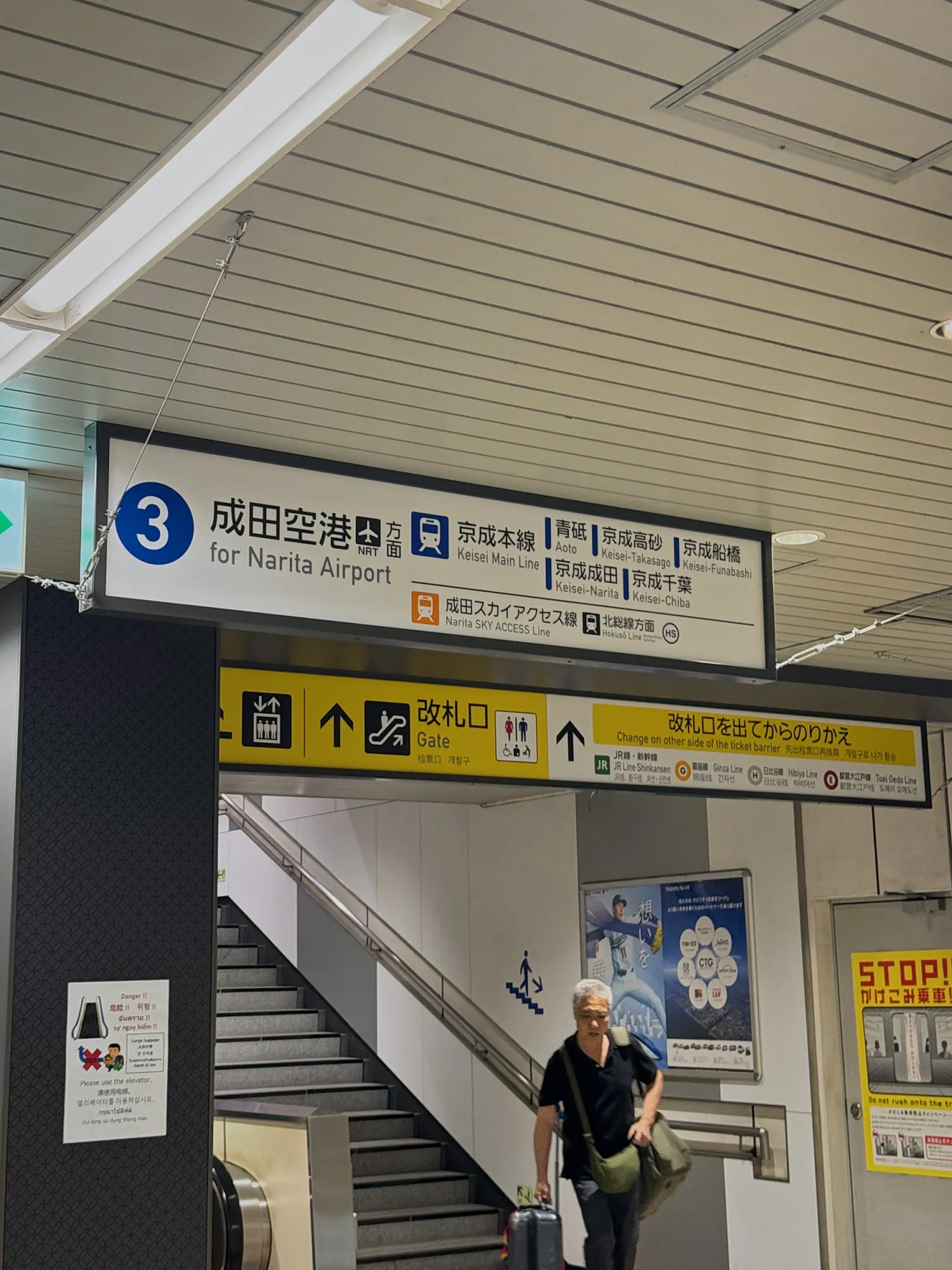
We landed at Narita from Kuala Lumpur. Getting from Narita to Shinjuku is cheap and easy once you know which train to take, and the wrong one nearly cost us our flight home.
Can You Work Remotely in Japan on a Tourist Entry?
Here are the rules as Japan writes them. Visa-free entry gives you Temporary Visitor status. It covers sightseeing, visiting friends and family, and short business trips like meetings and conferences. It bans activities that earn income or pay while you're in Japan.2 The US State Department's version is short: no working in Japan's local economy on a visa-free stay.1
Remote work isn't on the list of what Temporary Visitor status covers. Japan doesn't publish an exception for working online for a foreign company.
What Japan did do, in 2024, was create a status just for remote workers: the digital nomad visa. If working from Japan is the reason for your trip, that's the visa built for it. Whether Tokyo is a good place to work from is another question. We'd happily live and work there again, and Tokyo for digital nomads has one catch most people miss: cafes aren't made for lingering with a laptop.
Japan's Digital Nomad Visa Requirements
Japan's digital nomad visa is officially a "Designated Activities" status. As of October 2026, here's what it takes:
- Income: at least 10 million yen a year (about $63,000), from work for an employer or clients outside Japan. You can't take Japanese clients.4
- Passport: from one of roughly 50 countries and regions that get visa-free entry and have a tax treaty with Japan. The US, UK, Australia, Singapore, South Korea, and EU countries are on the list.5
- Health insurance: private cover for death, injury, and illness for your whole stay, worth at least 10 million yen.6 Check any policy against both before you apply.
- Length: up to six months, with no extension. You can't get another one until six months after it ends.5
- Family: your spouse and children can come with you, with their own paperwork.6
- How to apply: at the Japanese embassy or consulate for where you live, before you travel.5
How to Apply for Japan's Digital Nomad Visa
In the US, you apply at the Japanese consulate that covers your state, and each one publishes its own checklist. The Los Angeles and Chicago lists ask for:1011
- A visa application form, signed, and a passport photo.
- Your passport, with at least two blank visa pages.
- Proof of your income of 10 million yen a year or more.
- Proof of your remote work for a company or clients outside Japan.
- Your health insurance certificate, showing at least 10 million yen of cover.
- Your plans for the stay, including when you'll arrive and leave.
A Certificate of Eligibility is optional. If you have one, you can skip the income, work, and insurance papers, and Chicago lists about five business days to process.11 Without one, give yourself several weeks before your flight.
There's one big catch. You don't get a residence card, because you're not a resident. That makes it hard to open a Japanese bank account or sign a normal lease.6 So on either option, you'll likely live in a furnished place. We rented a Shinjuku apartment for the month, and a monthly Airbnb in Tokyo was the best kind of rental we've had anywhere: clean, tidy, and organized.
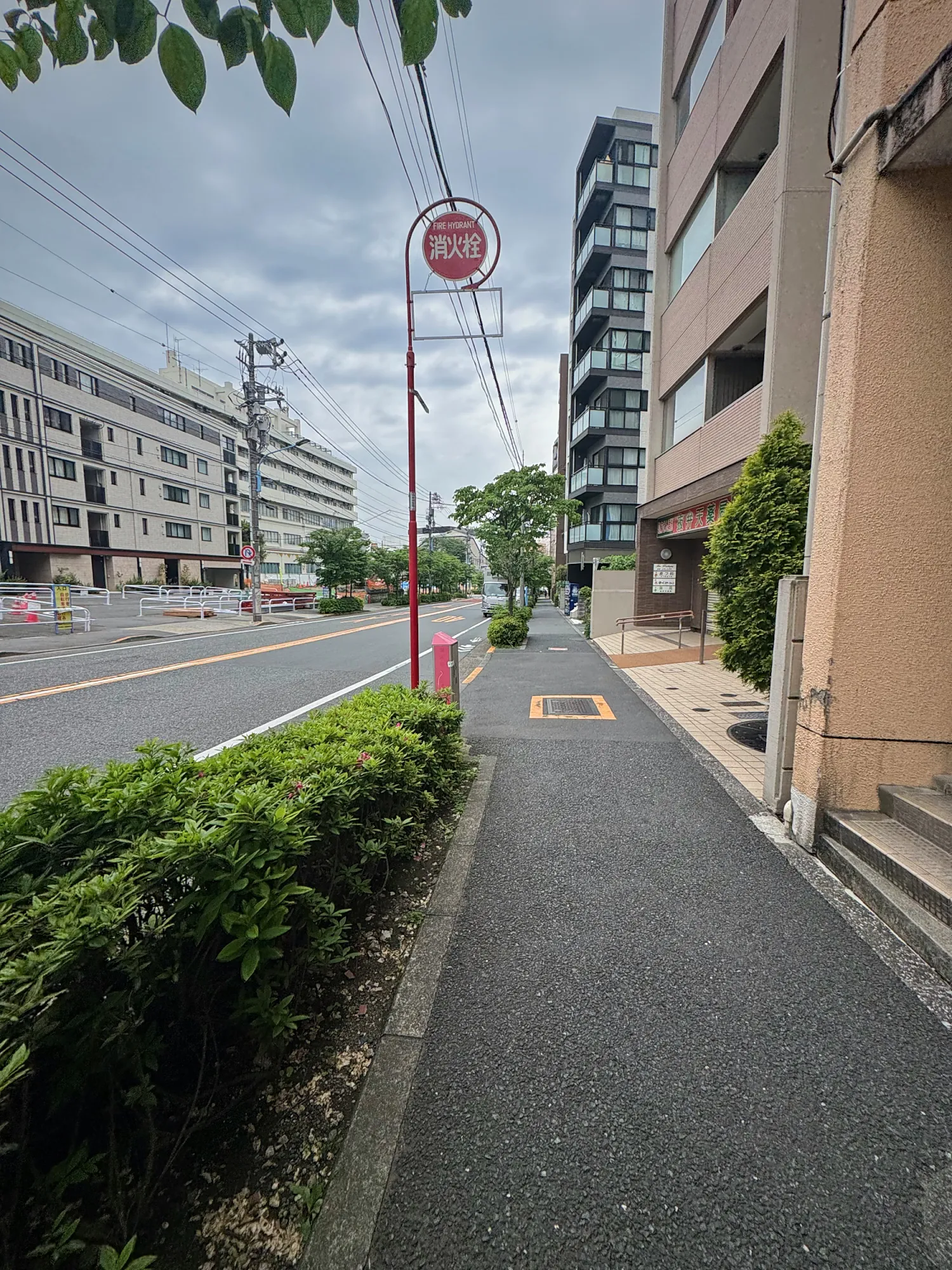
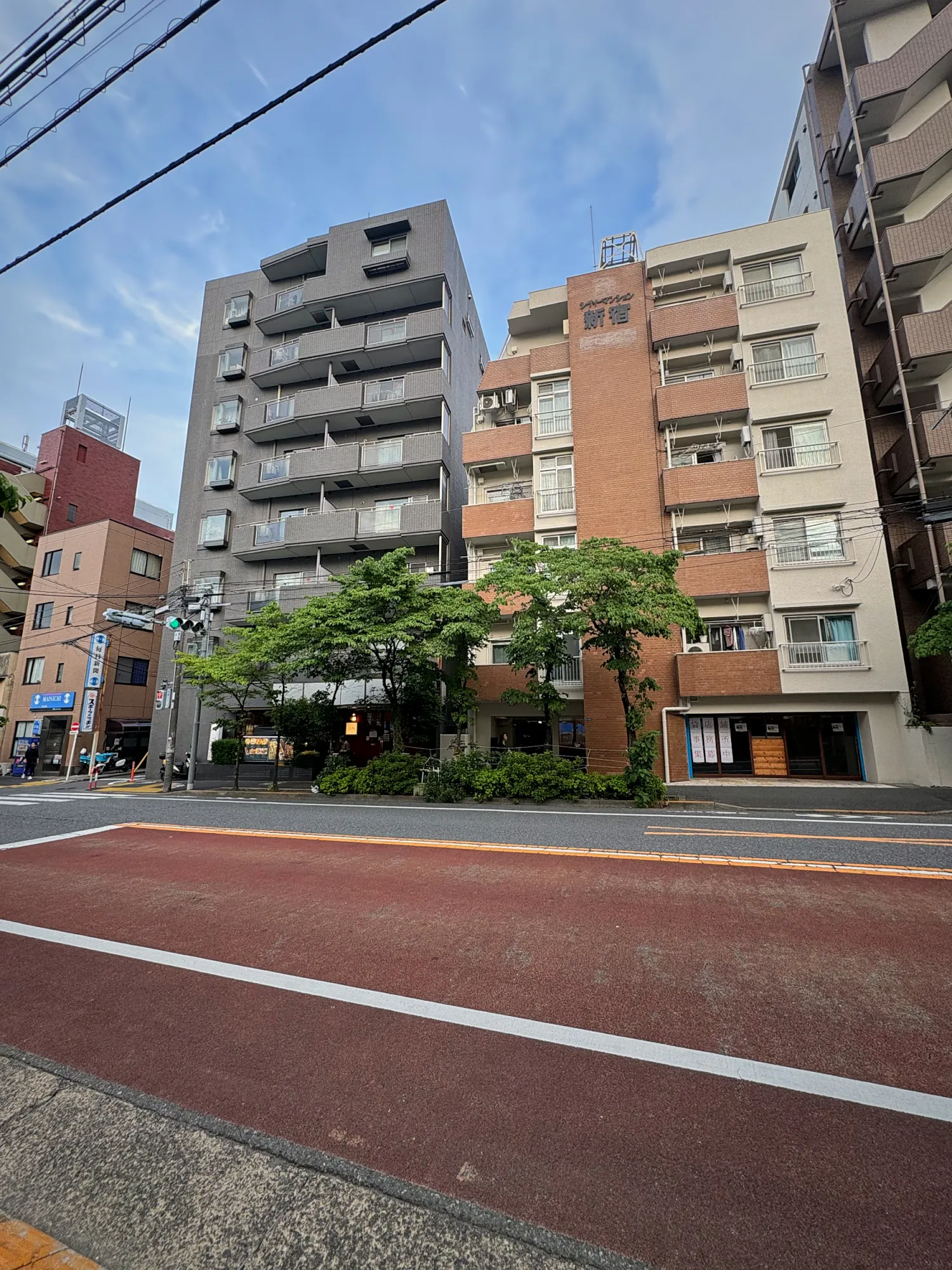
Our apartment was in Wakamatsu-cho, a quiet residential pocket of Shinjuku. The Oedo Line at Wakamatsu-Kawada Station runs straight to Shinjuku, Ueno, and Roppongi, and we'd book there again for a long stay. Here's what's available around it.
Why We Just Used the 90 Days
Our month in Tokyo fit inside the free 90 days with room to spare. The nomad visa would have meant an embassy application, proof of income, and a new insurance policy, all to stay longer than we planned to. Most of our money went on rent. Food was the surprise: the cost of living in Tokyo is lower than you'd think for a big city, with sushi for two around $31.
That's how we travel everywhere. We like one to three months in a place, and that's usually what a visa-free entry gives us. Signing up for a long visa before you've lived in a city is a big bet.
Japan might be the exception. I want to live there again. I really liked our life and our routine in Tokyo, and I miss it a lot. For anyone who wants more than 90 days, the nomad visa is the way to do it.
Can You Stay Longer Than 90 Days in Japan?
For most passports, no. A few nationalities can apply to stretch their visa-free stay to six months: the UK, Ireland, Germany, Austria, Switzerland, Liechtenstein, and Mexico.7 They apply at a regional immigration bureau in Japan before their first 90 days are up. US passports aren't on that list.
You also can't switch visas from inside Japan.1 If you arrive visa-free and decide you want the nomad visa, you have to leave and apply from home.
What Happens If You Overstay?
Don't. Staying past your "Until" date is illegal, even by a day. People who are deported for overstaying can't come back to Japan for five years, or ten if it's happened before. If you go to immigration yourself and leave under a departure order, the ban can drop to one year.15
What About Border Runs?
Some people fly to Seoul or Taipei for a weekend and come back for a fresh 90 days. Japan has no rule that promises you a new stay. Every entry is the immigration officer's decision, and officers can refuse entry.1
We don't do border runs anywhere. When our days are up, we pick a new country and actually go live there.
Other Ways to Live in Japan Longer
If six months isn't enough, the other routes all need a reason to be in Japan beyond remote work:
- Working holiday visa: up to a year of living and working in Japan, for 18 to 30 year olds from about 30 partner countries, including Canada, the UK, Australia, and much of Europe.12 The US doesn't have a working holiday deal with Japan.
- Student visa: for full-time study, often at a Japanese language school. Students can work part-time only with permission, up to 28 hours a week.13
- Work visa: a Japanese employer sponsors you for a job in Japan.
- Business Manager visa: for running your own company in Japan. Since October 2025, it needs 30 million yen in capital (up from 5 million), at least one full-time employee, and management experience or a relevant degree.14
What's Changed, and What's Coming
Two changes are worth knowing about if you're planning a long stay:
- A higher departure tax. Since July 1, 2026, everyone leaving Japan pays a 3,000 yen (about $19) International Tourist Tax, up from 1,000 yen.9 It's added to your plane ticket, so you won't pay it at the airport.
- JESTA is on the way. Japan plans to launch JESTA, an online travel authorization for visa-free visitors like Americans, by fiscal year 2028 (April 2028 to March 2029).8 Think of it like the US's ESTA. There's no fee or date yet, and nothing to do for now.
Plan the Stay, Not the Paperwork
If your passport gets 90 days visa-free, that's plenty for most trips to Japan. Book your flight out, fill in Visit Japan Web, and spend your energy on where to live. If you know you want six months and you have the income, the nomad visa is worth the paperwork.
Next Steps for Your Tokyo Stay
Bernie & Cream@bernieandcream
Follow along on Instagram
Bernie & Cream@bernieandcream
Follow along on Threads
Bernie & Cream@bernieandcream
Watch us on TikTok
Bernie & Cream@bernieandcream
Follow along on X
Bernie & Cream@BernieAndCream