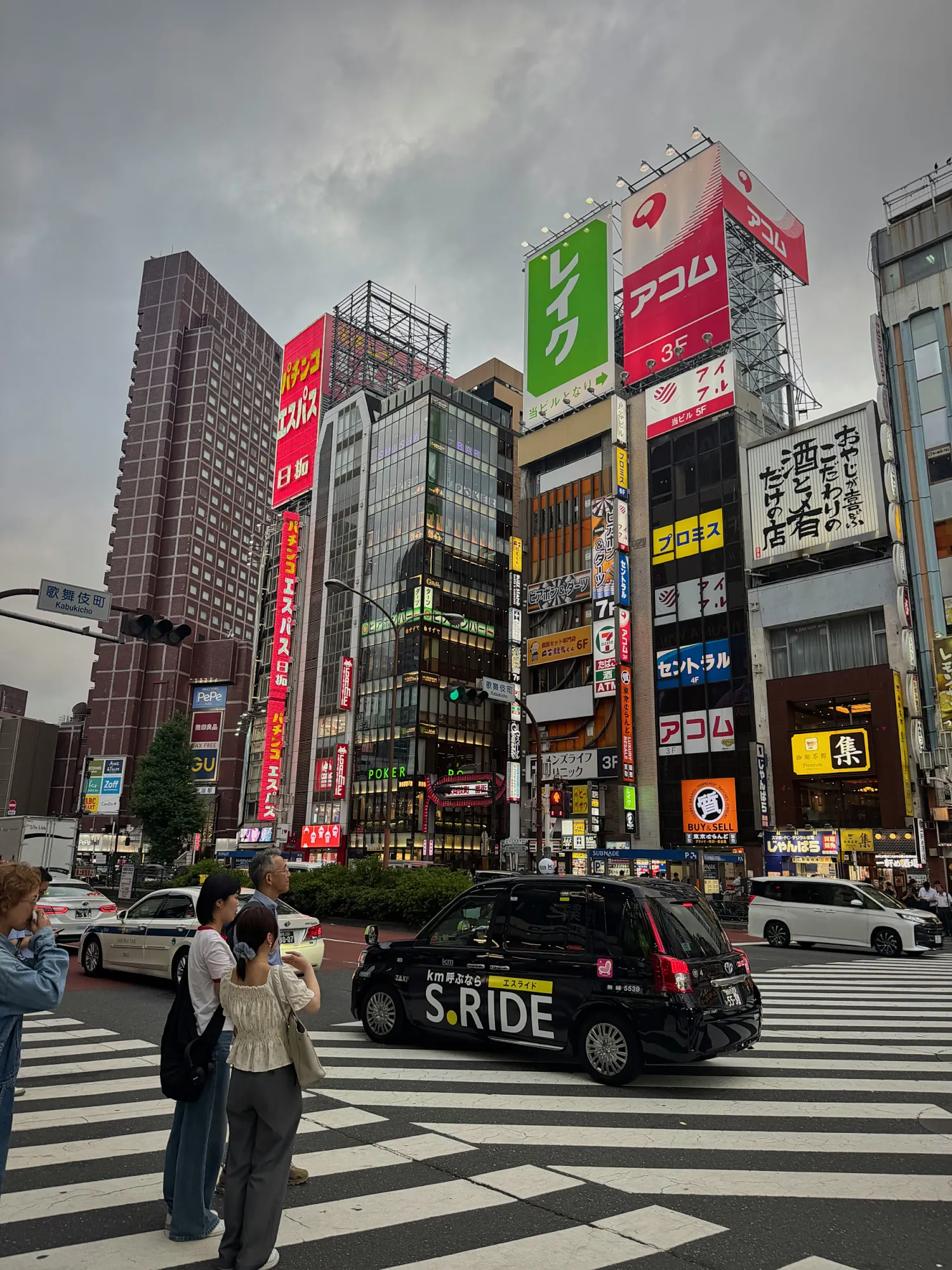
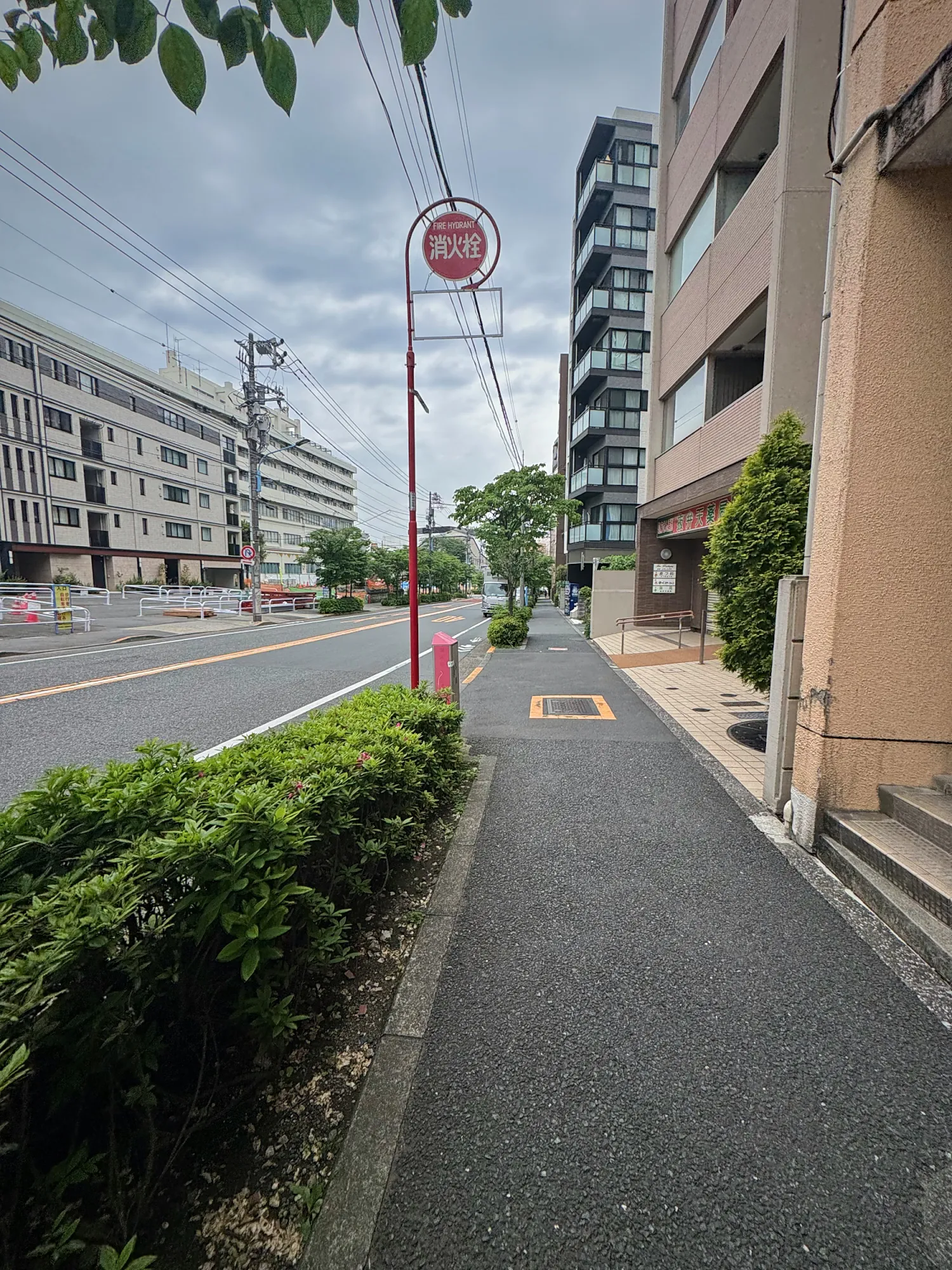
I miss our life in Tokyo. Not the sights. The life. Cream and I worked from our apartment, walked to the supermarket, and rode the same subway line to our favorite part of town. For a month, Tokyo felt like home.
Heads up: some links and maps in this guide are affiliate links. If you book or buy through them, we may earn a commission at no extra cost to you.
In this guide 7 sections
A big part of that was where we lived. Picking a neighborhood for a month is different from picking one for a week. You aren't looking for the closest hotel to the sights. You're looking for a street you'll be happy to come home to every night.
We lived in a quiet corner of Shinjuku in May 2026, and I'd book it again tomorrow. Here's where I'd tell a fellow nomad to live, where we'd try next time, and four more areas worth a look.
The Best Neighborhoods in Tokyo for Digital Nomads: My Quick Answer
The best neighborhood in Tokyo for digital nomads is a quiet residential part of Shinjuku, near a subway station. That's what we did, in Wakamatsu-cho, for about $2,000 for the month. Next time, I'd try Nakameguro, a smaller neighborhood on the Meguro River.
- Calm streets, close to everything: Shinjuku's residential side (where we lived)
- Relaxed and stylish: Nakameguro (where we'd try next)
- Parks, museums, and old Tokyo: Ueno and Yanaka
- Cafes and craft shops: Kuramae, next to Asakusa
- Startups and coworking: Shibuya
- Cheaper and more local: Koenji and Kichijoji
This guide is for living in Tokyo for a month or more. Only in town for a few nights? Then you want a hotel near a big station, and these are the best areas to stay in Tokyo for a short trip.
| Neighborhood | Best for | Price level | Our take |
|---|---|---|---|
| Shinjuku (residential side) | A first month, calm streets near the center | $$ | We lived here for a month |
| Nakameguro | River walks, cafes, a slower pace | $$ | Where we'd try next time |
| Ueno and Yanaka | Parks, museums, old streets, Narita Airport | $$ | We were here all the time |
| Kuramae | Coffee, craft shops, a quiet east side | $$ | Research pick |
| Shibuya | Startups, coworking, nightlife | $$$ | Fun for a day, not our vibe |
| Koenji and Kichijoji | Lower rents, local life | $ | Research pick |

 Bernie & Cream@bernieandcream
Follow along on Facebook
Bernie & Cream@bernieandcream
Follow along on Threads
Bernie & Cream@bernieandcream
Watch us on TikTok
Bernie & Cream@bernieandcream
Follow along on X
Bernie & Cream@BernieAndCream


What Matters When You Live in Tokyo for a Month
On a short trip, you're out all day and just need a bed. On a month-long stay, your apartment is also your office. That changes what you look for.
- Your home is your office. Cafe working isn't as big here as in other parts of Asia. Tokyo dining is fast: you order, eat, and leave. There's also almost nowhere to sit in public. We did see people working at a Tully's Coffee, but it was a tight squeeze. Working from home was better for us.
- The train line beats the neighborhood name. Find out which line your station is on and where it goes without a change. That's where you'll end up spending your free days.
- A supermarket nearby. We ate a lot of dinners from the supermarket and the 7-Eleven, for about $10 to $15 most nights. A good grocery store close by makes a month much cheaper.
- A quiet street. You'll be home a lot more than a tourist. Residential side streets are calm even a few blocks from the neon.
- A plan B desk. If you need a desk outside home, most Tokyo coworking spaces charge about ¥1,200 to ¥1,500 a day.17 Bigger names in Shibuya cost more.
- Calls at odd hours. If your clients are in the US, your meetings will land early in the morning or late at night. Thin walls and a bed in the same room make that harder, so a separate bedroom is worth paying for.
- Data from the minute you land. You'll need it to find your train and your apartment. We used ours right away on every trip to Japan. Get an Airalo eSIM before you land. It's also your backup if the apartment Wi-Fi drops.
- Health cover for the whole month. A month abroad is a long time to go without it. SafetyWing's Nomad Insurance is built for remote workers on long stays.
Tip
Before you book a month in Tokyo, look at the listing photos for a real table and two chairs, and read recent reviews for Wi-Fi speed. You'll be working from that table every day.
The 2 Neighborhoods We'd Pick
1. Shinjuku's Quiet Side // Where We Lived for a Month
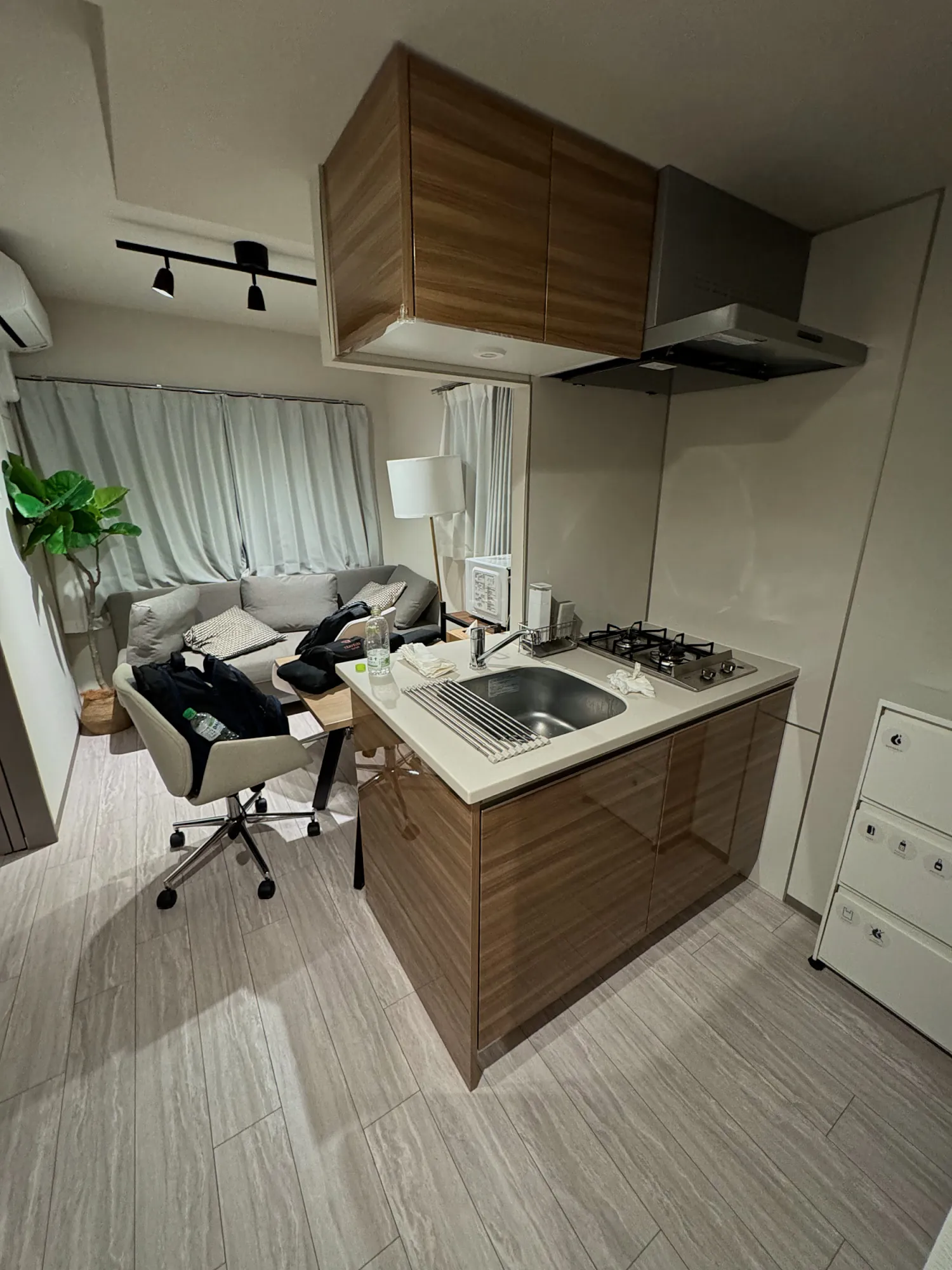
We rented an apartment in Wakamatsu-cho, a residential part of Shinjuku near Wakamatsu-Kawada Station. It cost about $2,000 for the month. That made it our most expensive stay so far, and it was worth it. The apartment was spotless and clever with space, and I liked it enough to give unito residence Shinjuku Wakamatsu its own review.
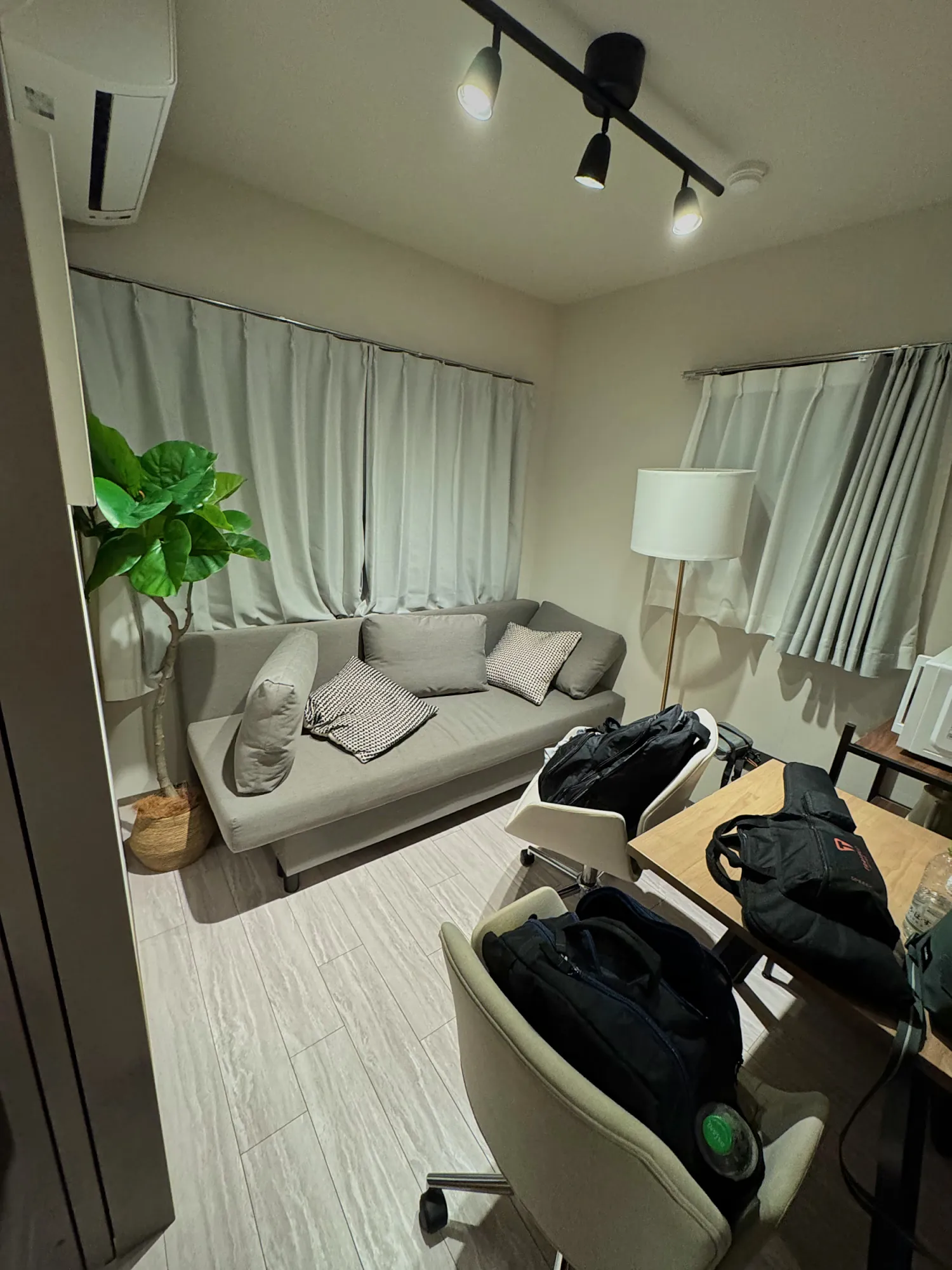
We worked from the apartment every day. It had a good table and great Wi-Fi, and I can't complain about either. A normal workday went like this: a 7-Eleven run, a work block, then a walk or a subway ride to another part of town for lunch, then home for the afternoon shift. The washer, dryer, and bathtub made it feel like a real home, not a hotel room.
The neighborhood was the best part. It wasn't busy or loud. There was a supermarket nearby and konbini (convenience stores) on every corner. And we could walk to central Shinjuku whenever we wanted. I'd stay there again, and here's everything I loved about living on Shinjuku's quiet side, from my morning shrine to the walk home.
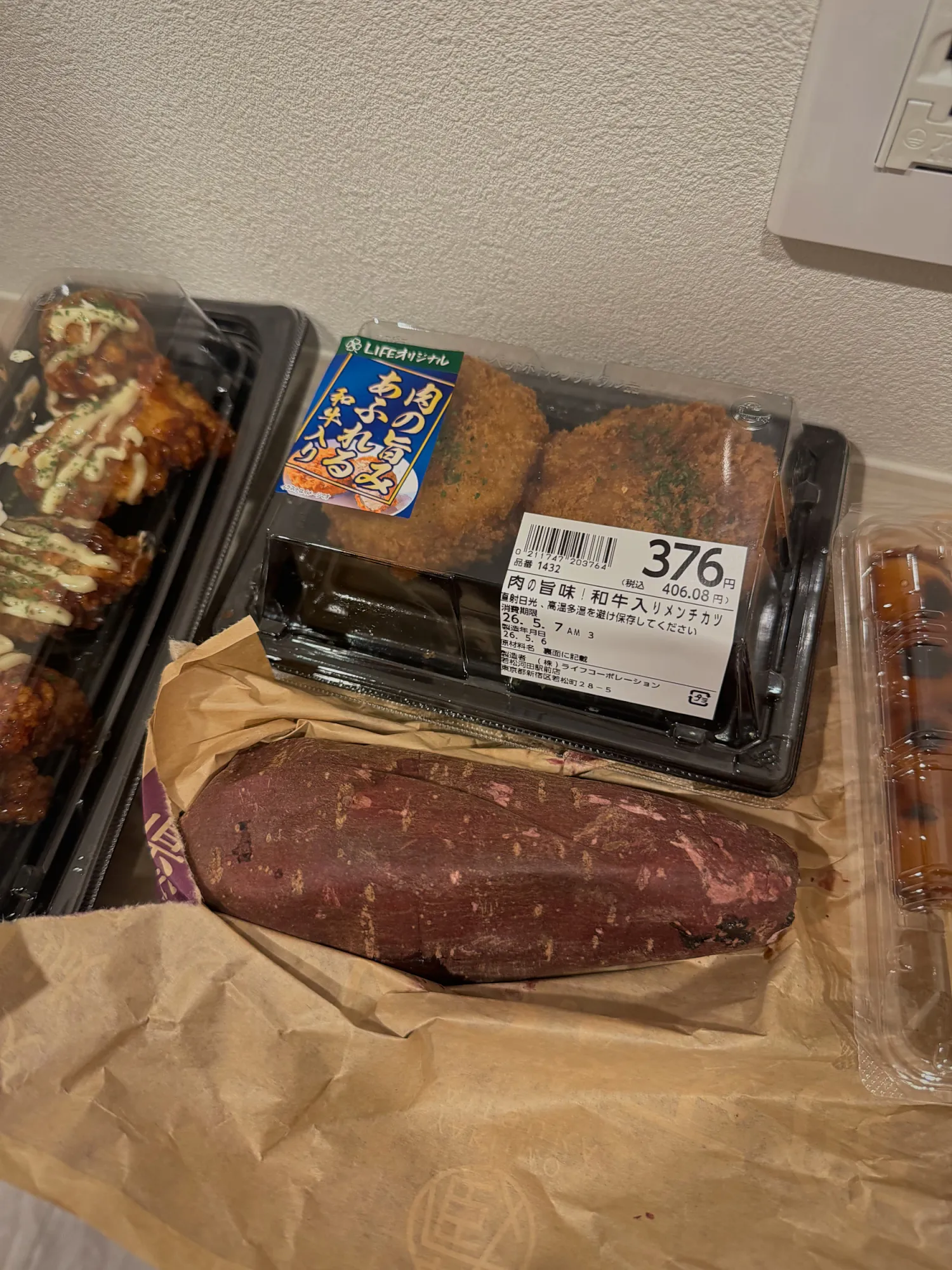
Our subway stop was a big part of why it worked. The Toei Oedo Line took us straight to Ueno, our favorite part of the city, in six stops for 220 yen. It also runs to Kuramae and Roppongi with no change.1
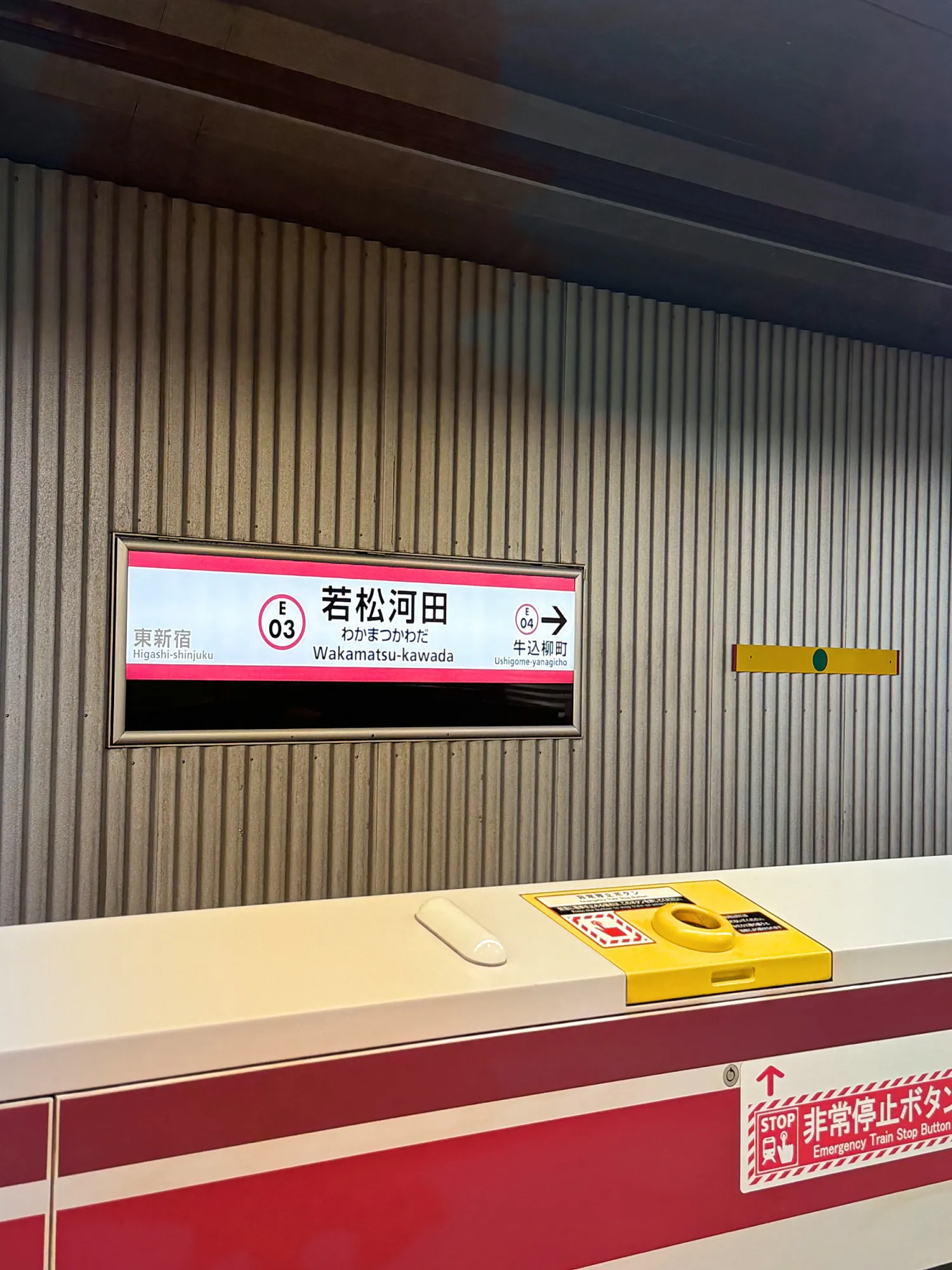
Who it's for: a first month in Tokyo, and anyone who wants a calm home with the big city a walk away.
Skip it if: you want to step out of your door into the nightlife.
Top sights nearby
- The Godzilla head and the neon streets of Kabukicho
- Omoide Yokocho and Golden Gai, two lanes of tiny bars
- Shinjuku Gyoen, a huge garden for a quiet afternoon
- The free observation decks at the Tokyo Metropolitan Government Building
- Hanazono Shrine, right in the middle of the neon
An evening here: we'd walk down into Shinjuku for a burger or sushi and wander the lights. On the way home we'd grab a snack at the 7-Eleven, pass my shrine, and be back on our quiet street.
Price level: $$. The average regular rent near Wakamatsu-Kawada is about ¥90,000 a month.11
Good to know: the walk into central Shinjuku took us 15 to 20 minutes, and it's uphill on the way home. That was fine for a month. Look for a place a few minutes from a station, and skip the middle of Kabukicho. We saw bar touts working the streets there at night, and it's not the calm home base you want.
2. Nakameguro // Where We'd Live Next Time
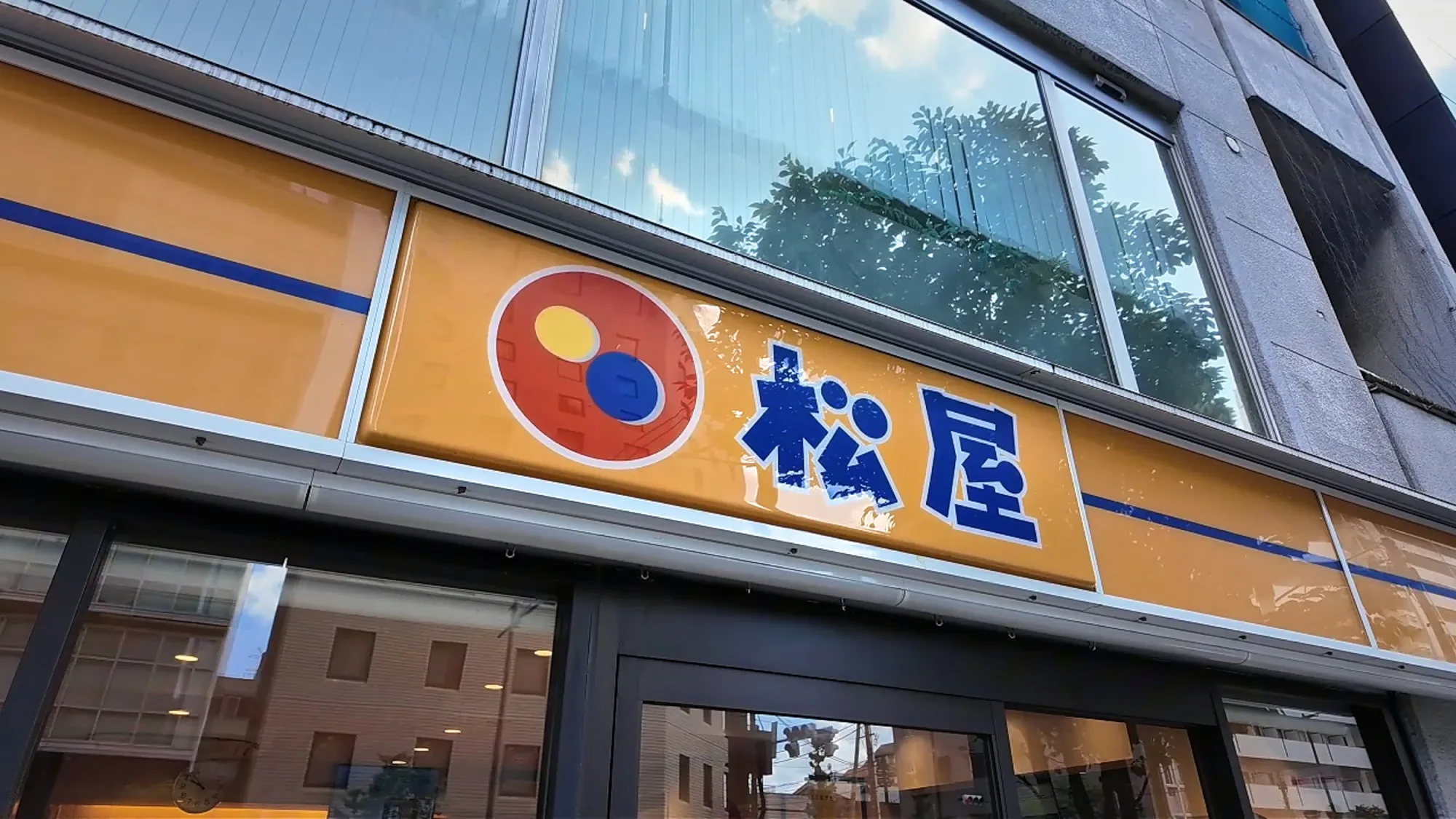
We took the train to Nakameguro to visit the Starbucks Reserve Roastery. We walked from the station, and that's when we realized we really liked the area. We walked along the river, ate gyudon at Matsuya, and looked at all the restaurants we wanted to try. It was cool and not as busy as Shinjuku. Next time, I'd stay here.
Nakameguro is built around the Meguro River. Cherry trees line the water. Cafes, small restaurants, vintage shops, and galleries fill the riverside and the side streets.5 It's smaller and slower than Shinjuku, and Shibuya is close when you want the big city.
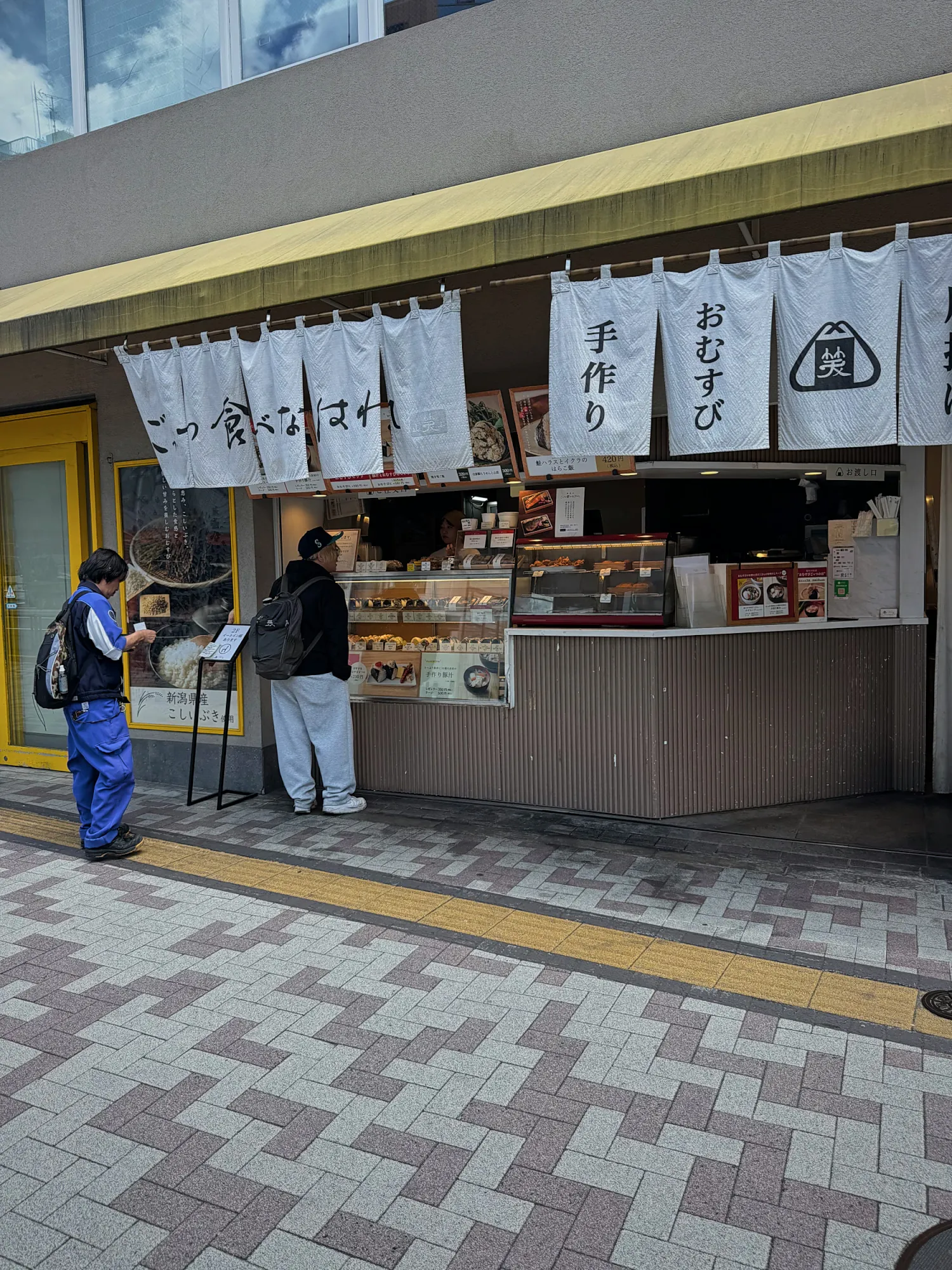
Who it's for: couples, slower travelers, and anyone on a second month in Tokyo who has already done the big sights.
Skip it if: you want big-city energy every night, or a cheaper rent.
Top sights nearby
- The Meguro River walk, lined with cherry trees
- The Starbucks Reserve Roastery, a four-floor coffee and cocktail spot
- Nakameguro Koukashita, the shops and bars under the train tracks, with Tsutaya Books
- Daikanyama, a stylish shopping area next door
- Shibuya, a short train ride away
An evening here: a walk along the river, then dinner at one of the small izakayas or yakitori spots along the water. After that, a drink under the train tracks at Koukashita.
Price level: $$. The average regular rent near Nakameguro Station is about ¥98,000 a month.12
Good to know: in late March and early April, the cherry blossoms bring some of the biggest crowds in Tokyo to the river. If your month falls then, expect people outside your door.
4 More Neighborhoods Worth a Look
3. Ueno and Yanaka // Old Tokyo, Parks, and Museums
Ueno was our second home in Tokyo, because our subway line ran straight there. We loved Ueno Park, and Ameyoko, the market street under the train tracks, is right beside it. These are the things to do in Ueno we kept going back for.
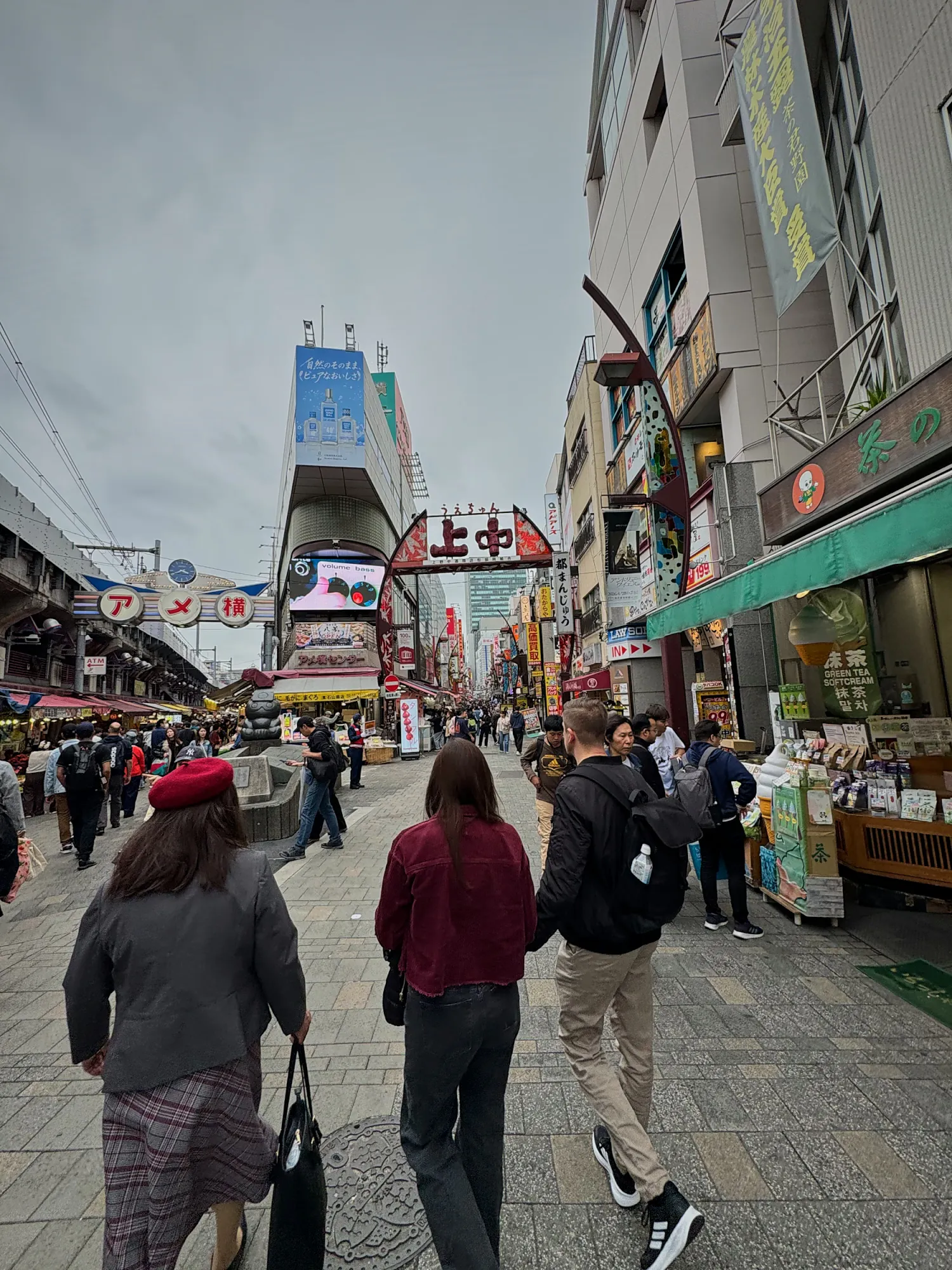
Yanaka, a walk north of Ueno Park, is one of the few areas where Tokyo's old-town feel survives. Its shopping street, Yanaka Ginza, sells everything from groceries to snacks.3 Living here, your daily walk could be through a park, past museums, or down a street that looks decades old.
Who it's for: park lovers, museum fans, and anyone flying in and out of Narita.
Skip it if: most of your plans are in Shinjuku or Shibuya. They're across town.
Top sights nearby
- Ueno Park and its museums, including the Tokyo National Museum
- Ameyoko, the market street under the tracks
- Yanaka Ginza and the old lanes of Yanaka
- Akihabara, for anime and game shopping, a short ride away
An evening here: when we went to Ueno, we'd usually eat at Tenya, a cheap tempura bowl chain. Then a wander down Ameyoko and the subway home.
Price level: $$. The average regular rent near Ueno Station is about ¥88,000 a month.12
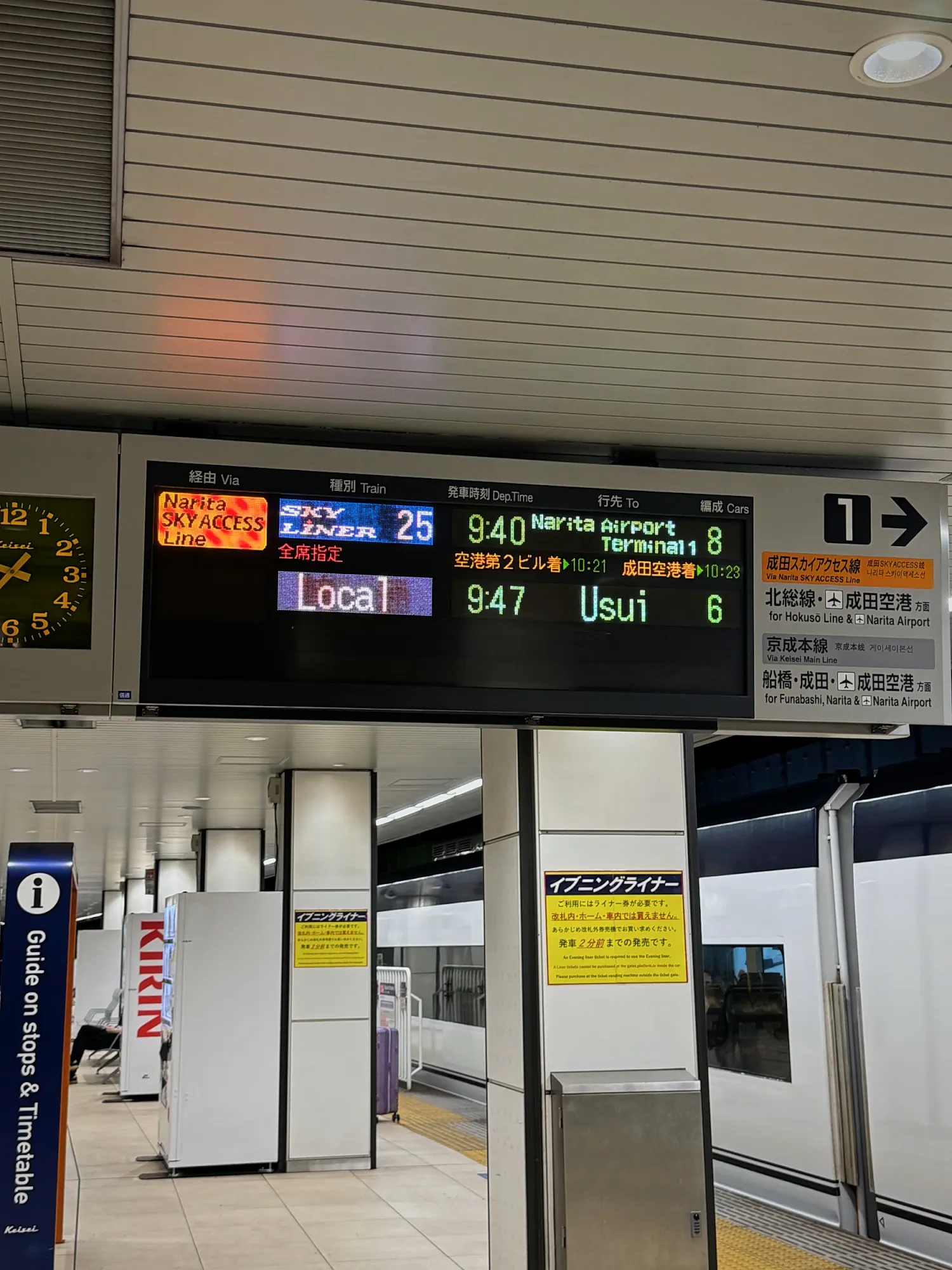
Good to know: Ueno is the easy way to Narita Airport. The Keisei Skyliner runs from Keisei Ueno Station to Narita in as little as 41 minutes.2 We caught it there on our last day, after a near-miss I don't want you to repeat. Here's how to choose between the Skyliner and the Narita Express without the stress.
4. Kuramae // Coffee and Craft Shops Next to Asakusa
Kuramae sits on Tokyo's east side, between Asakusa and Asakusabashi. It used to be full of warehouses. Many have been turned into cafes, stationery shops, and small makers' studios.4 Asakusa, with Senso-ji temple, is next door. It's on the same subway line we used, so Ueno and Shinjuku are a direct ride.
Who it's for: coffee lovers, makers, and anyone who wants a quiet base with old Tokyo next door.
Skip it if: you want nightlife on your doorstep.
Top sights nearby
- Senso-ji temple and Nakamise, the shopping street in front of it, in Asakusa
- The Tokyo Skytree, just across the Sumida River
- Kakimori, a much-loved stationery shop
- The Sumida River walk
An evening here: dinner in Asakusa, then a walk home along the Sumida River with the Skytree across the water.
Price level: $$. The average regular rent near Kuramae Station is about ¥98,000 a month.11
Good to know: Shinjuku is 10 stops away on the Oedo Line, so it's a ride, not a hop.
5. Shibuya // Startups, Coworking, and Nightlife
Shibuya is the young, modern side of Tokyo. It's also the city's startup hub. Shibuya City's own program for international founders, Shibuya Startup Support, ran a pilot for digital nomads in early 2025, with coworking at its Shibuya Bridge space and events.6
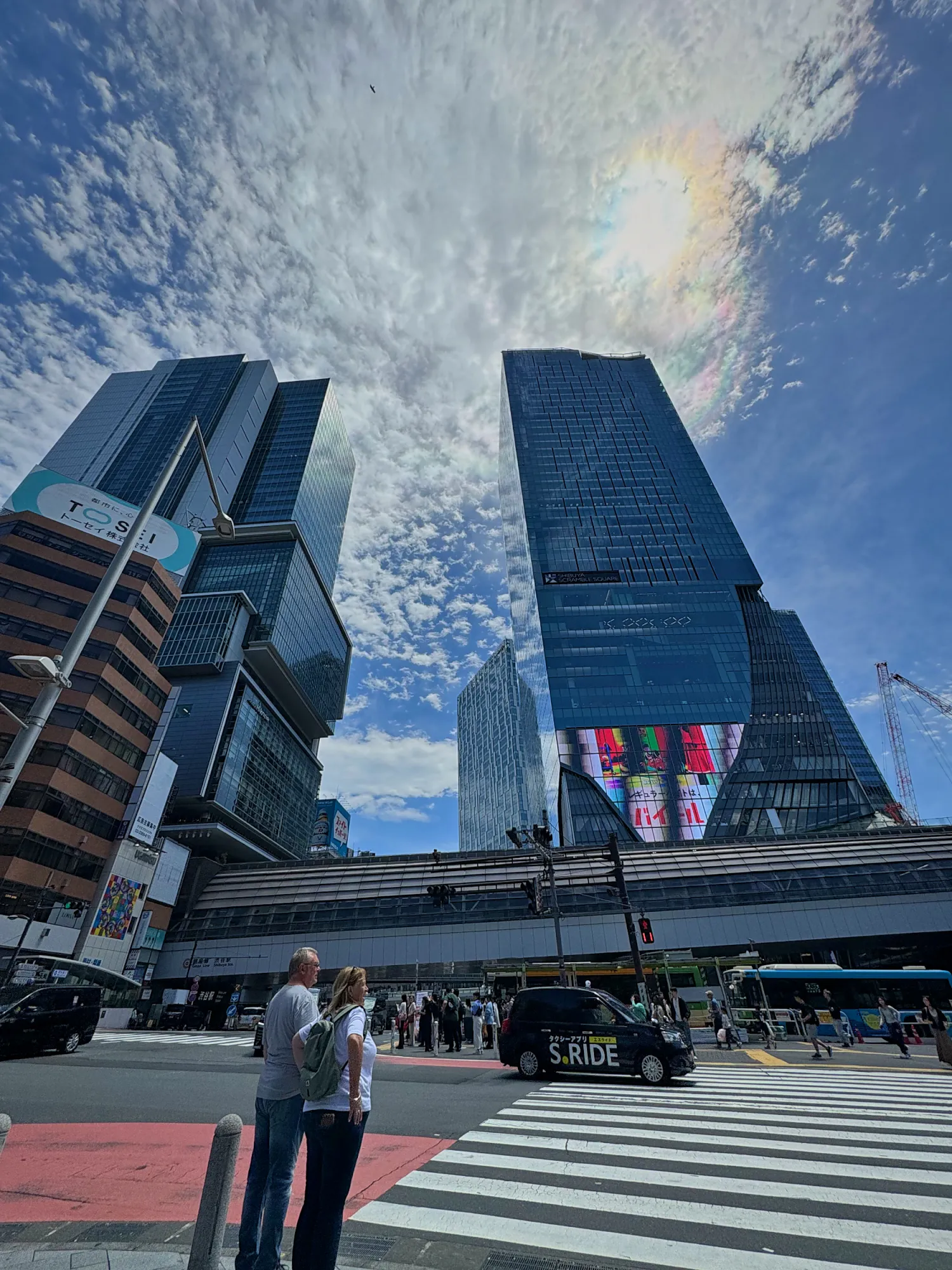
We spent a day there doing the main sights. It felt more crowded, younger, and more office and tourist than Shinjuku, and it wasn't our vibe. But if you want coworking spaces, a startup crowd, and nightlife on your doorstep, Shibuya is the place. Still torn? We researched Shinjuku vs Shibuya hard before we booked, and Shinjuku won on cost and on vibe.
Who it's for: shoppers, night owls, and nomads who want coworking and meetups close by.
Skip it if: you want quiet evenings or a cheaper rent.
Top sights nearby
- Shibuya Crossing and the Hachiko statue
- Shibuya Sky, the open-air rooftop on Shibuya Scramble Square, about 230 meters (755 feet) up15
- Shibuya Parco, home to Nintendo Tokyo and the Pokémon Center
- Miyashita Park, a rooftop park over shops and bars
- Harajuku and Meiji Shrine, about a 20-minute walk
An evening here: watch the crossing light up, eat somewhere in the side streets, and finish with a drink in Miyashita Park or one of the bars nearby. The streets stay busy late.
Price level: $$$. The average regular rent near Shibuya Station is about ¥119,000 a month, the highest on this page.13
Good to know: if you need a desk, .andwork in Shibuya sells day passes for ¥3,300 and is open from 7 AM to midnight.16
6. Koenji and Kichijoji // Cheaper and More Local
If the budget is tight, look west along the JR Chuo Line. These neighborhoods feel more local, and rents are the lowest on this page.
Koenji is known for vintage clothing shops, live music venues, and izakayas, and it's about 15 minutes from Shinjuku.10 Kichijoji is a little farther out. It's built around Inokashira Park, with a big lake and cherry blossoms in spring, and a covered shopping street by the station. Surveys often name it one of Tokyo's most desirable places to live.8
Who it's for: longer stays on a budget, and anyone who wants local life over big sights.
Skip it if: you want to walk to the famous sights.
Top sights nearby
- Koenji's vintage shops and live music houses
- The Koenji Awa Odori dance festival, on the last weekend of August
- Inokashira Park and its lake in Kichijoji
- The Ghibli Museum, just past the park in neighboring Mitaka
An evening here: in Koenji, an izakaya and a live show at a tiny music venue. In Kichijoji, a walk in the park, then dinner in the busy streets around the station.
Price level: $. The average regular rent is about ¥72,000 a month in Koenji and ¥68,000 in Kichijoji.14
Good to know: on weekends, only local trains stop at Koenji, so skip the rapid trains.7
How Much Does Each Neighborhood Cost?
SUUMO, one of Japan's big rental listing sites, publishes an average rent for every station. These figures are for regular long-term leases, which usually ask for key money, deposits, and a guarantor.9 A furnished month costs a lot more. Ours was about $2,000. But the averages are a good guide to which areas are pricey and which aren't. Dollar amounts are rough, at about 160 yen to the dollar.
| Neighborhood | Station | Average rent (yen) | About (USD) |
|---|---|---|---|
| Shibuya | Shibuya | ¥119,000 | $740 |
| Nakameguro | Nakameguro | ¥98,000 | $610 |
| Kuramae | Kuramae | ¥98,000 | $610 |
| Shinjuku (residential side) | Wakamatsu-Kawada | ¥90,000 | $560 |
| Ueno | Ueno | ¥88,000 | $550 |
| Koenji | Koenji | ¥72,000 | $450 |
| Kichijoji | Kichijoji | ¥68,000 | $425 |
Airbnb or a Monthly Apartment?
We booked our month on Airbnb. Japanese Airbnbs are the cleanest and best organized we've stayed in. It was the easy option, but I think we paid on the higher end. If we came back for the full 90 days, I'd hunt for a cheaper rent. A month works differently from a weekend, and these are the tips for a monthly Airbnb in Tokyo we'd give a friend.
The other option is a furnished monthly apartment. These are rented for one month or longer, and come with furniture, appliances, and usually Wi-Fi and utilities up to a limit. Most skip the key money and guarantor that normal Tokyo leases ask for.9 Check the cleaning fee and the utility cap before you sign.
So, Where Should You Live in Tokyo?
You can't go far wrong. Tokyo is safe, and the trains are so good that you'll explore the whole city wherever you live. For a first month, pick a quiet street on Shinjuku's residential side, close to a station. For a second month, or a slower pace, try Nakameguro. Then check the real numbers: here's what a month in Tokyo cost us.
Next Steps for Your Month in Tokyo
- Is it right for remote work? Is Tokyo Good for Digital Nomads?
- Getting around: How to Get Around Tokyo
- The apps you'll use every day: The Best Apps for Tokyo
- Is it safe? Is Tokyo Safe?
Bernie & Cream@bernieandcream
Follow along on Facebook
Bernie & Cream@bernieandcream
Follow along on Threads
Bernie & Cream@bernieandcream
Watch us on TikTok
Bernie & Cream@bernieandcream
Follow along on X
Bernie & Cream@BernieAndCream