By the end of our month in Tokyo, Cream and I were riding the trains all the way out to Tokyo Bay and walking almost everywhere else. From the outside, Tokyo's train map looks impossible. Once you know what to look for, it's one of the easiest big cities in the world to get around.
Heads up: some links in this guide are affiliate links. If you book or buy through them, we may earn a commission at no extra cost to you.
In this guide 7 sections
On our first trip to Japan, we took a lot of long walks we didn't need to take. So when we moved to Shinjuku for a month, I set out to learn how the trains work. Here's everything I learned, for your first time in Tokyo.
How to Get Around Tokyo: My Quick Answer
Take the train, and walk the rest. Tokyo's subway and JR lines go almost everywhere a visitor wants to go, and one Suica card on your phone pays for all of them. Use Apple Maps or Google Maps to find your line, your platform, and, most important, your exit. Tokyo is also very walkable and safe at night. Save taxis for rain and heavy bags.
Getting Around Tokyo at a Glance
- Best way around
- The train (subway and JR)
- How to pay
- Suica in Apple Wallet, tapped at the gates
- A short subway ride
- 220 yen for 6 stops (2026)
- Our month of trains
- About $120 for two, airport trips included
- Walkable?
- Yes, day and night, but expect hills and stairs
- Avoid
- Weekday rush hour if you can
💡 Get online before you land: Maps, Suica top-ups, and train times all need data from the minute you arrive. We've used our phones to figure out the train out of the airport every time we've landed in Japan. New to Airalo? Get 15% off your first Airalo eSIM.
The Train: The Best Way to Get Around Tokyo
Tokyo public transport is the train. The city has 13 subway lines, nine run by Tokyo Metro and four by Toei,1 plus JR lines on top of those. You don't need to care who runs which line. One Suica card works on all of them.
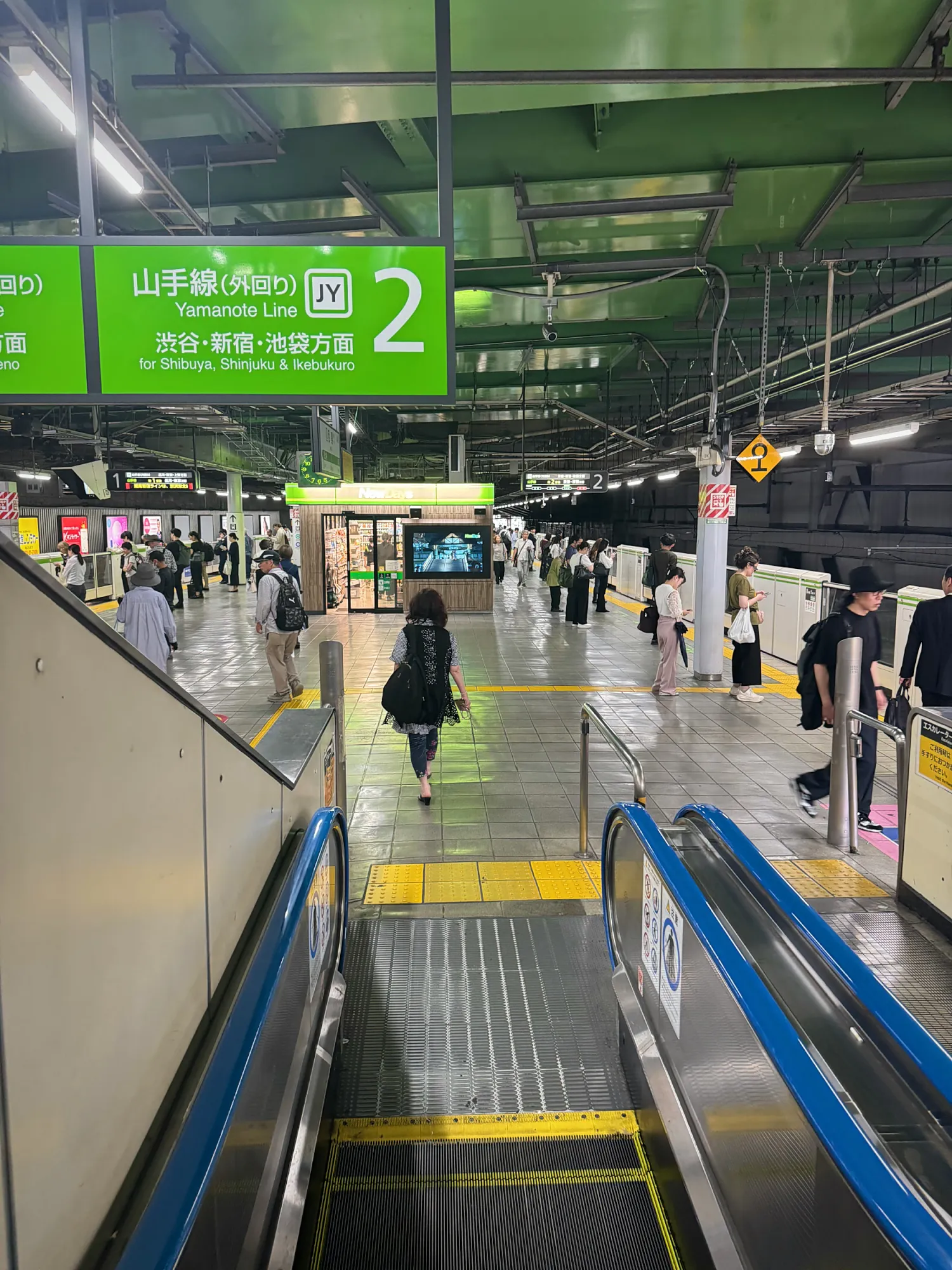
We took the train a lot. Our apartment was near Wakamatsu-Kawada Station on the Toei Oedo line, which took us straight to Ueno, and from there we went everywhere: Shibuya, Akihabara, Ikebukuro, Ginza, Nakameguro for the Starbucks Reserve Roastery, and out to the Tokyo Bay area.
The thing that made it easy was Apple Maps. Type in where you're going, pick public transit, and it shows the exact fare, which line and platform to take, and which exit to use when you arrive. Knowing the fare ahead of time also tells you whether you need to top up first.

 Bernie & Cream@bernieandcream
Follow along on Instagram
Bernie & Cream@bernieandcream
Follow along on Threads
Bernie & Cream@bernieandcream
Watch us on TikTok
Bernie & Cream@bernieandcream
Follow along on X
Bernie & Cream@BernieAndCream


How to Pay: Suica on Your Phone
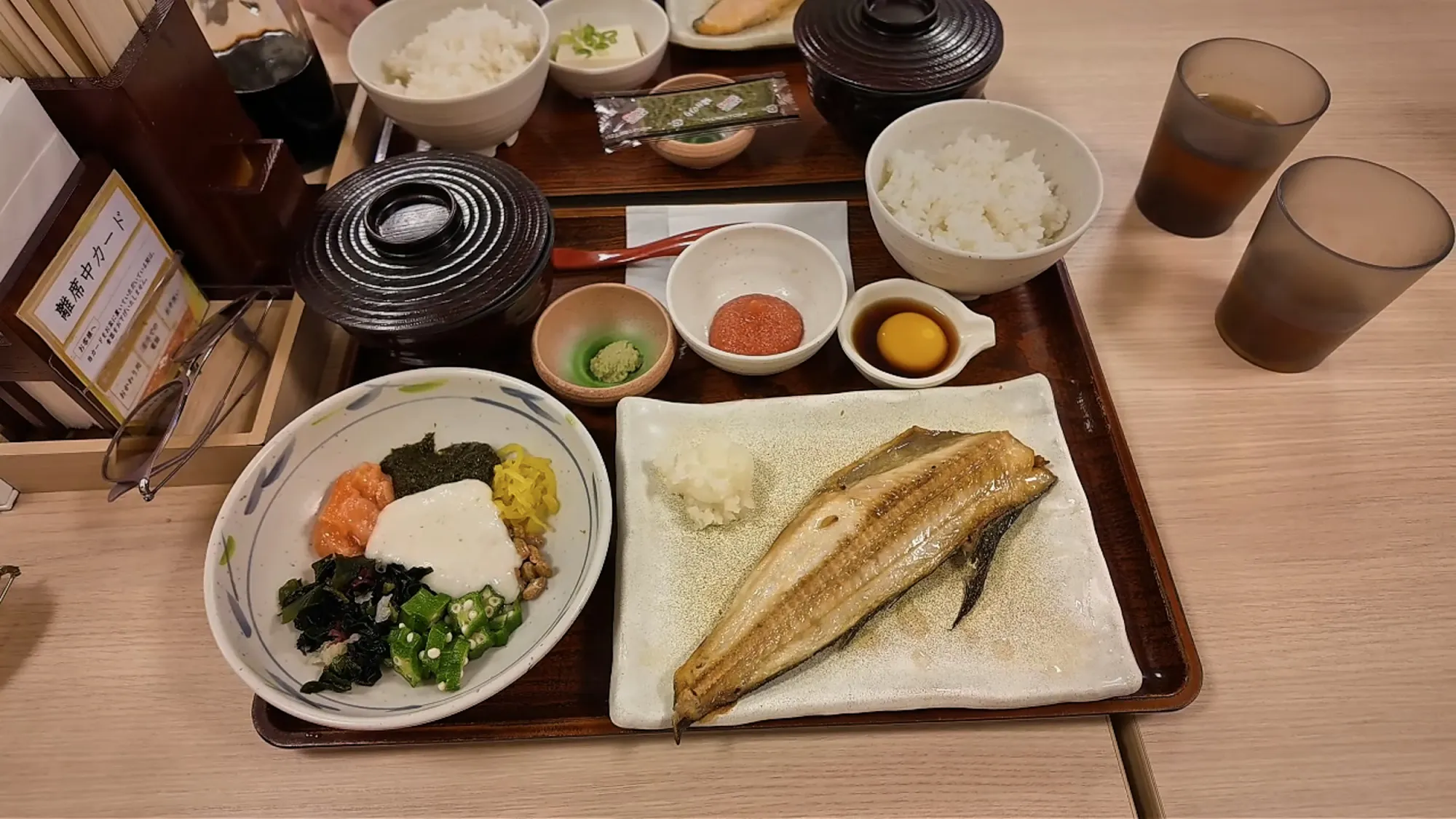
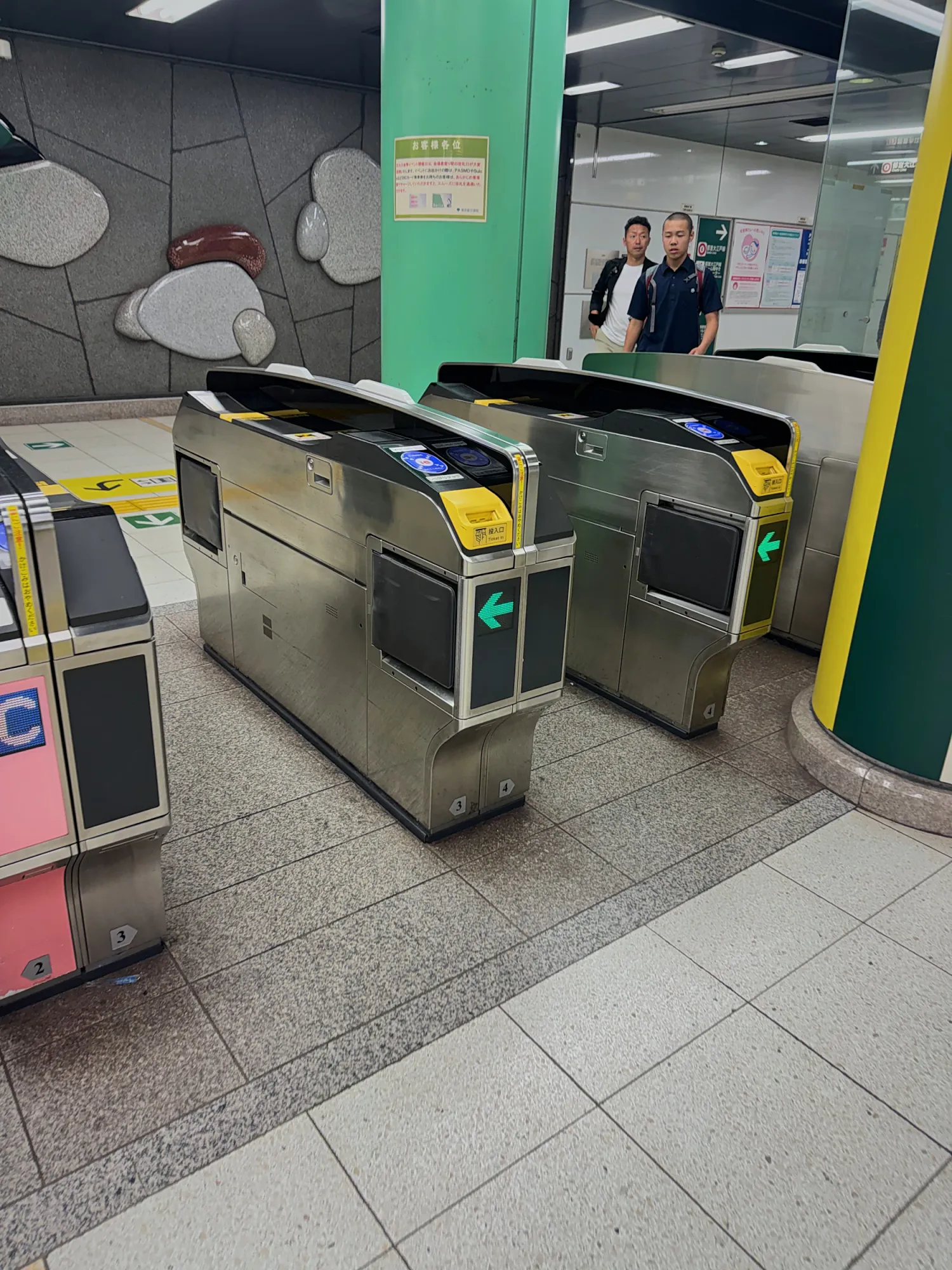
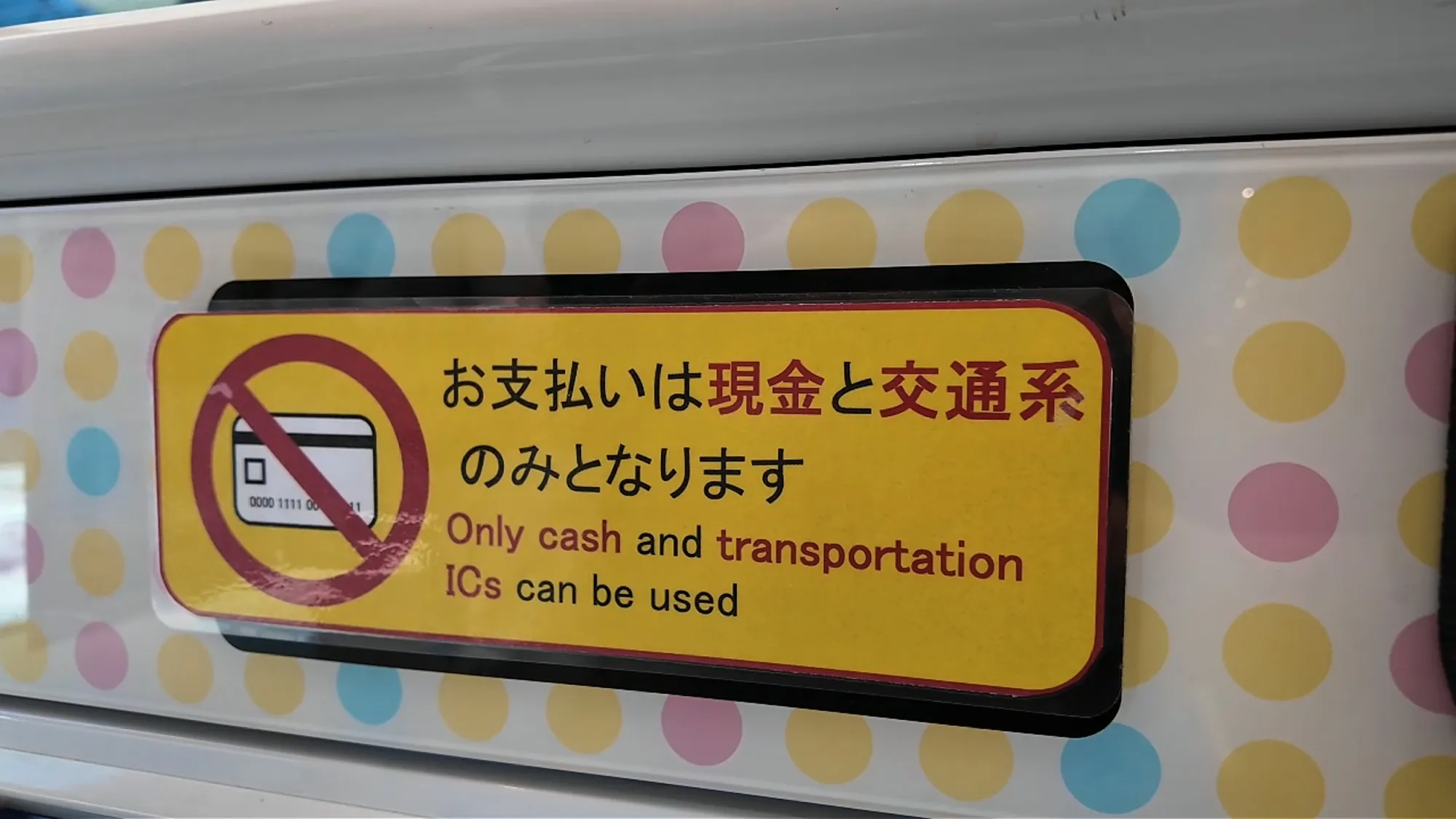
The easiest way to pay is a Suica card in Apple Wallet. You tap your phone on the gate going in and coming out, and the fare comes off your balance. Suica on your phone works on the trains, on buses, and at a lot of shops and food kiosks too.2 Some ramen and rice-bowl kiosks we used took only cash or a transit card.
Topping it up is where it gets tricky. Of all our cards, only our Capital One Savor worked for adding money to Suica in Apple Wallet. Cards issued outside Japan can be hit or miss, Visa especially, so try a top-up before you fly and have a backup card.
If your phone won't cooperate, JR East's Welcome Suica Mobile app was made for visitors. It works on iPhone, takes foreign cards through Apple Pay, and lasts 180 days.3
Follow the Letters and Numbers, Not the Japanese
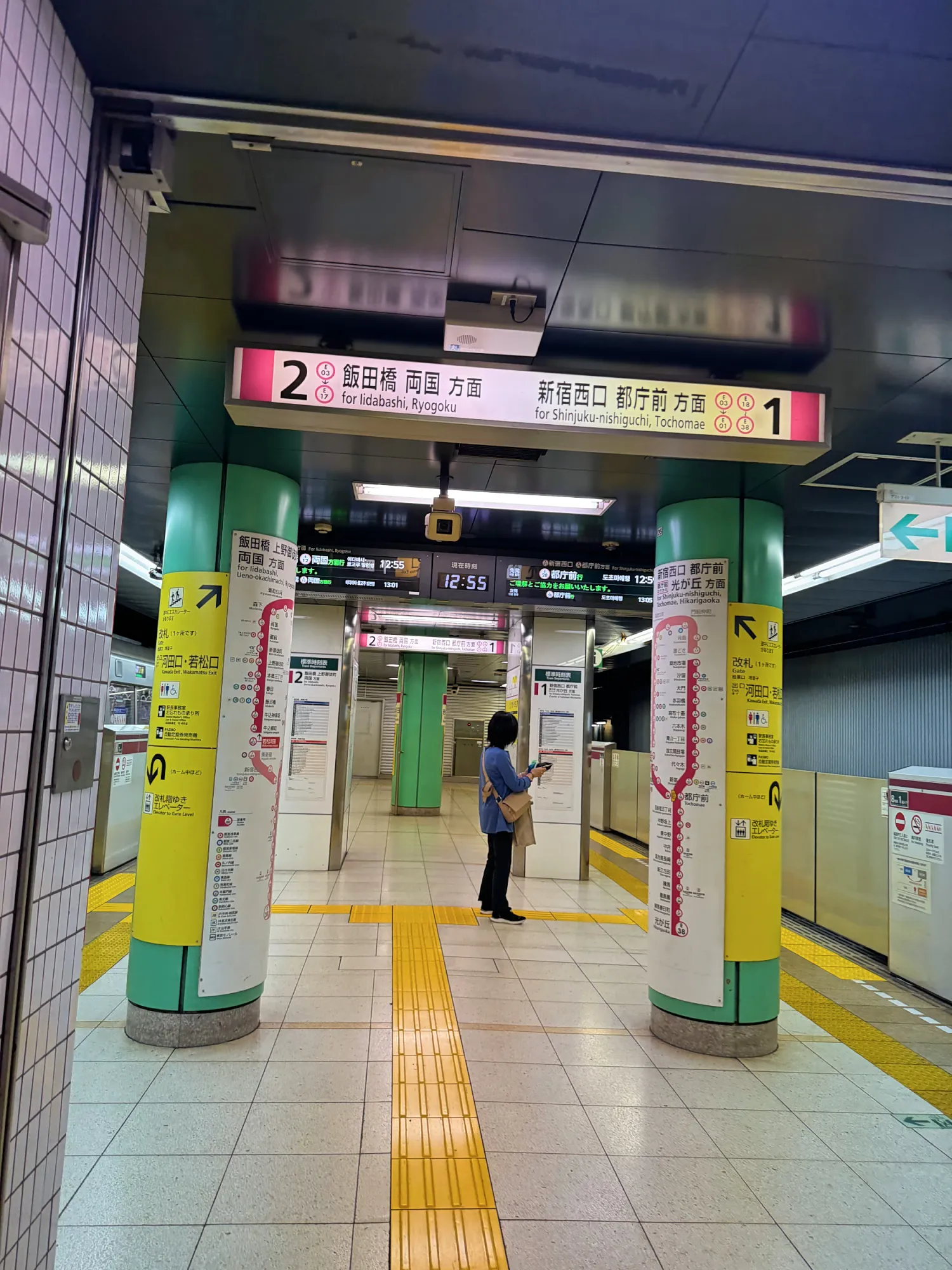
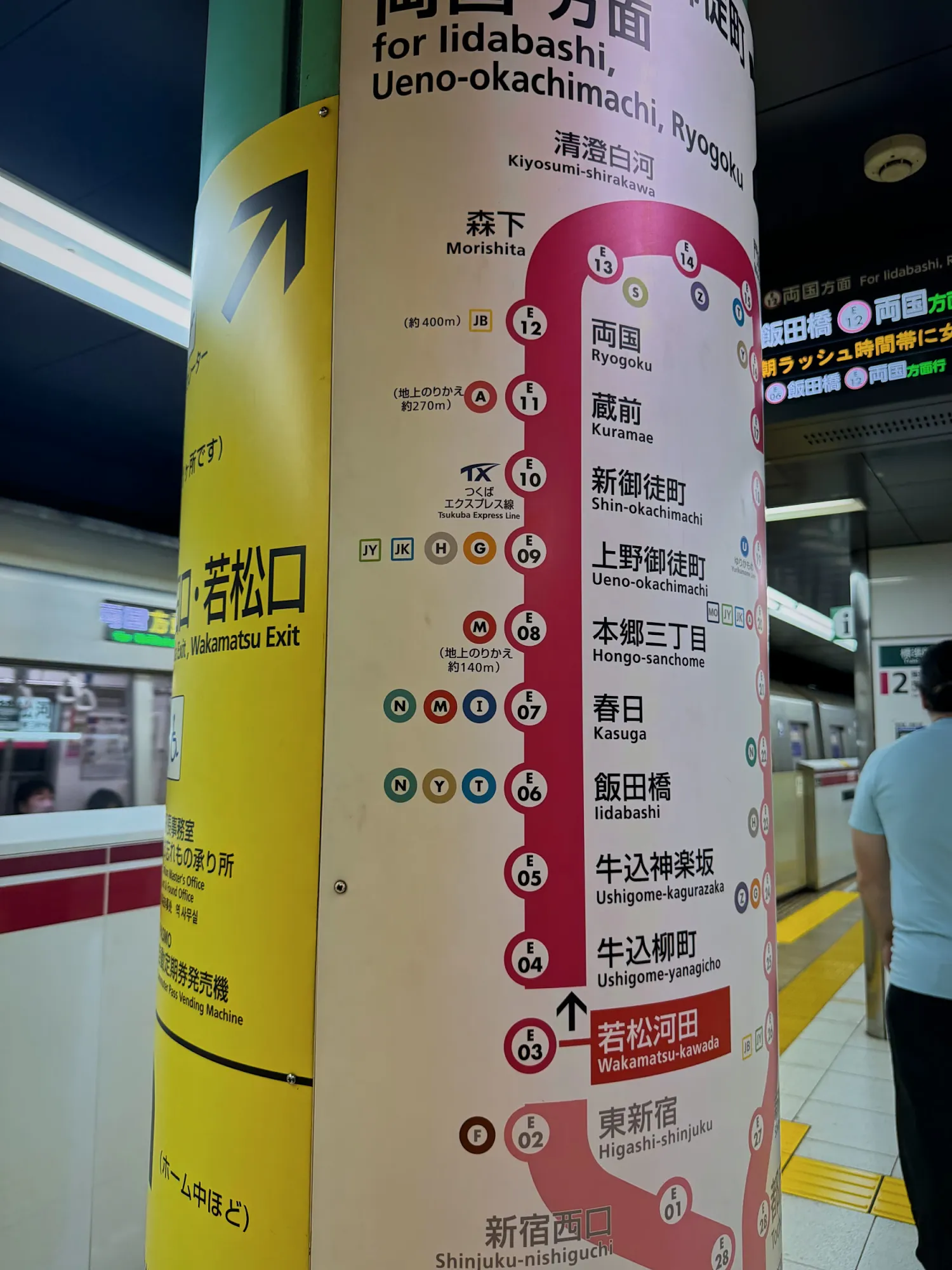
Every subway station in Tokyo has a code: a letter for the line and a number for the station. Our home station, Wakamatsu-Kawada, is E03 on the Oedo line, and Ueno-okachimachi is E09. That's all you need to know. Ignore the Japanese characters. Pretend they don't exist, because they'll only confuse you. This is how you get around Tokyo without speaking Japanese, and the train announcements tell you the next stop in English too.
Find your platform, check that the numbers on the sign go the way you're going (our platform ran E03 up to higher numbers), and watch the station numbers out the window at each stop. If you get on going the wrong way, it's not a big deal. Get off, cross to the other side, and ride back. We did that a lot.
Pick Your Exit Before You Get Off
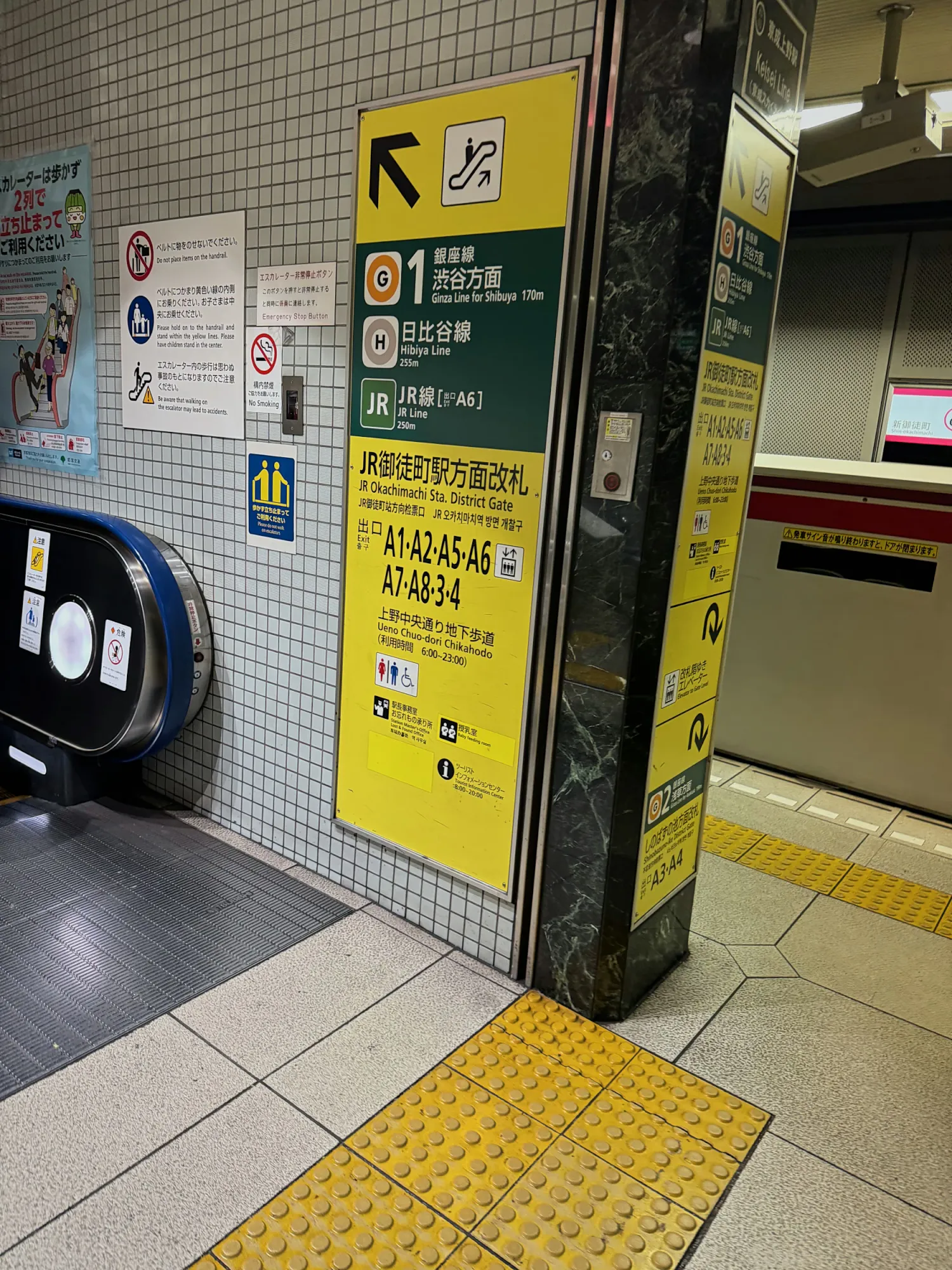
Tokyo stations have a lot of exits, and picking the right one matters as much as picking the right train.
Apple Maps tells you which exit to take. When we arrived at Ueno-okachimachi, it said to follow the signs for exit A5. The exit numbers are on yellow signs all over the station, so follow those once you're off the train. The giant stations are the exception. Shinjuku Station can be hard to leave, and sometimes we just picked an exit and figured it out from the street.
How to Ride Like a Local
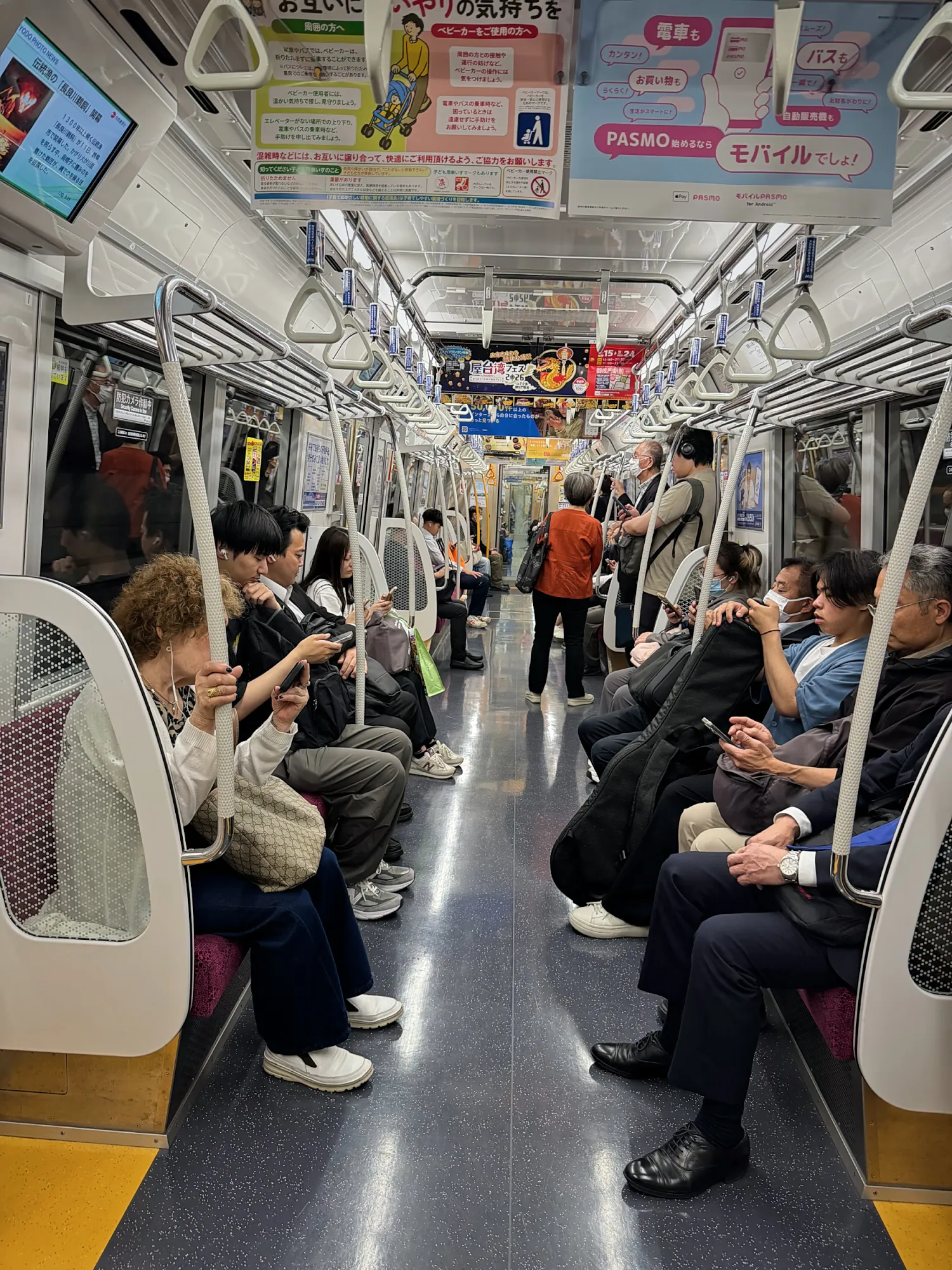
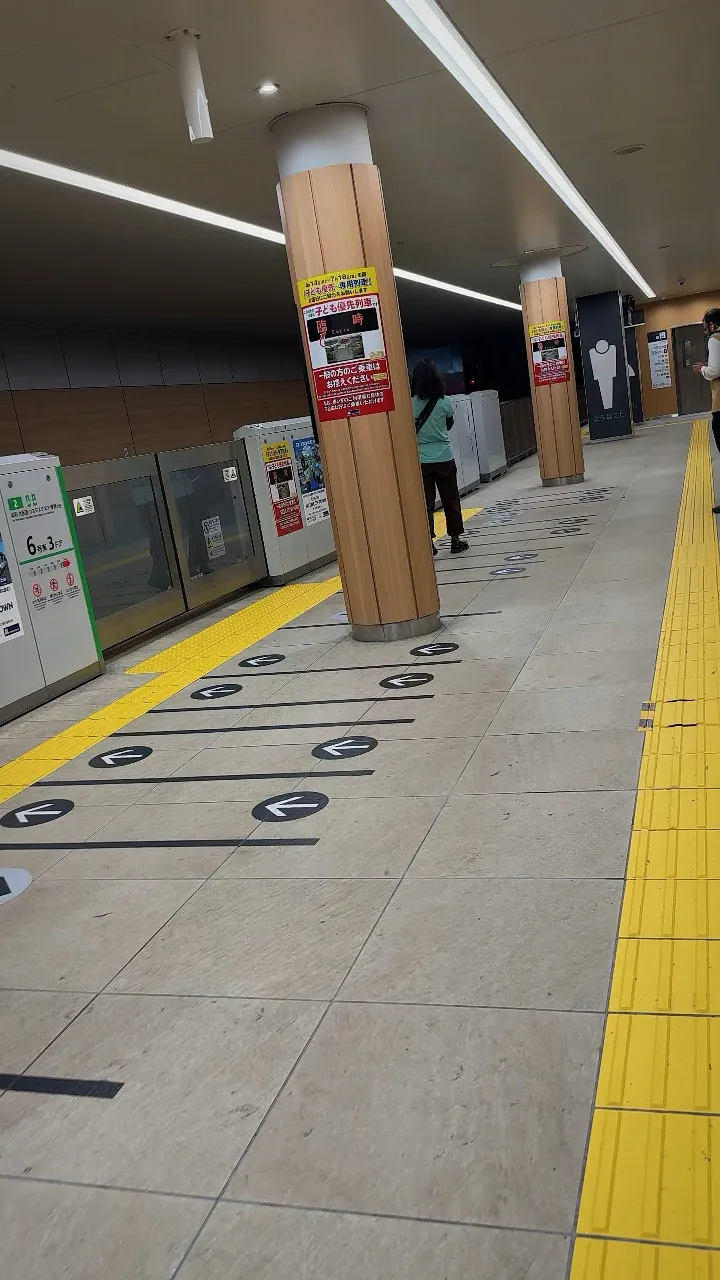
Tokyo trains are quiet: no phone calls, no music, and no eating or drinking on board. When you board, line up beside the markings on the floor, leave the middle clear, let everyone off, and then get on.
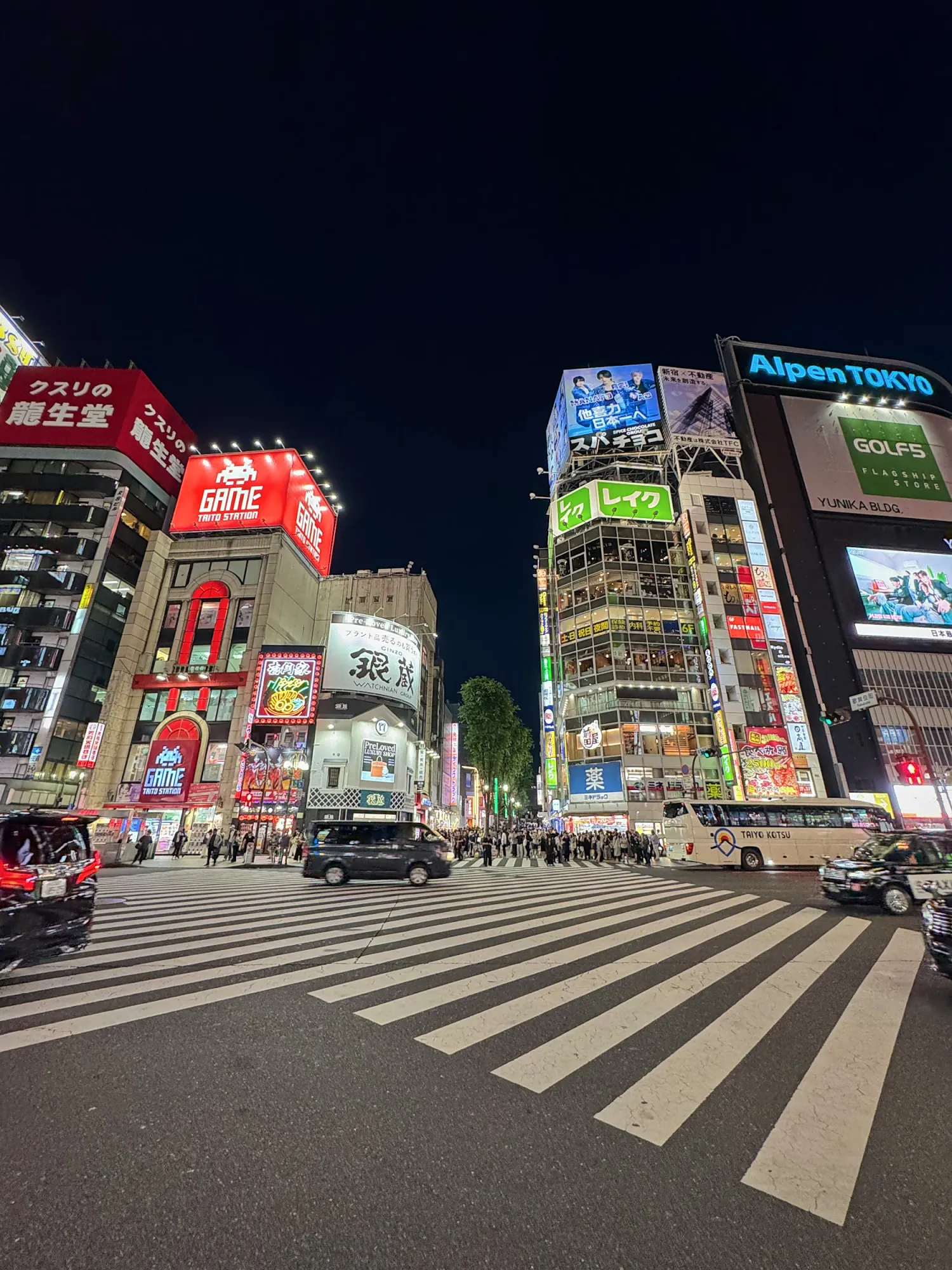
Rush hour is the one time I'd avoid the train if you can. We rode at rush hour, and it was busy. It's not the packed-in, people-being-pushed scene you see in videos, but it's not fun. Shibuya was busy any time we went.
Be Ready for Stairs
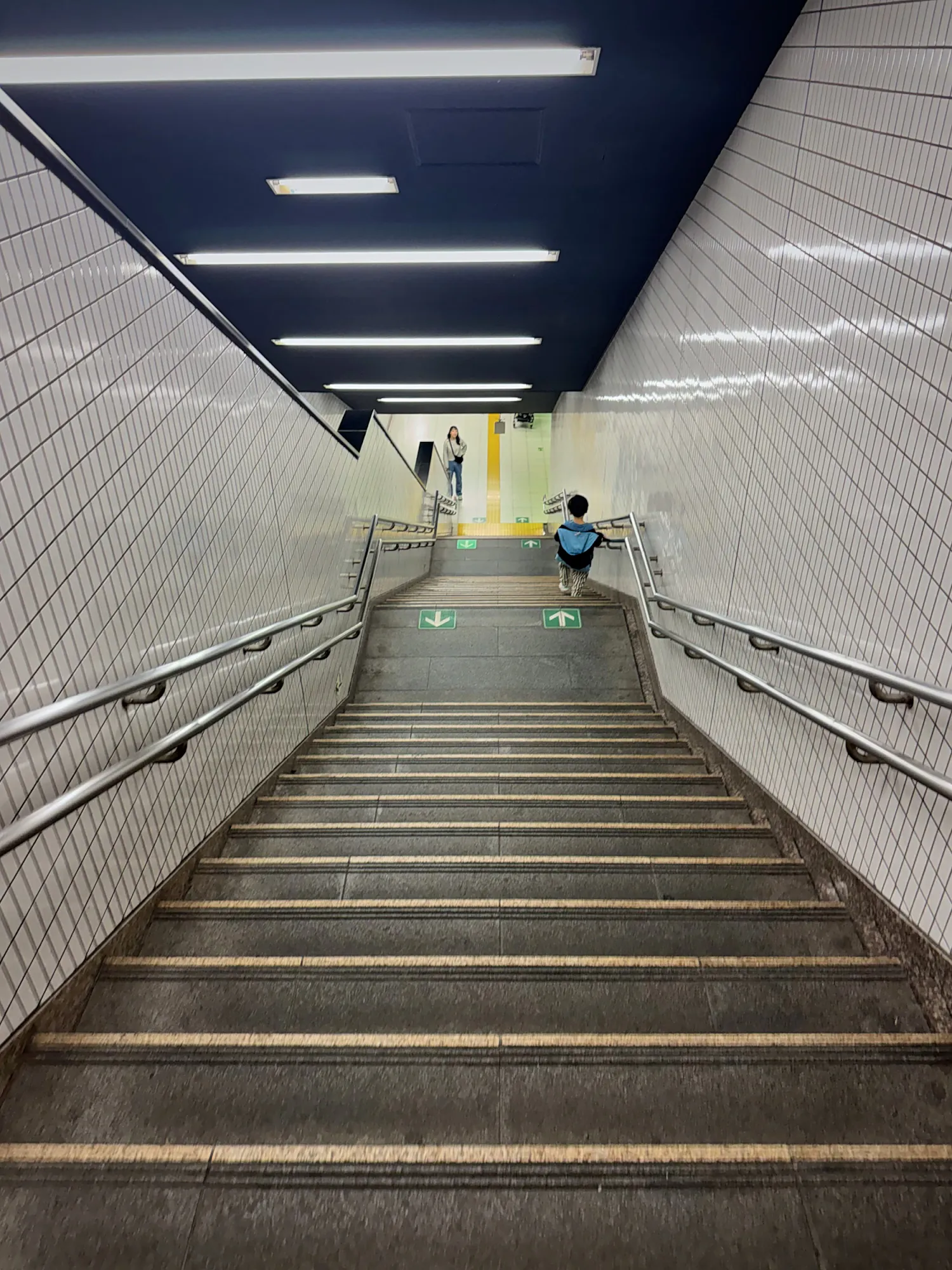
Plenty of stations have no elevator to the platform, so we took a lot of stairs. With a suitcase, that's a workout. If you can't do stairs or you're moving with big luggage, look up a step-free route before you go.
Is a Tokyo Subway Pass Worth It?
We just used Suica and paid as we went. Short rides are cheap: our six stops from E03 to E09 cost 220 yen (about $1.40). For the two of us, a month of riding the train almost every day, trips to and from the airport included, came to about $120.
If you're only in Tokyo for a few days and plan to ride the subway a lot, the Tokyo Subway Ticket gives you unlimited rides on all Tokyo Metro and Toei lines for 24, 48, or 72 hours, at 1,000, 1,500, or 2,000 yen.4 It doesn't cover JR lines, so check where you're going first.
One more thing to plan around: most trains stop around midnight and start again around 5 AM. We never missed the last train, but check its time in your map app before a late night out.
Is Tokyo Walkable?
Yes, Tokyo is very walkable. We walked from our apartment to central Shinjuku all the time. It took about 15 to 20 minutes, and it was a nice walk. You start getting the city feel early, so it's a fun one.
The hardest part was the hills. Going into Shinjuku was downhill, which meant coming home was uphill, and that was tough at the end of a long day. We'd pass a 7-Eleven on the way back and grab a snack, and every day we'd pass the little shrine I loved.
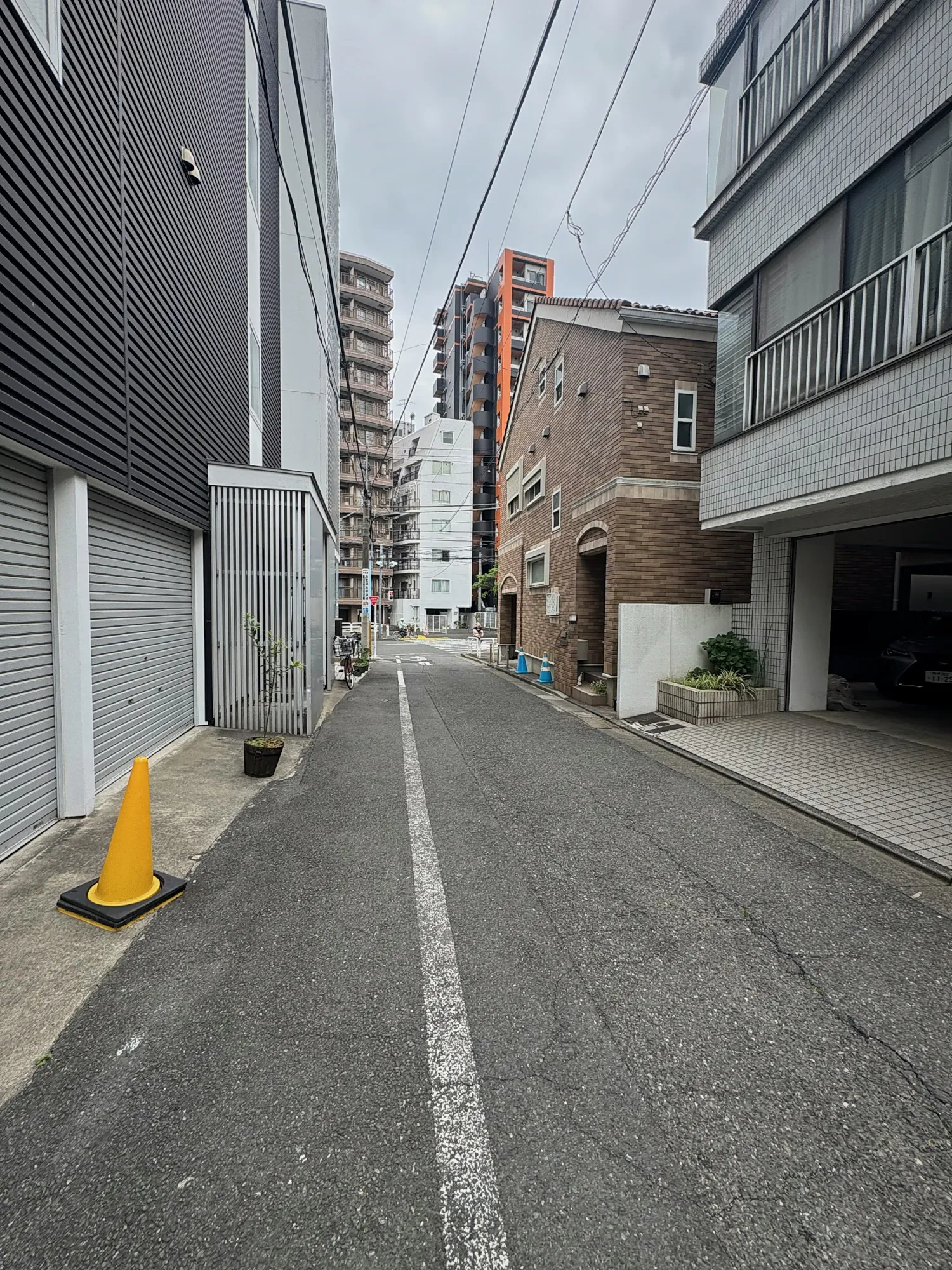
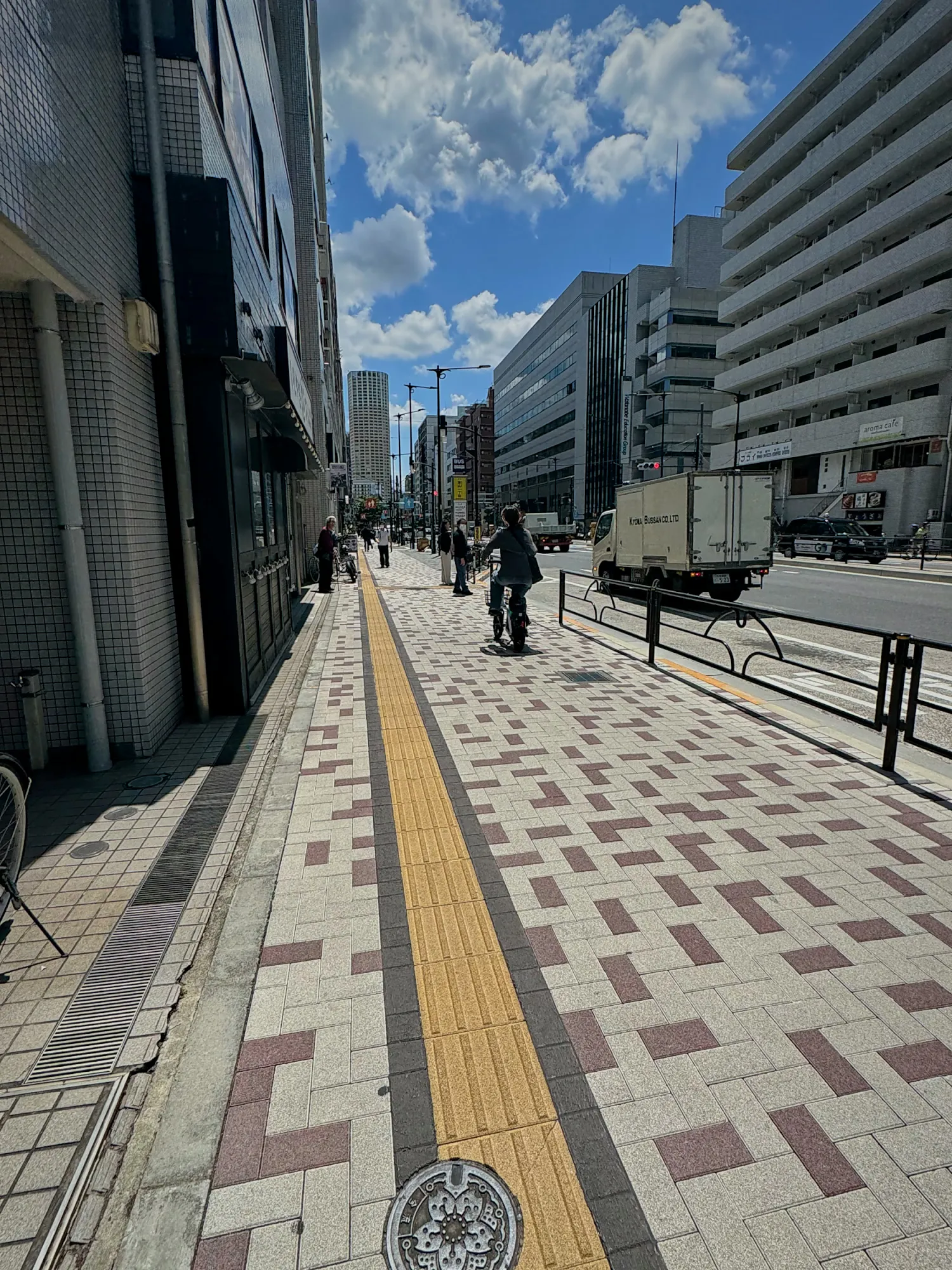
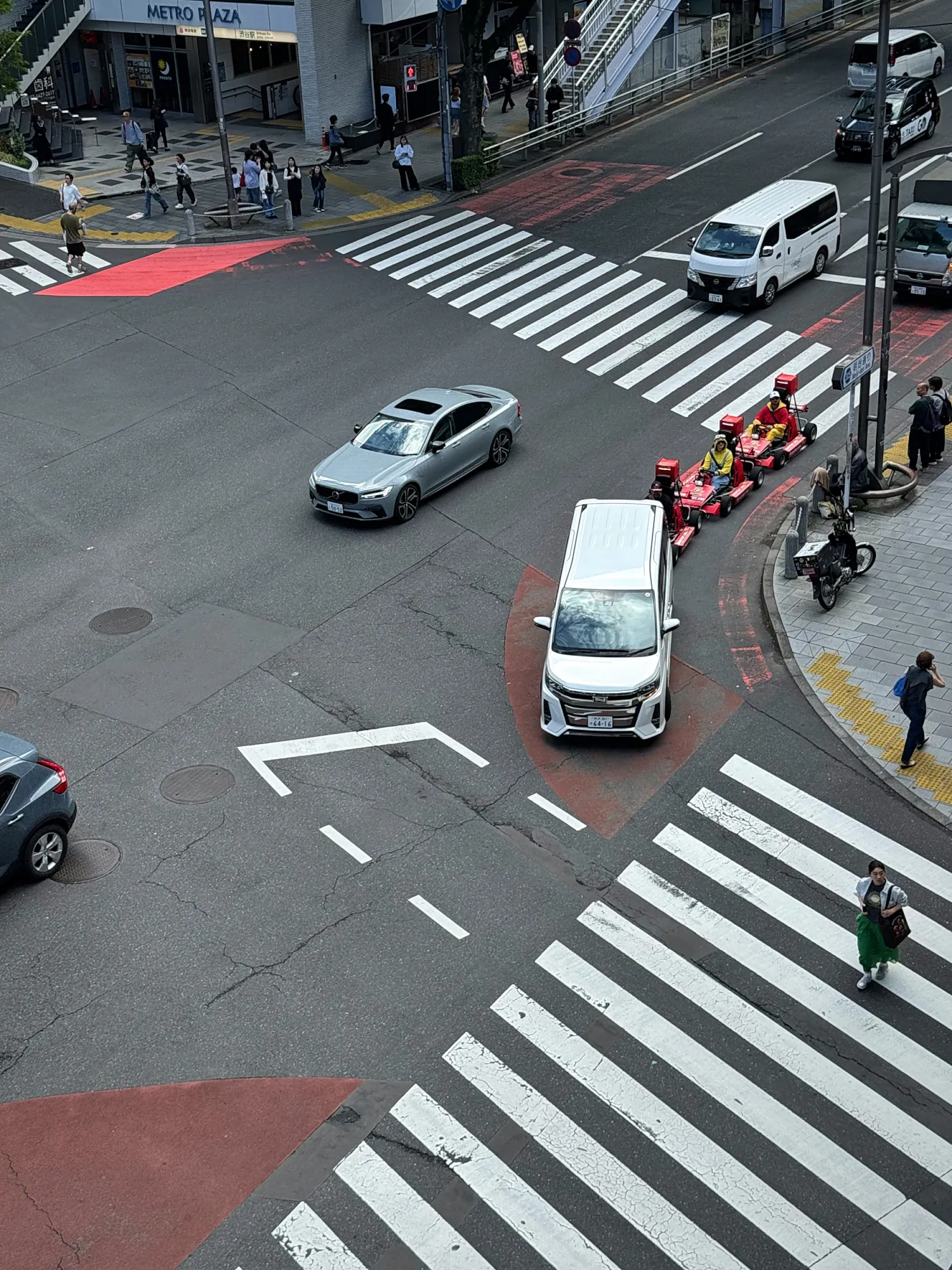
The sidewalks are wide, and the crosswalks have signals. You'll wait for the light at a lot of them, but that never bothered us. Two habits to pick up: walk on the left, and stand on the left on escalators, or you'll stand out.
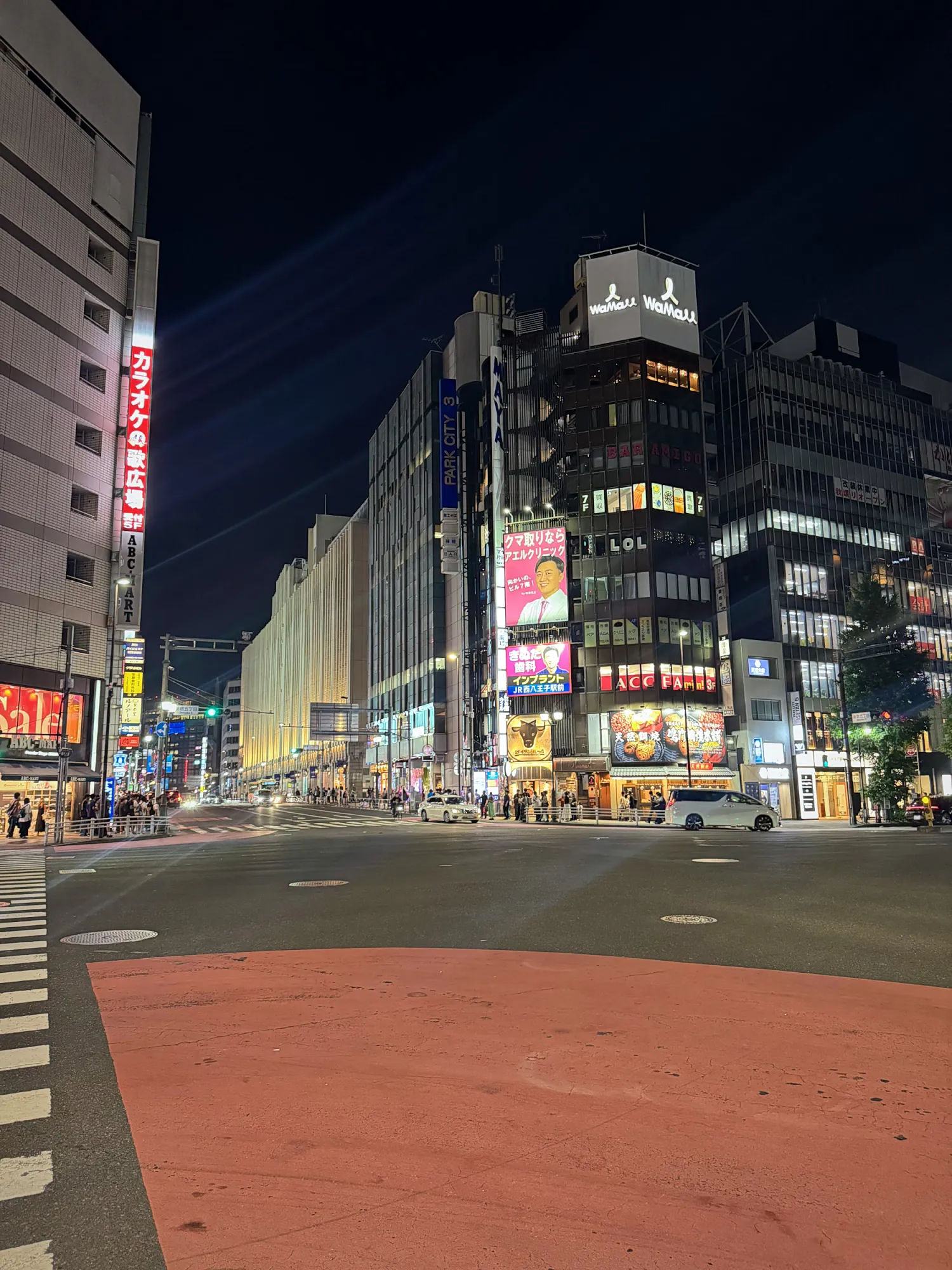
We walked at night too, and it felt completely safe. Japan is the safest country we've been to, even after dark. If you're nervous about late walks home, is Tokyo safe covers the few things we'd still watch for.
The one downside of walking around Tokyo is that there's almost nowhere to sit in public. Plan your breaks around a cafe or a meal, not a bench.
Taxis in Tokyo
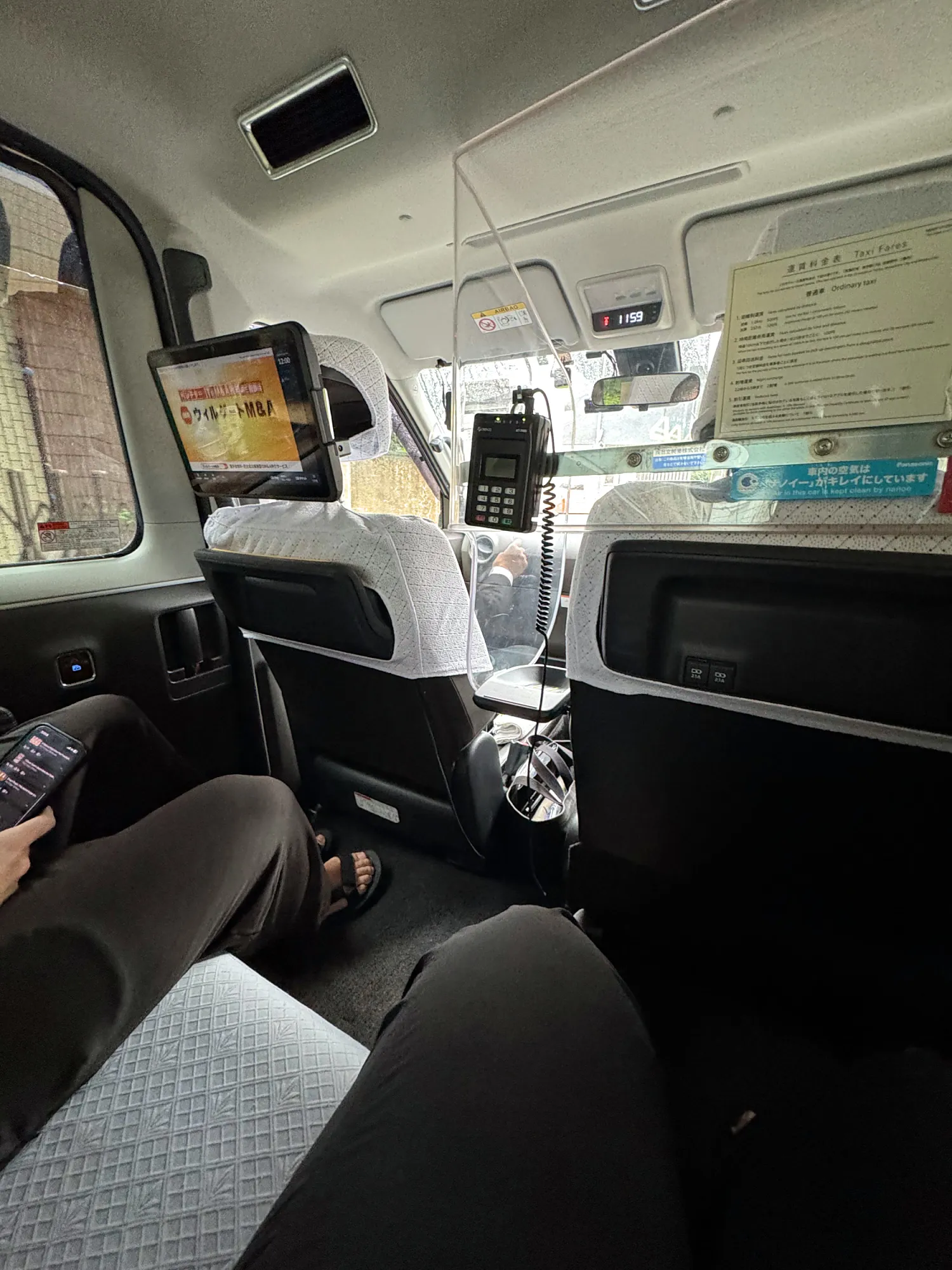
We took a taxi once. We had a reservation at Sushiro, it started to rain, and we didn't want to walk there soaked. I booked it with Uber, which in Japan sends you a licensed taxi. I like doing it that way because I don't have to worry about paying when I get there. Japan's most popular local taxi app is GO, which also works in English.
The taxis are something else. They're roomy, and the back door opens and closes for you, so don't try to do it yourself. I wouldn't worry about taxi scams in Japan either. There's no tipping in Japan, and that includes taxis.
They cost a lot more than the train, though. Since late April 2026, the meter in central Tokyo starts at 500 yen for the first kilometer and adds 100 yen every 232 meters,5 with 20% more late at night.6 Use a taxi for rain, heavy bags, or after the last train.
Getting From the Airport
The airport is the one ride to plan ahead. We came in from Narita on Keisei's regular train, tapping in with Suica and standing the whole way with our bags. On the way out we tried the same cheap train, realized at Keisei Ueno that it would make us miss our flight, and bought Skyliner tickets with minutes to spare. Decide which train you're taking to the airport before your last day.
Where to Stay to Make Getting Around Easy
The easiest Tokyo trip is one where you stay near a station. You honestly can't go wrong with where you stay, because the whole city is so well connected. We were all over town in Tokyo, much more than in cities like Bangkok, where getting around was harder.
We stayed in a quiet part of Shinjuku and loved it, and staying in Shinjuku is what that month was like. If you want the same base, compare hotels near Shinjuku's stations for your dates.
What We'd Tell a Friend
Tokyo is one of the easiest big cities in the world to get around, once you know what to look for. Put Suica on your phone, follow the station numbers, check your exit before you get off, and walk the rest. If you've never used public transit, it can feel hard at first. Follow a guide for your first ride, and after that it all makes sense.
Next Steps for Your Tokyo Trip
Bernie & Cream@bernieandcream
Follow along on Instagram
Bernie & Cream@bernieandcream
Follow along on Threads
Bernie & Cream@bernieandcream
Watch us on TikTok
Bernie & Cream@bernieandcream
Follow along on X
Bernie & Cream@BernieAndCream