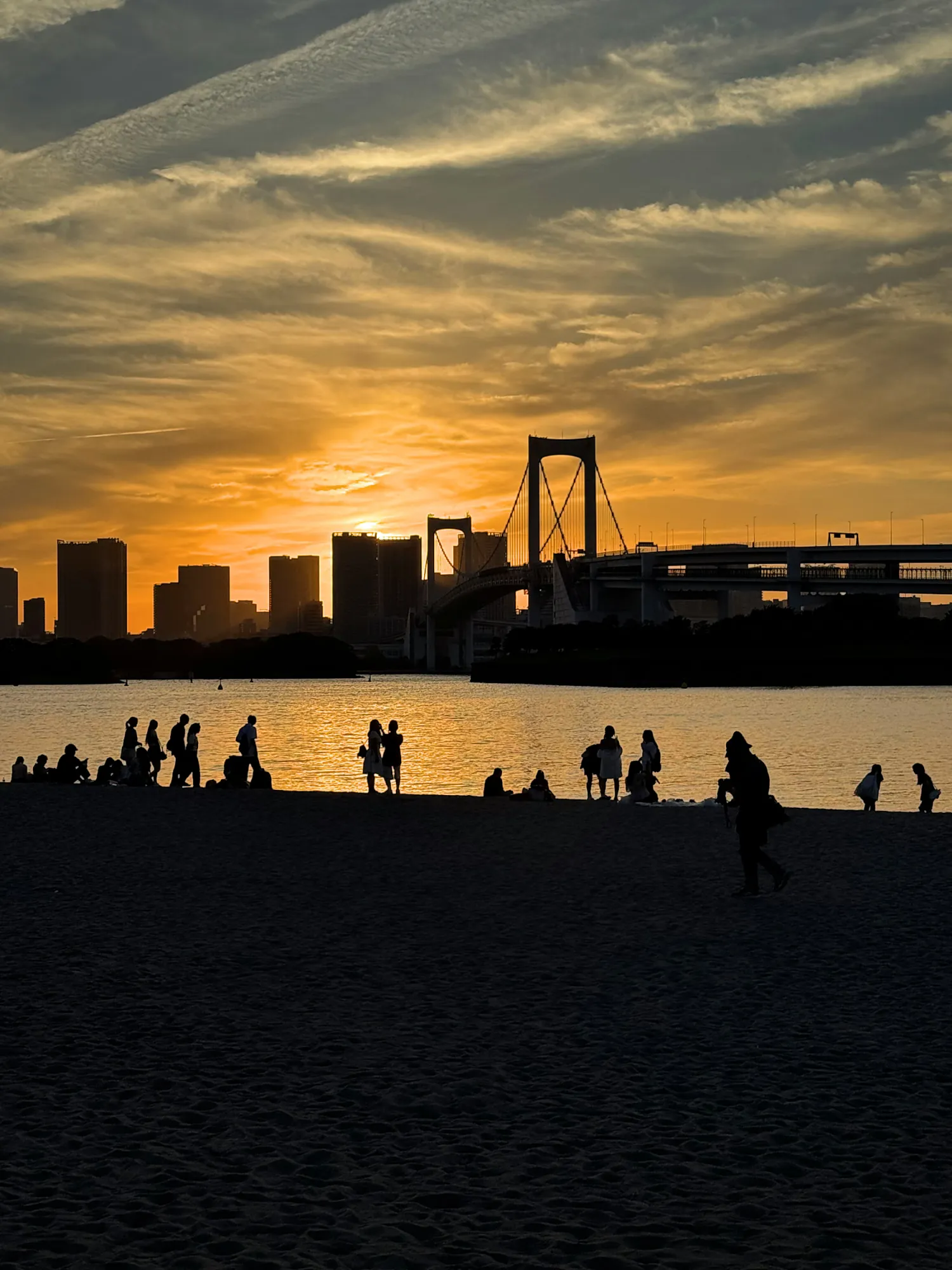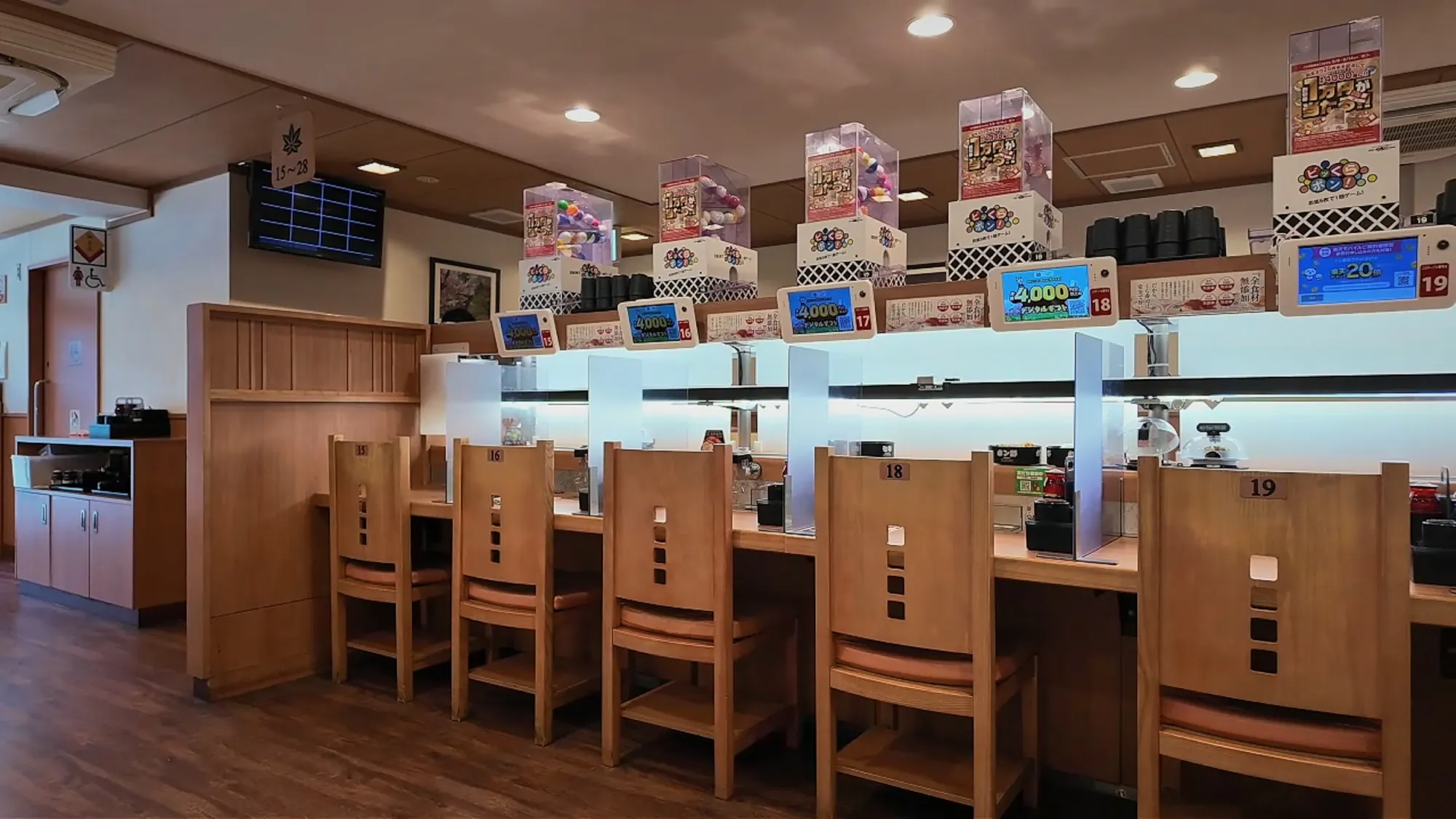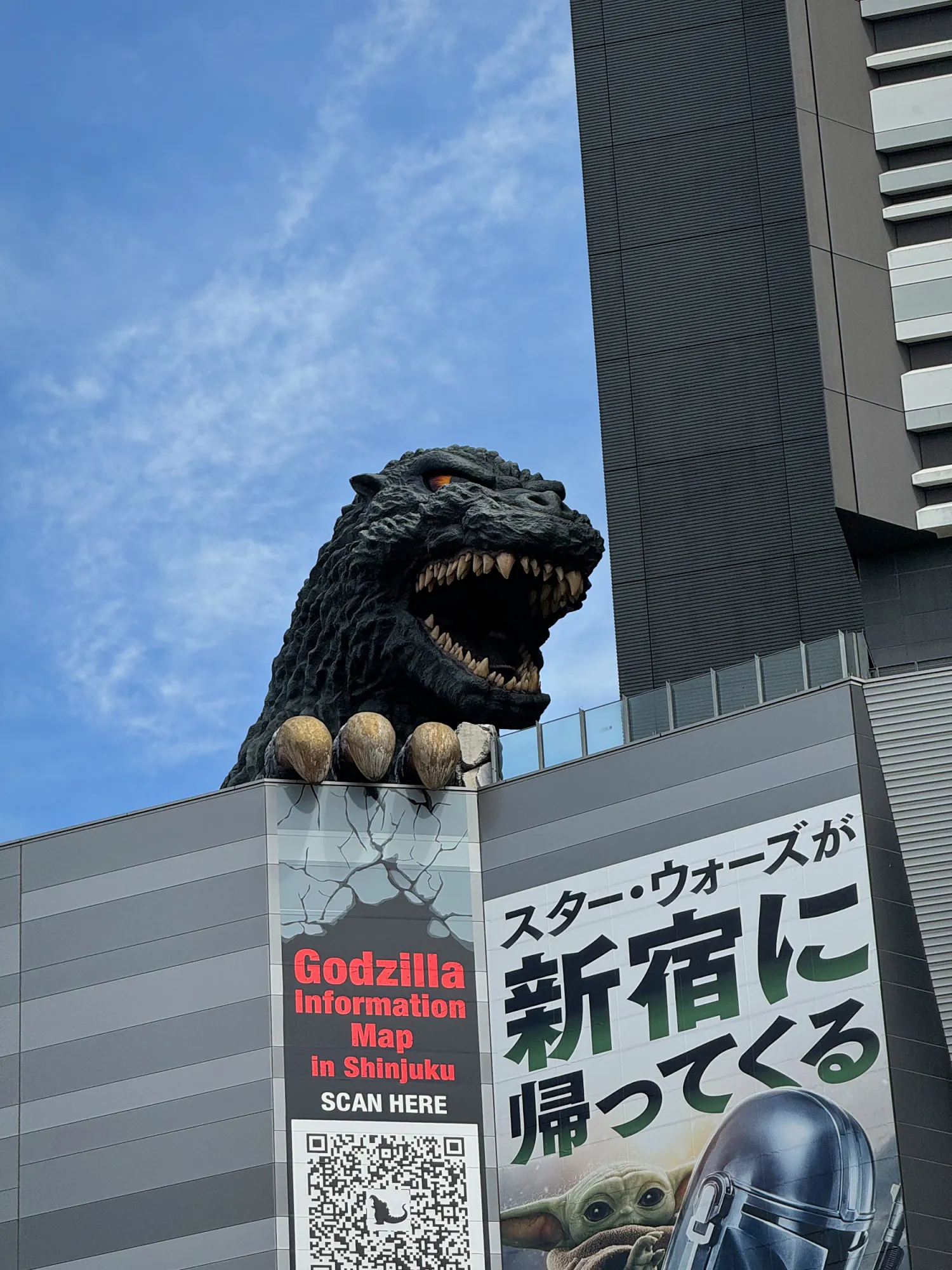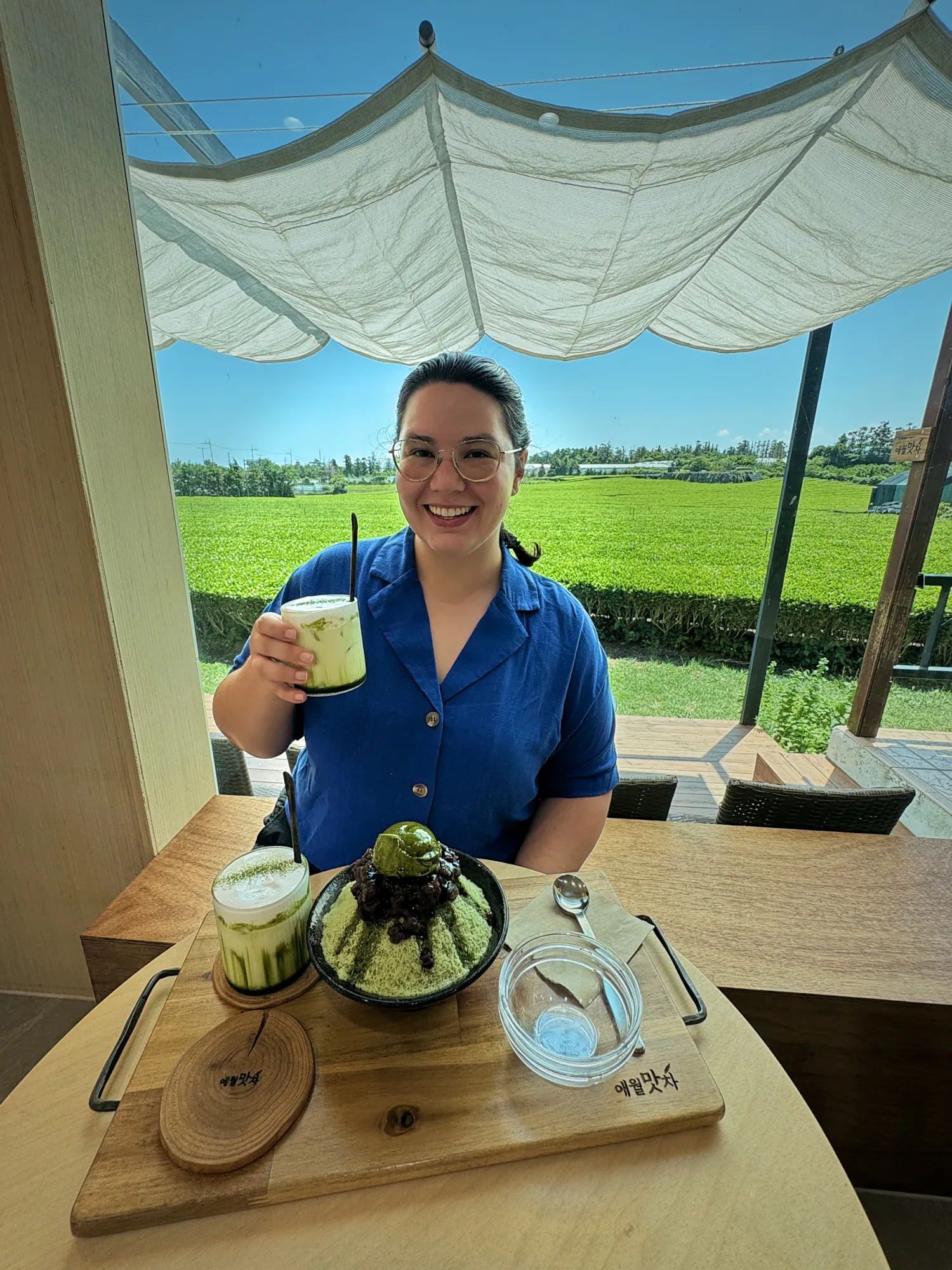
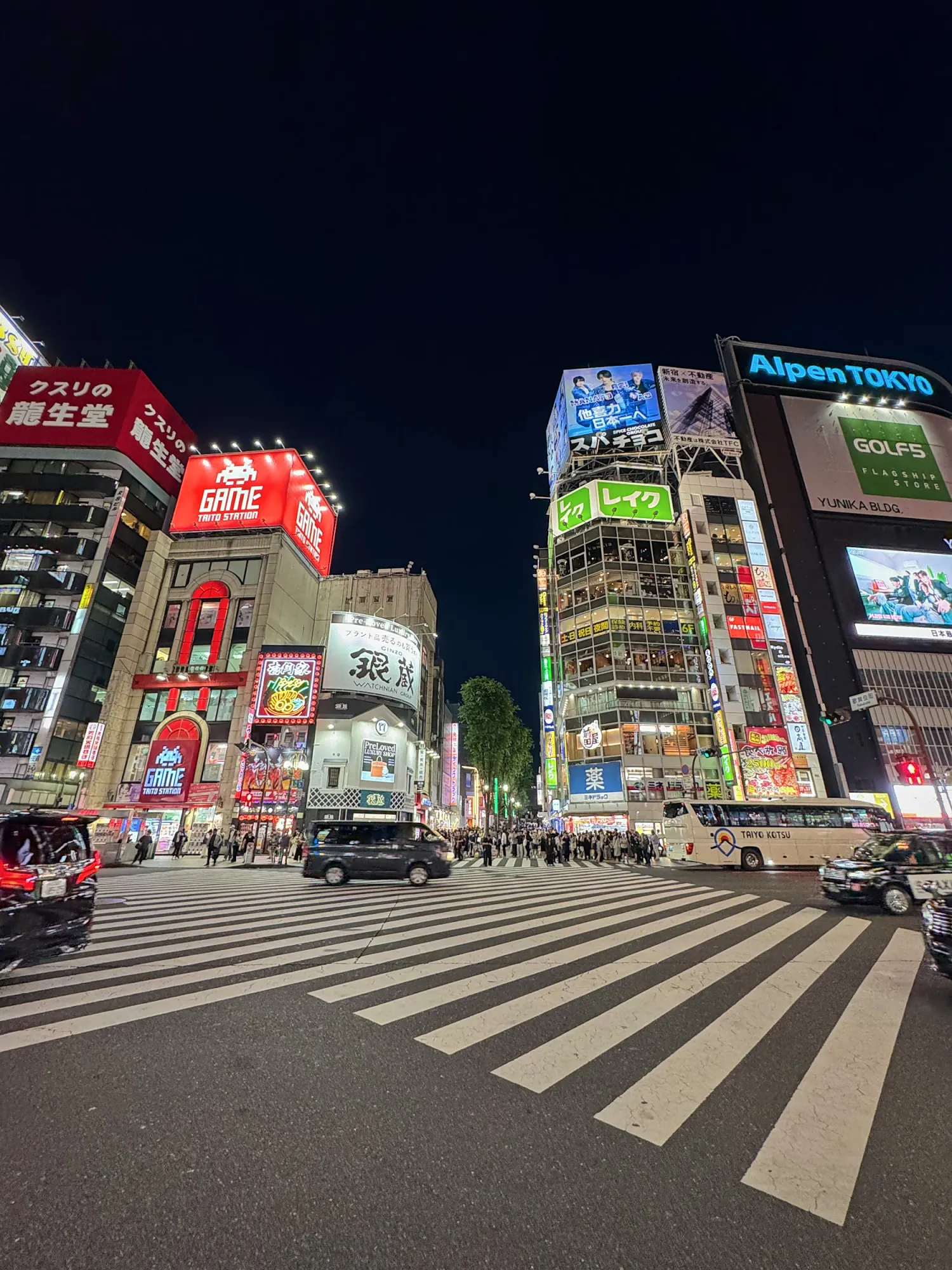
After a night out in Shinjuku, Cream and I would walk home in the dark. It was 15 to 20 minutes uphill from the busy center to our quiet, residential part of Shinjuku. We'd stop at the 7-Eleven for a snack and pass the little shrine I went to every morning. That walk never once felt like something to plan around.
Heads up: some links in this guide are affiliate links. If you book or buy through them, we may earn a commission at no extra cost to you.
In this guide 12 sections
Search "is Tokyo safe" and you'll get two stories. Some people call it the safest big city on earth. Others warn about bar scams, groping on trains, and earthquakes. We lived there for a month, rode the trains all over the city, and found out which one is true.
Here's what we learned about nights out, the touts in Kabukicho, traveling as a woman, and the trains. We also cover earthquakes, tap water, and what to do if something goes wrong.
Is Tokyo Safe? My Quick Answer
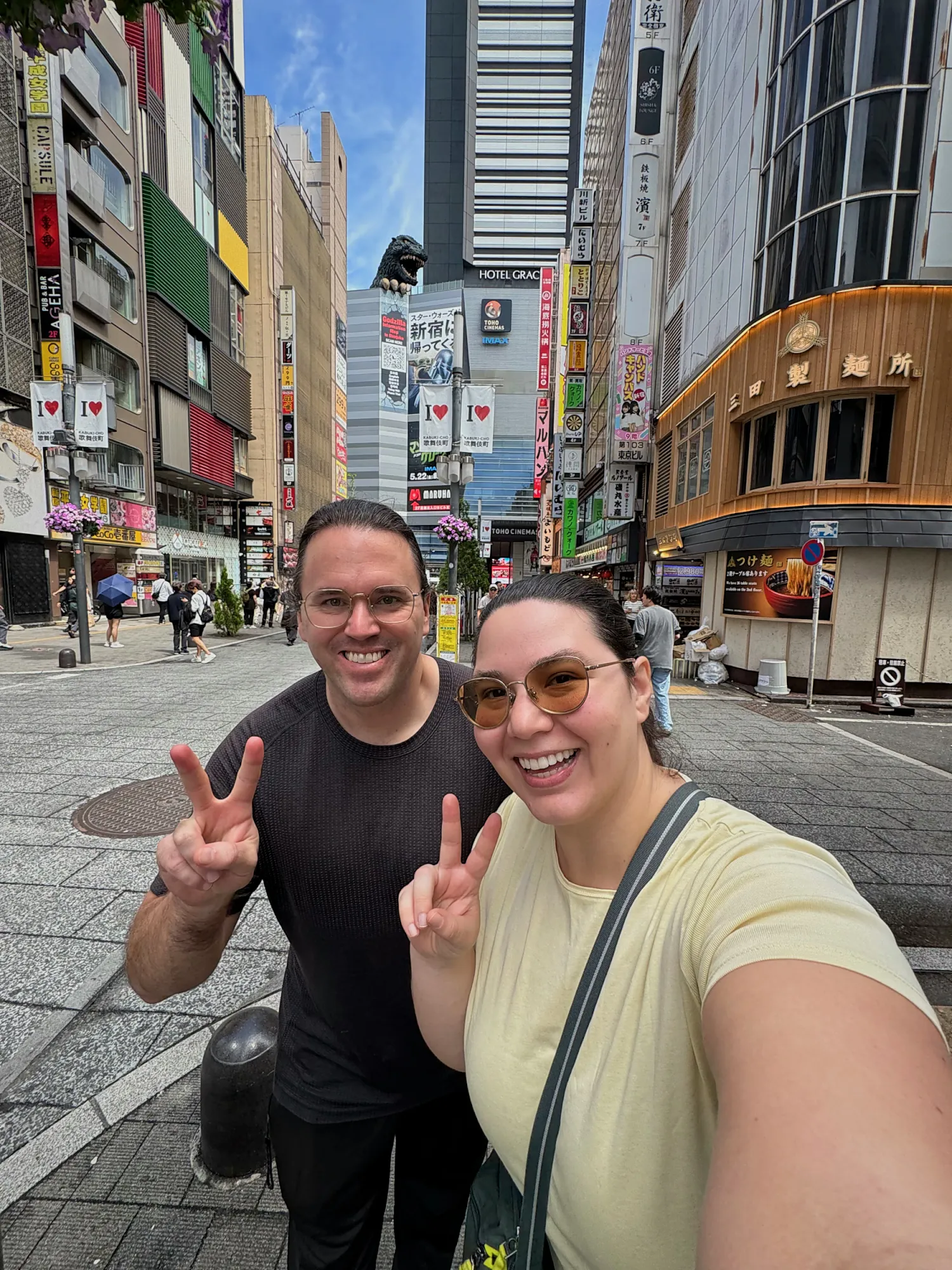
Yes, Tokyo is safe. Honestly, Japan is the safest place we've ever traveled, day or night. We walked around at night, rode the trains everywhere, and I'd tell a woman traveling alone the same thing. The one place we felt a little uneasy was around the bar touts in Shinjuku, and they never bothered us. The things worth preparing for are the ones you can't see: earthquakes, and the morning rush on the trains.
You don't have to take only our word for it. As of October 2026, the U.S. State Department rates Japan Level 1, "exercise normal precautions", its lowest level.1 Japan also ranked 10th of 163 countries in the 2026 Global Peace Index.2
Tokyo Safety at a Glance
- Overall
- Very safe. We never felt unsafe in a month
- At night
- We walked home after dark all the time
- Watch out for
- Bar touts in Kabukicho, Shinjuku
- Women alone
- Very safe in our experience
- Trains
- Quiet and safe. Skip the morning rush if you can
- Earthquakes
- I felt one small one. Download the Safety tips app
- Tap water
- Safe to drink, according to Tokyo's water bureau
- Emergency
- 110 police, 119 ambulance and fire
Is Tokyo Safe at Night?
Yes. The latest we stayed out was around 11 PM in Shinjuku, and Shinjuku is still busy at that hour. We walked home together after dark many times, and the walk was the easy part of the night (the hill on the way home was the hard part).
That walk is a good picture of Tokyo after dark. The streets near us were quiet, not empty, and lit the whole way. Convenience stores stay open all night, so there's always somewhere bright to step into.

 Bernie & Cream@bernieandcream
Follow along on Facebook
Bernie & Cream@bernieandcream
Follow along on Threads
Bernie & Cream@bernieandcream
Watch us on TikTok
Bernie & Cream@bernieandcream
Follow along on X
Bernie & Cream@BernieAndCream


The Bar Touts in Kabukicho
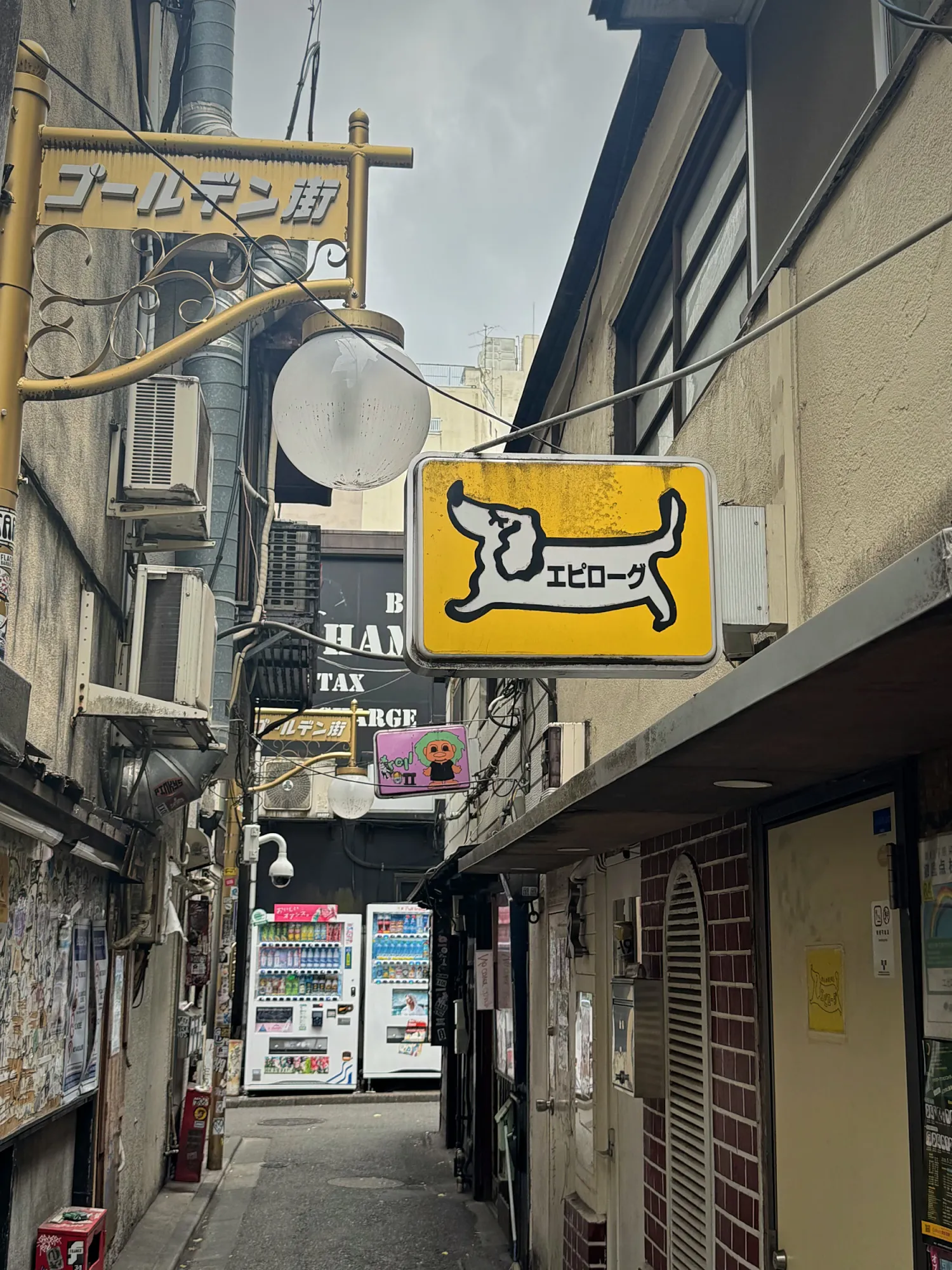
The only time we felt a little uneasy in a month was in Shinjuku, where men stand around the street and try to get you to come into bars. They never bothered us, but we watched them approach other people. It made us uneasy, but I never felt unsafe.
Kabukicho is Shinjuku's nightlife district, and it's where those touts work. The UK government's travel advice says most British victims of crime in Tokyo were targeted there, often by touts who approach people in English.3 The same advice warns about drink spiking and bills running into thousands, then charged to the victim's card.
The fix is simple:
- Don't follow a tout into a bar, even for a free drink.
- Check for a menu with prices before you sit down, and ask about the cover charge.
- Keep your drink with you, and don't accept drinks from strangers.
Is Tokyo Safe for Solo Female Travelers?
Yes. I'd say for a woman, Tokyo is very safe. Cream and I always walked together at night, but I'd be comfortable walking alone after dark.
You'll read a lot online about women being groped on trains. I didn't see it or experience it in a month of riding the trains. It does happen, and the UK government says police advise shouting at the person and asking another passenger to alert staff.3 If you'd rather avoid it altogether, Tokyo Metro runs women-only cars from the first train until about 9:30 AM, marked on the platform where you board.4
My advice if you ever feel uncomfortable: walk into a store, take a minute, and reassess. Or take an Uber home. I never felt I needed to.
Who You'll See Out Alone in Tokyo
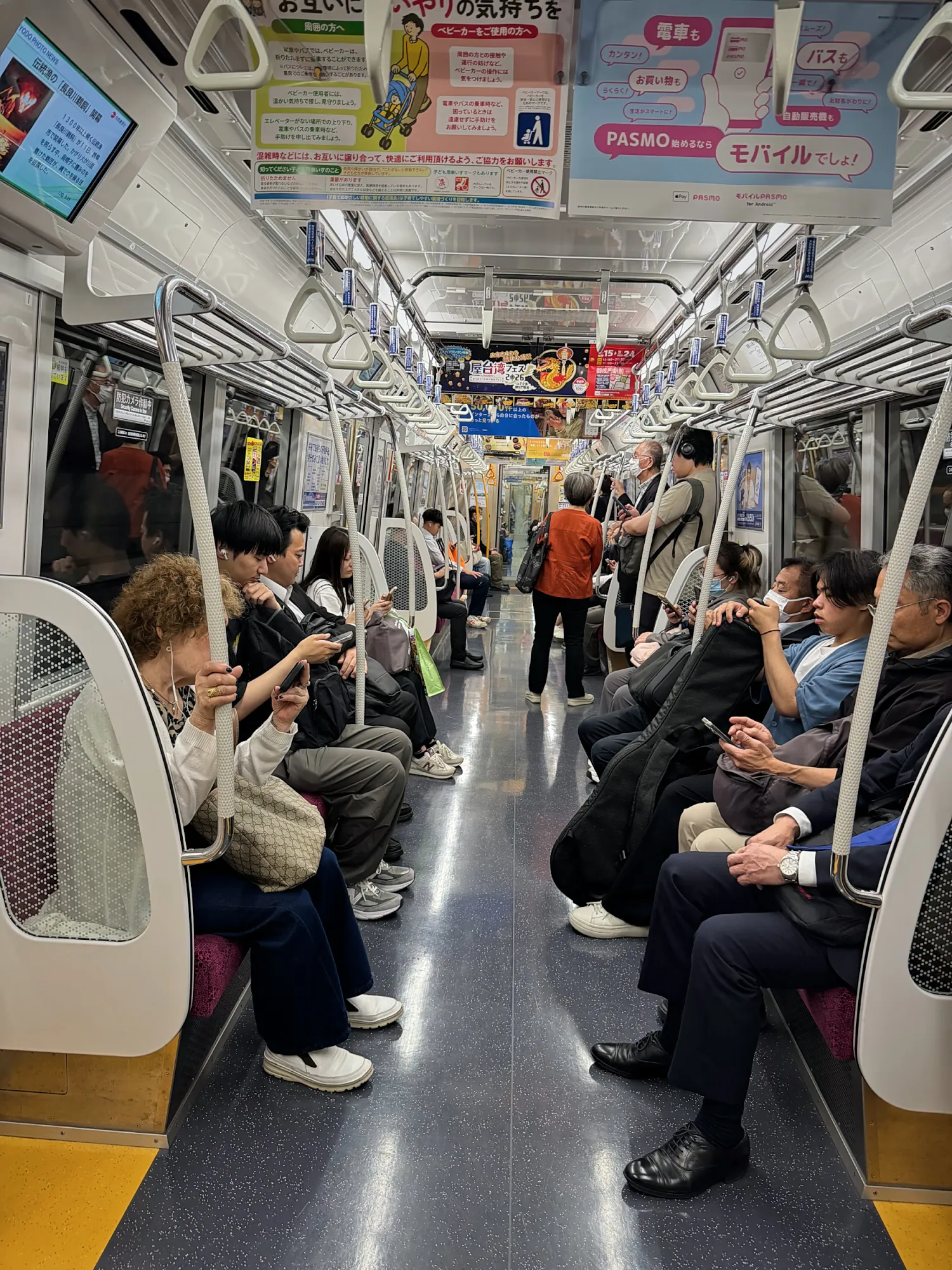
What convinced me most wasn't a statistic. It was who was out on their own. We saw kids riding the subway by themselves, some as young as about five. We saw moms out alone with their kids, women alone, and older people alone, and nobody was being bothered.
There's also security around, and the trains are quiet. People don't talk loudly or take calls on the subway, which makes a packed car feel calm.
You Can't Go Wrong With Where You Stay
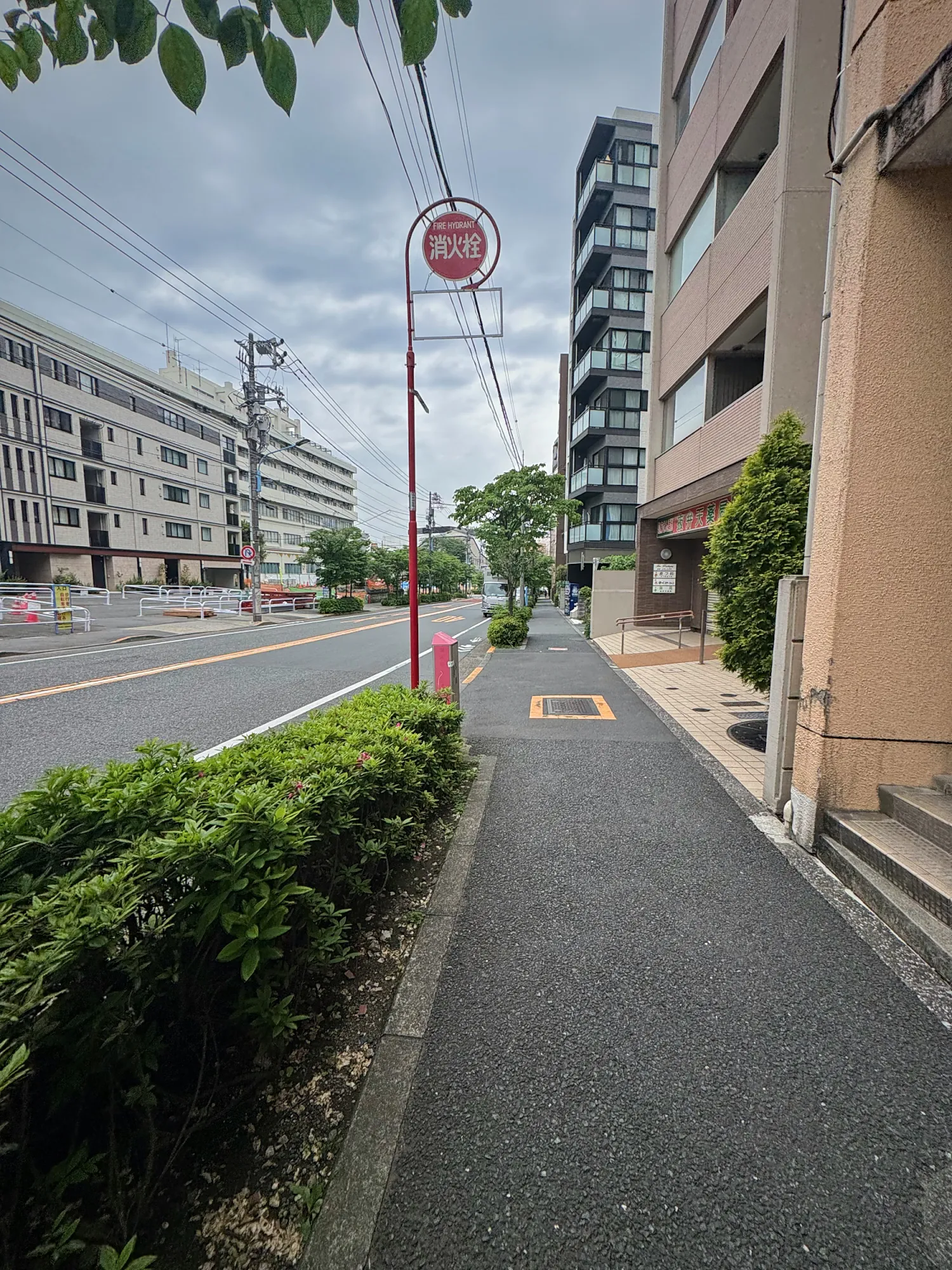
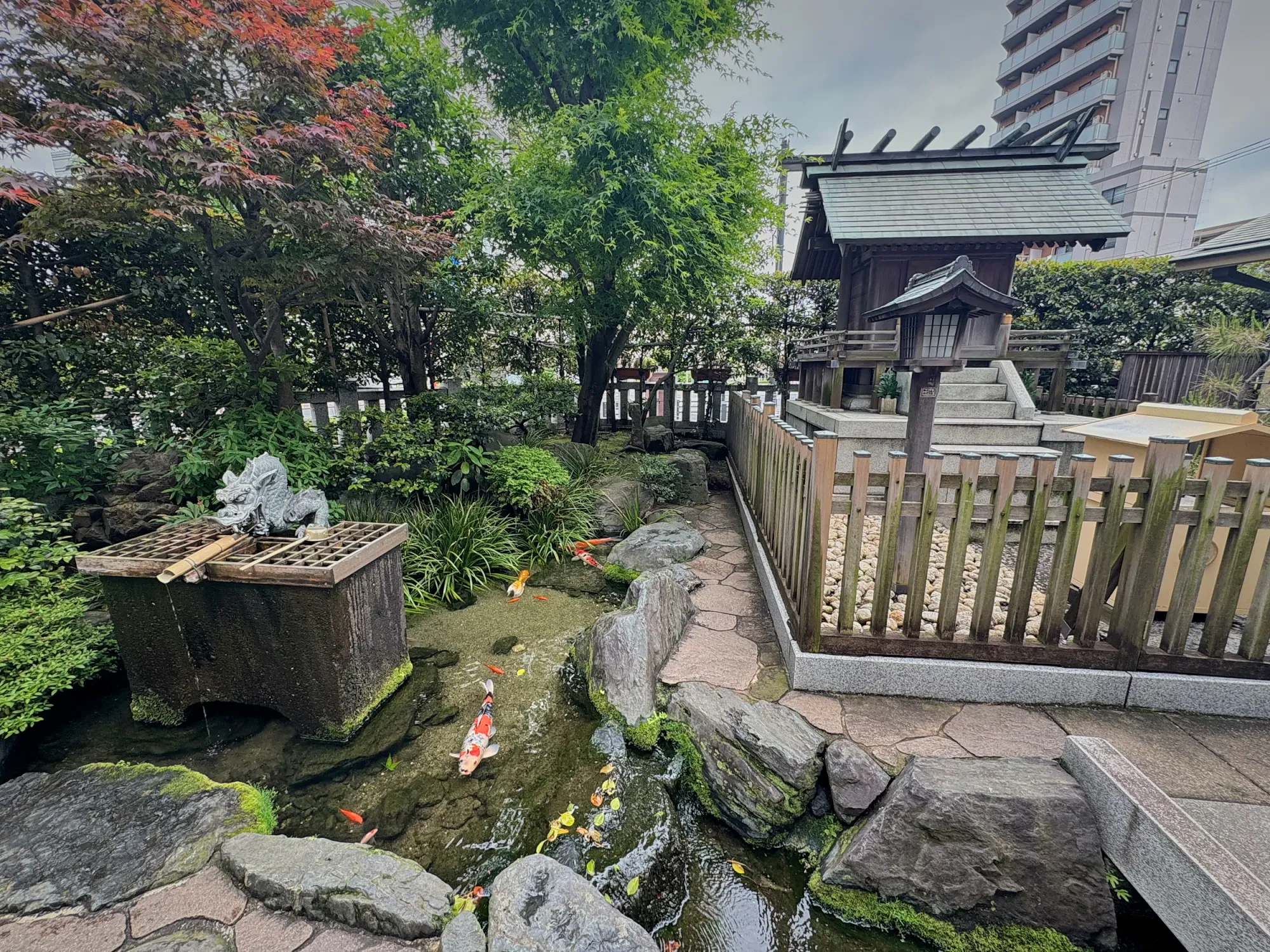
With all of Tokyo this safe and this well connected, there's really no wrong neighborhood to pick. We picked a residential corner of Shinjuku, near Wakamatsu-Kawada station, and loved it. It wasn't busy or loud, and you see real Tokyo life: moms on their souped-up bikes with two or three kids on board, and a little shrine I'd walk to every morning.
We went all over the city from there, even out to Tokyo Bay. That's different from somewhere like Bangkok, where we stayed closer to home because getting around was harder. If you're still choosing an area, you can compare hotels across Tokyo. We'd pick Shinjuku again, and here's what staying in Shinjuku was like, from the quiet streets to the morning shrine.
Trains, Crowds, and Rush Hour
We took trains everywhere, and they never felt unsafe. The trickiest part was Shinjuku Station, where finding the right exit can be hard. More than once we gave up, took the nearest way out, and found our bearings on the street. Tokyo Metro 101 shows how to pick the right exit before you leave the platform.
Rush hour is the one thing I'd avoid. When we did ride at that time, it was busy, though not the packed-in scene you see in videos. It just isn't fun.
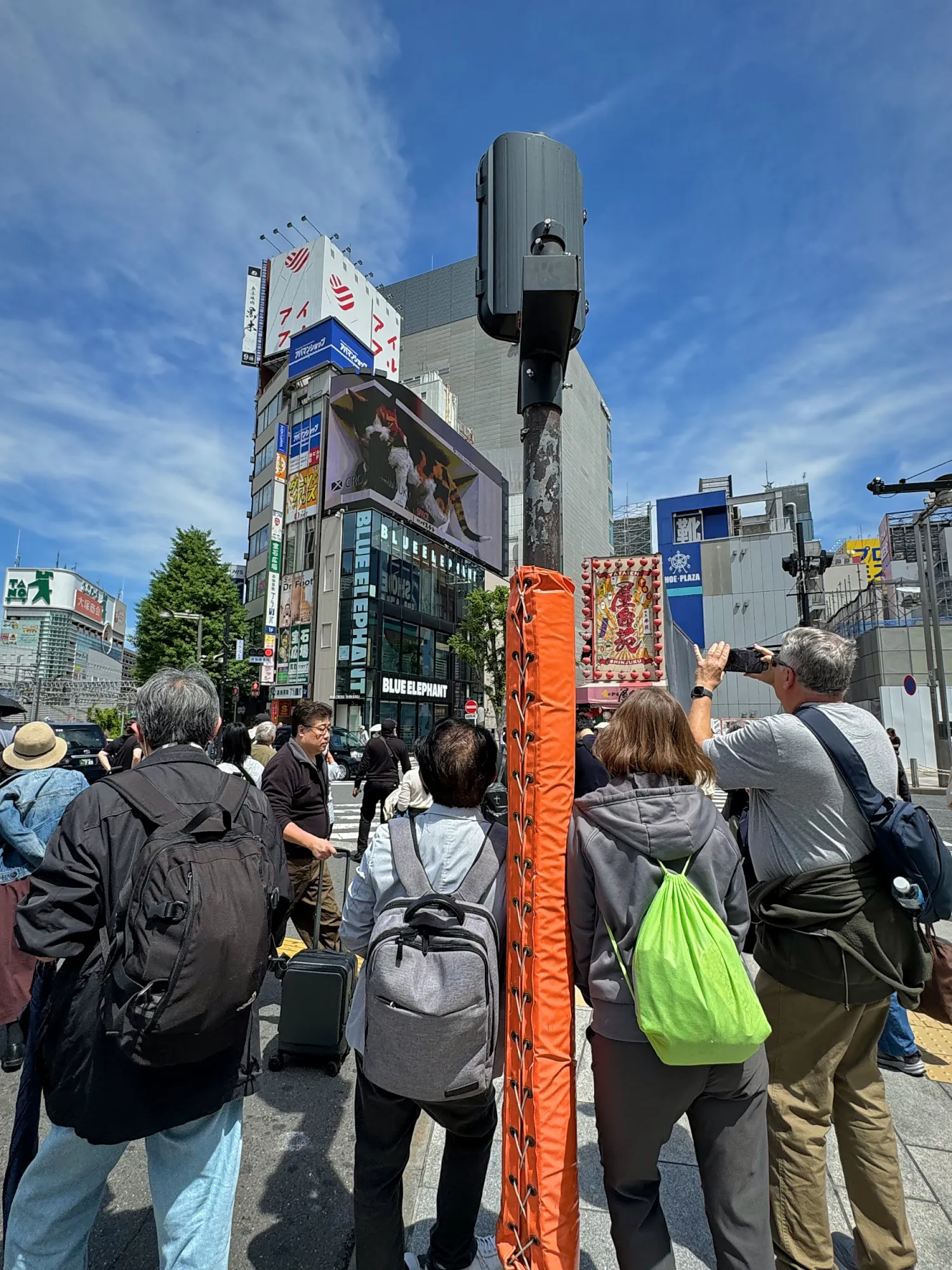
Big crowds feel different here too. Tokyo is busy, but it isn't loud, so it's not as overwhelming as you'd expect. Crowds move in order, and everyone waits at the crossings.
Taxis and Scams in Tokyo
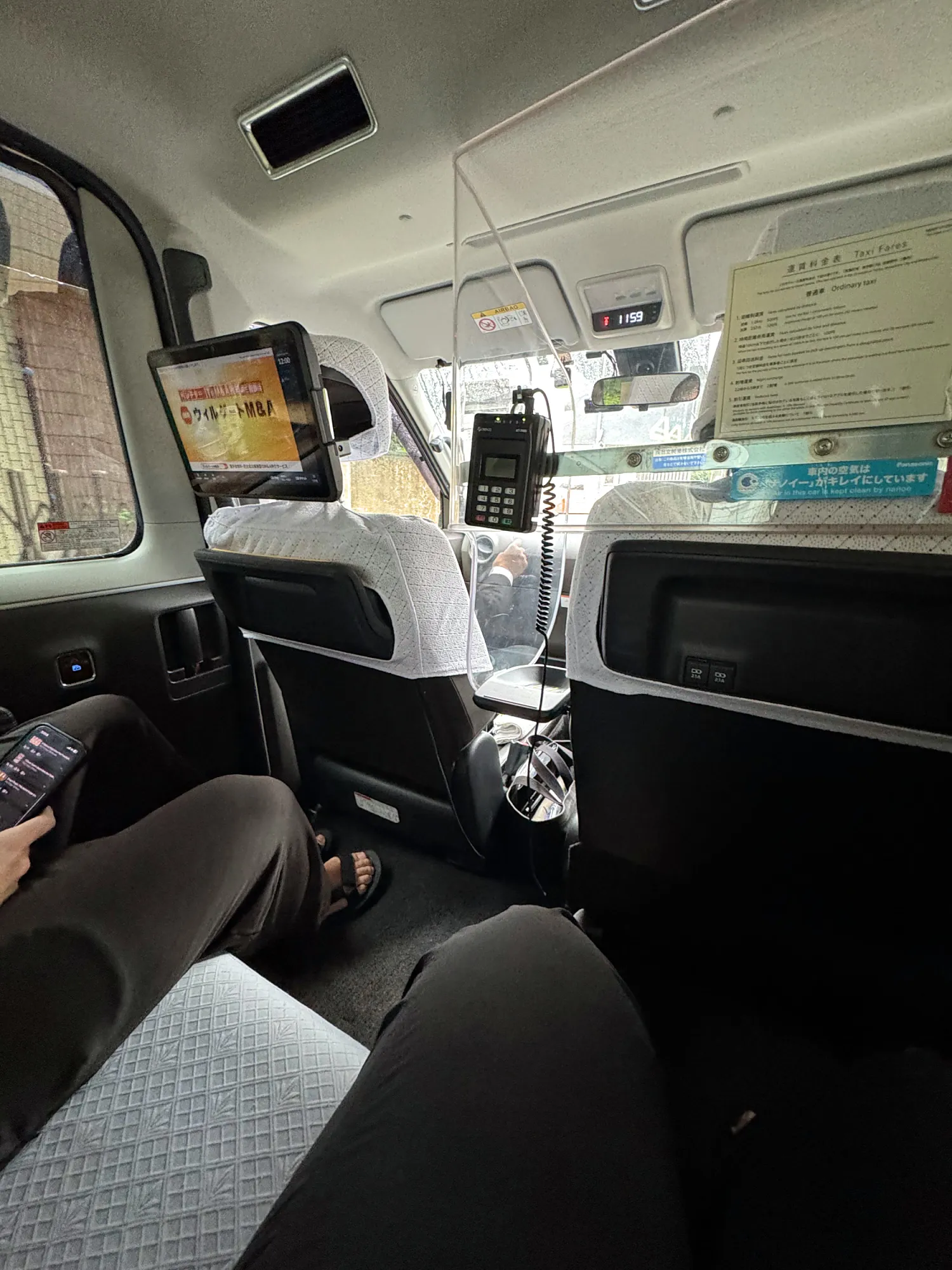
We never ran into a scam in Tokyo, taxis included. Our one cab ride came when it started raining before a Sushiro booking. I ordered it through Uber, so the fare went through the app and there was nothing to pay in the car. A taxi scam is the last thing I'd worry about in Japan. For everyday travel, the trains are cheaper and usually faster. Here's how to get around Tokyo by train, on foot, and by cab.
Earthquakes in Tokyo
Japan sits in a major earthquake zone, so earthquakes are the one real risk you can't avoid. I felt one small earthquake during our month. I noticed the water in my bottle moving a lot and felt something small, but nothing major.
We didn't get a phone alert, and our Airbnb didn't have an earthquake guide or emergency kit. That's worth knowing, because you can't count on someone else to tell you what to do. Here's what I'd set up before you go:
- Download the Safety tips app. It's free, made under the supervision of the Japan Tourism Agency, and sends earthquake early warnings, tsunami warnings, and heat warnings in 15 languages, including English.6 Pick up to five places to follow, like your hotel's area.
- Read the instructions in your room and at stations. The UK government advises noting the emergency instructions in hotel rooms and stations and following local authorities' advice.3
- Have data from the moment you land. Alerts, maps, and translation all need it. An Airalo eSIM is what we use in most countries, and for Japan I'd get one set up before you fly.
Can You Drink the Tap Water in Tokyo?
Yes. We didn't drink the tap water ourselves, but I think you can. Tokyo's Bureau of Waterworks says Japan is one of the few countries where you can drink tap water straight from the tap.5
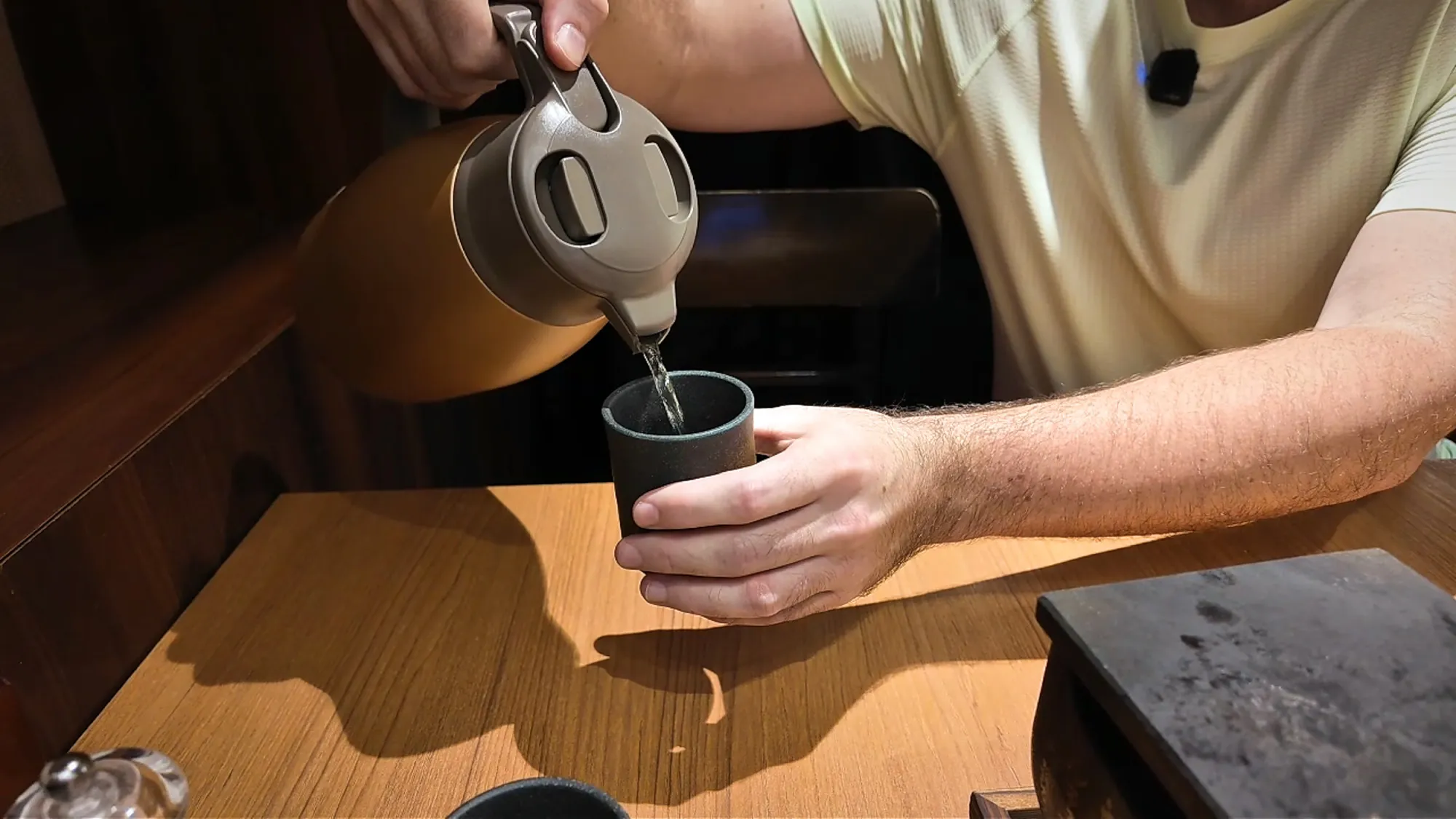
What we did drink every day was the free water at restaurants. Many places pour you a cup when you sit down or leave a jug at the table, and it never caused us a problem.
Drugstores and Getting Help
Drugstores in Tokyo are easy to find, and the one we went to was very helpful. We needed some medicine and a cream for bug bites, and got both without any trouble.
For an emergency, call 110 for the police, or 119 for an ambulance or the fire department.7 For help in English, Japan's tourism board runs the Japan Visitor Hotline at 050-3816-2787, 24 hours a day.8
Do You Need Travel Insurance for Japan?
Japan doesn't require it. But the Japan Tourism Agency warns that medical bills for visitors can be very high, and it recommends private medical insurance.9
Here's why I'd get it anyway:
- You pay the hospital yourself. The UK government tells visitors to expect to pay the whole cost of any treatment.10 Leave a bill unpaid and Japan can refuse you entry on a later trip.9
- Your US plan probably won't help. Medicare usually doesn't cover care outside the US,11 and many private plans cover little abroad. Check yours before you go.
- Typhoon season. Most typhoons reach Japan between August and October.12 If you're traveling then, pick a policy that covers trip delays.
For a week or two, any standard travel policy does the job. If you're staying a month or longer, look at SafetyWing's nomad insurance, which is built for long stays.
So, Is Tokyo Safe?
Yes. Walk home at night, and ride the trains everywhere. Save your caution for the touts in Kabukicho, the morning rush, and a few minutes of earthquake prep before you fly. If Southeast Asia is next on your list, here's how Kuala Lumpur compared on safety after three months living there.
Next Steps
- Is Japan Good for Solo Travel? Our Honest Take
- 22 Things to Know Before Visiting Tokyo, the rest of our first-timer tips
- Is Kuala Lumpur Safe? What We Learned Living There
Bernie & Cream@bernieandcream
Follow along on Facebook
Bernie & Cream@bernieandcream
Follow along on Threads
Bernie & Cream@bernieandcream
Watch us on TikTok
Bernie & Cream@bernieandcream
Follow along on X
Bernie & Cream@BernieAndCream