I see the same question on Reddit all the time. Someone has never left their home country, they've wanted to see Japan for years, and now they're asking if it's too scary for a first trip. Half the replies say go. The other half say start somewhere easier.
Heads up: some links in this guide are affiliate links. If you book or buy through them, we may earn a commission at no extra cost to you.
In this guide 9 sections
My answer is always go. Japan as your first international trip is a great choice, and I think Tokyo is the best place for a first trip abroad. It's not scary if you know what to expect, the rules, and how things work before you land.
Cream and I travel full time, and of everywhere we've been, Japan is where I'd send a nervous first-timer. The people are friendly, the cities are easy to get around, and you can learn most of what you need from your couch.
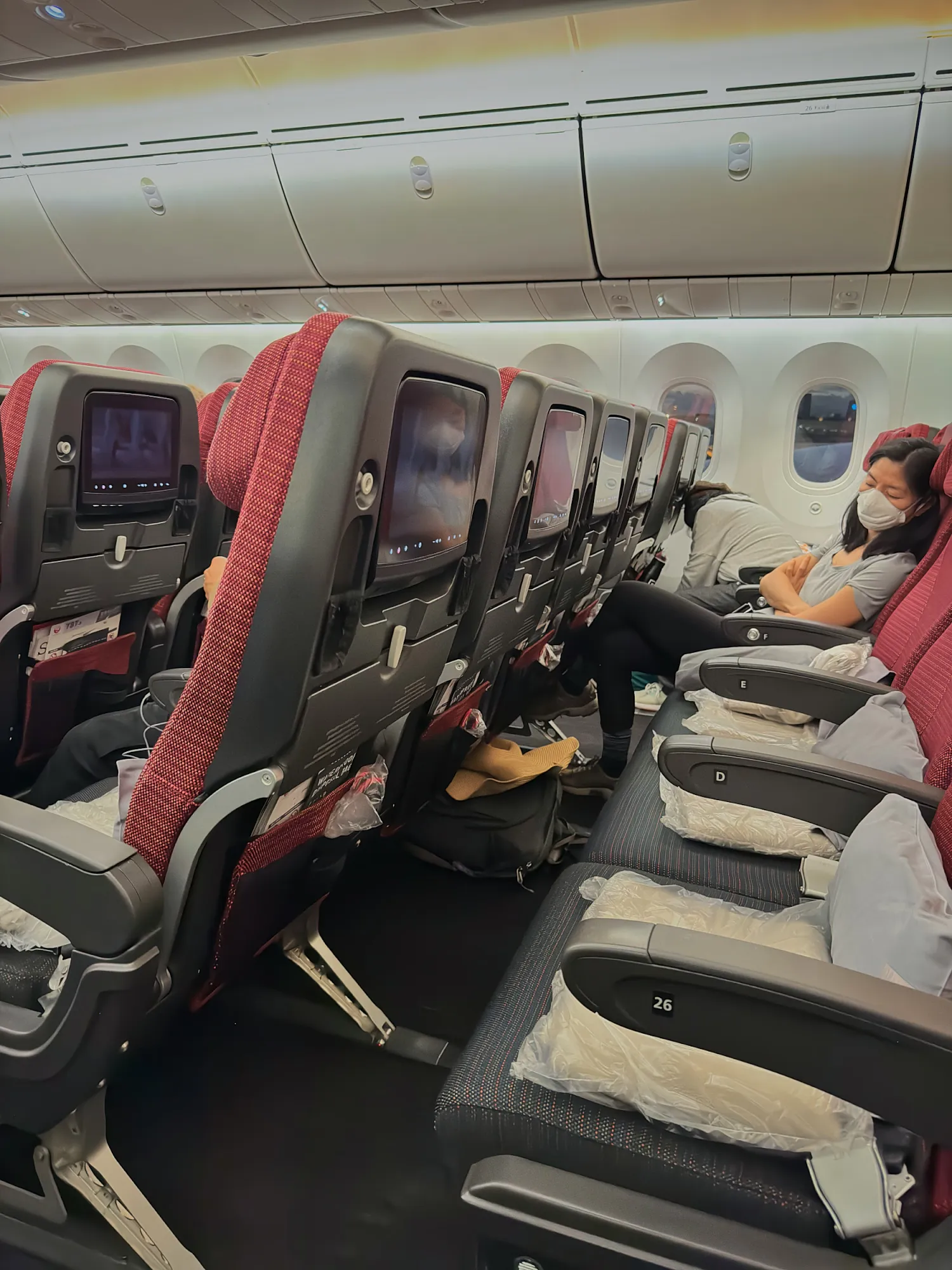
Is Japan a Good First International Trip? My Quick Answer
Yes. Japan is one of the easiest countries you can pick for a first trip abroad. It's very safe, the cities are clean, the trains run on time, and in Tokyo, English is on the kiosks, the station signs, and the train announcements. The only hard part is learning a handful of rules and systems before you go.
💡 Japan for First-Time Travelers, in Short:
- Easier than you think: safety, English on kiosks and trains, transit that runs on time, no tipping
- Takes a day or two: station exits, kiosks, the konbini checkout, the quiet
- The real costs: the long flight, and jet lag on a short trip
- Do before you fly: an eSIM, Suica in your phone's wallet, and your airport train picked both ways
Want to book now? On a first trip, I'd stay in Shinjuku, close to the main station.
Quick picks
Where we'd stay on a first trip to Tokyo
Why Japan Is Easier Than It Looks
1. English Is Everywhere You Need It // Just Not in Conversation
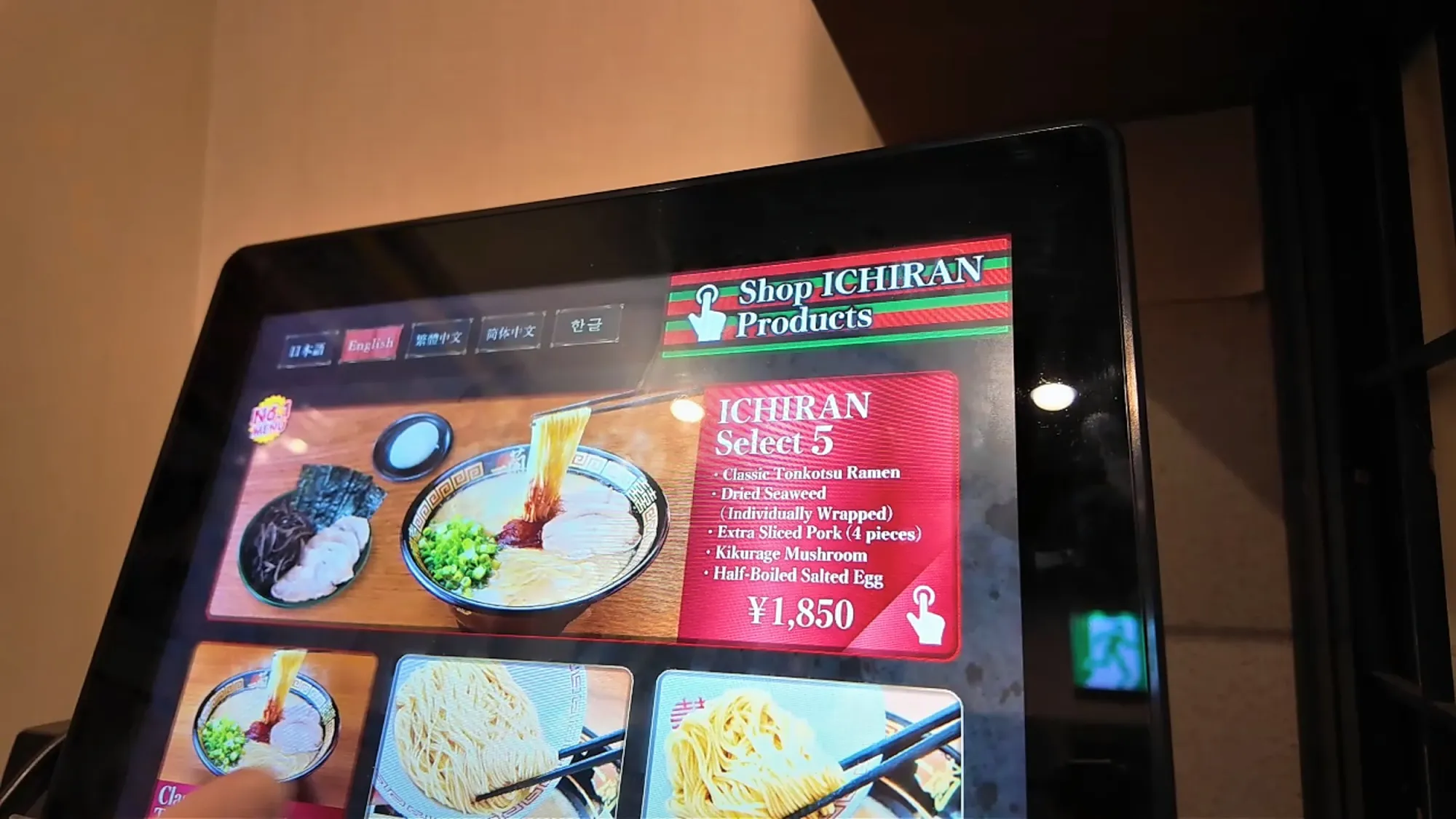
English is everywhere in the main cities. In Tokyo, almost every chain restaurant has a touchscreen with an English button, station signs use letters and numbers, and a recorded voice tells you the next stop in English. Locals won't usually start a conversation in English, but with the kiosks doing the talking, that hardly matters. Google Translate covers the menus and signs that don't have English, and how to order food in Japan covers the kiosks, ticket machines, and tablets step by step.

 Bernie & Cream@bernieandcream
Follow along on Instagram
Bernie & Cream@bernieandcream
Follow along on Threads
Bernie & Cream@bernieandcream
Watch us on TikTok
Bernie & Cream@bernieandcream
Follow along on X
Bernie & Cream@BernieAndCream


2. It Feels Safe, Day and Night // The Thing Parents Worry About Most
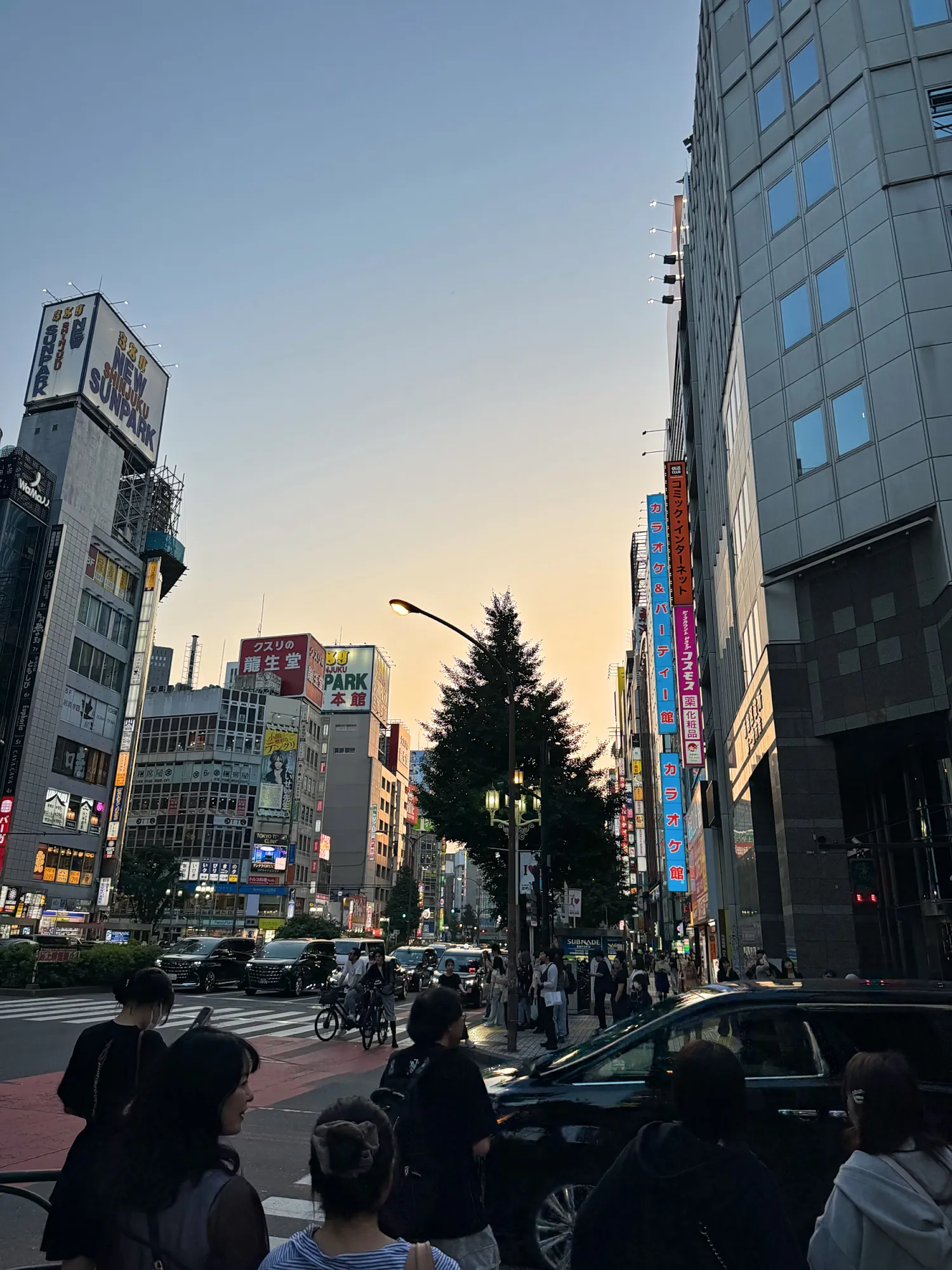
If someone at home is nervous about you going, this is the section to show them. Japan is the safest country we've traveled. In Shinjuku we stayed out until around 11 p.m., then walked the 15 to 20 minutes back to our apartment in the dark, and it never felt like a risk.
Ordinary life is what convinced me: kids who looked about five years old riding the subway without a parent, moms out with their children, women on their own, older people going about their day, and nobody bothering anyone. The trains are quiet, and there's security staff around the stations.
I'd say the same to a woman traveling alone. You'll read stories online about groping on crowded trains, but we never saw it. If a situation ever feels off, duck into a convenience store and reassess, or call an Uber, though we never needed to.
What you should prepare for is earthquakes. We felt one small one, just enough to make our water bottle move, and our phones didn't sound any alert, so read up on earthquake safety in Tokyo before you go.
3. The System Does the Work // Once You Know What to Look For
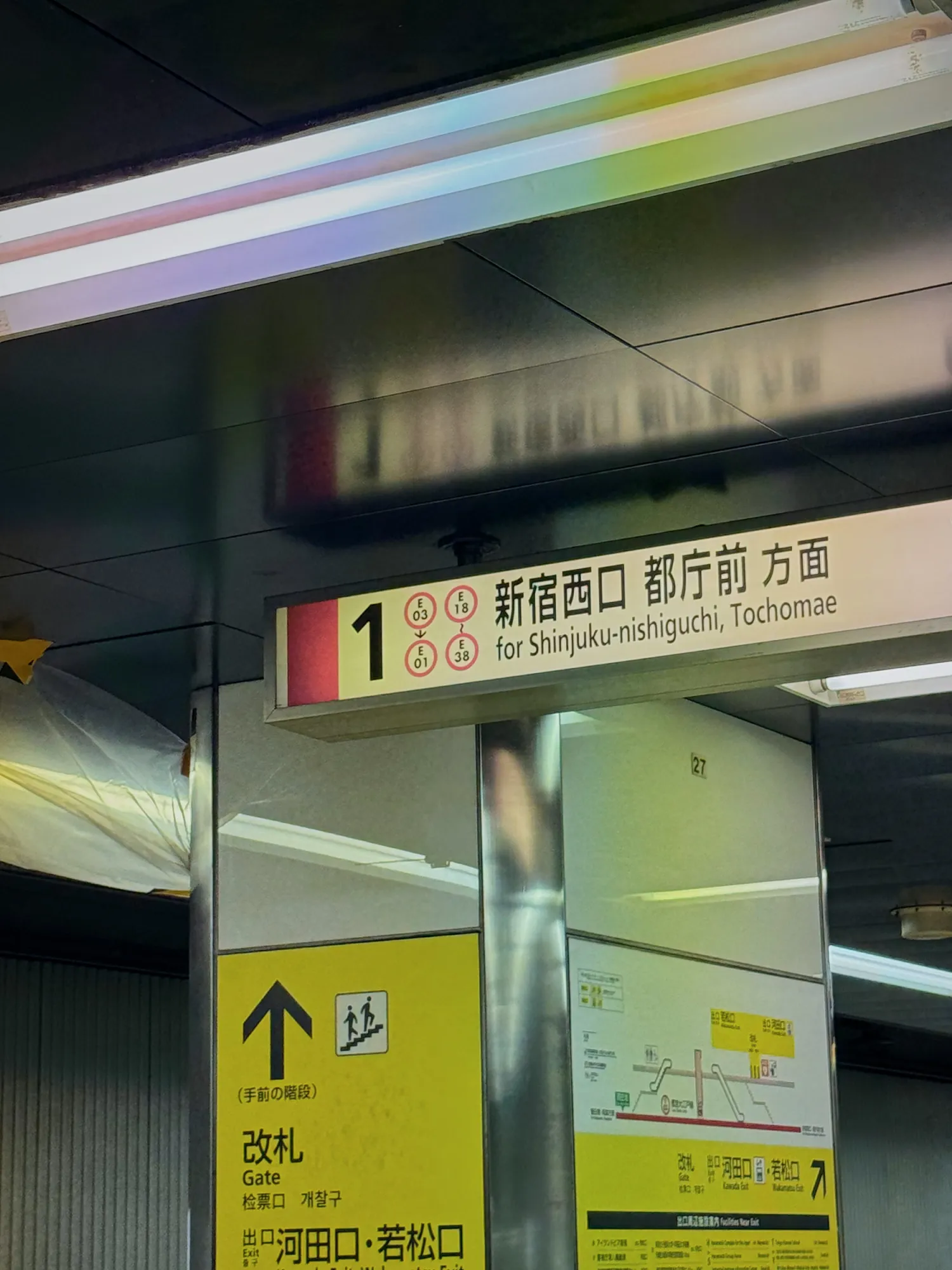
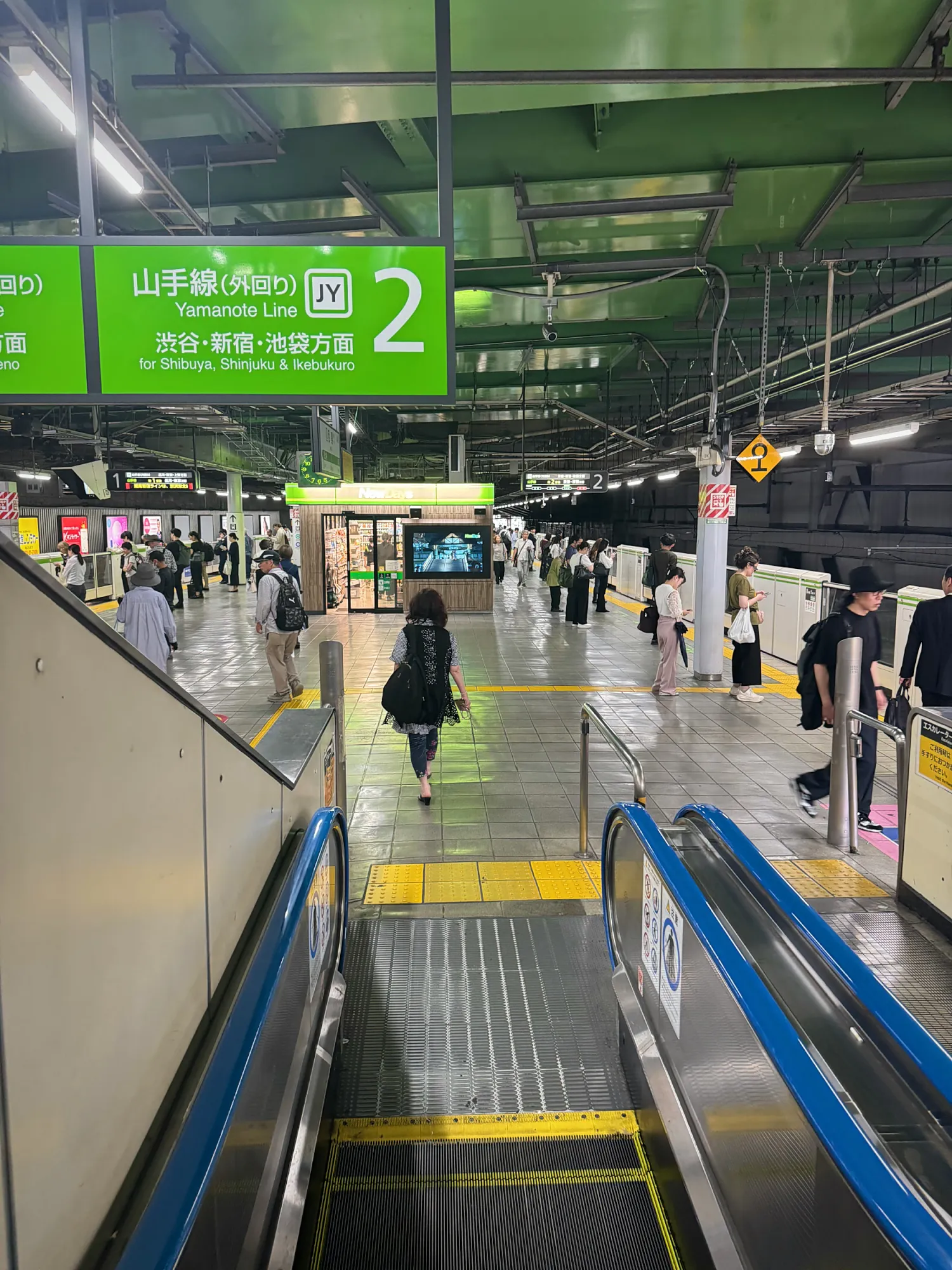
Tokyo runs on numbers. Every subway station has a code, every platform has a number, and every exit has a letter and number too. Put your destination into Apple Maps or Google Maps, and it tells you all three. You don't need to read a single character, and if you board the wrong direction, you get off and ride back. It's not a big deal, and we've done it plenty of times! Tokyo Metro 101 walks through the codes sign by sign.
4. People Are Kind to Visitors // They Know You Don't Know
The Japanese people we met were very friendly and helpful, such as the drugstore staff who sorted us out when we needed bug bite cream. You also aren't the first confused visitor they've seen, so a fumble at the gate or the register is nothing to worry about.
How Japan Compares With Other First Trips
Most countries are harder for a first-timer than Japan. In Bangkok, we didn't explore nearly as much of the city as we did in Tokyo, because getting across town wasn't as simple. In Korea, Apple Maps, the app we use everywhere else, doesn't work well. Japan has neither problem. Other countries might stress you out more because they're less English-friendly, harder to get around, less clean, or less safe, and Japan gets all four right.
So if your worries are getting lost, being misunderstood, or being unsafe, Japan answers all three better than most of the "easier" places people suggest.
What Felt Intimidating for Us (and Why It Passed)
Our first proper trip to Japan was to Osaka, and it was a bit intimidating. We knew there were rules and experiences we were supposed to get right, and we didn't know them yet. By the time we moved to Tokyo for a month, we knew the rules, and we knew which unique experiences we wanted for ourselves instead of the ones being sold to us online.
1. Getting Thrown In at the Airport // You Learn Fast
If you head straight for the subway when you land, you're thrown into Japan from the first hour: machines, gates, platforms, and transfers, all while you're tired. You have to figure it out quickly, but that's what makes it fun! Do a little research first and it's not so bad. Most of all, know your airport train both ways, because we didn't plan our departure and nearly missed our flight home.
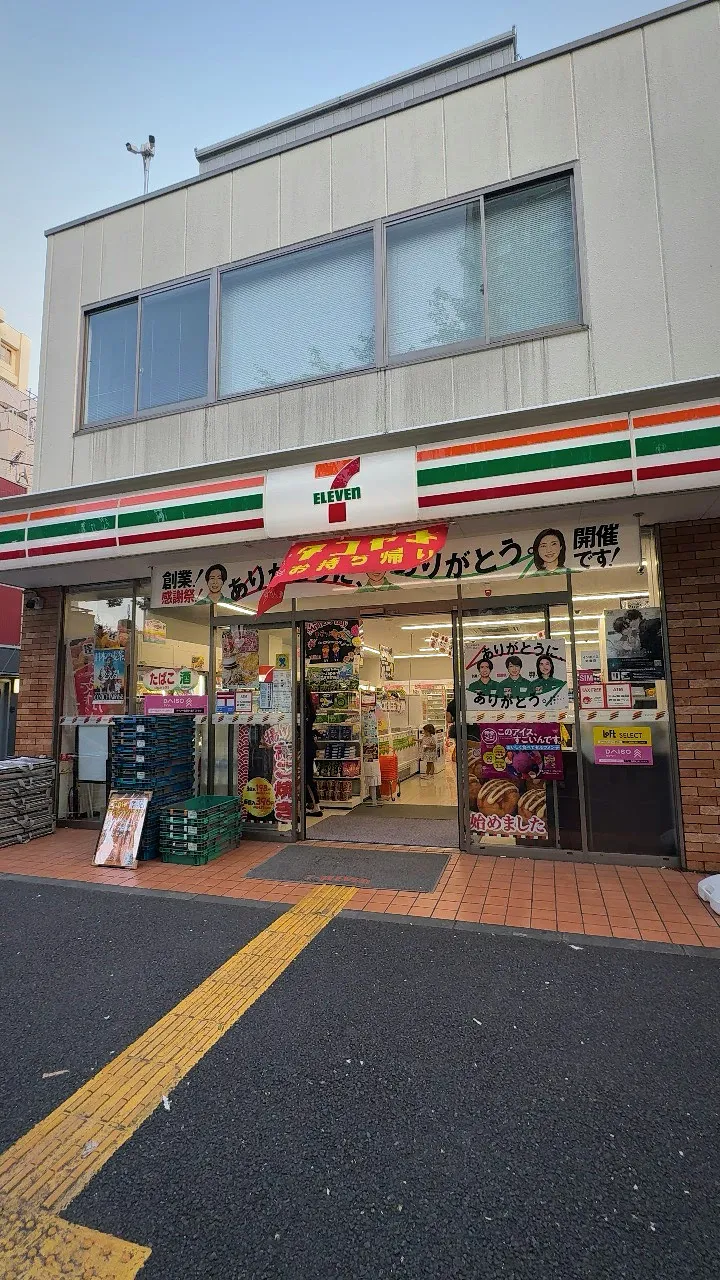
2. The 7-Eleven Checkout // Who Pays Where?
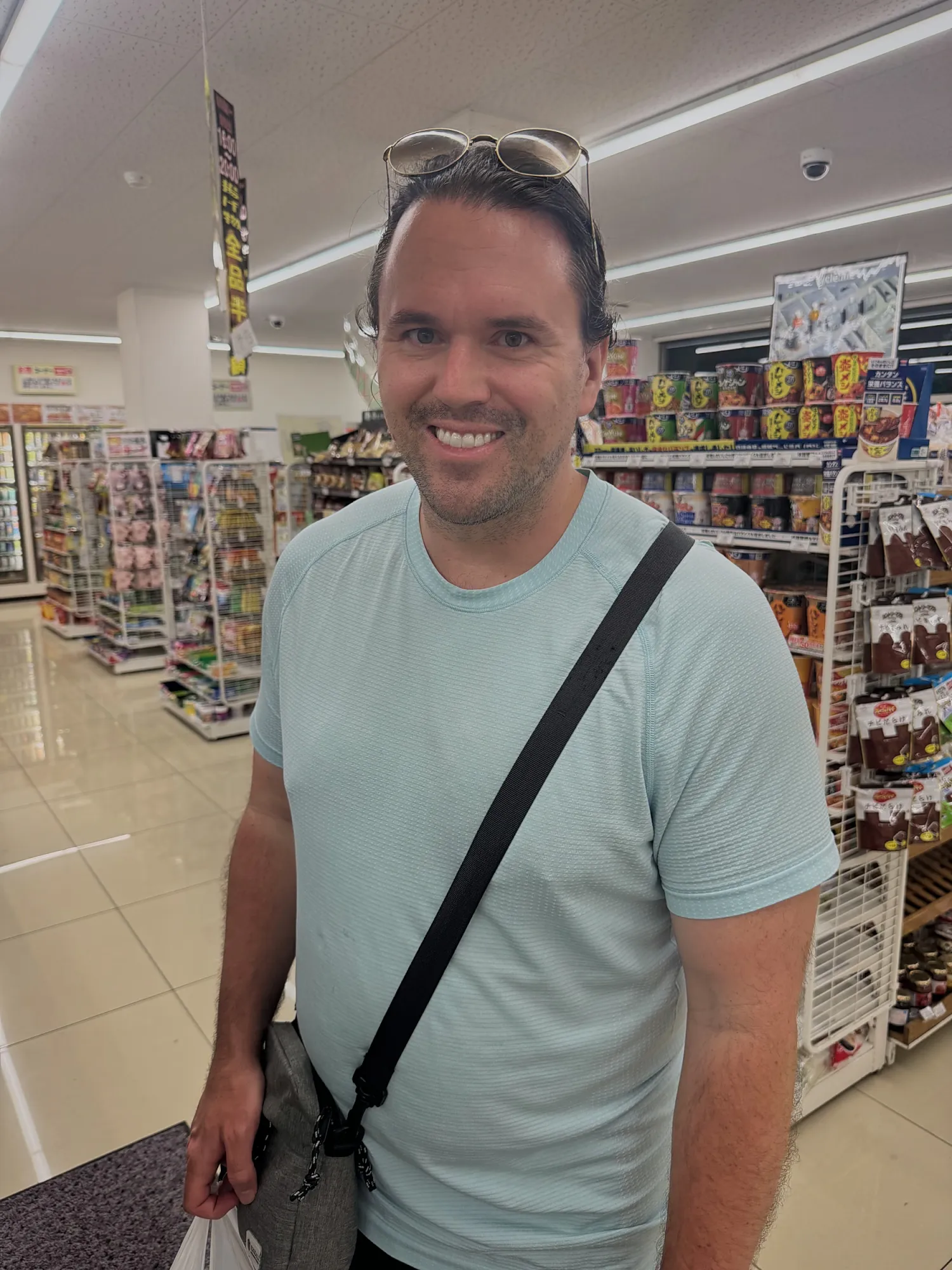
This sounds silly, but 7-Eleven was a little intimidating at first, mostly how you pay and check out. At a lot of konbini (Japan's convenience stores), a staff member scans your items, and then you pay on a small machine yourself, picking cash, card, or an IC card like Suica on its screen. Many of these machines have an English option. After one or two visits, it's second nature, and the konbini turns into the place you stop every day. Once the checkout clicks, you can work your way through what to buy at 7-Eleven in Japan, from onigiri to the egg sandwich.
3. The Rules You Know Exist // Quiet, Lines, and Signs
Every first-timer has heard that Japan has unwritten rules. Some of them are real: keep your voice down, especially on the train, stand on the correct side of the escalator, and wait your turn. Watch what the people around you do, and you'll pick up the rest in a day.
4. Day One, When You're Exhausted // Don't Try to See Everything
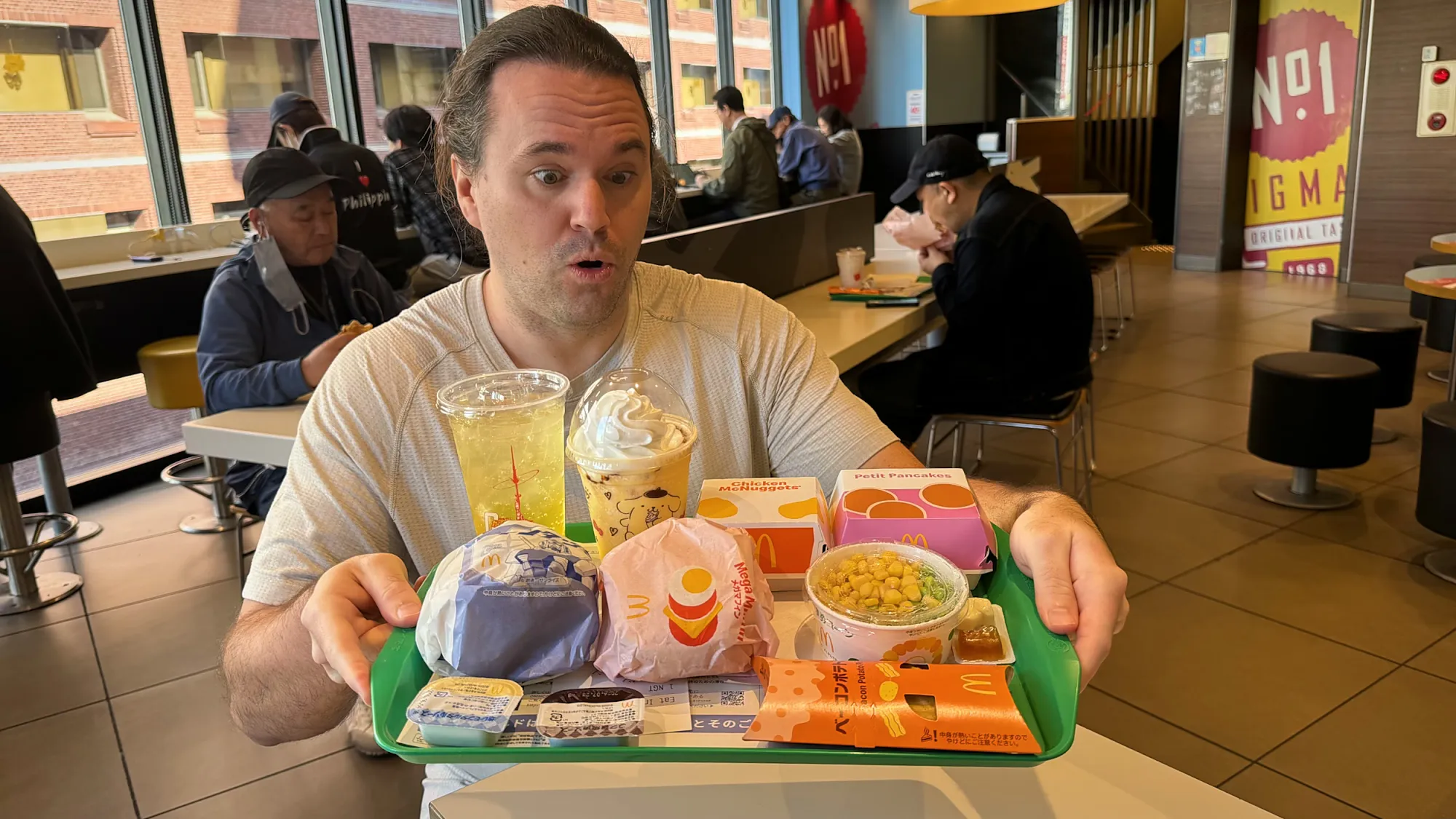
The first day can be overwhelming, mostly because you're tired. After a long flight, a new currency, and your first train ride, everything feels harder than it is. Get back to your hotel, or go grab a McDonald's, and save the real exploring for the next day. After a familiar meal and a full night's sleep, the city feels a lot easier. (We eat at McDonald's in every country anyway, and McDonald's in Japan has a menu worth the trip on its own.)
The Worries That Turn Out to Be Nothing
Being a rude tourist. This is the one I see most, and it's the one that matters least. People know you don't know. Be quiet, follow the signs, and you'll be fine.
Not speaking Japanese. We don't speak Japanese. Between the kiosks, the English announcements, and Google Translate, we got through a whole month without it.
Getting lost. You will take a wrong turn. In Tokyo, every wrong turn is a short ride back, in a city where it's safe to be lost.
Needing a pile of cash. Cards and Suica on our phones covered nearly everything. Keep a little yen for small places and street food.
Tipping wrong. There's nothing to get wrong: Japan doesn't tip, and trying can be seen as rude.
The Real Downsides for a First Trip
Japan does have a few downsides for a first trip, and none of them are about safety or manners.
- The flight is the expensive part. Once you're there, food can be cheap. A long-haul flight to Japan usually isn't.
- One week is too short. Jet lag eats the first couple of days. If you can, give it two weeks, so you have time to adjust and still see the city.
- It's not built for lingering. Meals are quick, and public benches are hard to find. Plan rest stops at your hotel.
- Crowds. Tokyo is busy, but not loud, so the crowds are easier to handle than they look. If you need quiet, there's plenty of it.
My First-Trip Game Plan for Japan
This is what I'd tell a friend booking Japan as their first international trip.
1. Sort Your Data Before You Fly // Maps From the Moment You Land
You need data right away in Japan to find your train from the airport. In Tokyo, we paid for SoftBank data at the airport. It worked fine, but Airalo is easier, so next time I'd get an Airalo eSIM before you land and switch it on as the plane touches down.
2. Put Suica in Your Phone // And Test Your Card at Home
Add a Suica card to Apple Wallet before you go, and top it up with a credit card. Not every foreign card works for the top-up, so try yours at home, not at the ticket gate. We tested ours and found the one card that topped up our Suica.
3. Do the Boring Paperwork Early // Passport, Visa Rules, Insurance
US passport holders don't need a visa for tourist trips of up to 90 days,1 and neither do visitors from dozens of other countries, but confirm yours before you book. If you don't have a passport yet, that's your first step. Then sort out insurance. Do you need travel insurance for Japan? It isn't required, but I wouldn't skip it on a first trip:
- Visitors pay in full. Expect to cover the whole cost of any treatment yourself, and hospital bills in Japan can be high.
- Home cover rarely travels. Many health plans won't pay for care abroad, including US Medicare,2 so call your insurer before you book.
- Typhoons can move your flight. Most typhoons reach Japan between August and October, so a policy with trip-delay cover is worth it then.
A standard travel policy is enough for a short trip. Staying a month or more? Compare travel medical insurance from SafetyWing, which is made for long stays.
4. Plan Your Airport Train Both Ways // Especially the Way Home
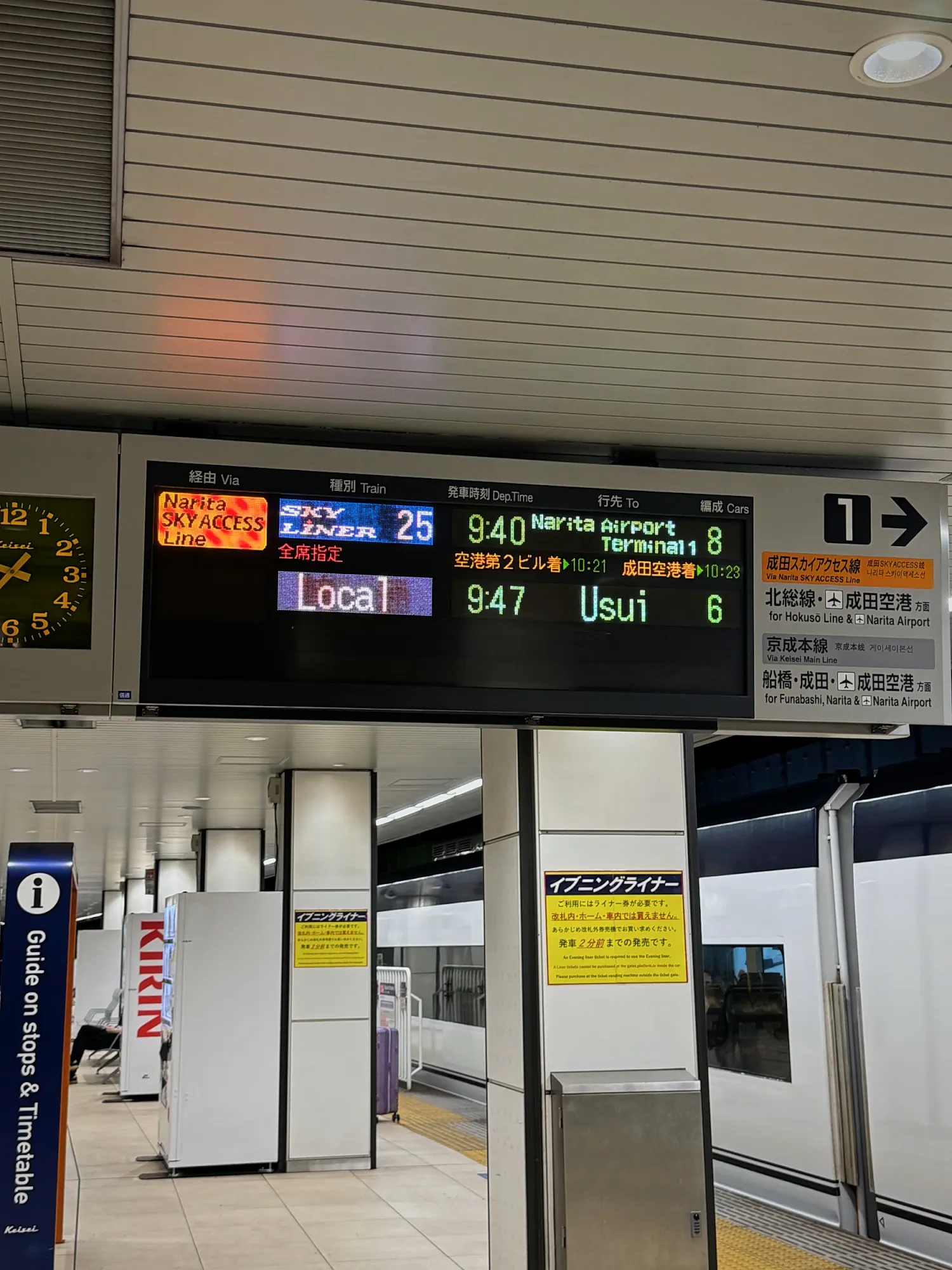
Arriving, you can figure it out on the spot. Leaving, decide the night before which train you're taking and buy the ticket. We learned that the stressful way. For every airport train and its fare, see how to get from Narita to Shinjuku.
5. Eat at the Chains First // The Easiest Restaurants in Japan
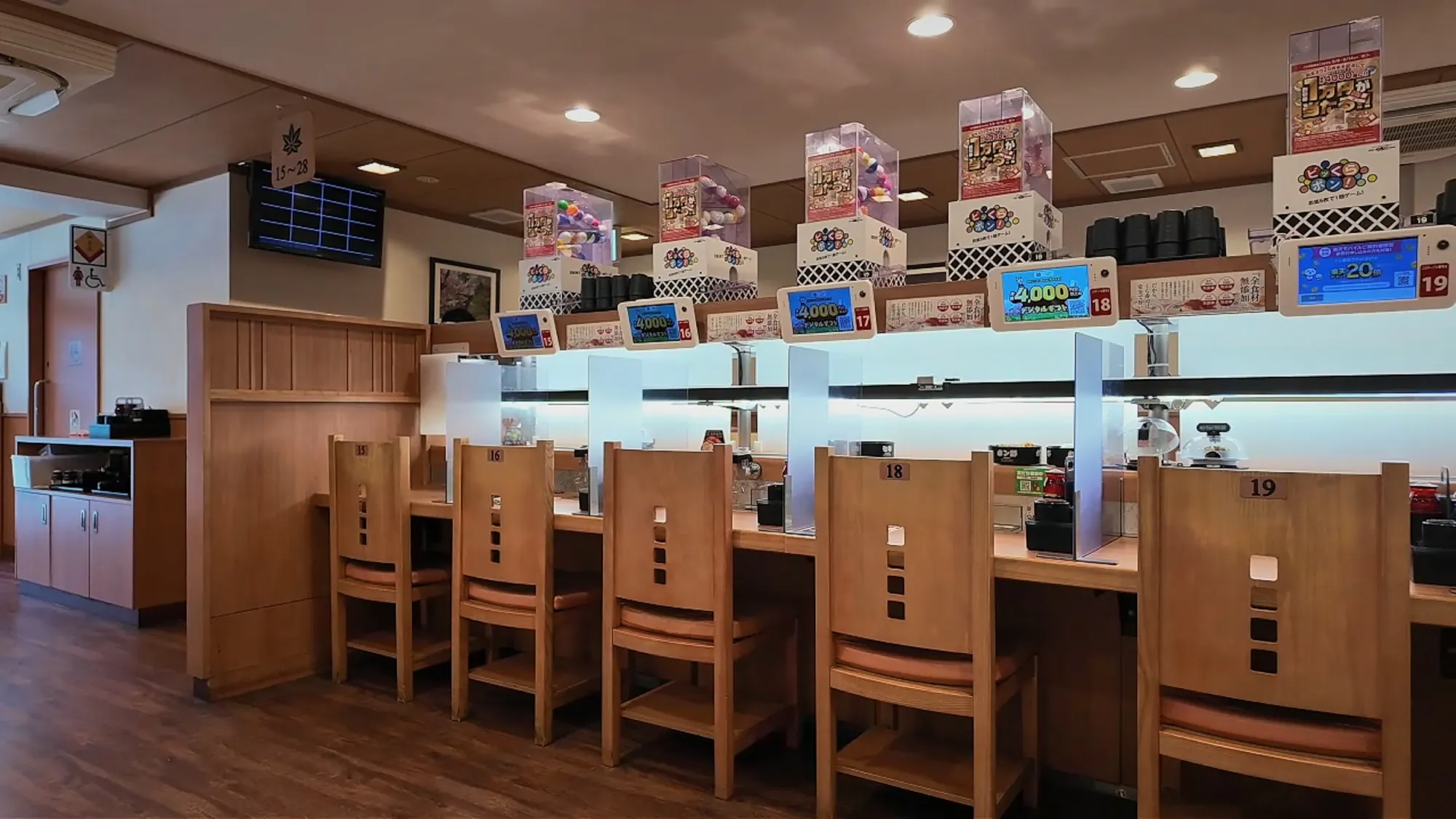
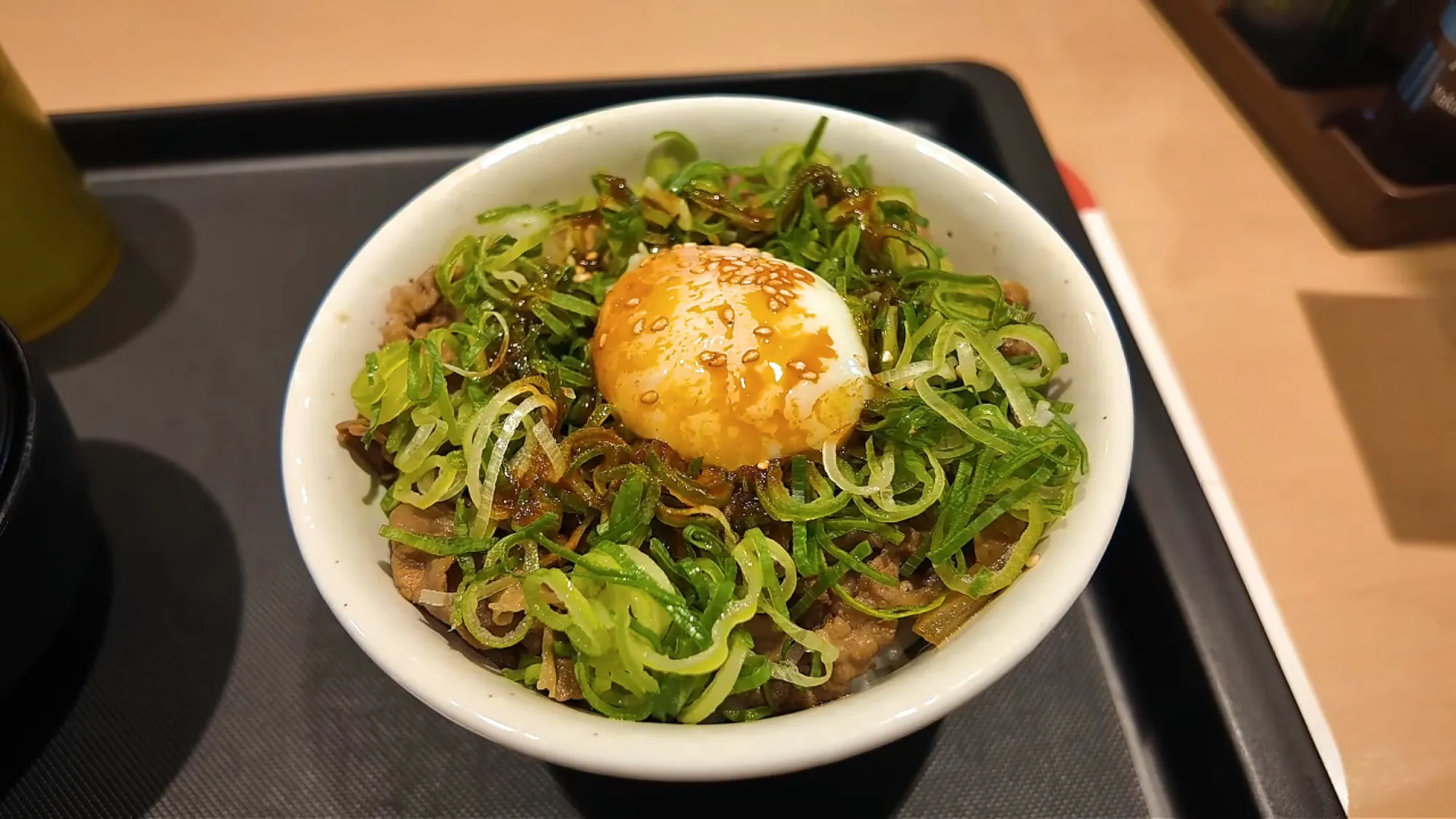
Start with chains like Sushiro and Matsuya. The kiosks speak English, the food is good and cheap, and once you've ordered at two or three of them, every other restaurant feels easy. Our Sushiro guide is a good first meal to copy. To me, chain restaurants are the best way to eat in Japan: cheap, fast, and no Japanese needed.
6. Watch the Locals, and Copy Them // The Best Etiquette Guide There Is
When you're not sure where to stand, which line to join, or whether to talk, look around and do what everyone else is doing. It worked for us every time.
Where to Stay on Your First Time in Japan
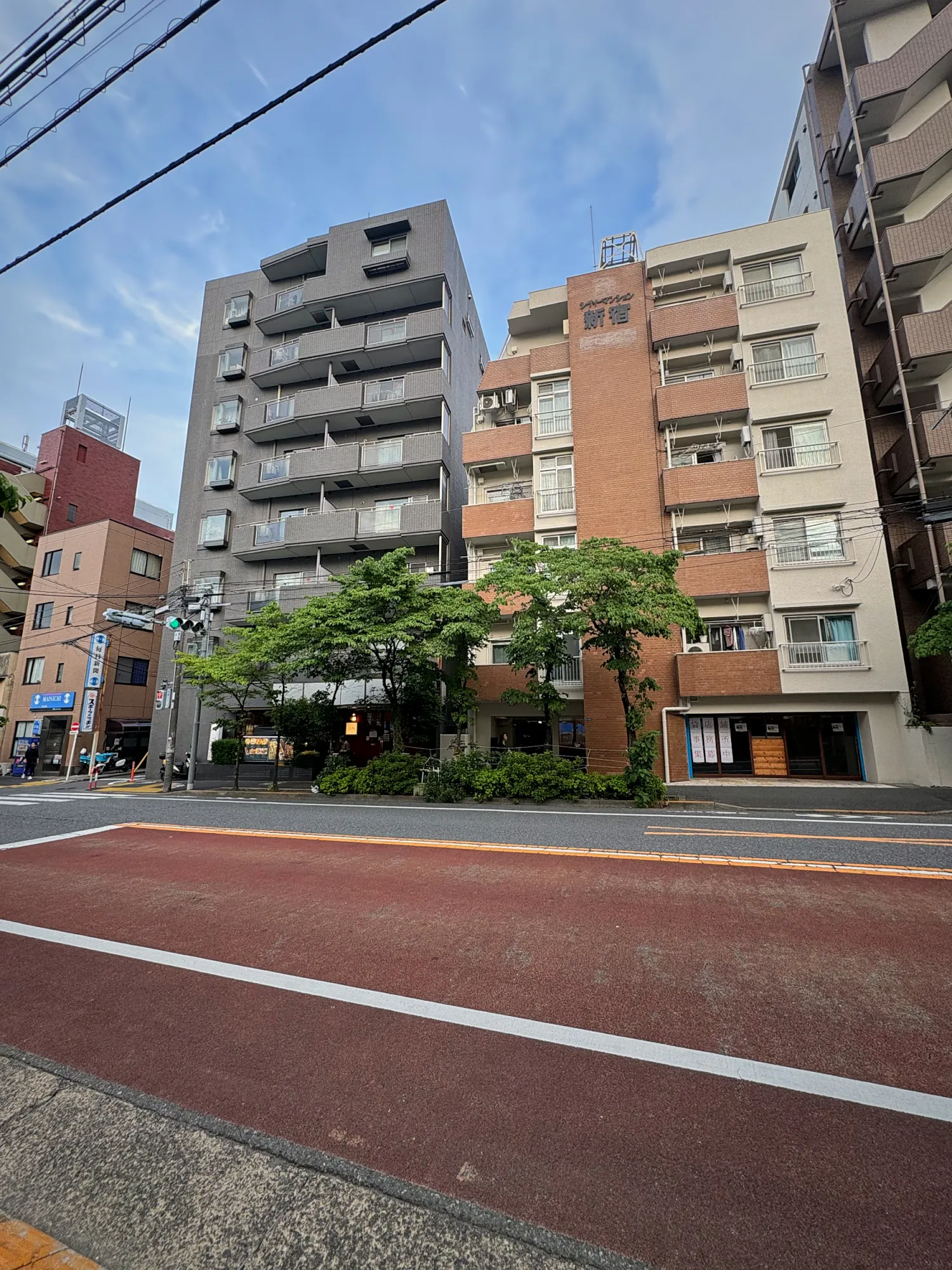
For a first trip, I'd stay in Shinjuku, and closer to the main station than we did. We loved our quiet residential corner of Shinjuku for a month, but the walk into the center adds up on a one-week trip. The good news for a nervous first-timer: Tokyo is so safe and so well connected that you can't really pick wrong. If a neighborhood isn't for you, the rest of the city is a short ride away.
When you're ready, compare hotels in Shinjuku and across Tokyo near a train station, and you'll be set up for an easy first trip.
So, Is Japan Too Scary for a First Trip?
No. Japan feels intimidating for about a day, and then it's one of the easiest places you'll ever travel. Tokyo is for everyone! If Japan is the trip you've been dreaming about, make it your first one.
Next Steps for Your First Trip to Japan
- Things to know before visiting Tokyo: the quick checklist for your first week.
- Is Japan good for solo travel?: if you're making this first trip on your own.
- Dos and don'ts in Japan: the manners that matter, and the rules you can relax about.
- What to wear in Tokyo: what we actually packed and wore for a month.
- Sushiro Tokyo: how to order conveyor belt sushi, an easy first meal in Japan.
- Matsuya gyudon: a cheap beef bowl and a kiosk that walks you through it in English.
- McDonald's in Japan: the day-one comfort meal, with a menu you can't get at home.
Bernie & Cream@bernieandcream
Follow along on Instagram
Bernie & Cream@bernieandcream
Follow along on Threads
Bernie & Cream@bernieandcream
Watch us on TikTok
Bernie & Cream@bernieandcream
Follow along on X
Bernie & Cream@BernieAndCream