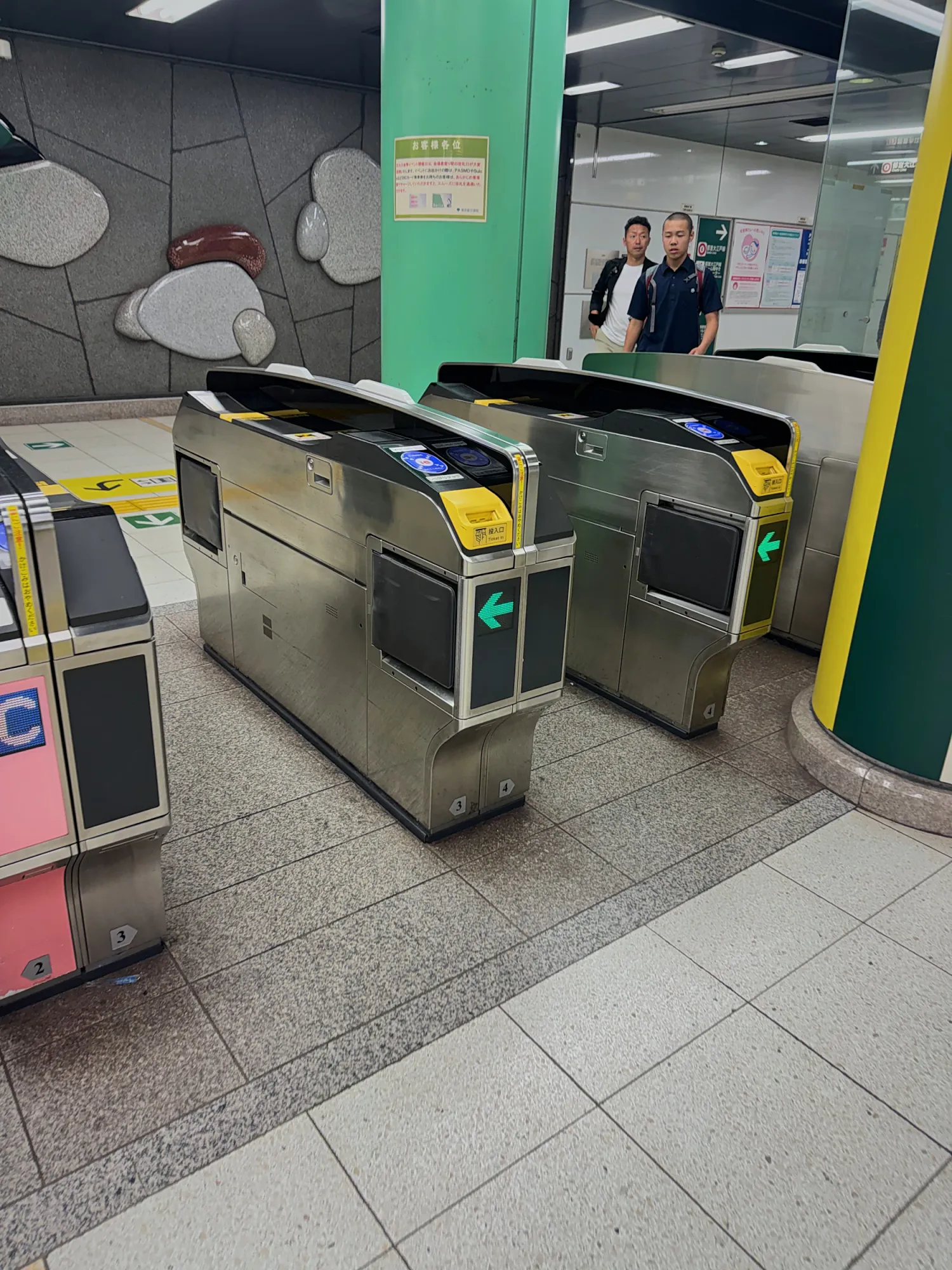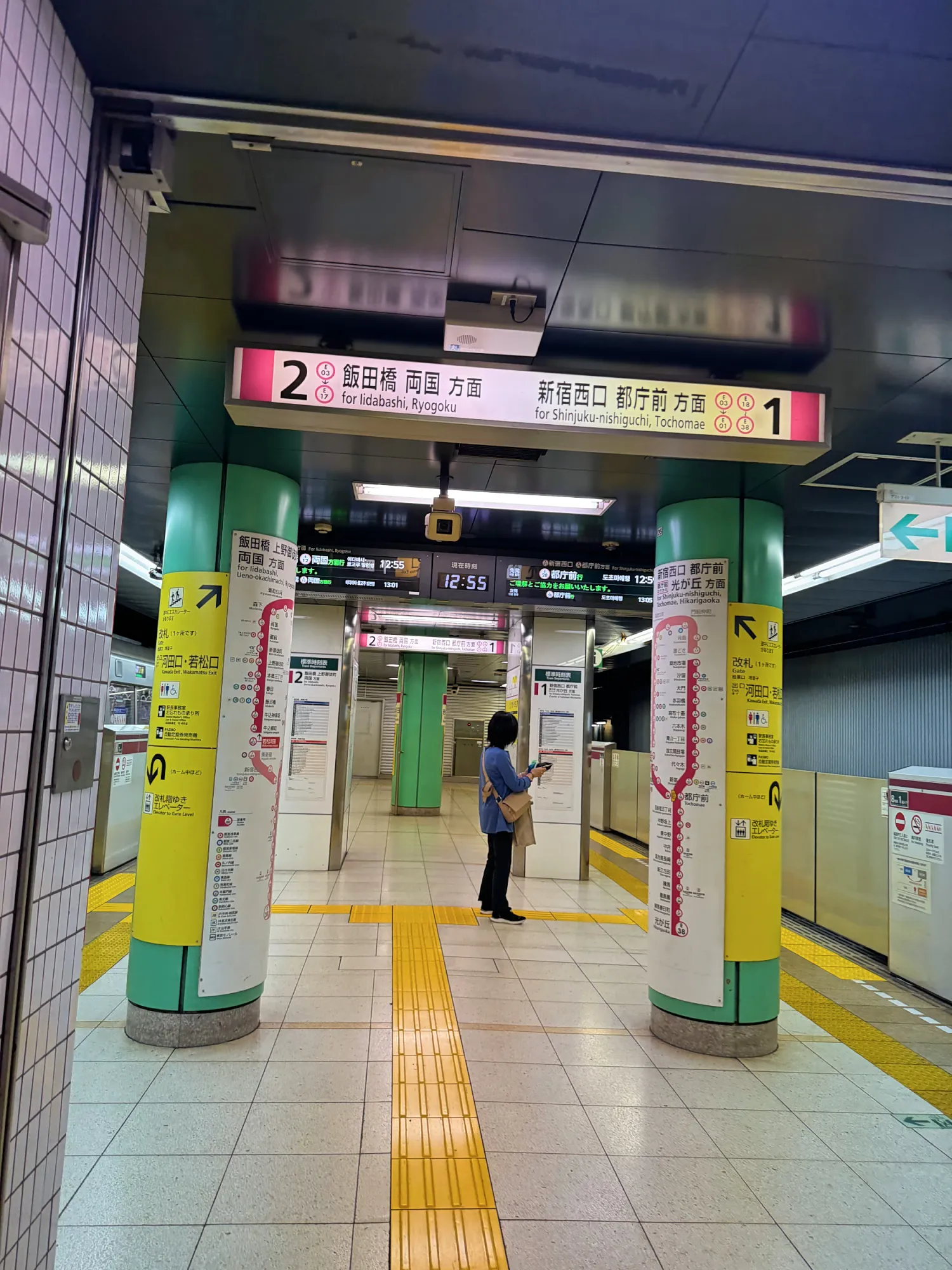
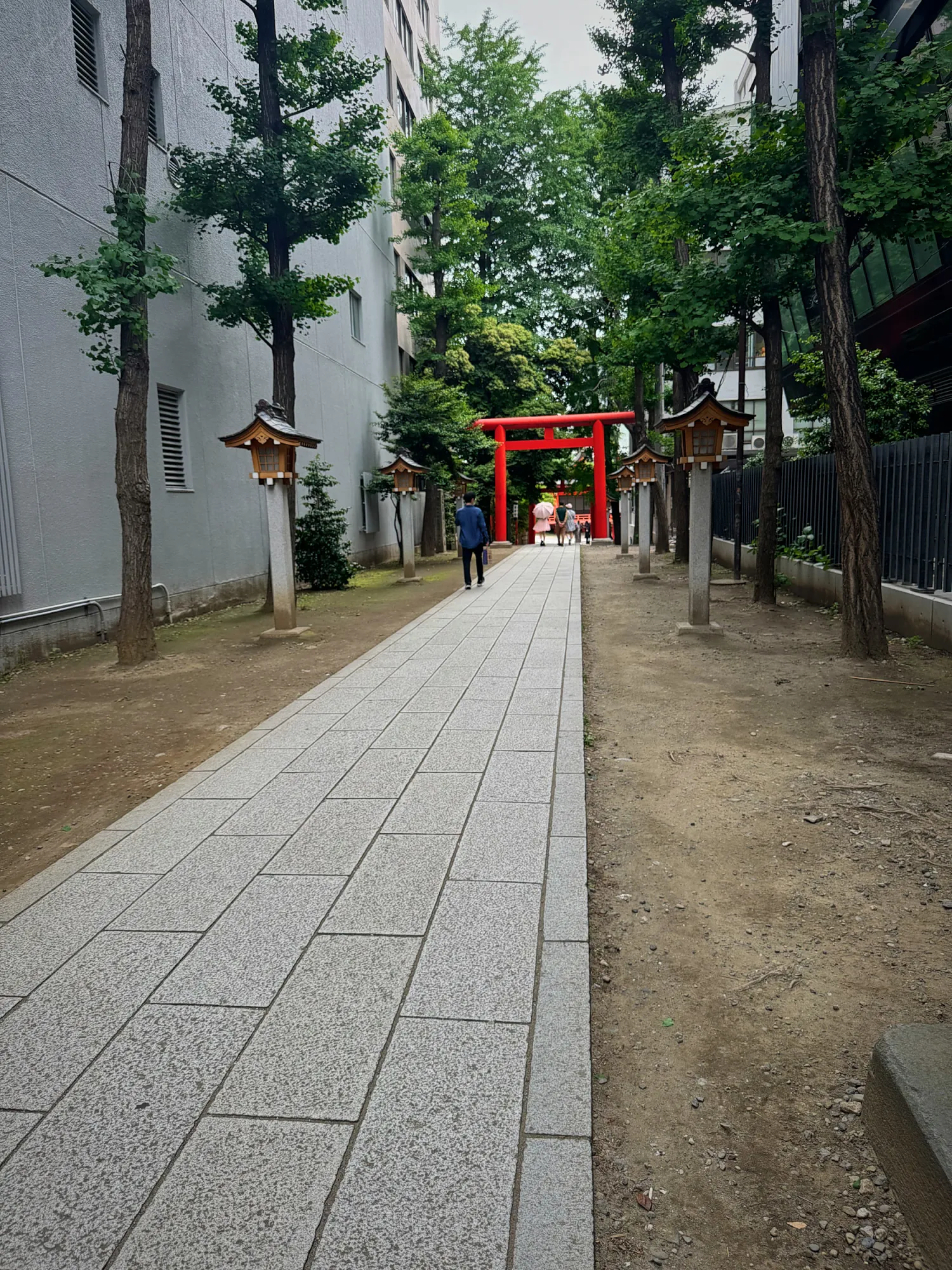
On our first day in Tokyo, Cream and I stepped onto an escalator and stood side by side, the way we always do. Then we looked around. Everyone else was standing on the left, one behind the other, with the right side clear for people walking up. The only thing blocking it was us.
Heads up: some links in this guide are affiliate links. If you book or buy through them, we may earn a commission at no extra cost to you.
In this guide 10 sections
So much for doing our homework. We're quiet travelers, and we always try to learn a country's manners before we land. Our rule is simple: it's better to be quiet than to break a cultural norm.
Japan caught us out anyway. It runs on small, unspoken rules you only learn by watching, like the little tray a cashier slides across the counter. And the lists of dos and don'ts in Japan online mix the rules that matter with the ones nobody follows.
We spent a month living in a quiet corner of Shinjuku and learned most of this from the locals. Below is what we picked up, what we got wrong, and the rules we researched to fill in the rest.
Dos and Don'ts in Japan: The Quick Answer
The dos and don'ts in Japan come down to respecting other people's space and quiet. Keep your voice down, especially on trains. Stand on the left of escalators in Tokyo, line up beside the train doors, carry your trash until you find a bin, put cash in the tray instead of the cashier's hand, and never tip. At shrines and onsens there are a few rituals worth learning, and they're easy once you've seen them.
🟢 Do:
- Stay quiet on trains and in restaurants
- Stand on the left of escalators in Tokyo
- Line up beside the train doors and let people off first
- Carry your trash with you
- Put cash in the little tray at checkout
- Bus your own tray at fast-food chains
- Wait for the green light, even with no cars coming
- Wear a mask if you have a cold
🔴 Don't:
- Take phone calls, play music, eat, or drink on the train
- Tip
- Smoke on the street outside a smoking area
- Stick your chopsticks upright in your rice
- Blow your nose at the table
- Wear shoes onto tatami or past the entryway at home
- Bring stimulant medication into the country

 Bernie & Cream@bernieandcream
Follow along on Instagram
Bernie & Cream@bernieandcream
Follow along on Threads
Bernie & Cream@bernieandcream
Watch us on TikTok
Bernie & Cream@bernieandcream
Follow along on X
Bernie & Cream@BernieAndCream


On Trains and in Stations
Japan's trains are where you'll notice the manners first. Coming from American public transit, it's a different world. If the subway itself worries you more than the manners, how to use the Tokyo Metro breaks down the station codes, platforms, and exits.
Do: Stand on the Left of the Escalator
In Tokyo, you stand on the left and leave the right side free for people walking up. Osaka flips it, so if you visit both, switch sides when you switch cities.
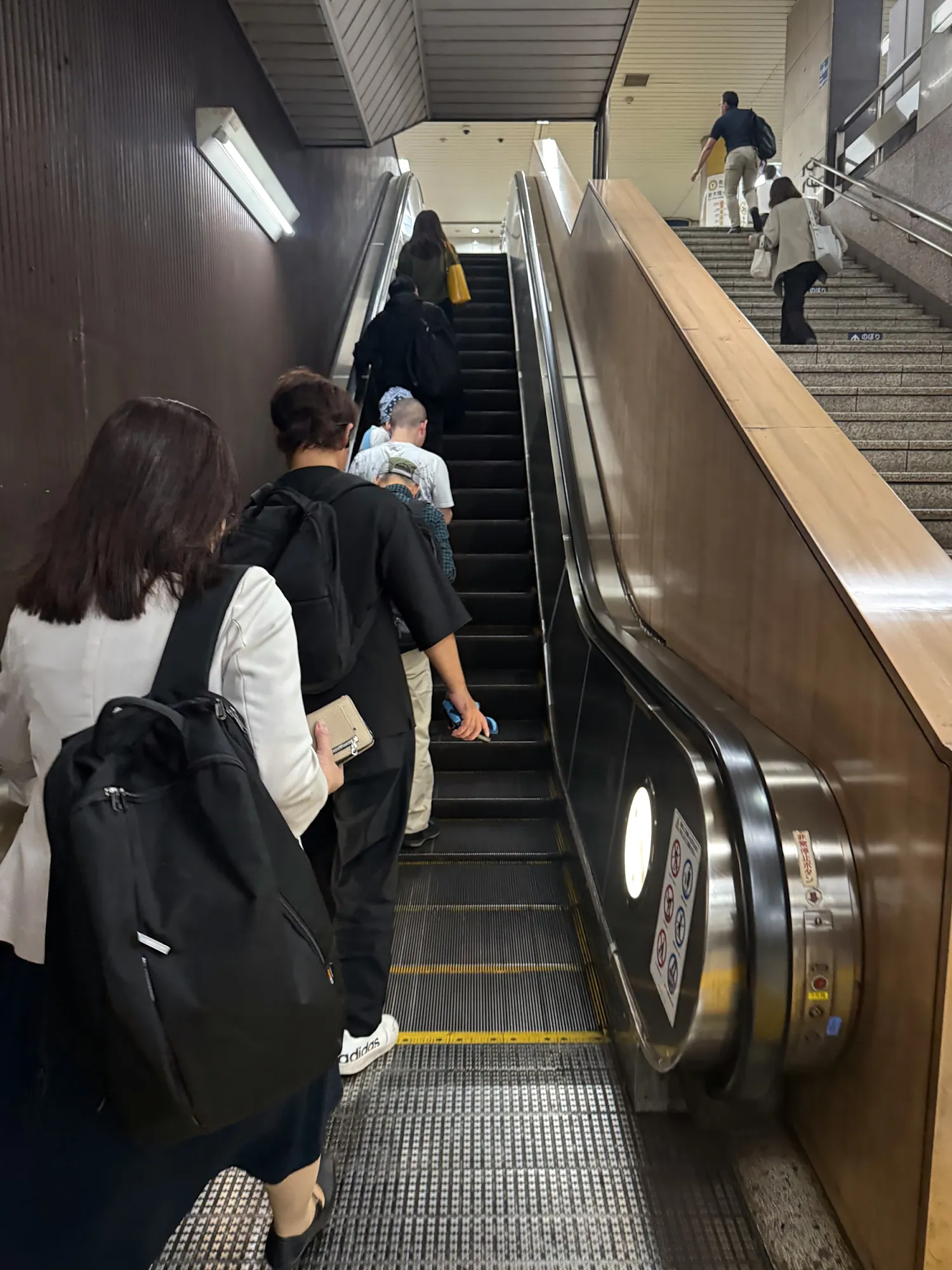
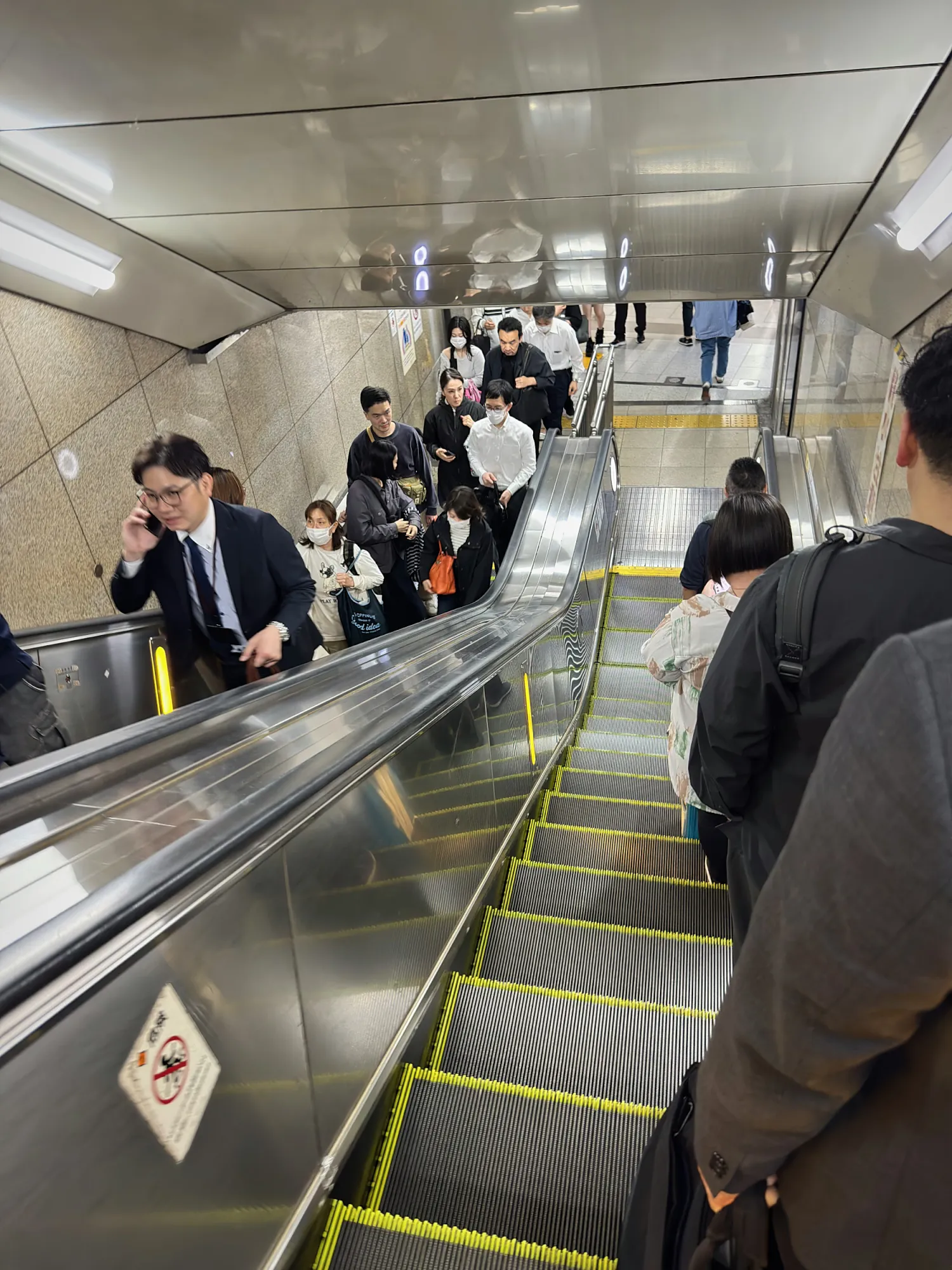
If you're traveling as a pair, this is the easy one to get wrong. Standing next to each other blocks the walking lane, and you stand out instantly.
Rail companies would actually rather nobody walked on escalators at all. They ask people to stand still and hold the handrail, and Saitama, just north of Tokyo, passed an ordinance in 2021 asking riders not to walk on them.6 Most people in Tokyo still keep the right side open, so follow the crowd.
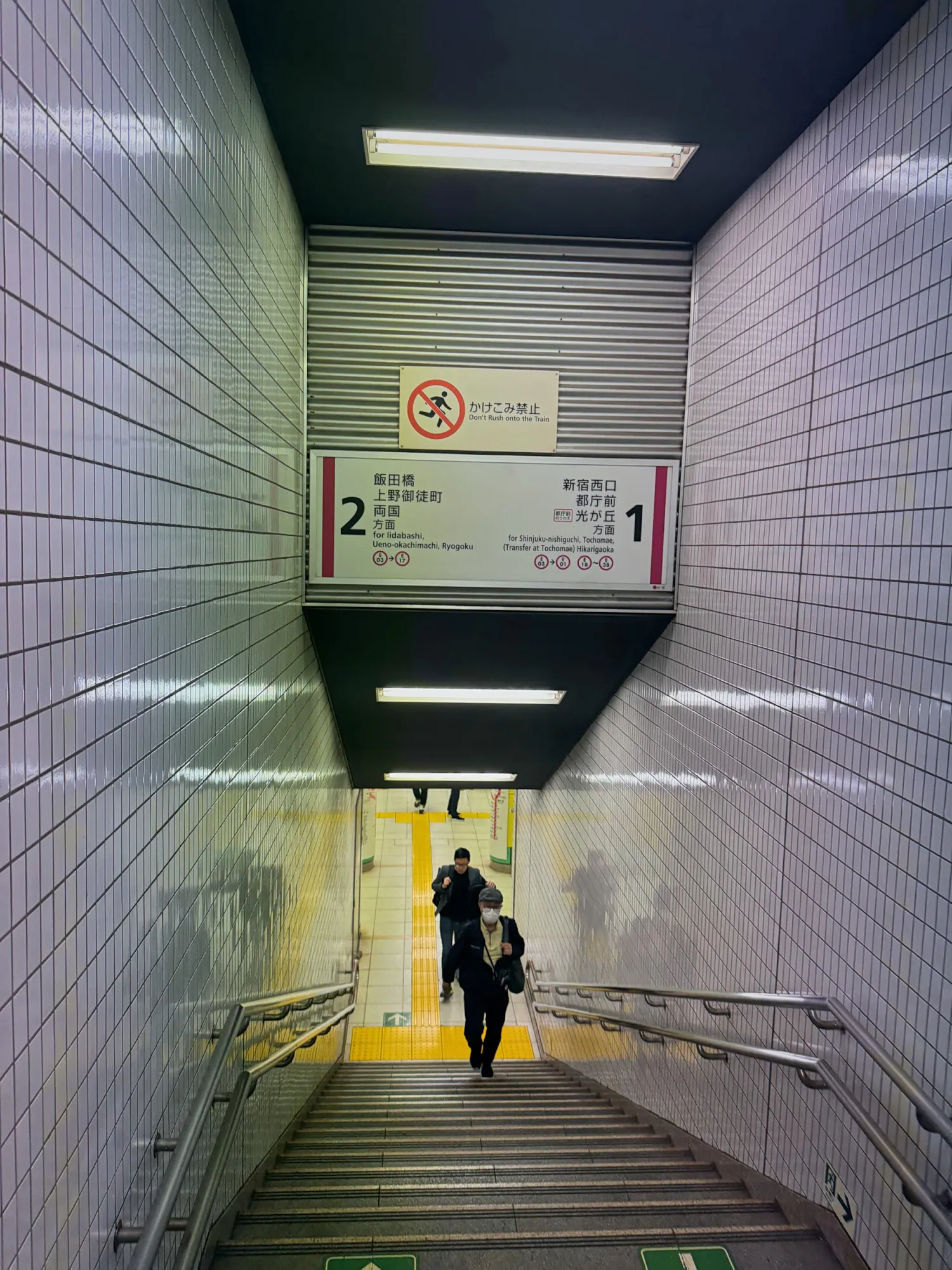
Don't: Talk on the Phone, Play Music, Eat, or Drink on the Train
A full Tokyo subway car can be quieter than a library. Phones stay silent, earbuds stay in, and food and drinks stay in your bag. Break that and the stares come fast. Japan's tourism organization says any phone call on a train or bus is generally frowned upon, while talking softly to the person next to you is fine.1
Cream and I keep our voices low on any public transit, and in Japan we mostly didn't talk at all. I rode the light rail to work in Denver for a year and a half, and a Tokyo train is the complete opposite of an American one. Put your phone on silent, text instead of calling, and save the snack for the platform.
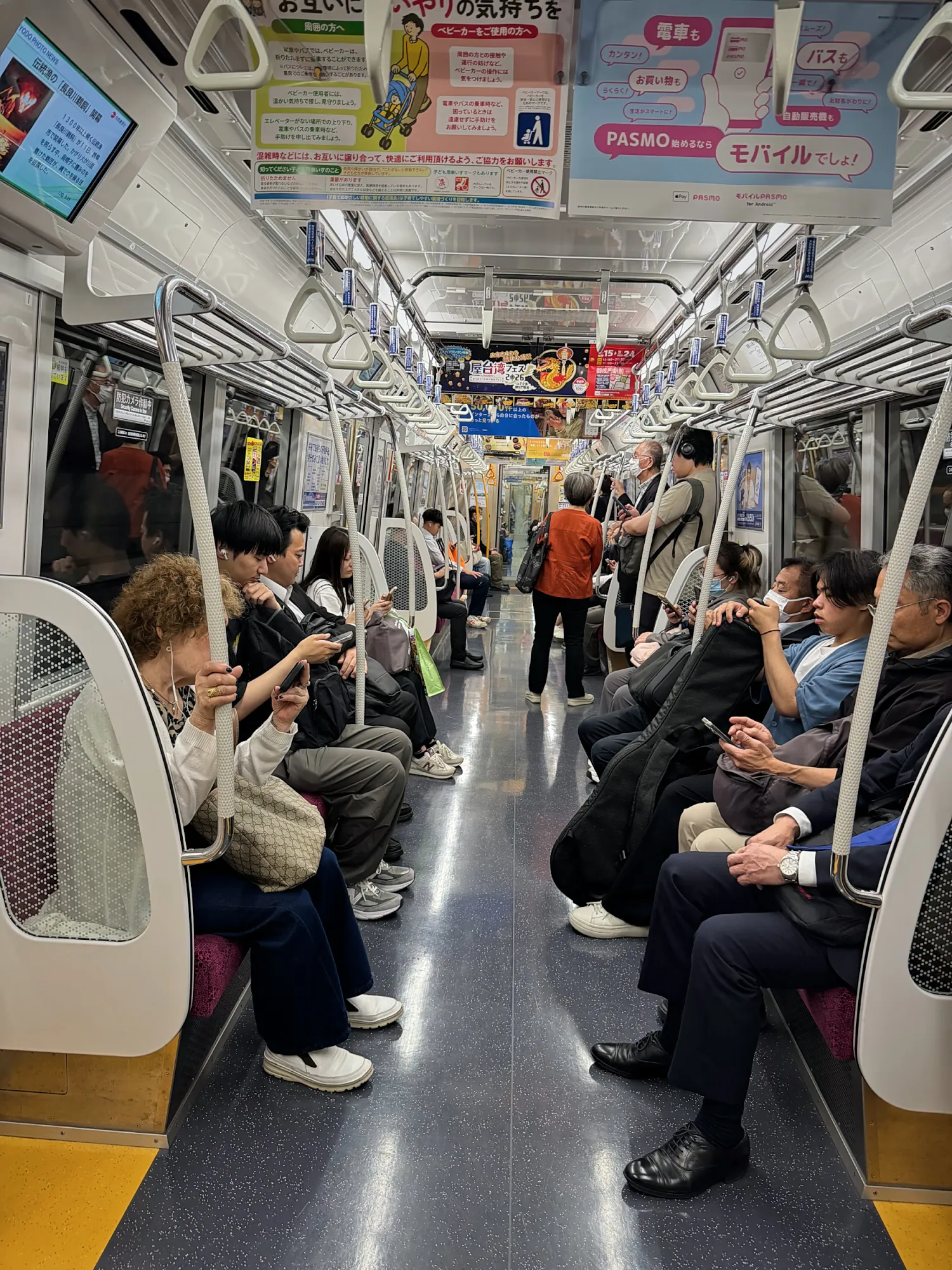
Do: Line Up Beside the Doors and Let People Off First
Look down on the platform and you'll see markings showing exactly where each door stops. Form two lines, one each side of the markings, so the center stays open. Riders getting off use that lane first, then both lines board.
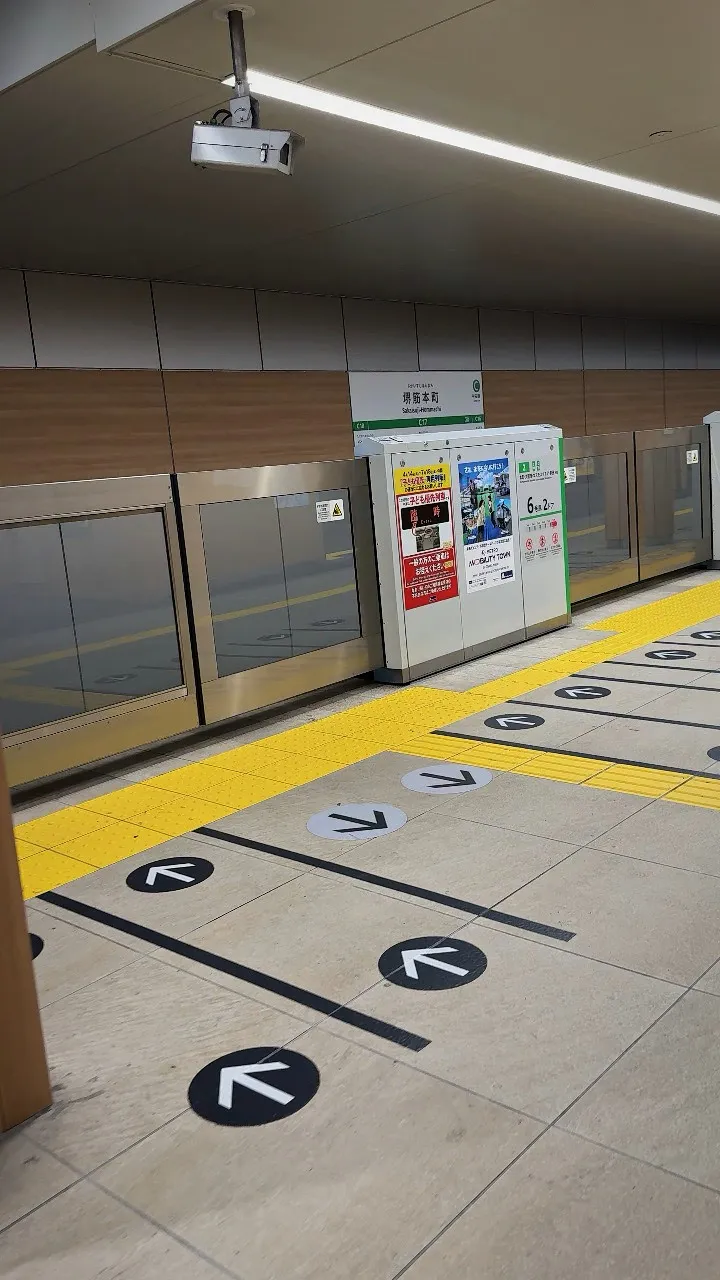
Do: Give Up Priority Seats
Every car has priority seats near the doors for older passengers, pregnant women, and people with disabilities. If you're sitting in one and someone who needs it gets on, stand up. We did that for older passengers too.
Rush hour gets packed, so we avoided it when we could. Even outside rush hour, the trains to Shibuya were always busy.
Do: Take Your Backpack Off in a Crowded Car
On a packed train, a backpack on your shoulders takes up the space of another person and bumps everyone behind you. Before you squeeze in, take it off and wear it on your front, hold it down by your legs, or put it on the overhead rack.
Don't: Board a Women-Only Car by Mistake
Many Tokyo commuter lines set aside a women-only car at the busiest times. Look for pink signs on the platform and on the train doors. If you're a man traveling at rush hour, check the sign before you line up, and pick the next door down if it's marked.
In Restaurants and Shops
Japanese restaurants are some of the easiest in the world for a tourist, because so many of them run on kiosks and tablets with English menus. A few habits will still make you look like you know what you're doing. If a kiosk is the part that worries you, how to order food in Japan shows each screen step by step.
Do: Keep Your Voice Down
Restaurants are quiet too. Everyone is there to relax and eat, often alone, so don't be the loud table. It's one reason we loved the chain restaurants: you can sit in peace and eat.
Do: Put Cash in the Tray
At the register, there's a little tray on the counter. Put your cash or card in the tray instead of handing it to the cashier, and your change comes back on it too. As Americans, this felt weird, and we only started doing it once we noticed. We didn't pay cash much in Tokyo, though, because almost everywhere took cards or a Suica card. Before you change money, see whether to bring cash or card to Japan and how much yen to bring.
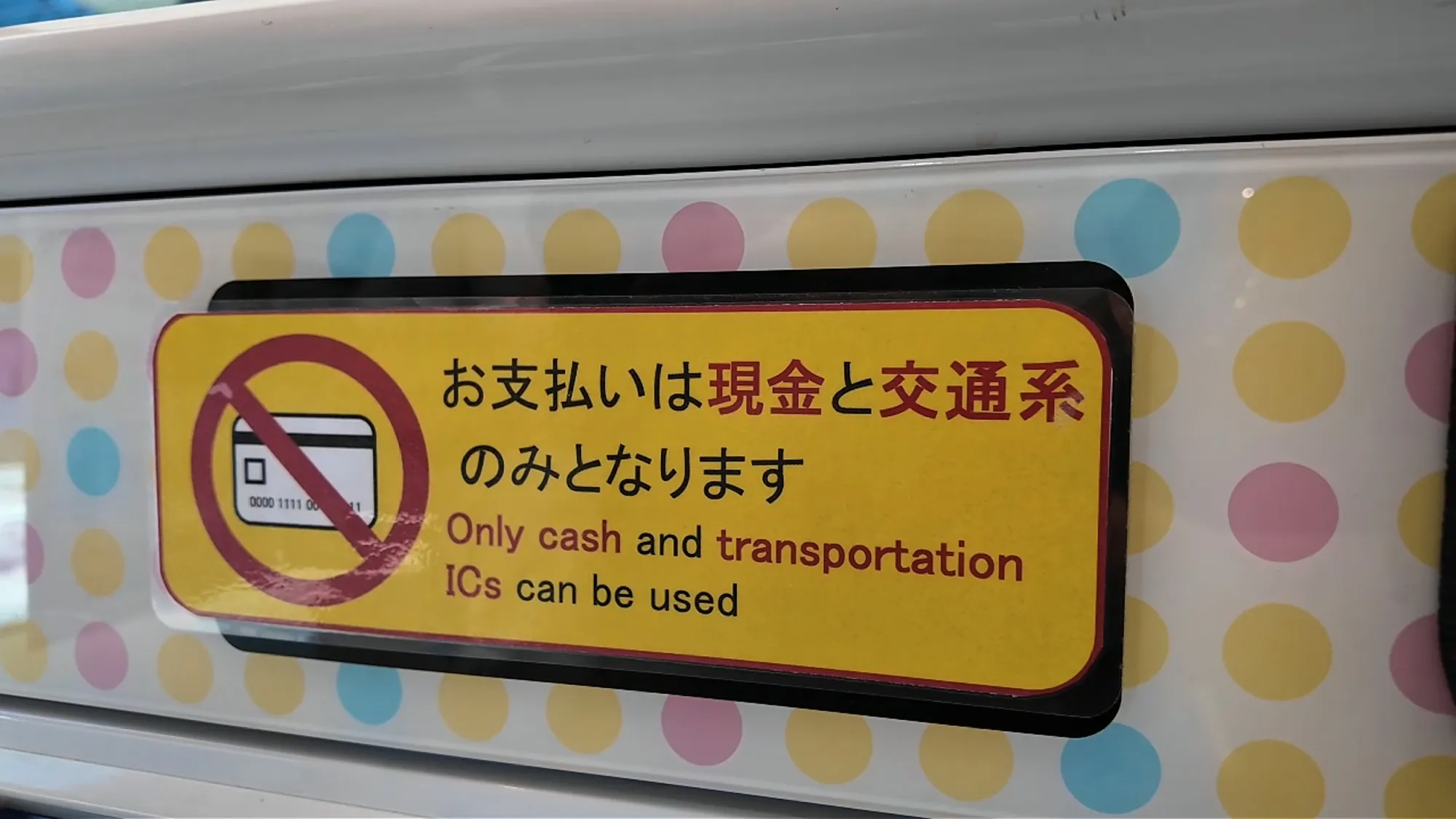
Don't: Tip
There's no tipping anywhere in Japan, and leaving extra money can come across as rude. Staff may even try to hand it back. The price on the screen or the bill is the whole price, at restaurants, bars, taxis, and hotels.5
Do: Slurp Your Noodles
Slurping ramen isn't rude. Most people slurp, and we did too, including at Ichiran. Japan's tourism organization says you shouldn't feel you have to slurp, so if it isn't you, just eat quietly.1
Do: Bus Your Own Tray at Fast-Food Chains
At counter-service chains like McDonald's, you clear your own tray at the return station before you leave. We bused ours every time. At sit-down places with table service, you leave the dishes on the table.
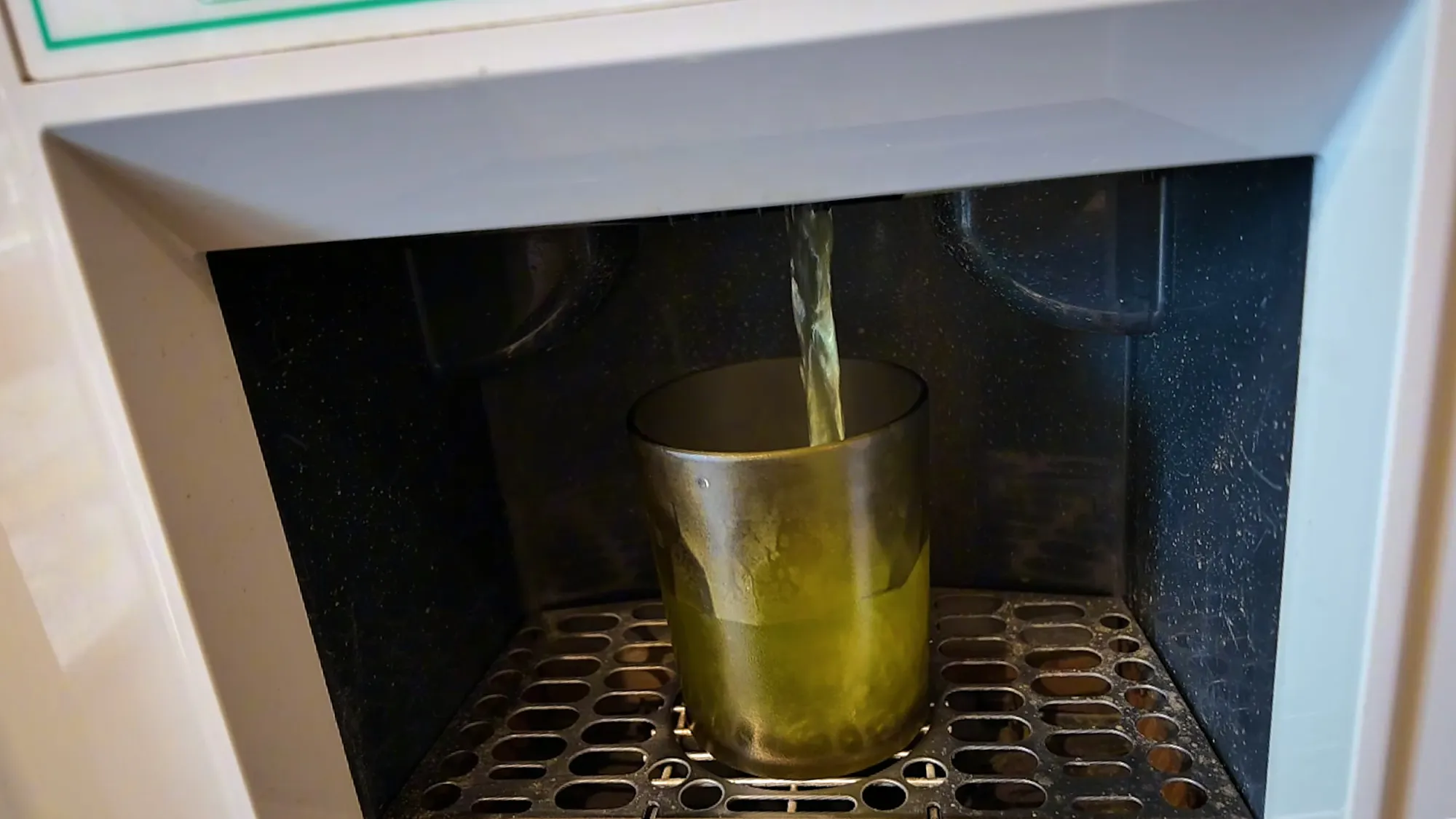
Do: Serve Yourself Water and Tea
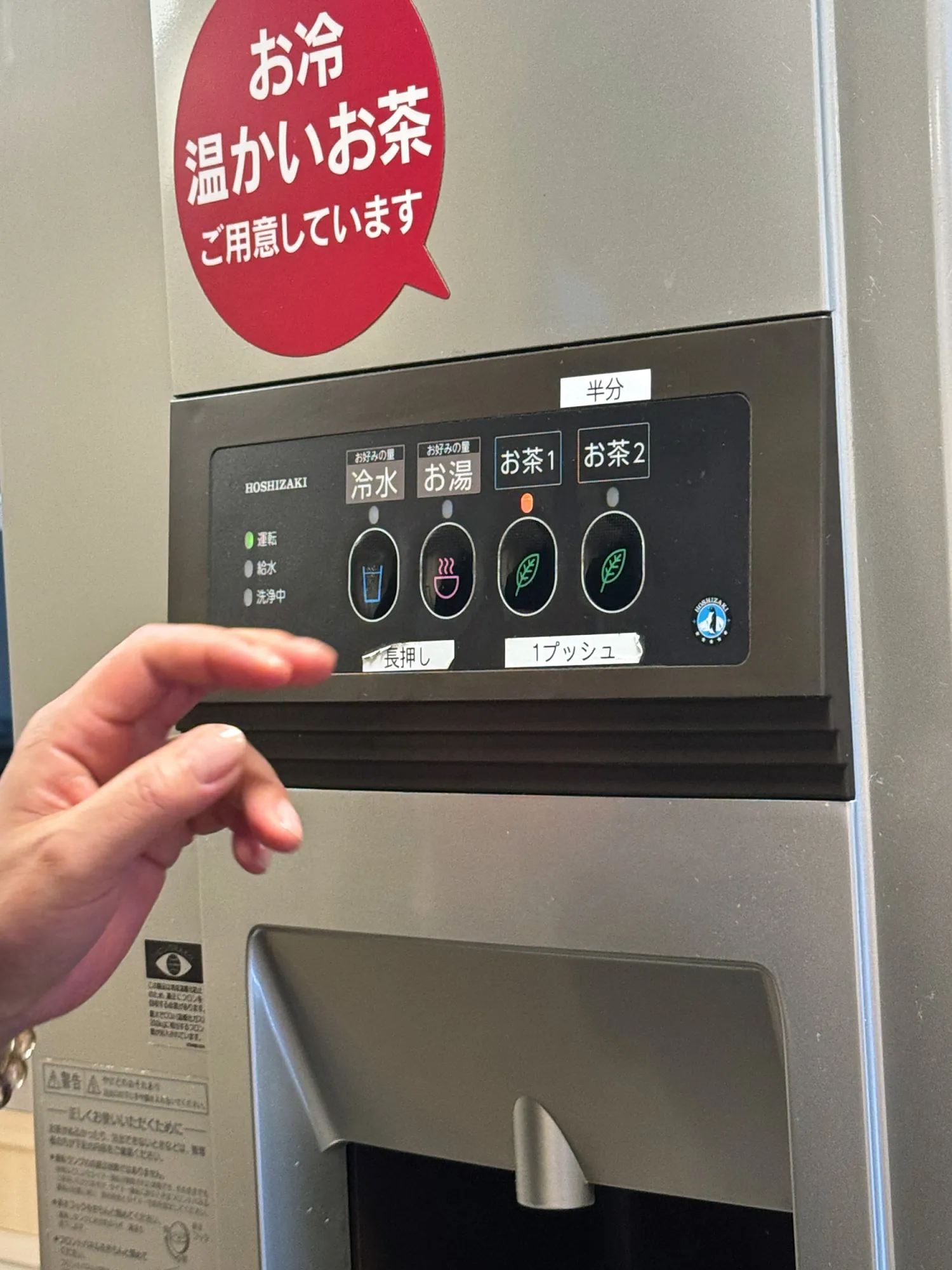
Many cheap chains have a free water and tea station, either on the table or on the wall. Don't wait for someone to bring you a glass. Pour your own, and refill as often as you like. At Tenya, the tempura bowl chain, the hot and cold water and tea were all self-serve.
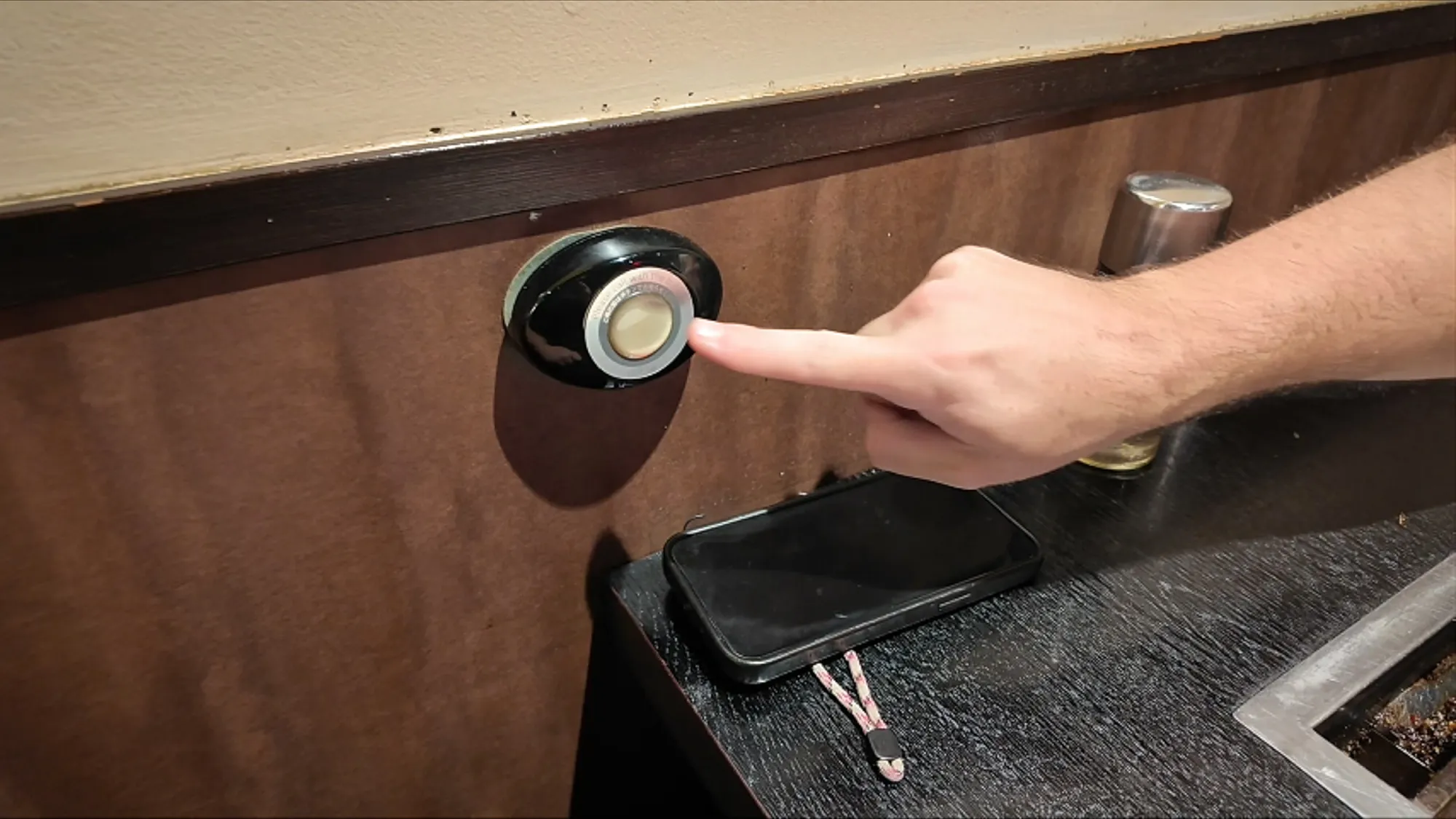
Do: Use the Call Button
At restaurants without kiosks, there's often a call button on the table. Press it when you're ready to order, instead of waving or shouting across the room. Saying sumimasen (excuse me) works too.
Don't: Stick Your Chopsticks Upright in Rice
Two chopstick habits are tied to funerals in Japan, so avoid them at the table. Don't stand your chopsticks upright in a bowl of rice, and don't pass food from your chopsticks to someone else's. Rest them on the chopstick rest or across your dish, and use the serving chopsticks to share.
Don't: Blow Your Nose at the Table
Blowing your nose in front of people, especially while they're eating, comes across as rude in Japan. Excuse yourself to the restroom, or step outside. A quiet sniffle draws less attention than a loud blow.
Don't: Linger After You Eat
Meals in Japan are quick by design, and lingering over coffee afterward isn't the norm. Even the relaxed spots, like Torikizoku or Sushiro, cap out around two hours. When people are waiting outside, wrap up and free the table.
Do: Join the Line
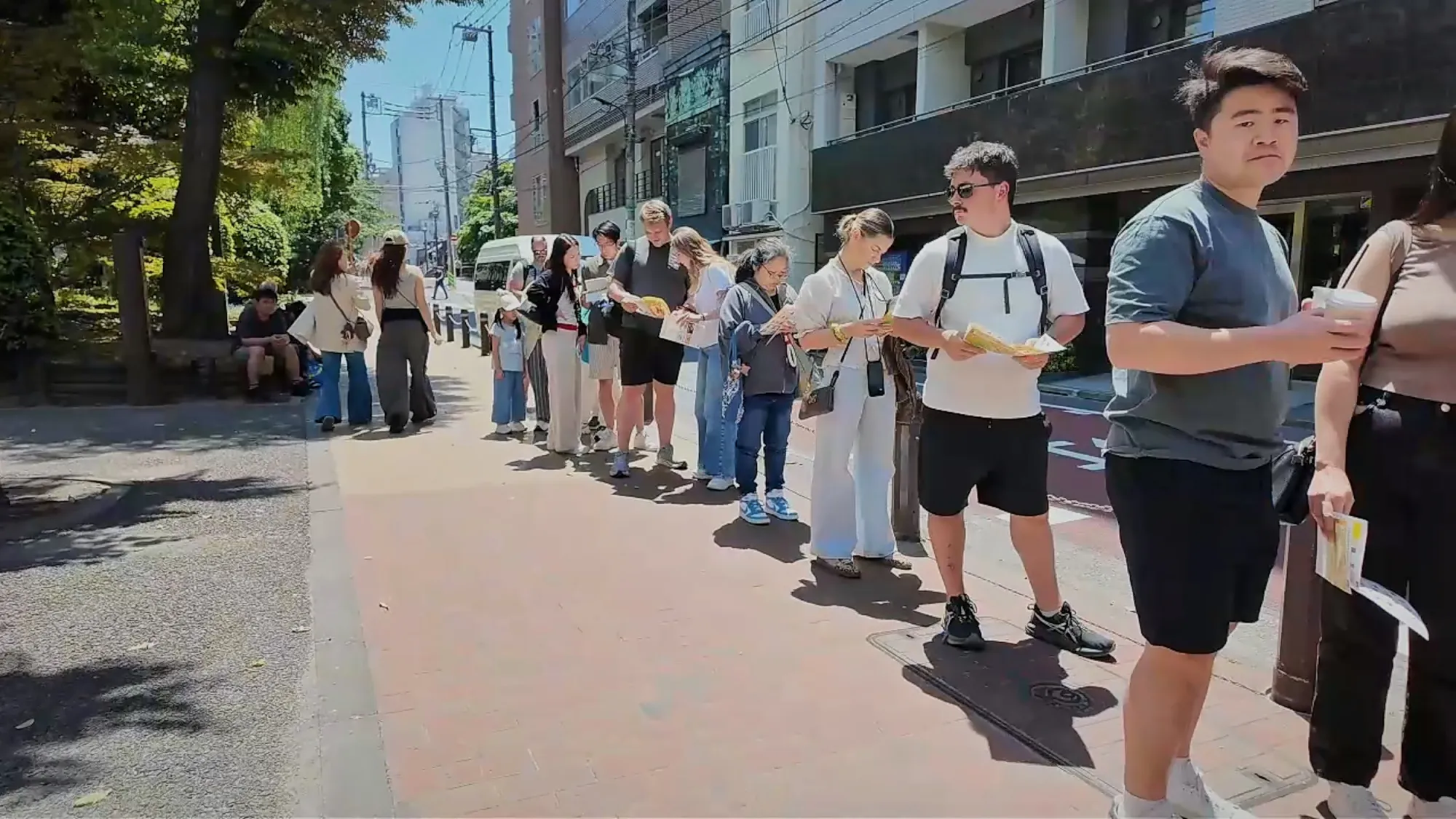
Japan loves a queue. Popular shops have lines down the sidewalk, and many mark exactly where to stand on the floor. Join the back and wait your turn.
Do: Bag Your Umbrella
When it rains, shops put a stand at the door with long plastic bags for wet umbrellas. Slide yours into one before you walk in so you don't drip on the floor. They're everywhere once you start looking.
On the Street
Do: Carry Your Trash With You
Public bins are close to nonexistent in Tokyo, yet the streets stay spotless, because everyone takes their trash home. Do the same. We often had an empty bottle with us for hours, waiting to toss it at the apartment. If you can't wait, look for the recycling bins beside vending machines or inside a convenience store.
Don't: Smoke on the Street
We don't smoke, but this one is big. Many Tokyo neighborhoods ban smoking on the street, and Japan's tourism organization warns that smoking while walking or dropping butts can get you fined.1 There are even no-smoking signs painted on the sidewalk. If you smoke, look for the small smoking rooms and marked smoking areas.
Do: Wear a Mask If You're Sick
If you have a cold, put on a face mask in public. People in Japan wear them so they don't pass anything on, and it's considered polite rather than strange. Every convenience store and drugstore sells them.
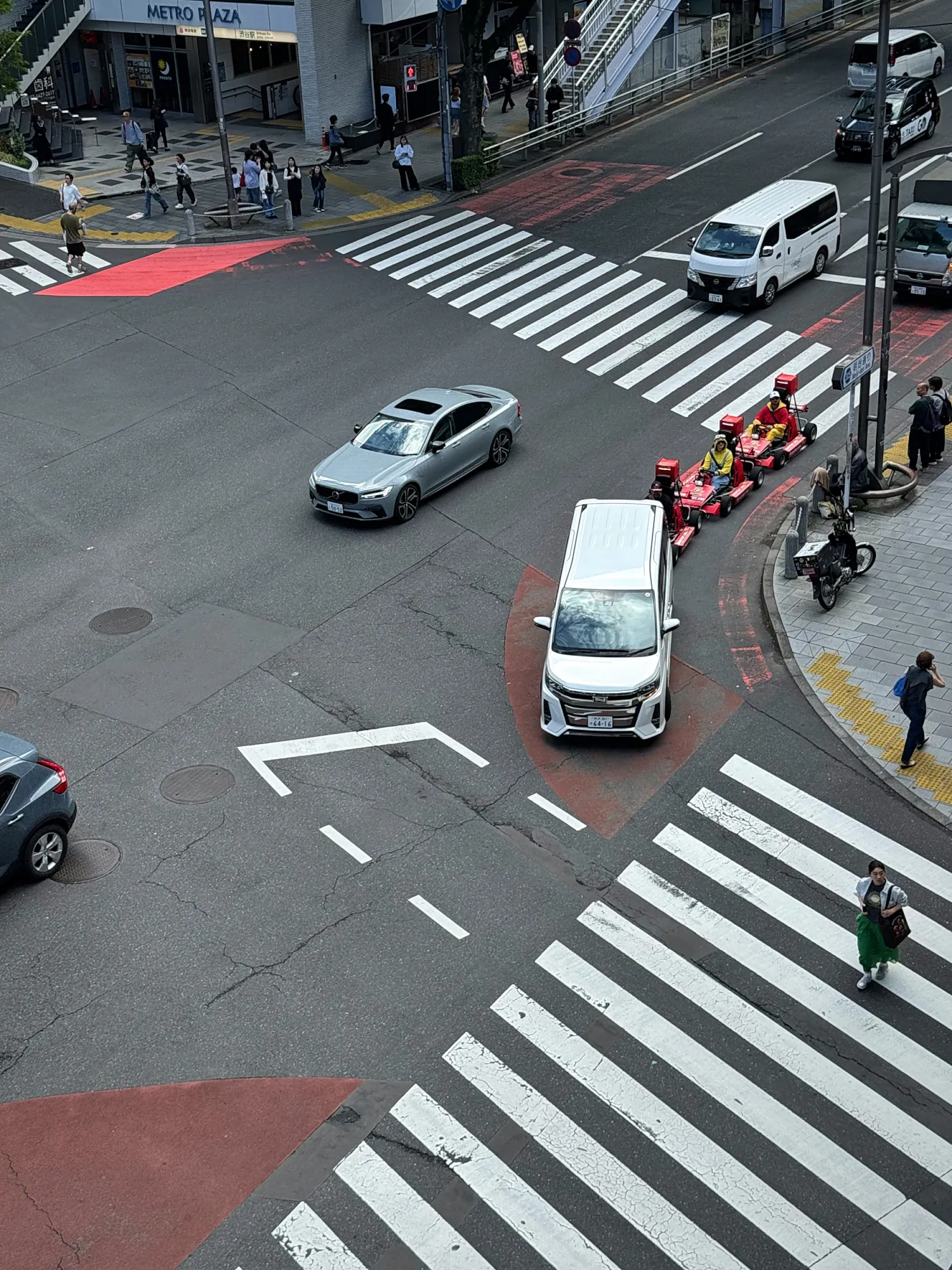
Do: Wait for the Green Light
Nobody jaywalks in Tokyo. Even with no cars coming, everyone waits for the green light, standing in a neat line. Do the same.
Do: Let the Taxi Door Open for You
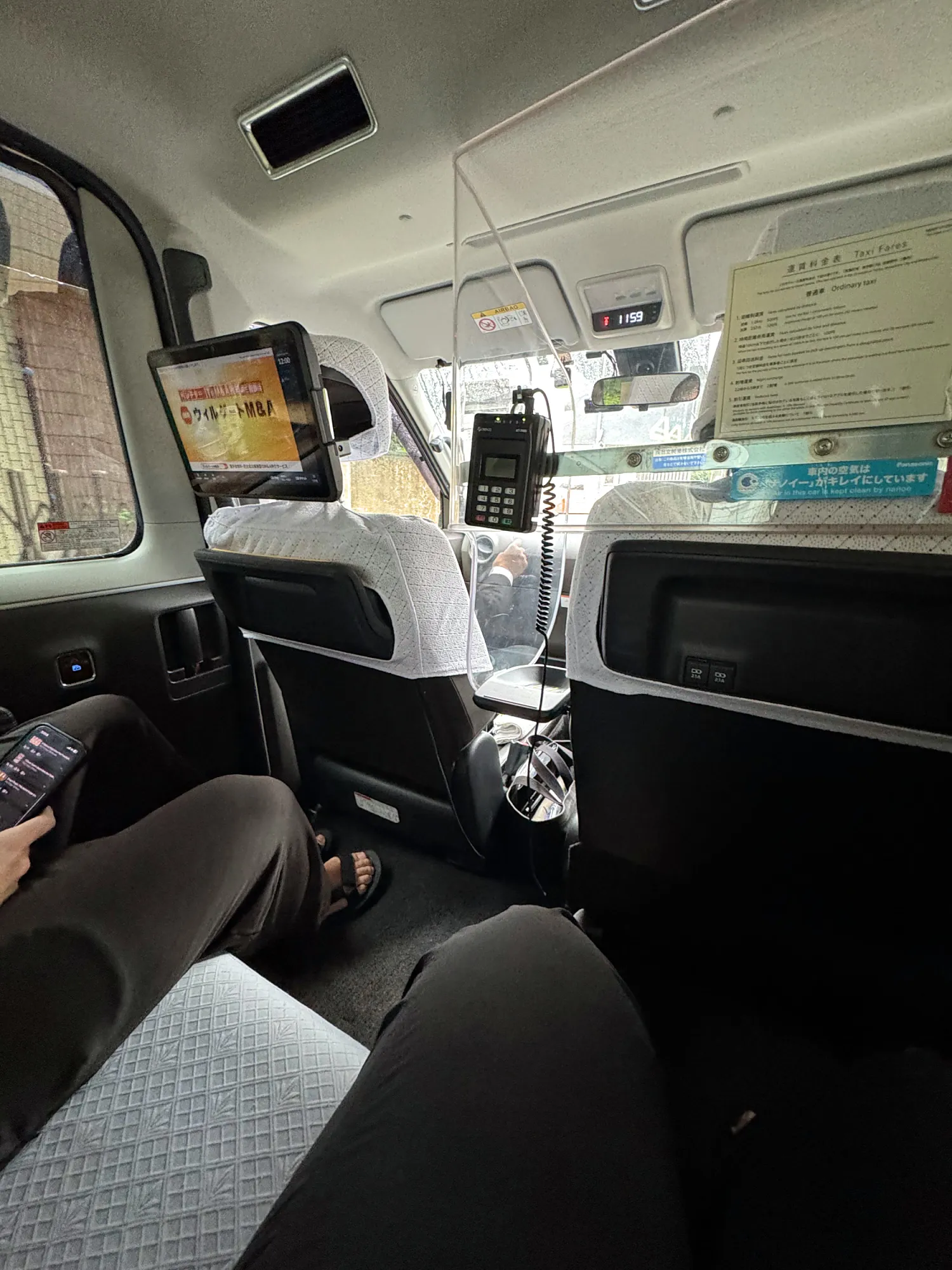
Tokyo taxi doors open and close on their own, so wait for the back door and leave it alone. We learned it on our only ride, an Uber we called when rain caught us before a sushi reservation, and the door simply opened for us.
Don't: Follow the Bar Touts
Kabukicho has men standing along the sidewalks trying to steer people into bars. We walked through all month and they never stopped us, though we watched them work on others. If one tries to wave you in, a polite shake of the head and keep walking is all you need.
At Your Apartment or Hotel
Do: Take Your Shoes Off
Shoes come off at the entrance of a Japanese home, including your Airbnb, and at some restaurants, temples, and traditional inns. There's usually a small step up from the entryway, and that's where shoes stop.
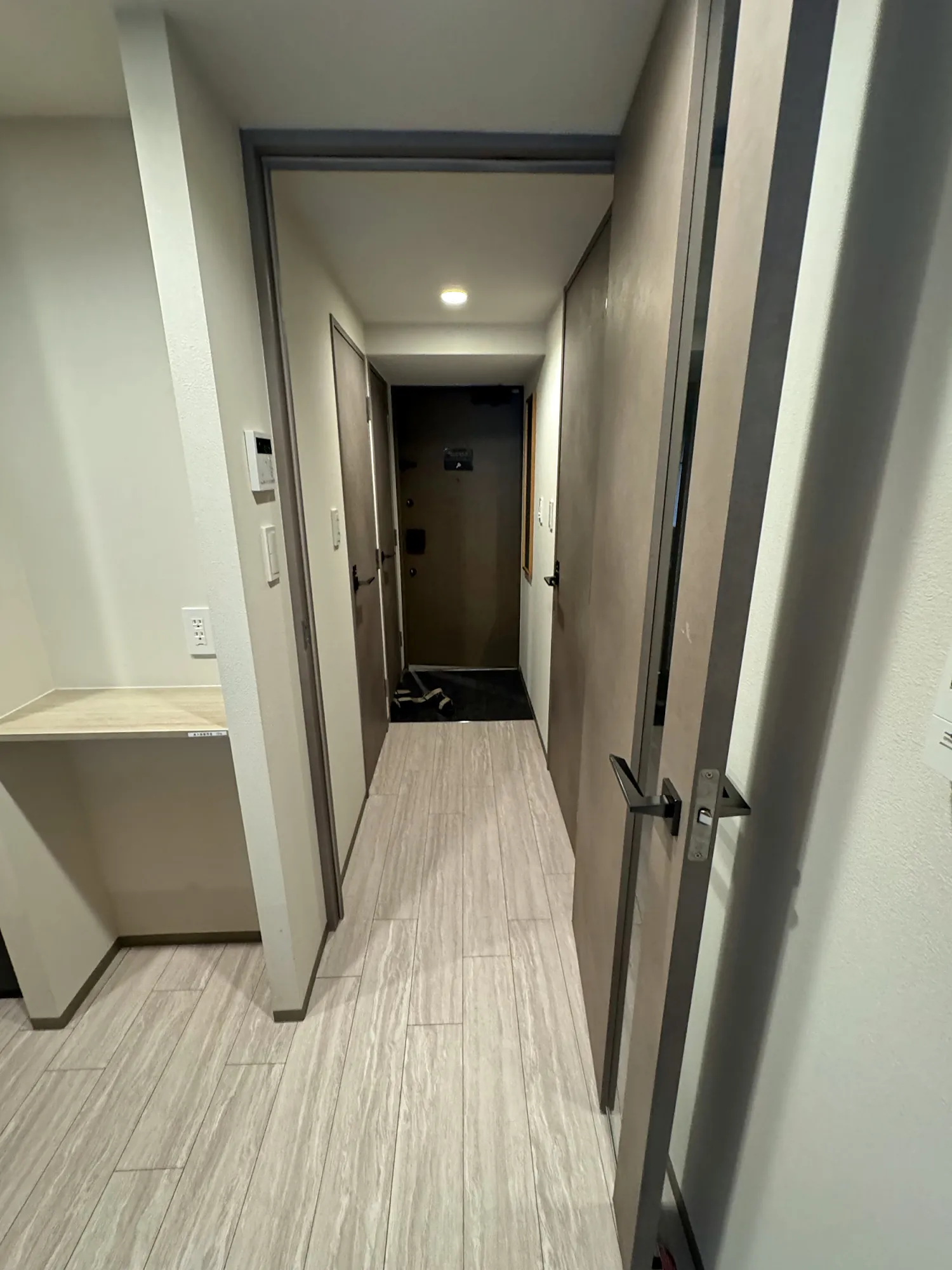
Some restaurants have shoe lockers by the door.
If slippers are provided, take them off before you step onto tatami mats. Many bathrooms have their own pair of toilet slippers, which you only wear in there.1
Do: Sort Your Trash
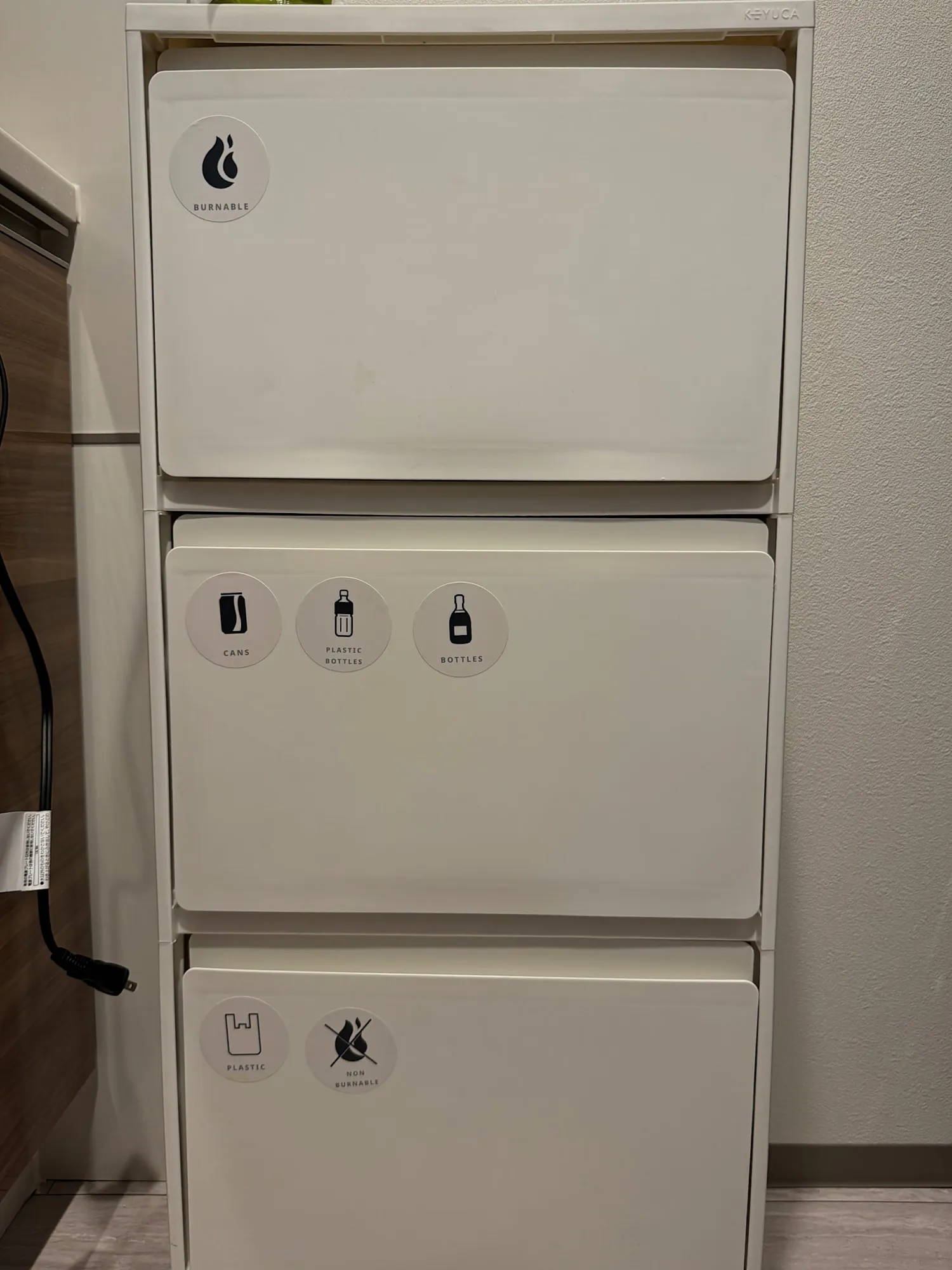
Japan sorts its garbage into burnable trash, non-burnable trash, and several kinds of recycling. Our Airbnb had one bin split into compartments for each type, which I loved, and our building had a trash room where it all went. If you're in an Airbnb, check the host's instructions, because collection rules differ from neighborhood to neighborhood.
Do: Keep It Down at Night
Japanese apartments are close together, and the walls aren't thick. Residential streets get very quiet after dark, so keep your voice down when you come home late, in the hallway as well as inside, and don't roll a suitcase through the building at midnight if you can help it. If your Airbnb's house rules list quiet hours, stick to them.
At Shrines and Temples
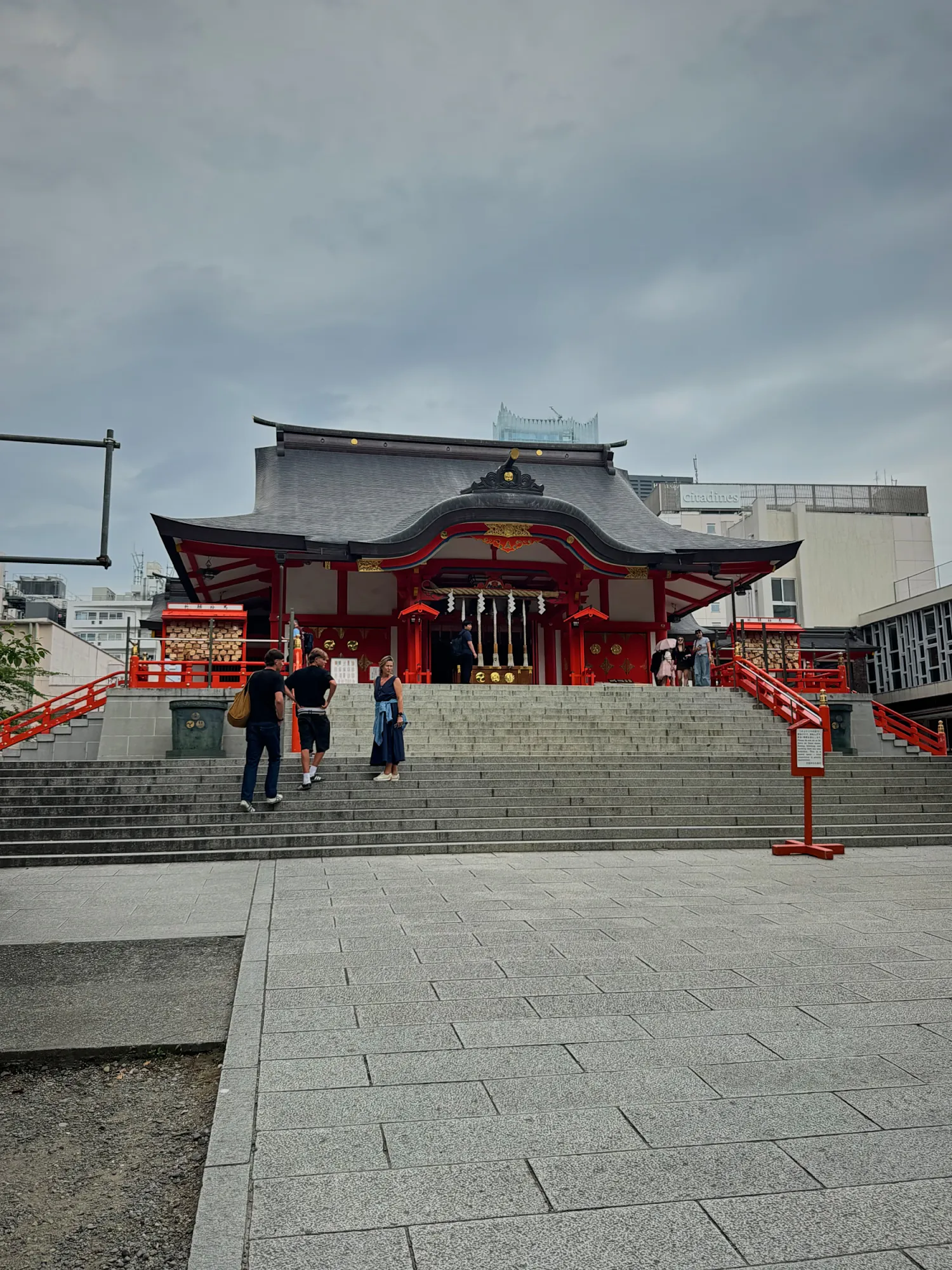
I went to a little shrine near our apartment every morning. It was peaceful. I'll admit we didn't do the rituals the "right" way, though. If you'd like to do it properly, here's what Japan's tourism organization recommends.2
Do: Bow at the Torii and Walk to the Side
Shinto shrines start with a torii gate. Bow once before you walk through it, and keep to the left or right of the path instead of the exact center.
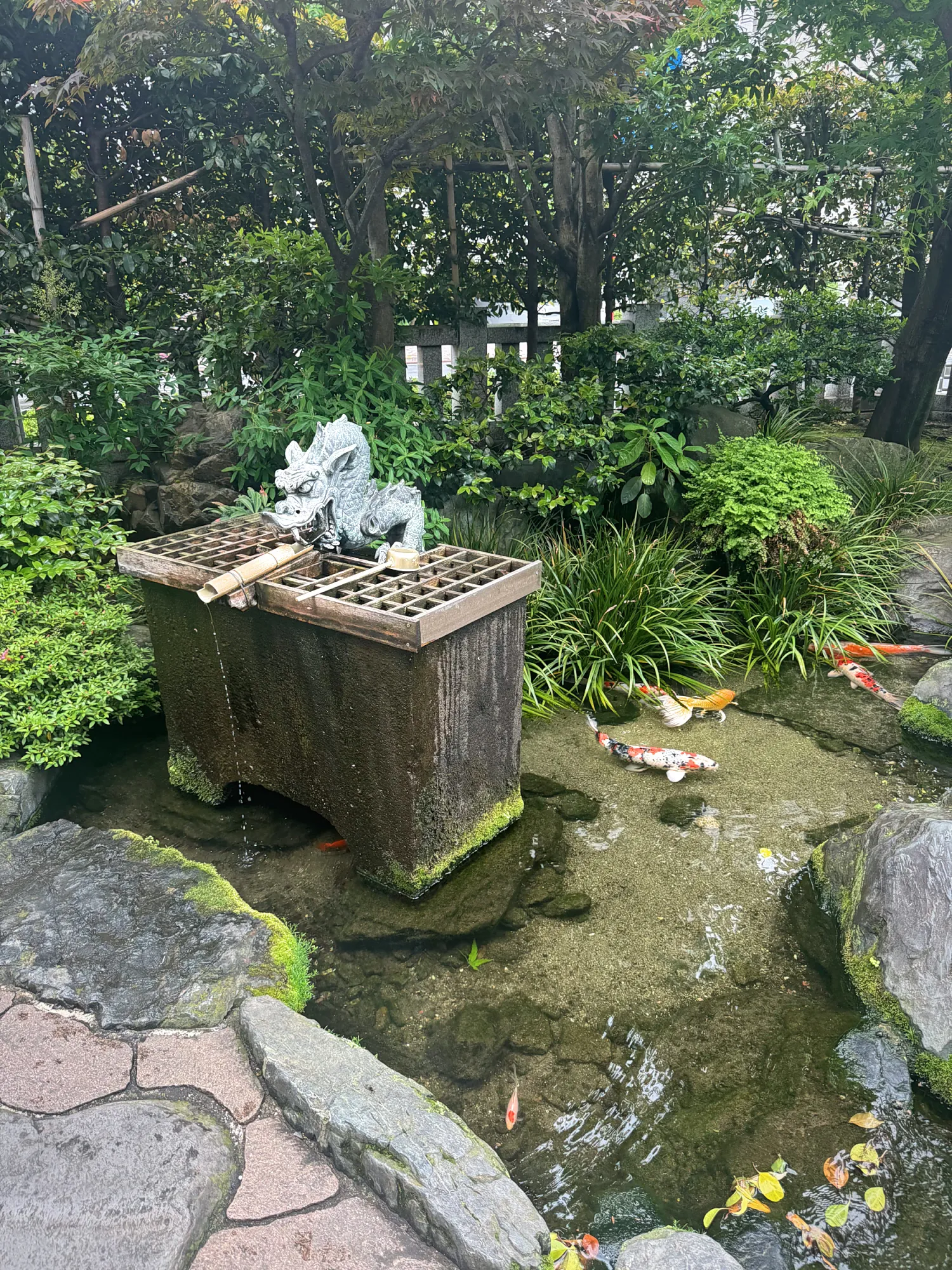
Do: Rinse Your Hands at the Water Basin
Near the entrance there's a water basin with ladles, called a temizuya. One scoop of water covers all three steps:
- Hold the ladle in your right hand and pour water over your left hand.
- Switch hands and pour water over your right hand.
- Pour a little water into your cupped left hand, rinse your mouth, and spit it out beside the basin, never into it. The ladle never touches your mouth.
Do: Bow Twice, Clap Twice, Bow Once
At the main hall, toss a coin into the offering box and ring the bell if there is one. Then bow twice, clap twice, put your hands together to pray, and bow once more.
Temples are Buddhist and work a little differently. You don't clap, you just put your hands together. You may need to take your shoes off to go inside a temple building, and if you light incense, wave the flame out with your hand instead of blowing on it.
Don't: Take Photos Where Signs Say No
Many temples ban photos inside their halls, so watch for signs. In Kyoto, residents of the Gion geisha district banned photos in its private alleys in 2019.7 Wherever you are, don't photograph people at prayer, and ask before taking a picture of anyone.
At Onsens and Public Baths
Onsens (hot springs) and sento (public bathhouses) have the strictest etiquette you'll meet in Japan, because everyone shares the water.
- Wash before you get in. Scrub down at the shower stations with soap first, sitting on the little stool, and rinse off completely.1
- Keep your towel out of the water. Set it to the side instead.1
- Check the tattoo rules. Tattoos were long banned at onsens because of their association with gangs. Each place now sets its own rules: some refuse tattoos even when covered, some allow small ones under cover-up tape, and more call themselves tattoo-friendly.3 A kashikiri buro, a private bath you book for yourself, avoids the question.
Before You Go
Don't: Pack Stimulant Medication
This is the one rule that can land you in real trouble. Japan strictly bans importing stimulants, and that includes amphetamine-based ADHD medication like Adderall, even with a prescription from home. If you're bringing more than a one-month supply of any prescription medicine, you also need an import confirmation from Japan's Ministry of Health before you leave.4 Check the ministry's page for your specific medicine.
Do: Learn a Few Words and a Little Bow
We used the few phrases we knew: arigato gozaimasu (thank you) and sumimasen (excuse me, or sorry). Pair them with a little bow when you walk into a shop or say thank you. A courteous nod goes a long way.1
Do: Set Up Data Before You Land
So many of these moments go smoother with a phone that works: Google Translate's camera for a sign at a shrine, a map for the right station exit, or a quick search when you're not sure of a rule. Set up an Airalo eSIM at home, and all of that is ready when the plane touches down.
The Rules You Can Relax About
Some "rules" you'll read online are more internet myth than real life.
- Eating while walking. You'll be told it's rude. Plenty of people in Tokyo snack on the go, quickly. Step aside, eat your snack near the shop, and you're fine.
- Japan is cash only. Our cards and phones worked at nearly every restaurant and shop in Tokyo. Cash mostly matters at touristy food stalls.
- One mistake ruins everything. We blocked an escalator on day one and took a while to catch on to the cash tray. You stand out for a moment, you learn, and you move on.
Japan Is Easier Than the Rules Make It Sound
Most of Japan's etiquette is simple consideration: stay quiet, keep things clean, and don't get in anyone's way. Once you've seen it for a day, it becomes second nature. I honestly miss living that way.
Next Steps for Your Tokyo Trip
Bernie & Cream@bernieandcream
Follow along on Instagram
Bernie & Cream@bernieandcream
Follow along on Threads
Bernie & Cream@bernieandcream
Watch us on TikTok
Bernie & Cream@bernieandcream
Follow along on X
Bernie & Cream@BernieAndCream