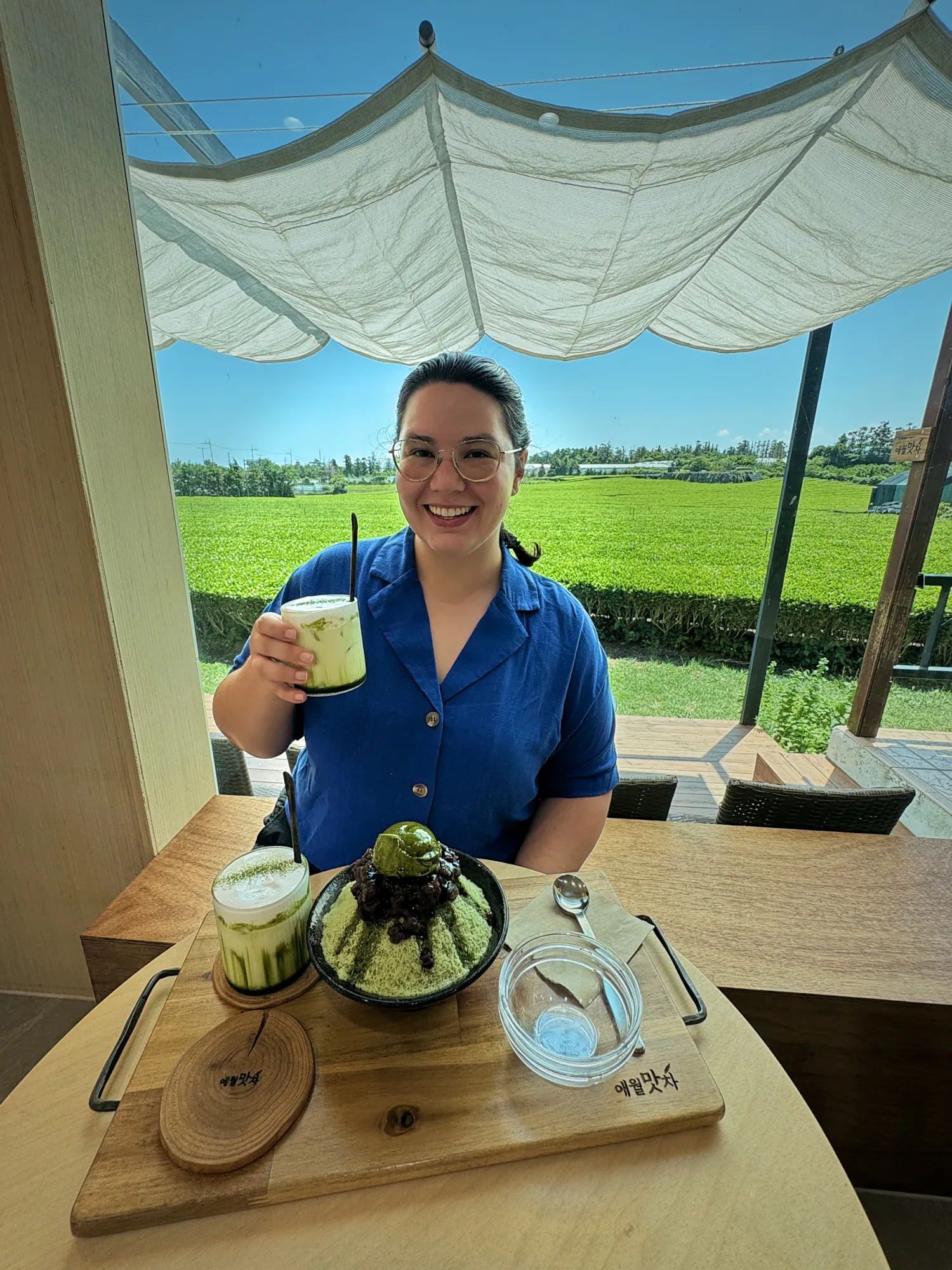
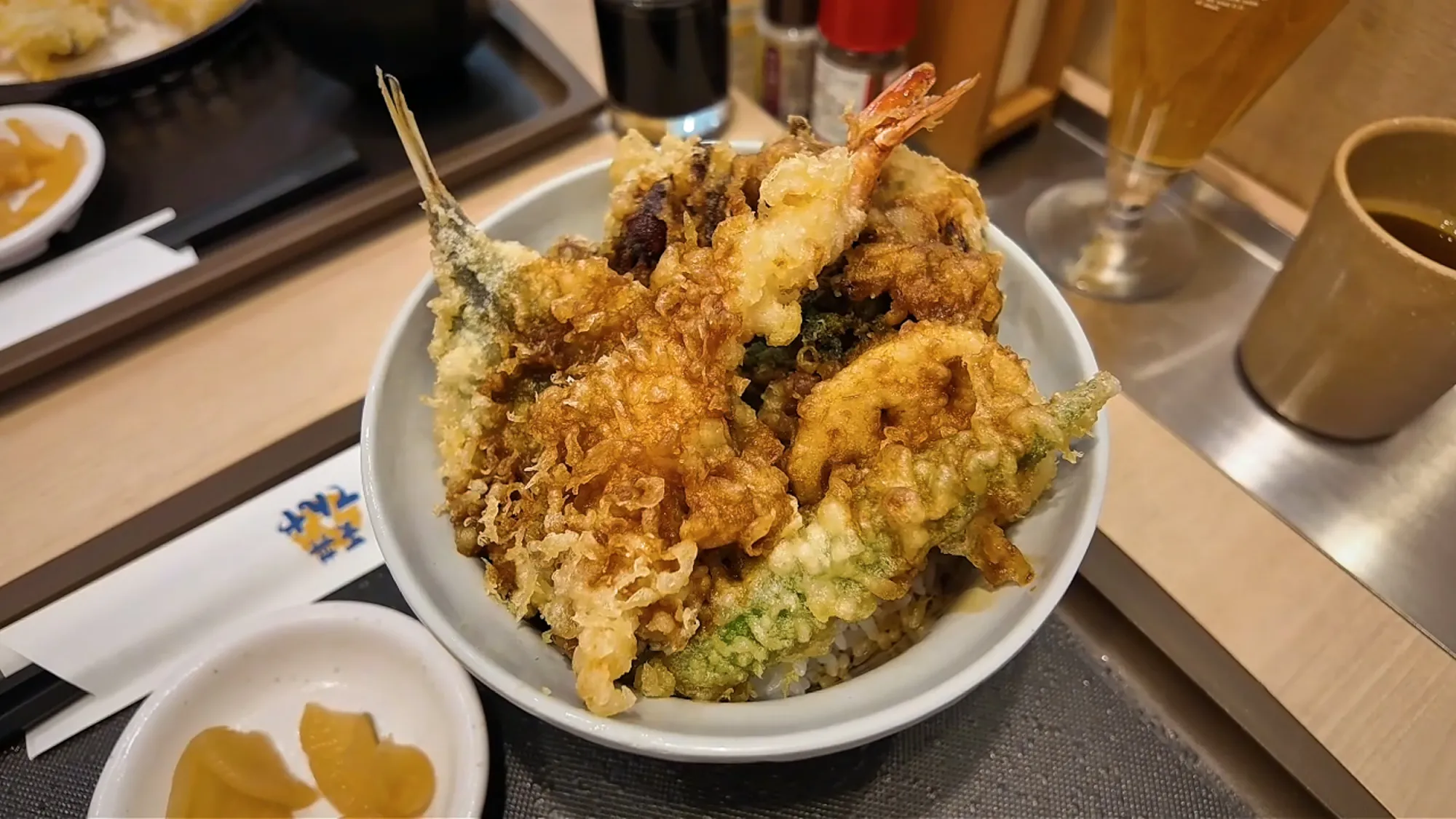
To me, chains are the most Japanese food can get.
Heads up: some links in this guide are affiliate links. If you book or buy through them, we may earn a commission at no extra cost to you.
In this guide 6 sections
I know how that sounds. At home, chains are what you settle for when you've run out of better ideas. On our first trip to Japan, a short one to Osaka, we avoided them completely and stuck to the famous stalls. Looking back, we missed a lot of good food.
When Cream and I came back to live in Tokyo for a month, we did our homework. We tried Sushiro, then a beef bowl, then a tempura bowl, and never looked back. By the end of the month, chains weren't our backup plan. They were the plan.
Are Chain Restaurants Worth It in Japan? Our Quick Answer
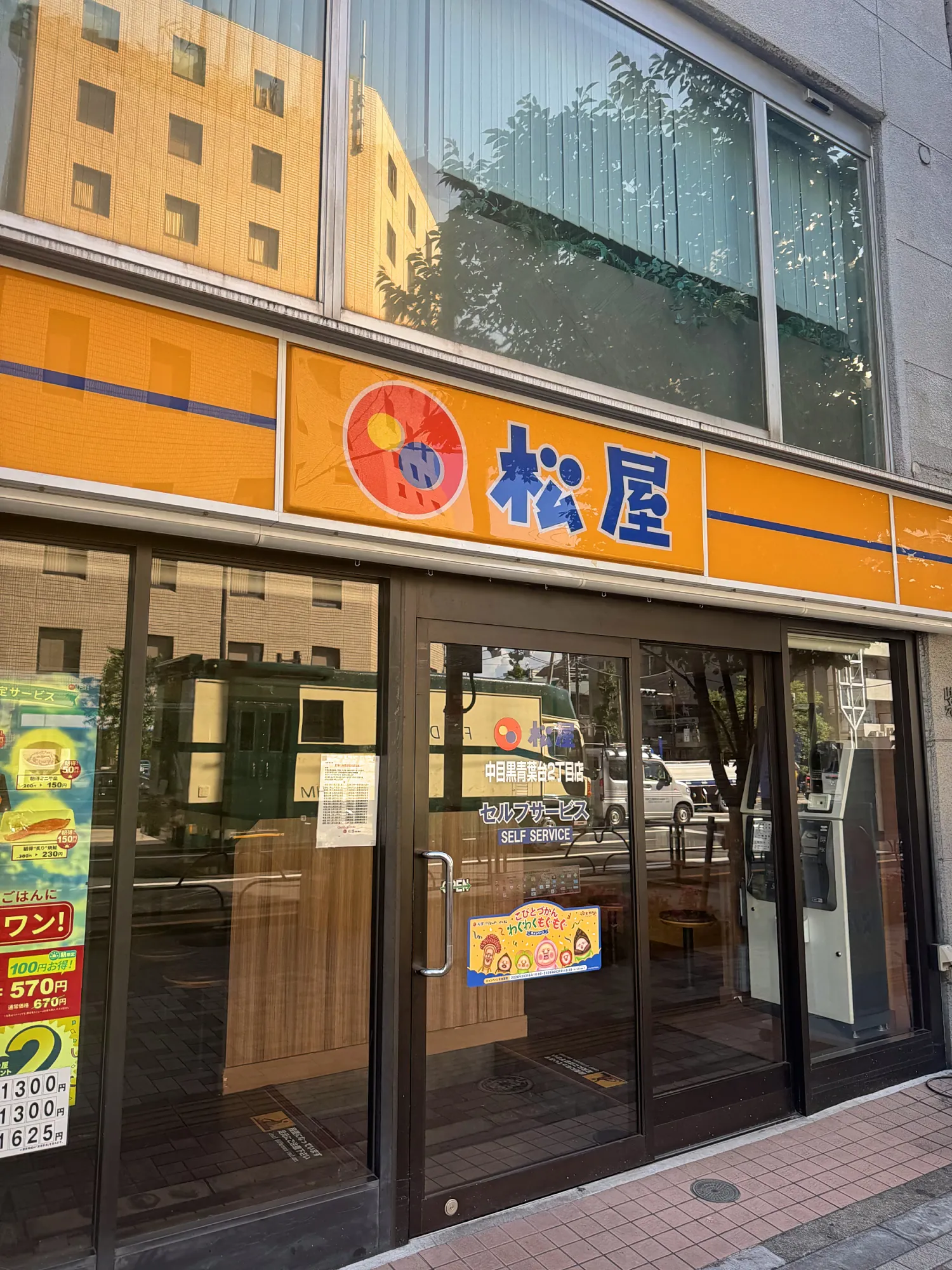
Yes. Japan's chain restaurants are where locals eat on an ordinary weekday, and the food is fresh, fast, cheap, and easy to order in English. Two Matsuya beef bowls cost us about $7; 26 plates at Sushiro, about $32. The one trade-off is pace: you come, you eat, you go.
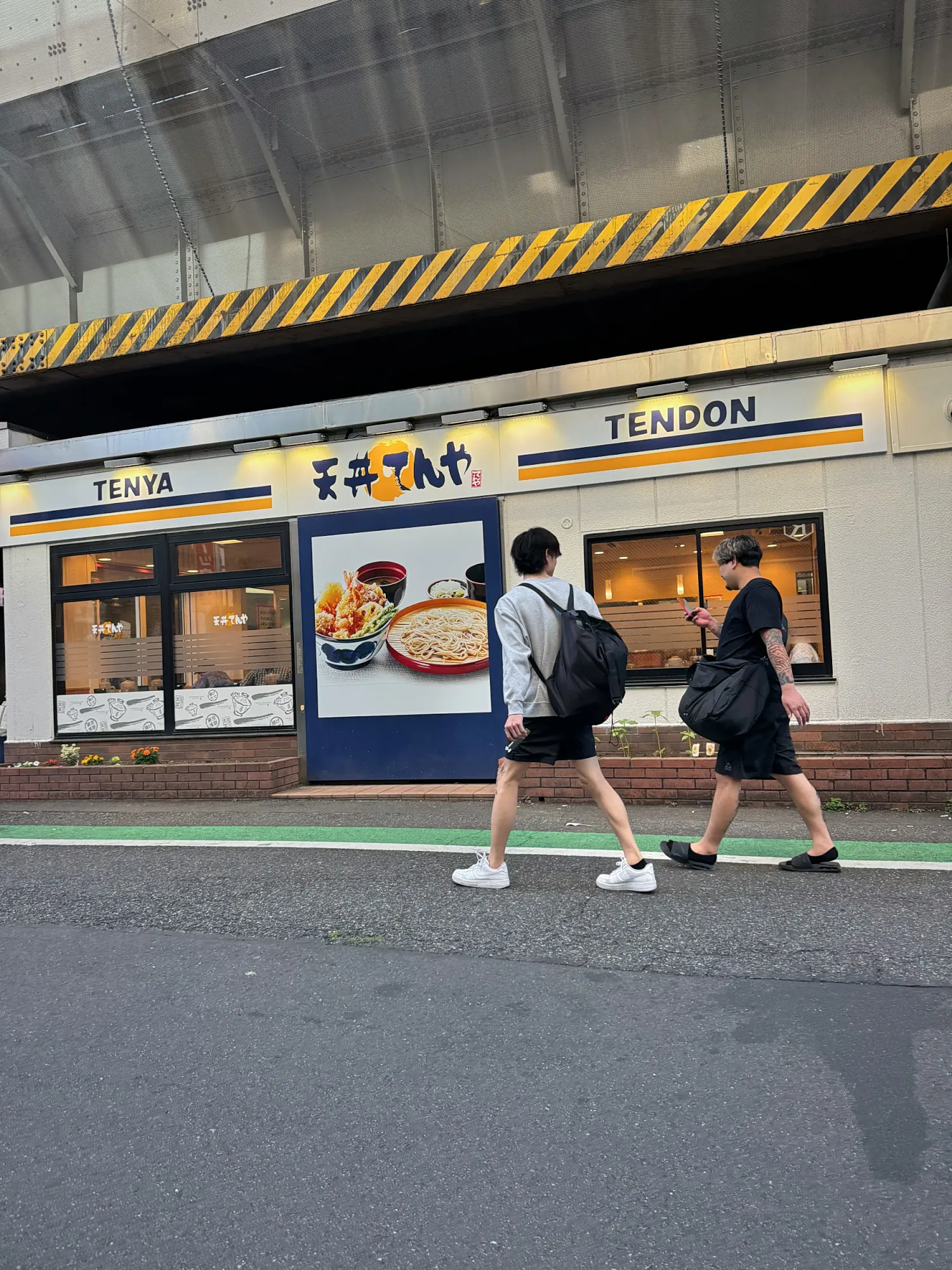
The chains we'd send a friend to first are Sushiro for sushi, CoCo Ichibanya for curry, Shogun Burger for burgers, Tendon Tenya for tempura, and Matsuya for gyudon.
Why Chain Restaurants Are the Best Way to Eat in Japan
You Eat Where Locals Eat
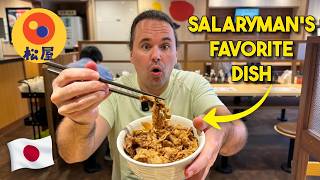
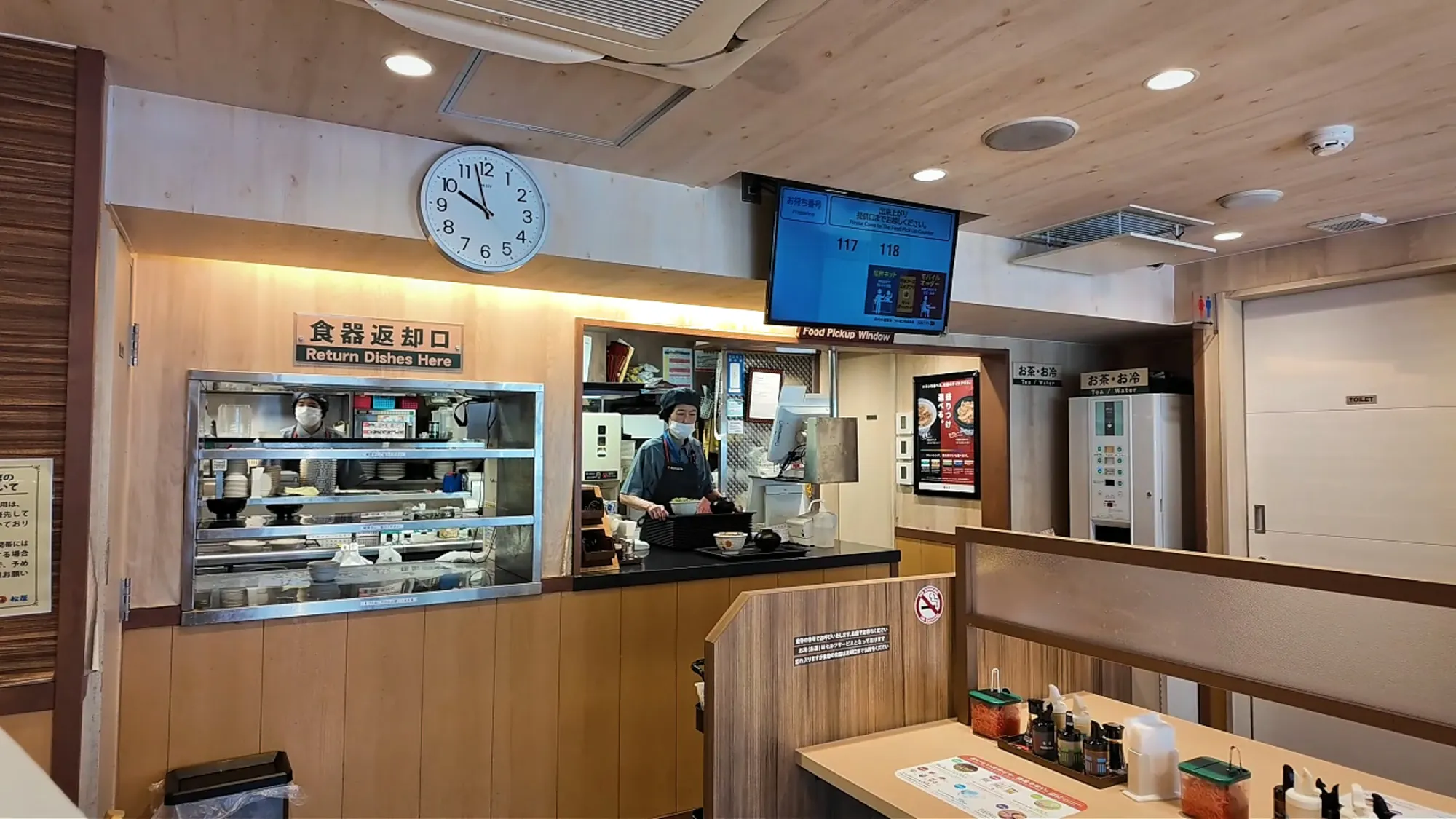
The famous places have the lines. The chains have everyone else: salarymen on their lunch break, and plenty of people eating on their own, headphones in. Sit in a Matsuya or a Yayoiken and you're watching what everyday life in Tokyo actually tastes like.
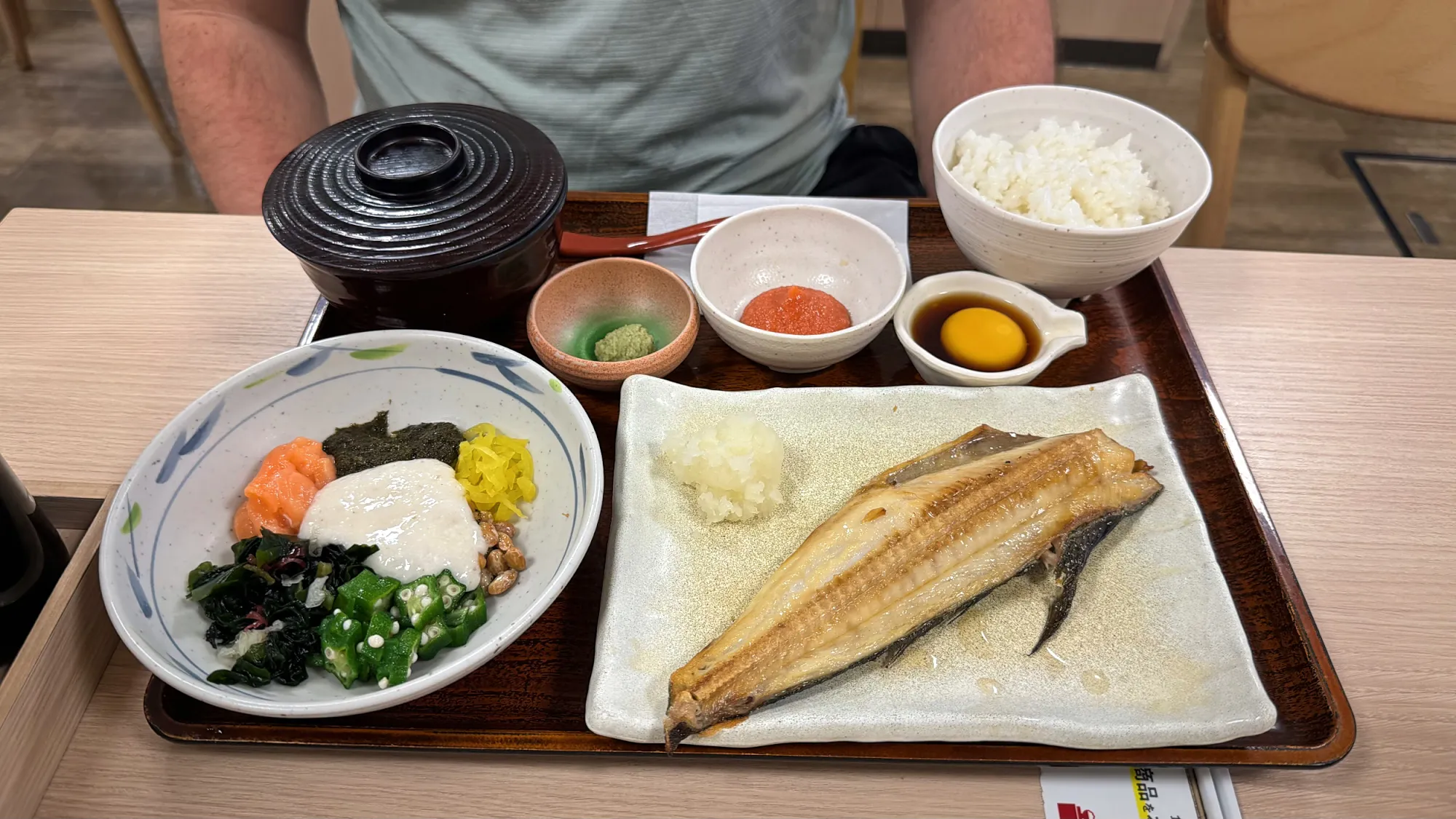
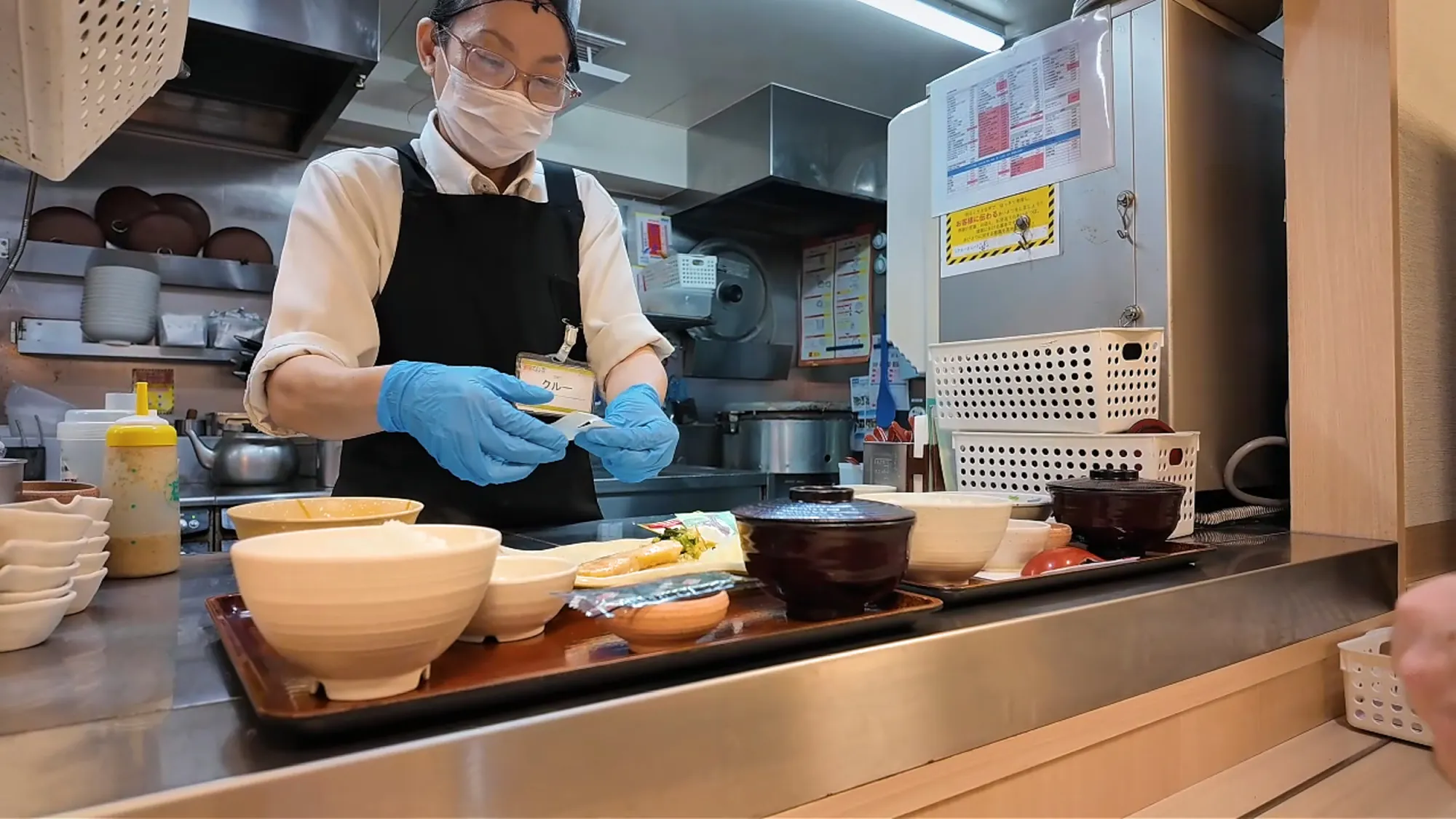
They're also some of the calmest rooms in the city. Restaurants in Tokyo are quiet, and everyone is there to relax. One Yayoiken breakfast was so hushed that we left the camera in the bag. Nobody needed instructions, and the whole room felt peaceful.
They're Cheap, and They Don't Taste Cheap
Japan itself isn't expensive. Getting there is. Once you land, the chains make it easy to eat very well for very little, even in Tokyo. Compared with a city like New York, food this fresh is incredibly affordable.
Here's what the two of us paid in May 2026:
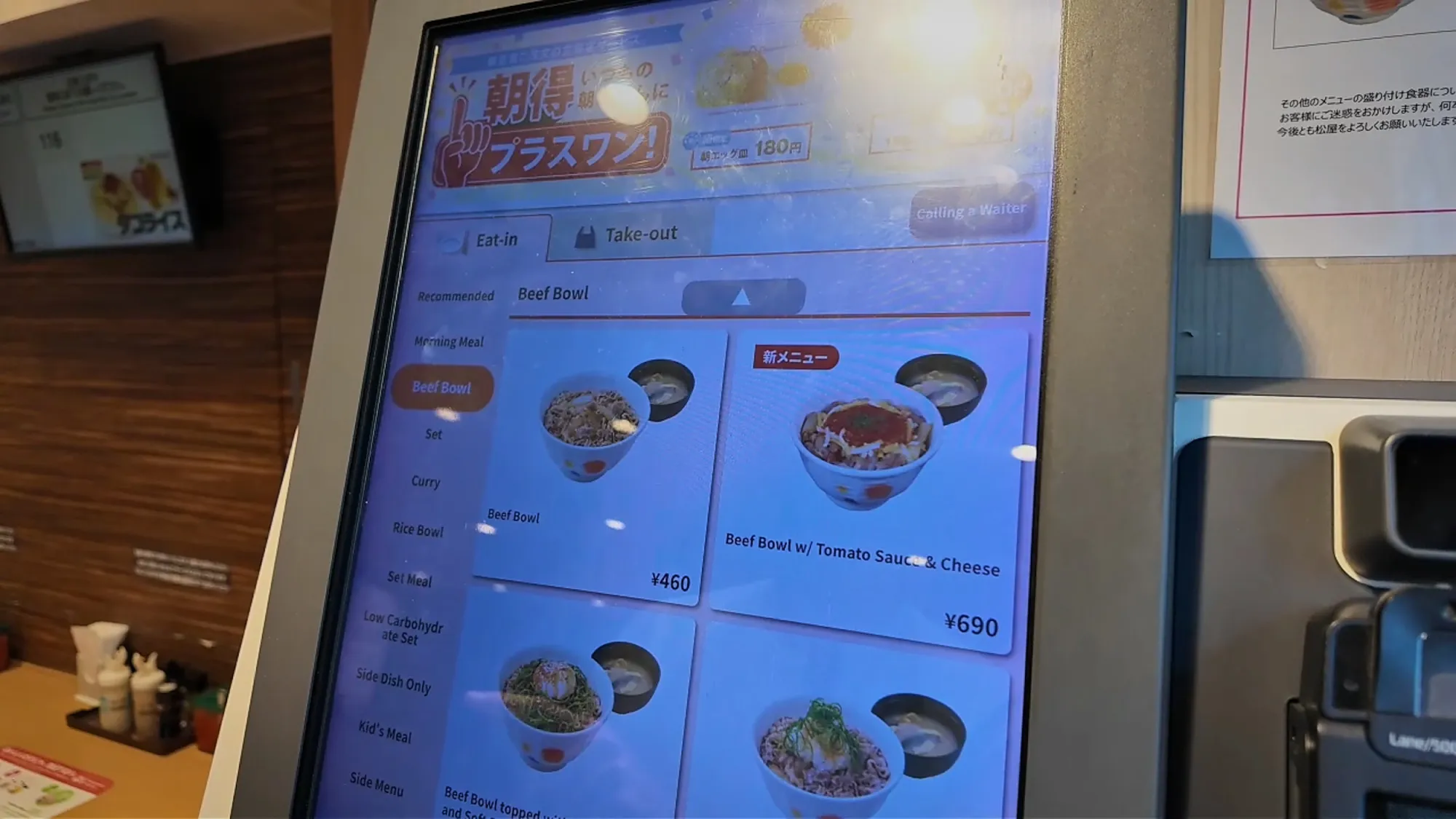
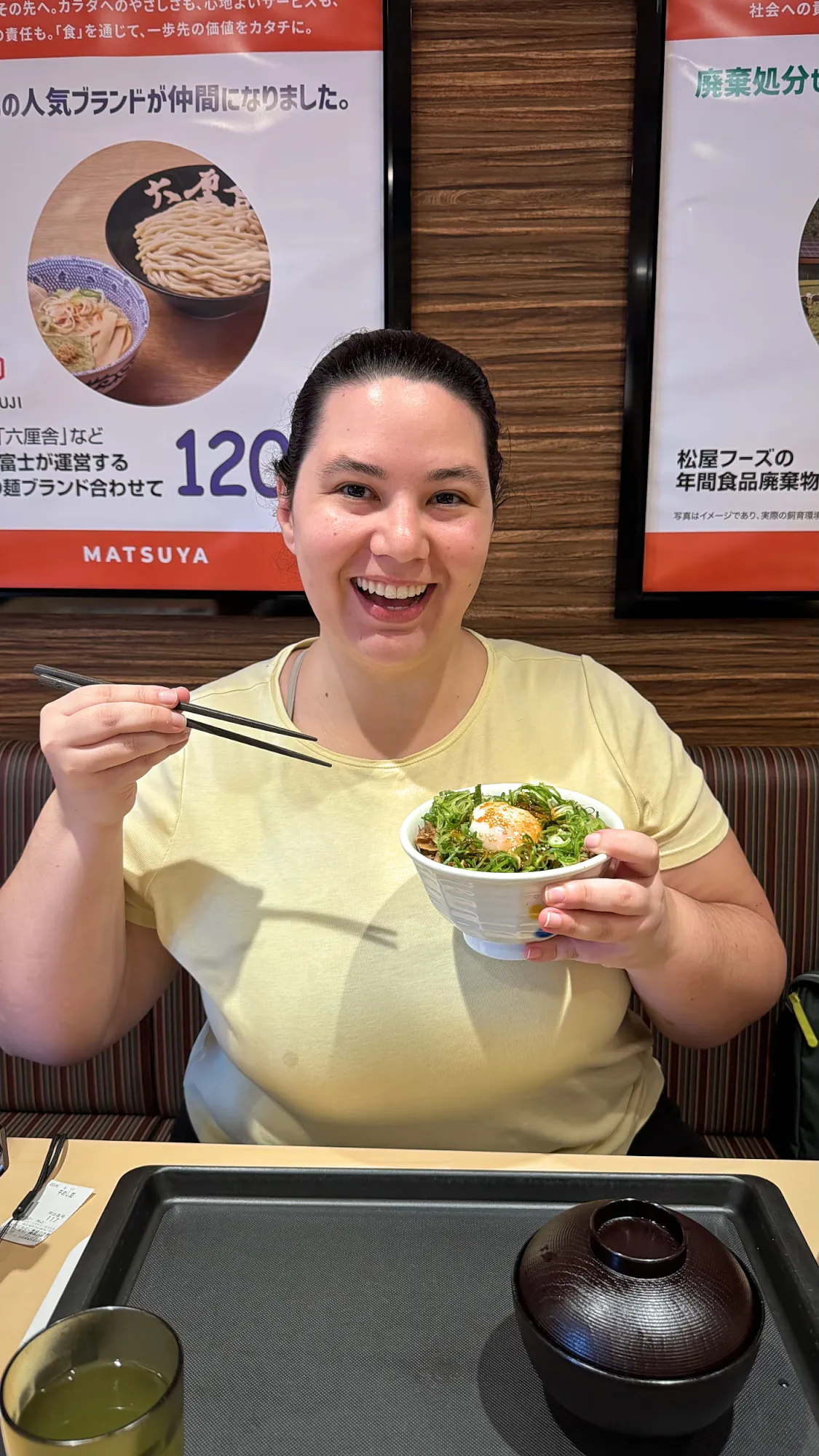
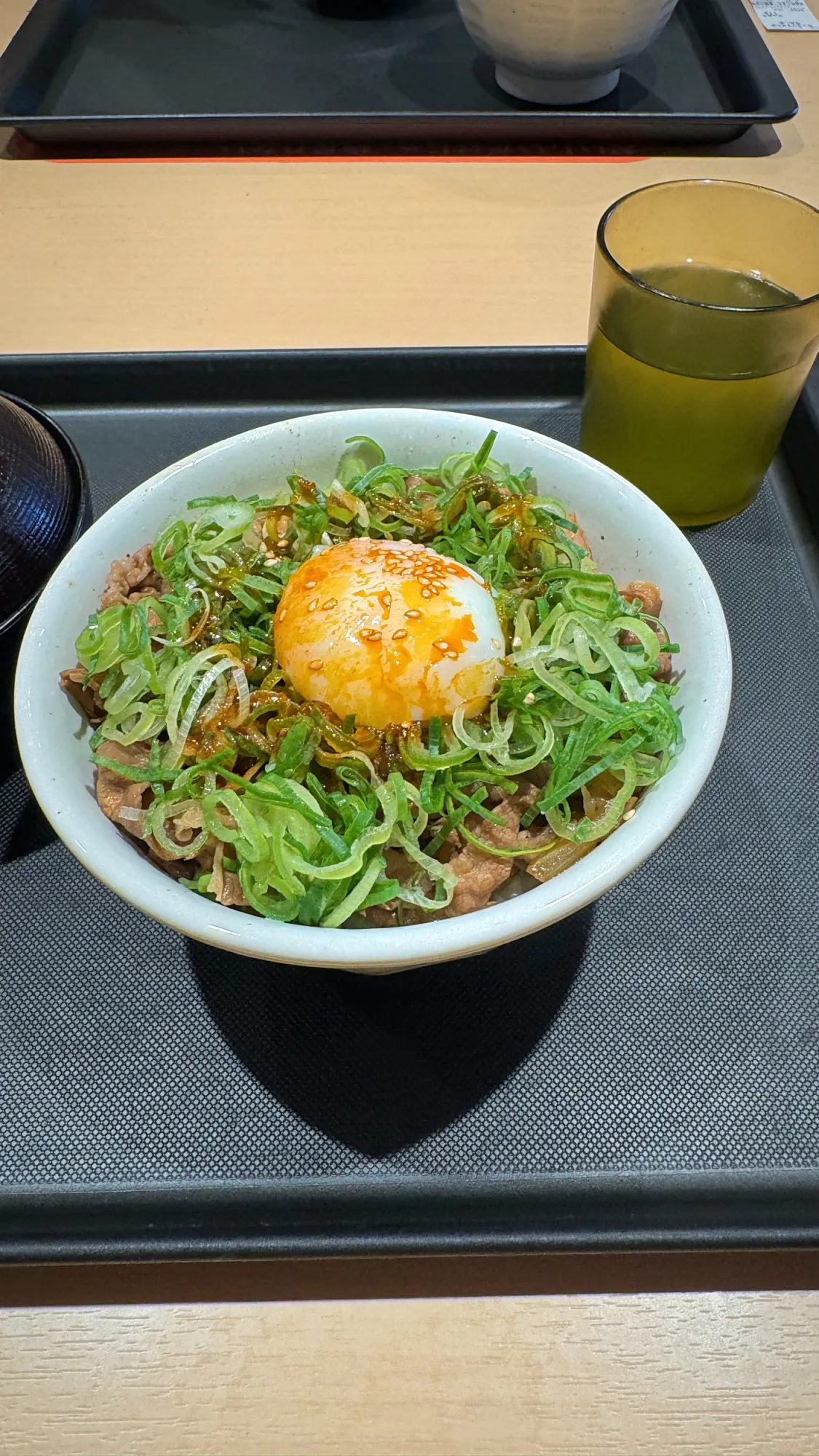
- Matsuya: about $7 for two beef bowls with miso soup
- Yayoiken: about $13 for two breakfast sets
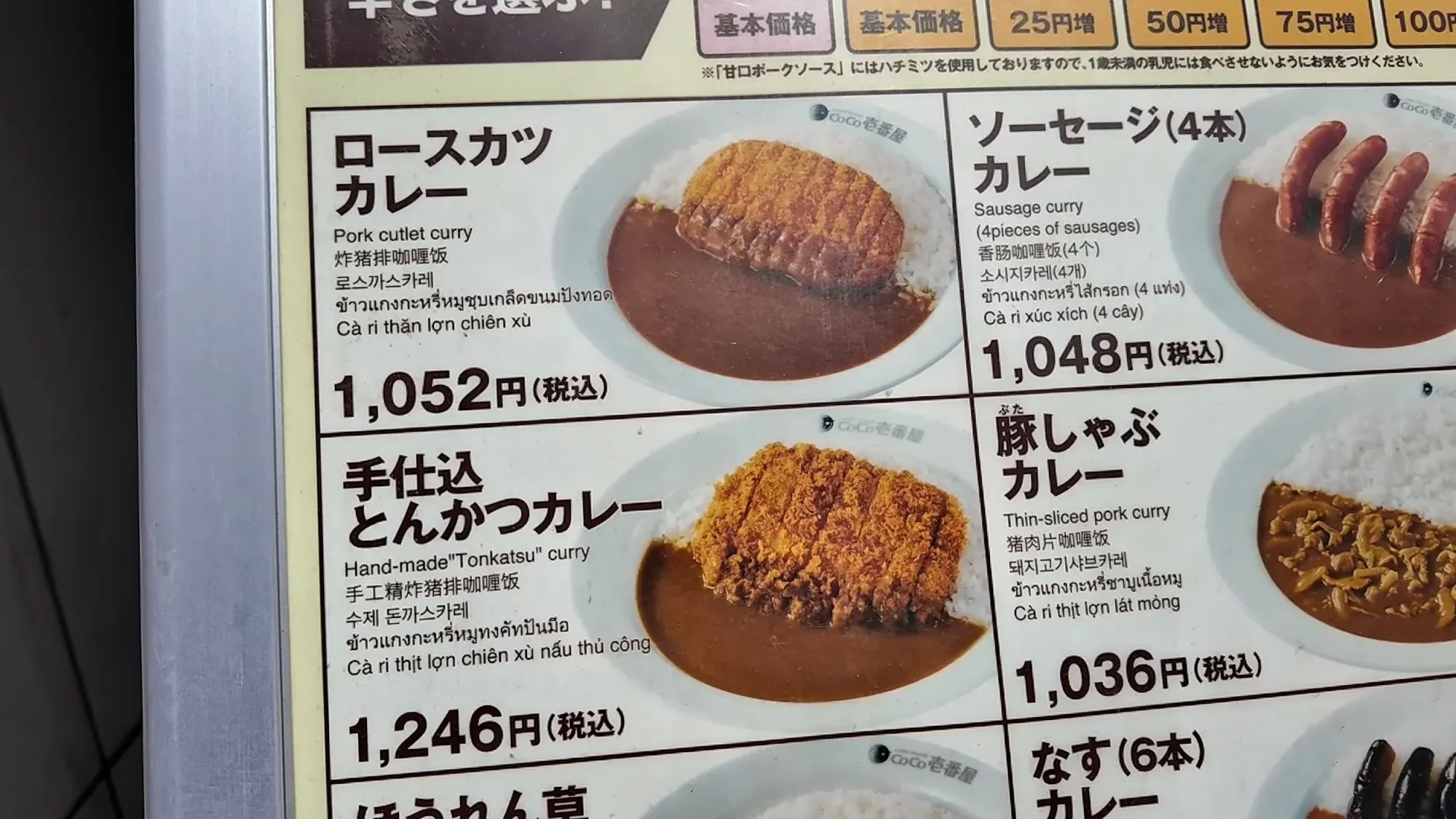
- CoCo Ichibanya: about $15 for two curries
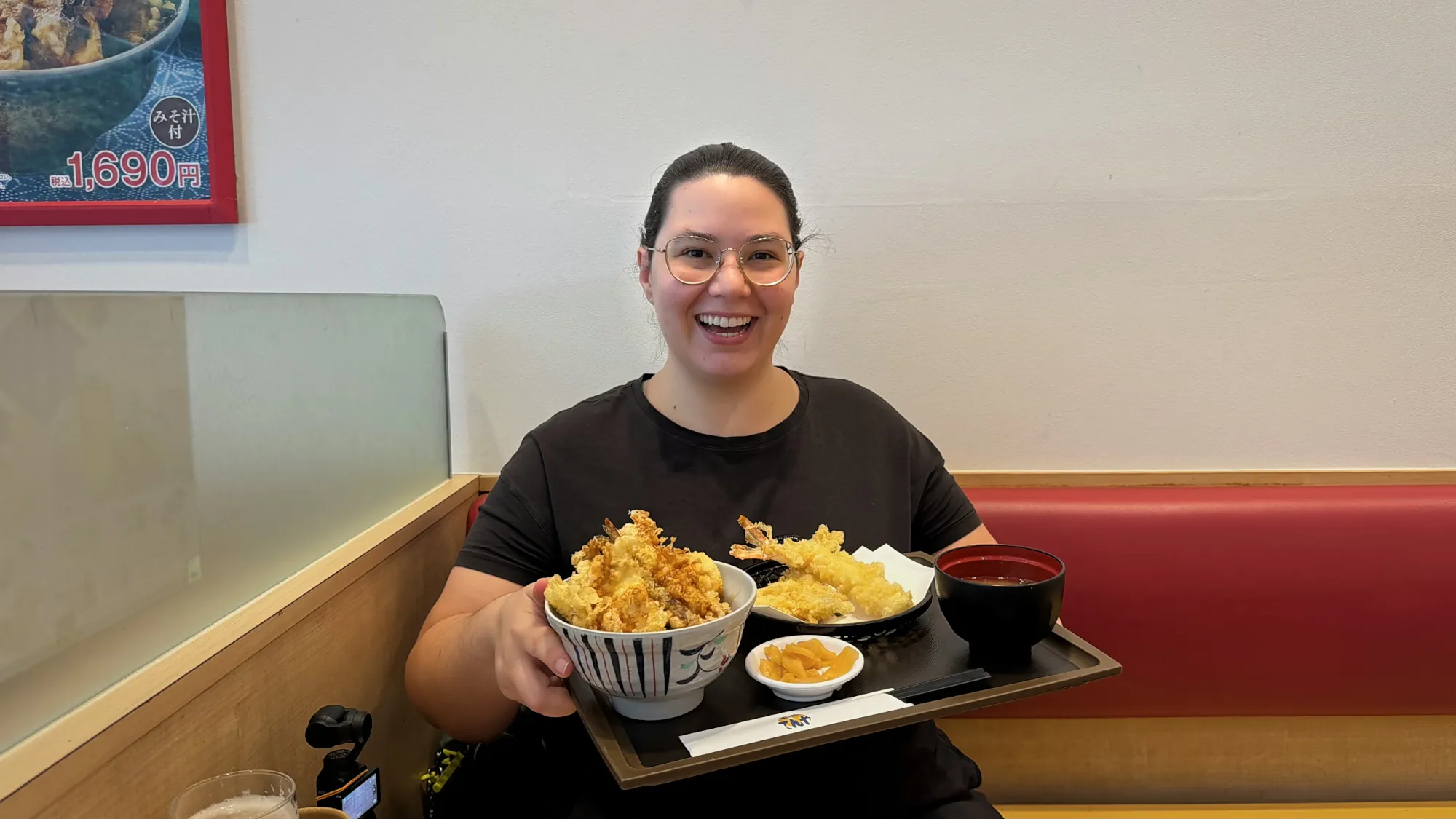
- Tendon Tenya: about $25 for two bowls, extra tempura, and two draft beers
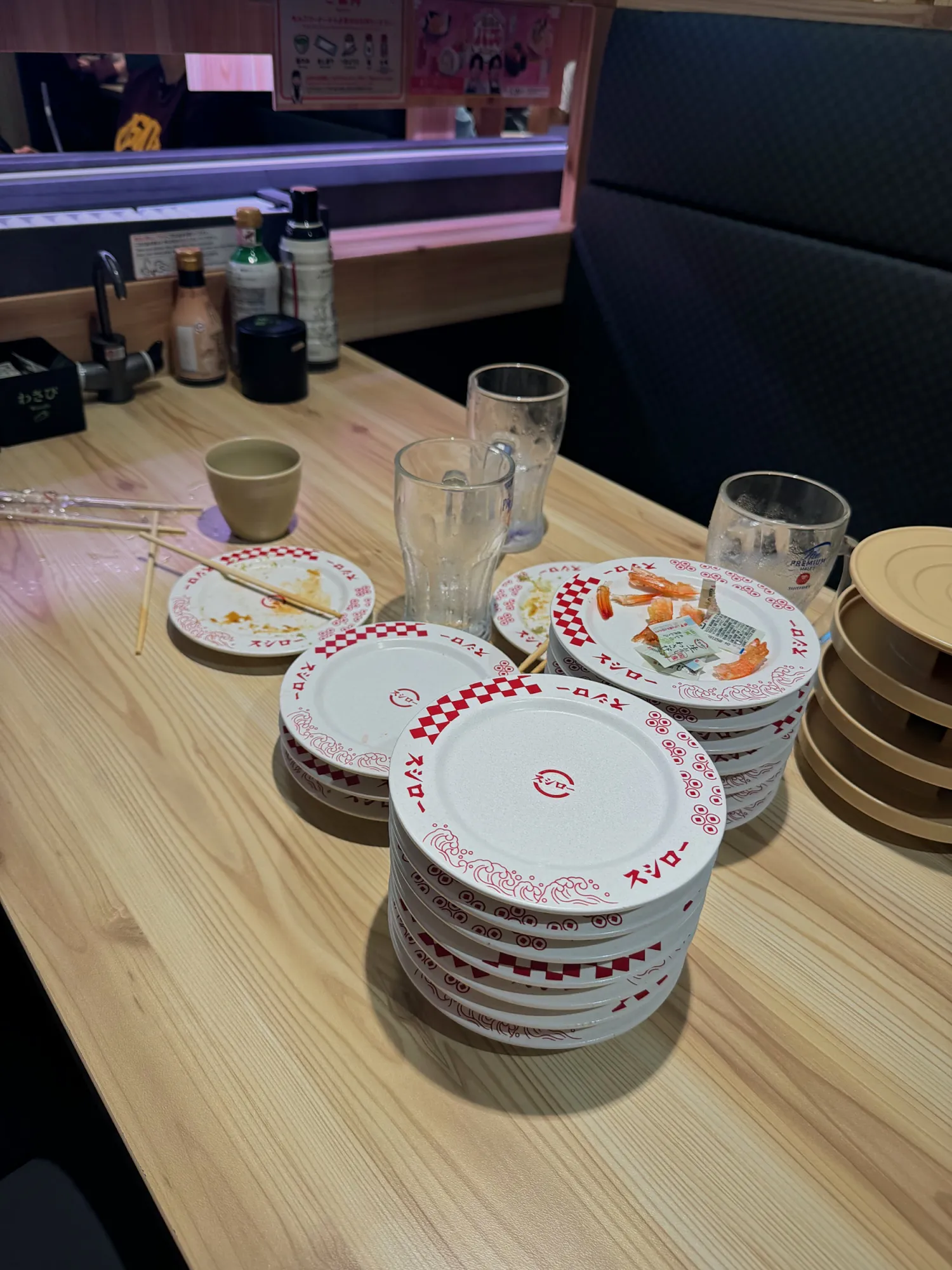
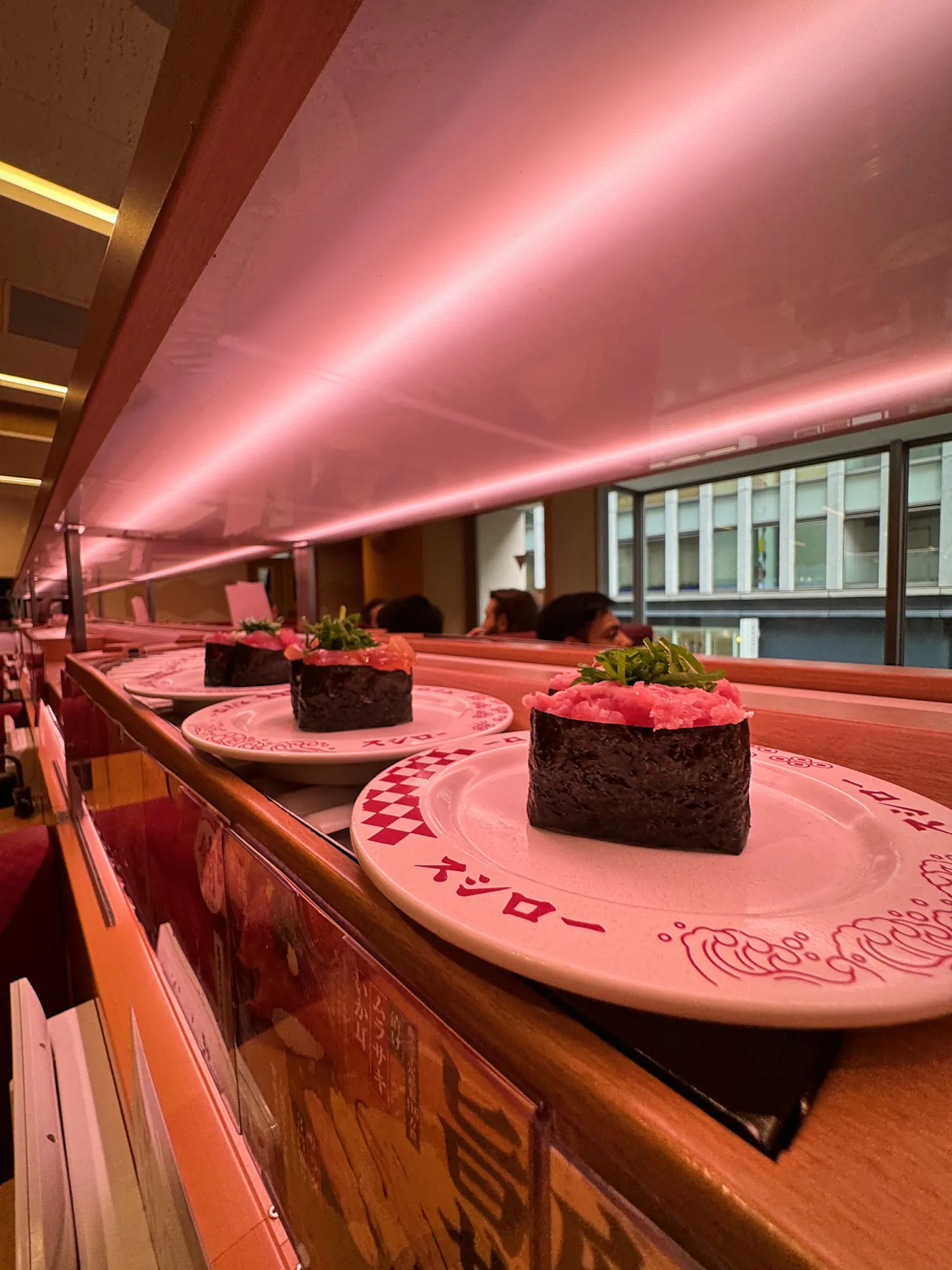
- Sushiro: about $32 for 26 plates of sushi
 Bernie & Cream@bernieandcream
Follow along on Facebook
Bernie & Cream@bernieandcream
Follow along on Instagram
Bernie & Cream@bernieandcream
Follow along on Threads
Bernie & Cream@bernieandcream
Watch us on TikTok
Bernie & Cream@bernieandcream
Follow along on X
Bernie & Cream@BernieAndCream


They Make Japan Easy
This is the part that doesn't land until you're standing in it. Japan runs on convenience, and the chains are where you feel it most. Booking from your phone, checking in at a screen by the door, finding your table by its number, paying at a machine on the way out: every step has a system, and after a couple of meals you stop thinking about it.
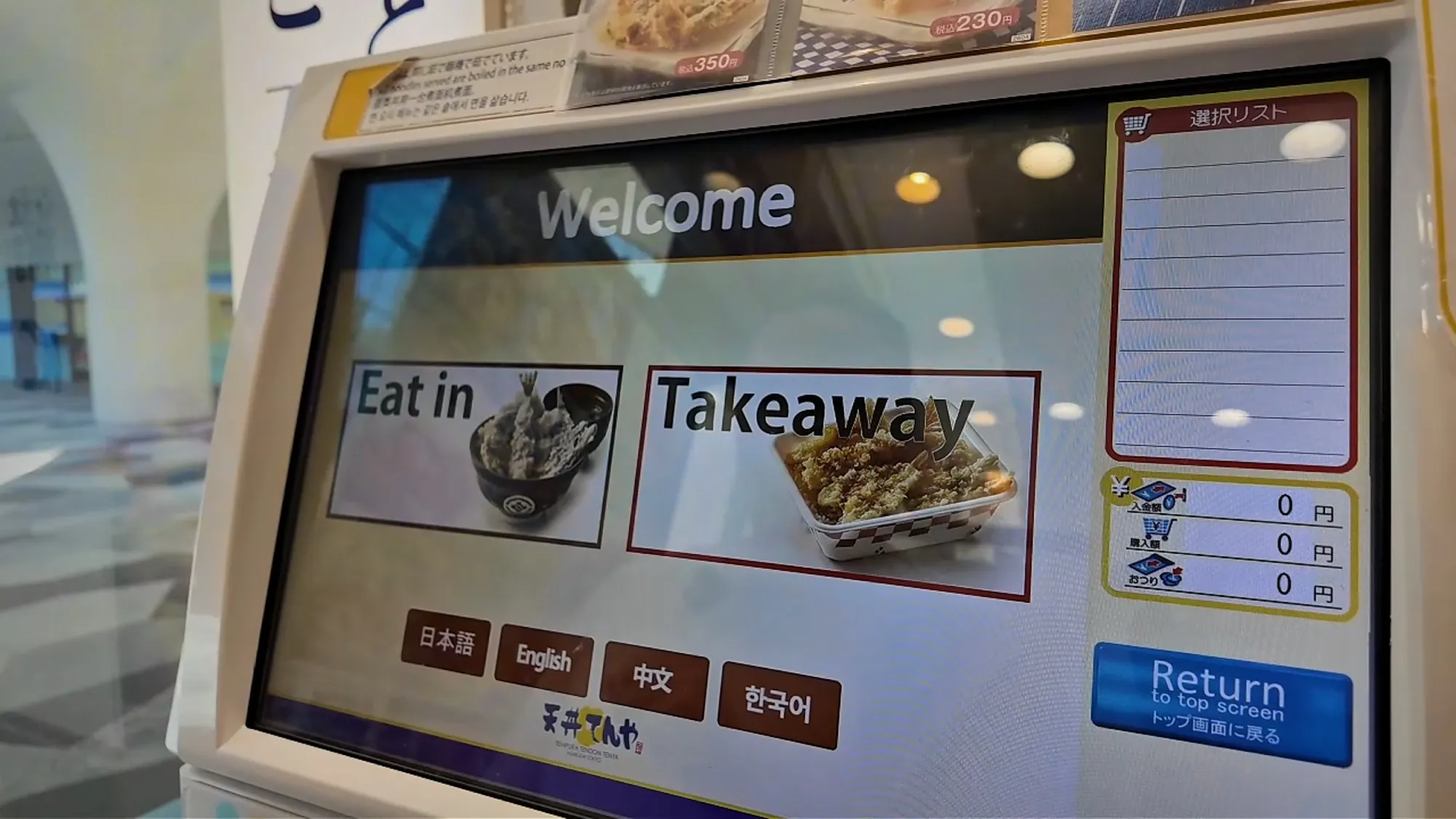
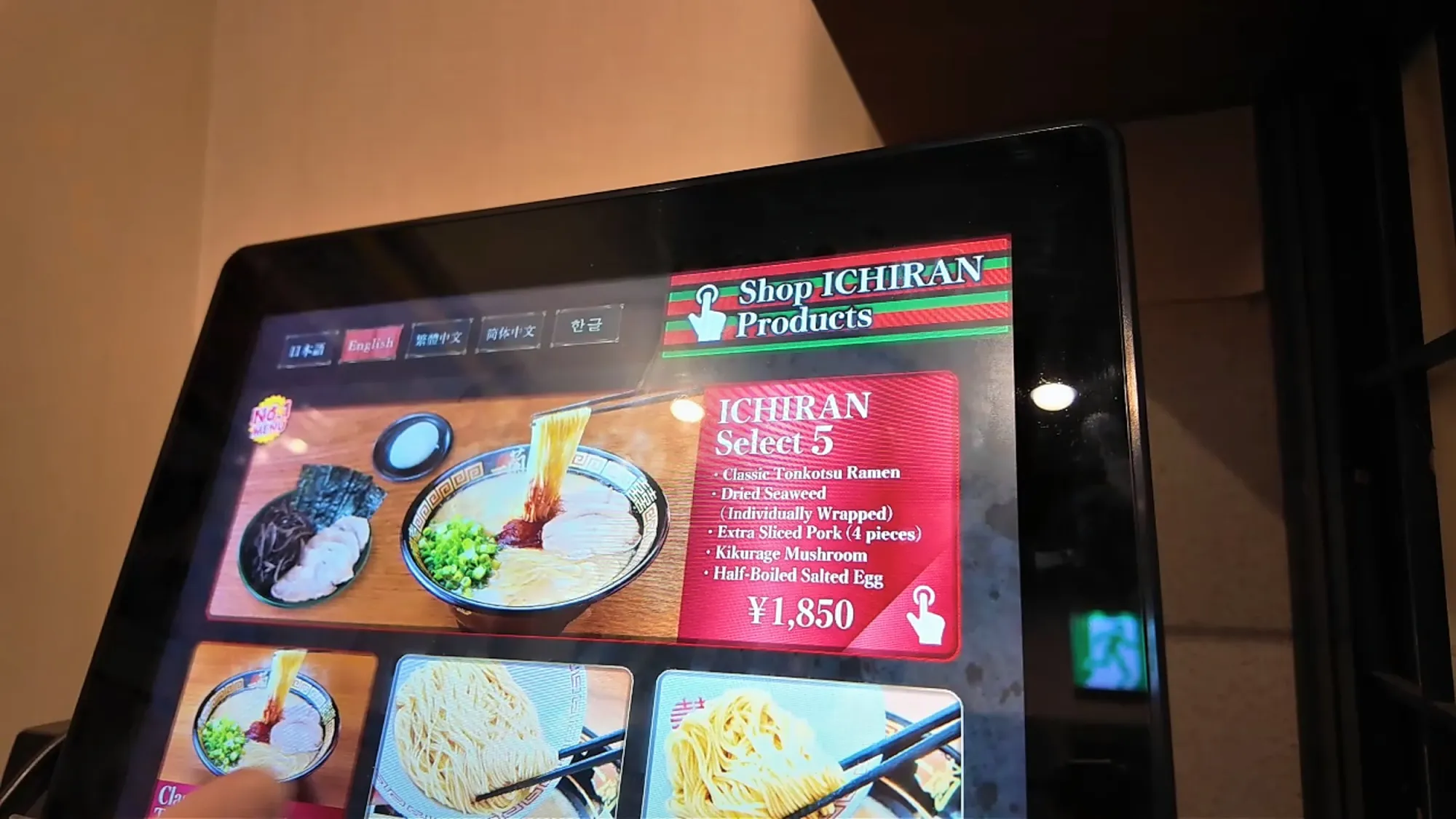
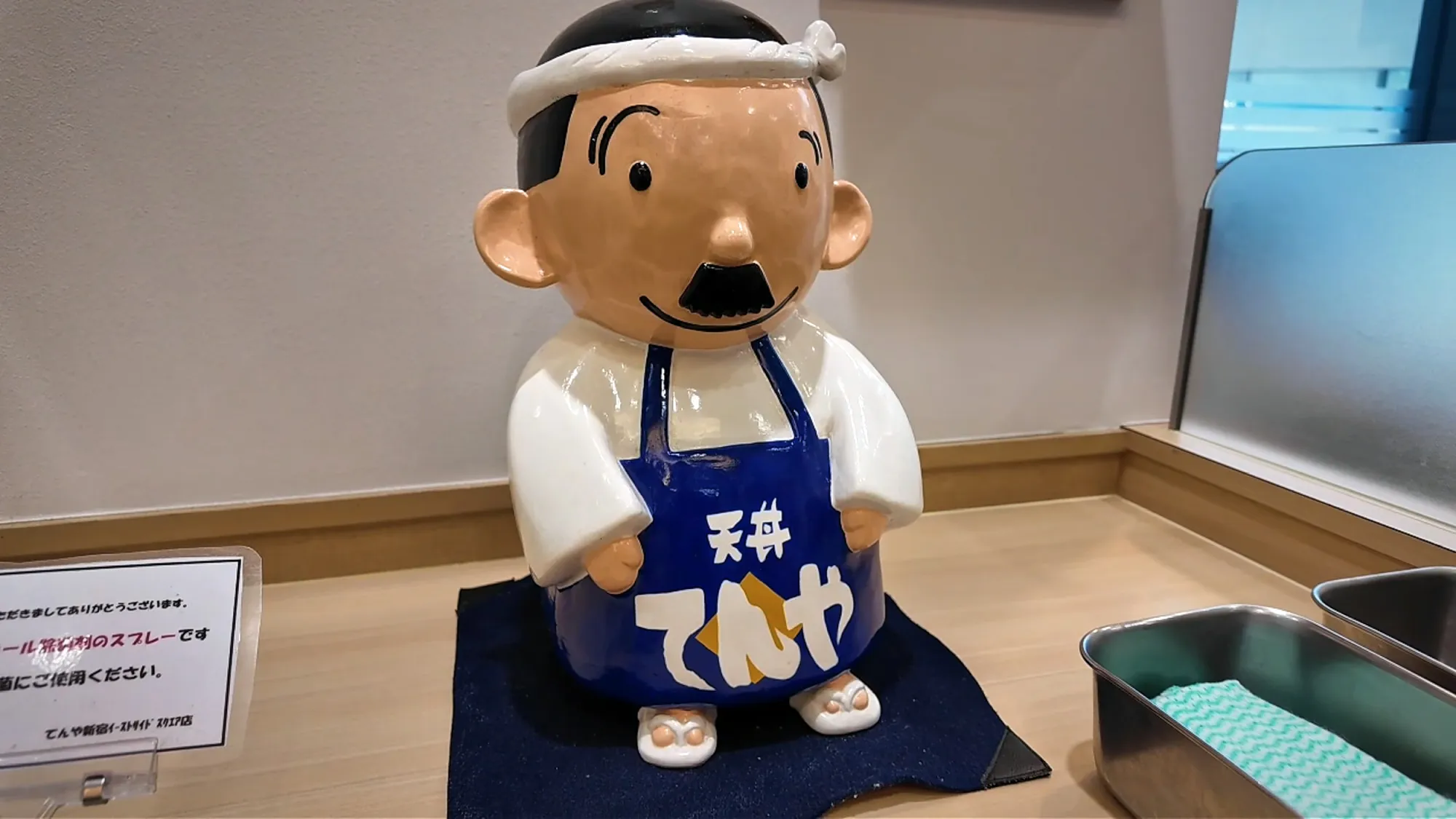
Almost every chain has English on its kiosk or tablet. The staff may not chat with you, but you can order anything you want without a word of Japanese. Our first kiosk meal, at Tenya, was a pile of firsts all at once; a few chains later, it was routine. If you want the step-by-step before your first one, how to order food in Japan walks through every kiosk, tablet, and ticket machine we used.

They're Made for Eating Alone
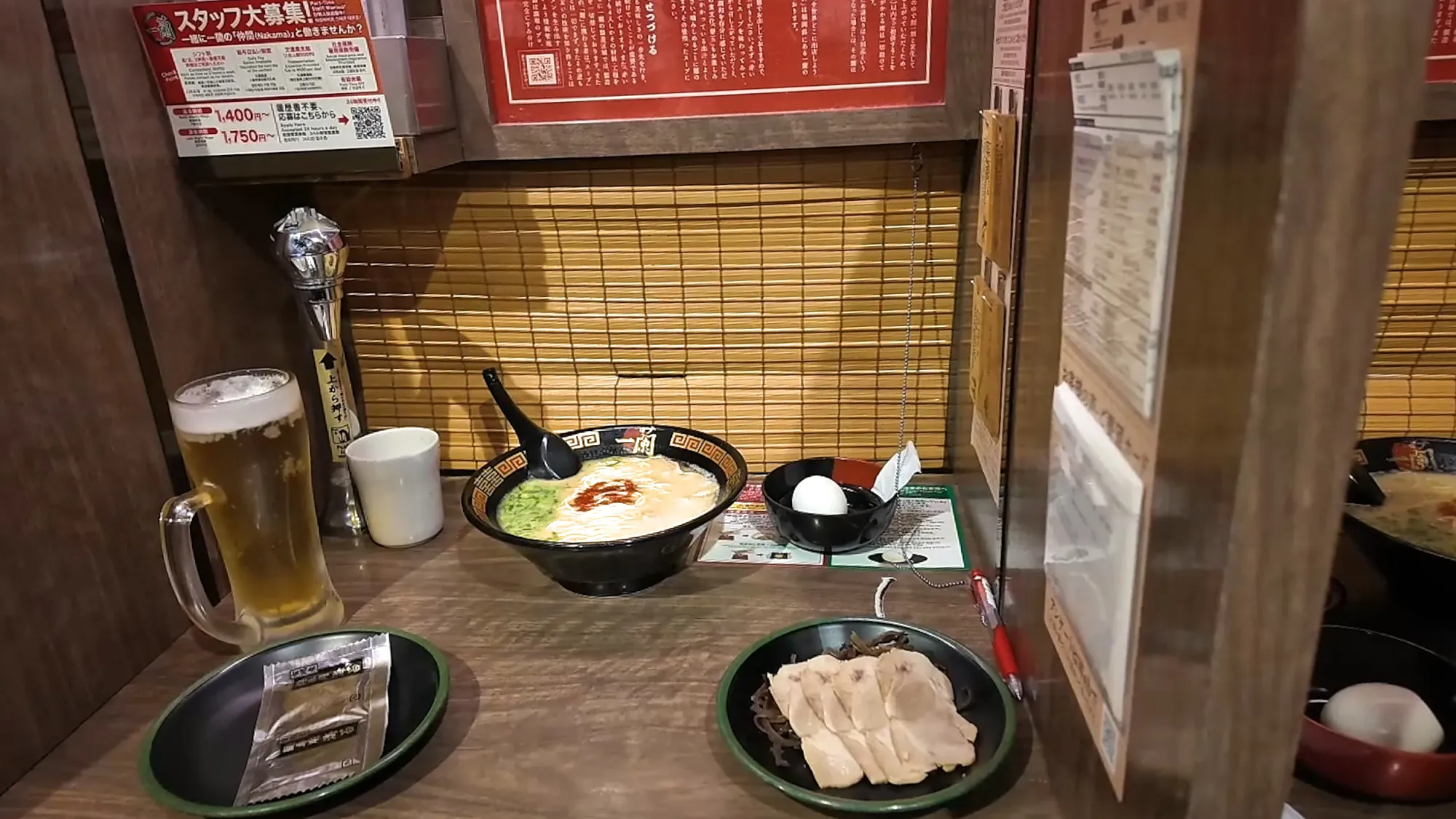
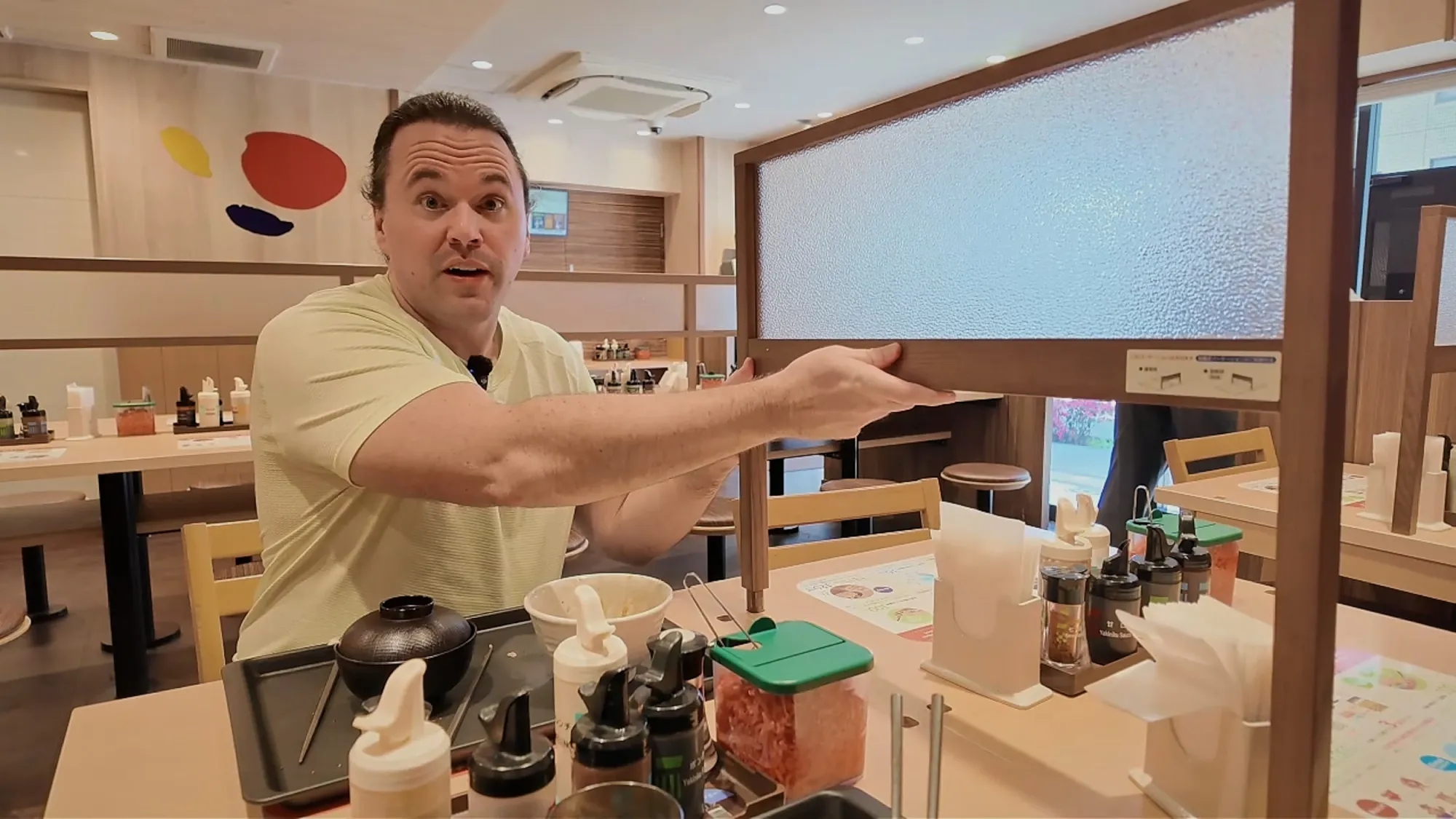
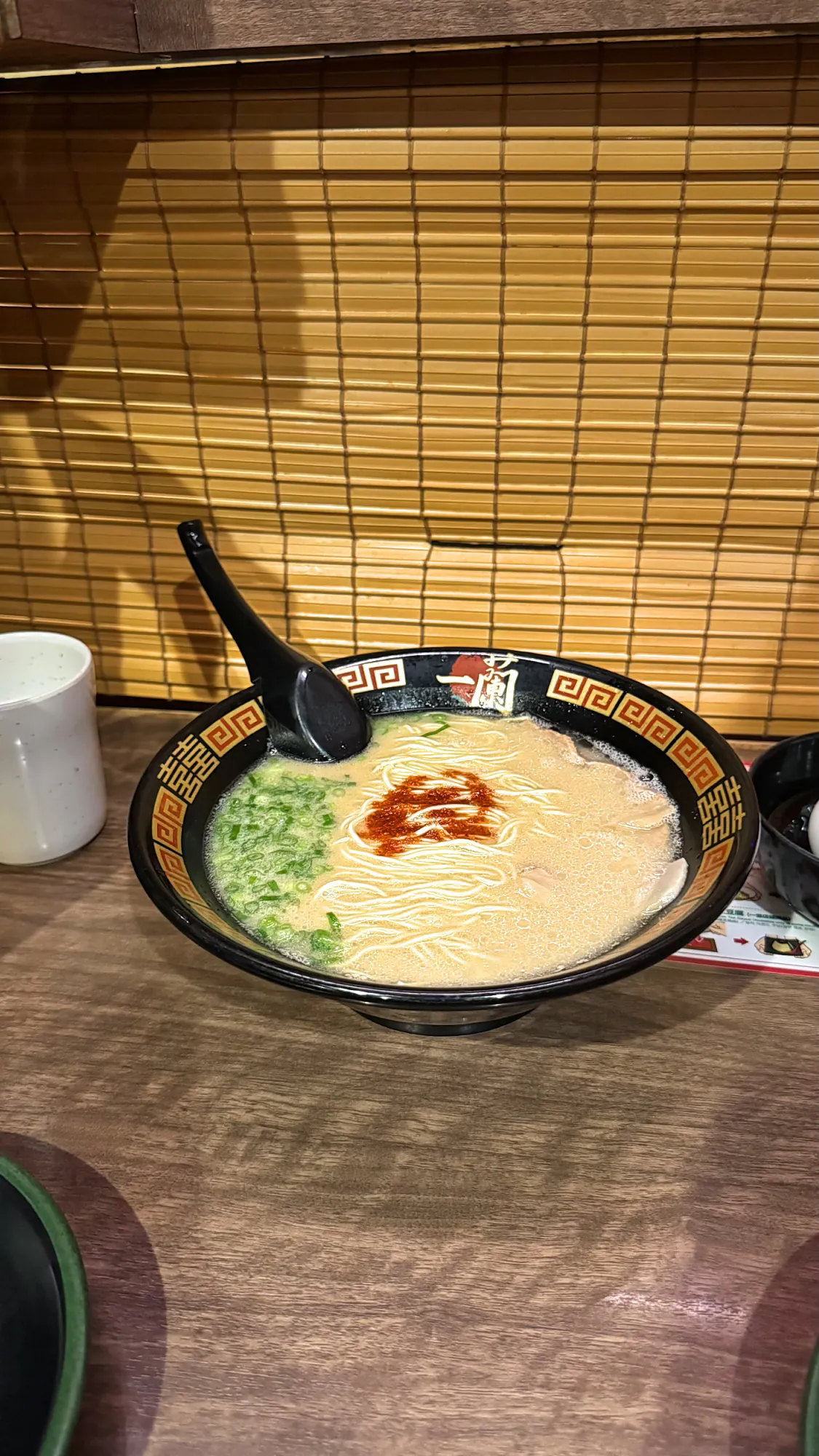
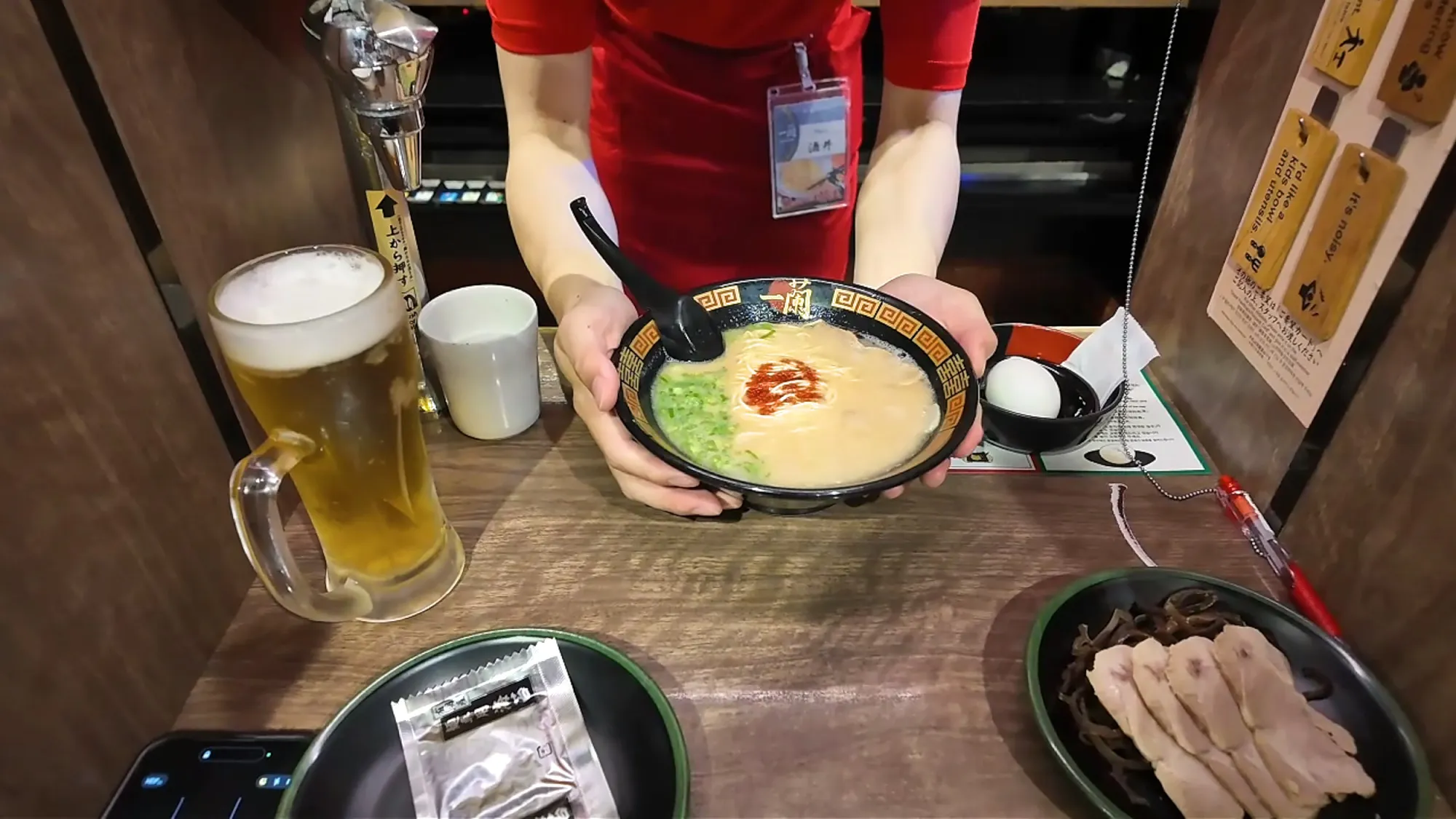
The chains are Tokyo's introvert-friendly places. They make eating by yourself completely normal. Ordering is simple, the food comes to you quickly, and nobody minds if you just sit and eat in silence. Ichiran gives you a booth of your own with a private water tap, and Matsuya has dividers you can slide out between tables. A beef bowl for one at Matsuya is a perfectly good solo date night.
Fast, Fresh, and Consistent
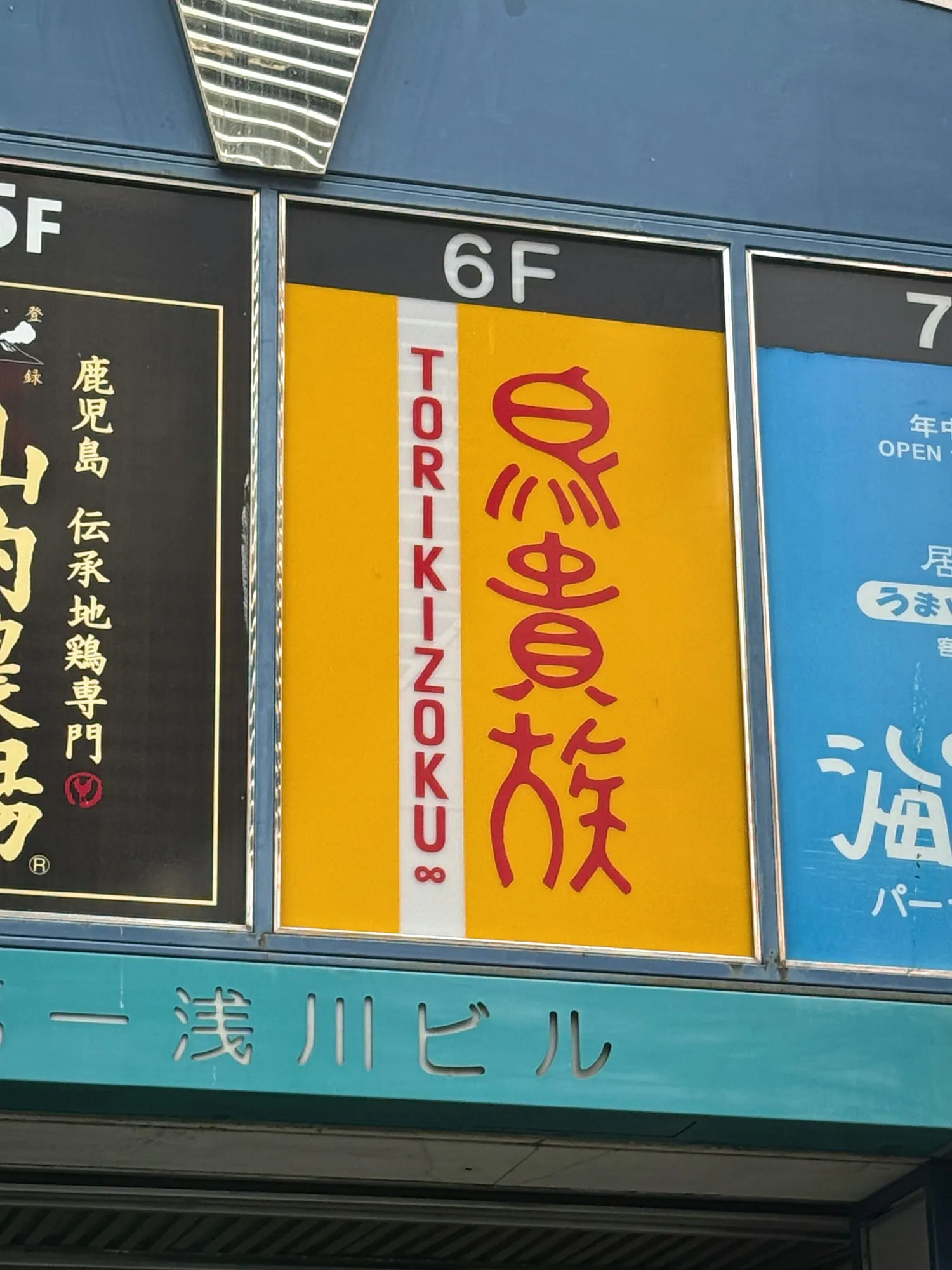
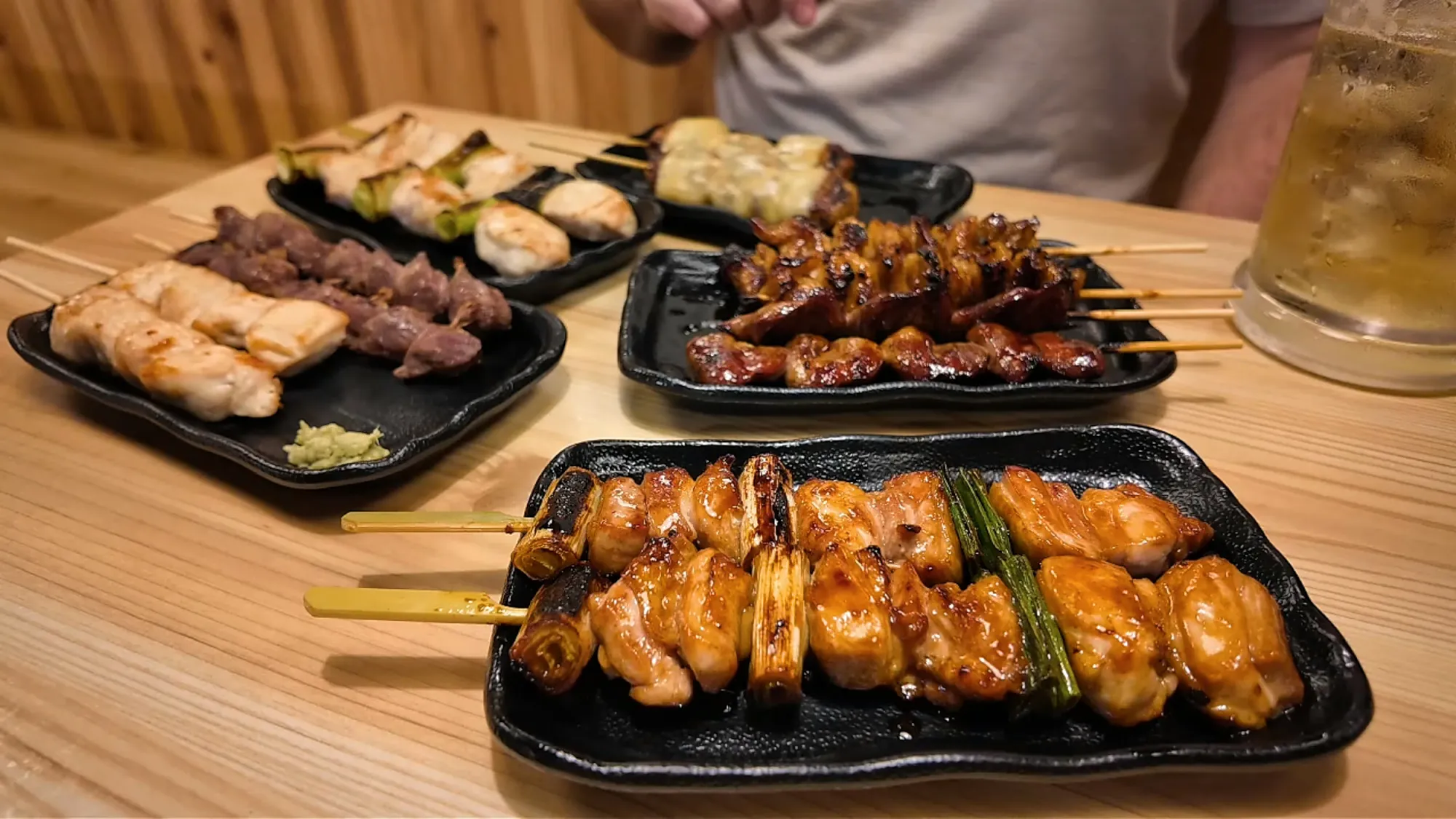
Lines were rare at the chains we used. Even Ichiran, famous for its queue, let us walk straight in at 8 a.m., although the room was already packed. Food arrived quickly, sometimes comically so, as it did at Ichiran and Torikizoku. And it was fresh, from the crackling tempura at Tenya to the fish at Sushiro. It's consistent, too, which is the point of a chain: find a favorite, and there's probably another branch near wherever you end up.
Consistent, fast, cheap, and fine for one. That's the whole case.
There's Something for Every Eater
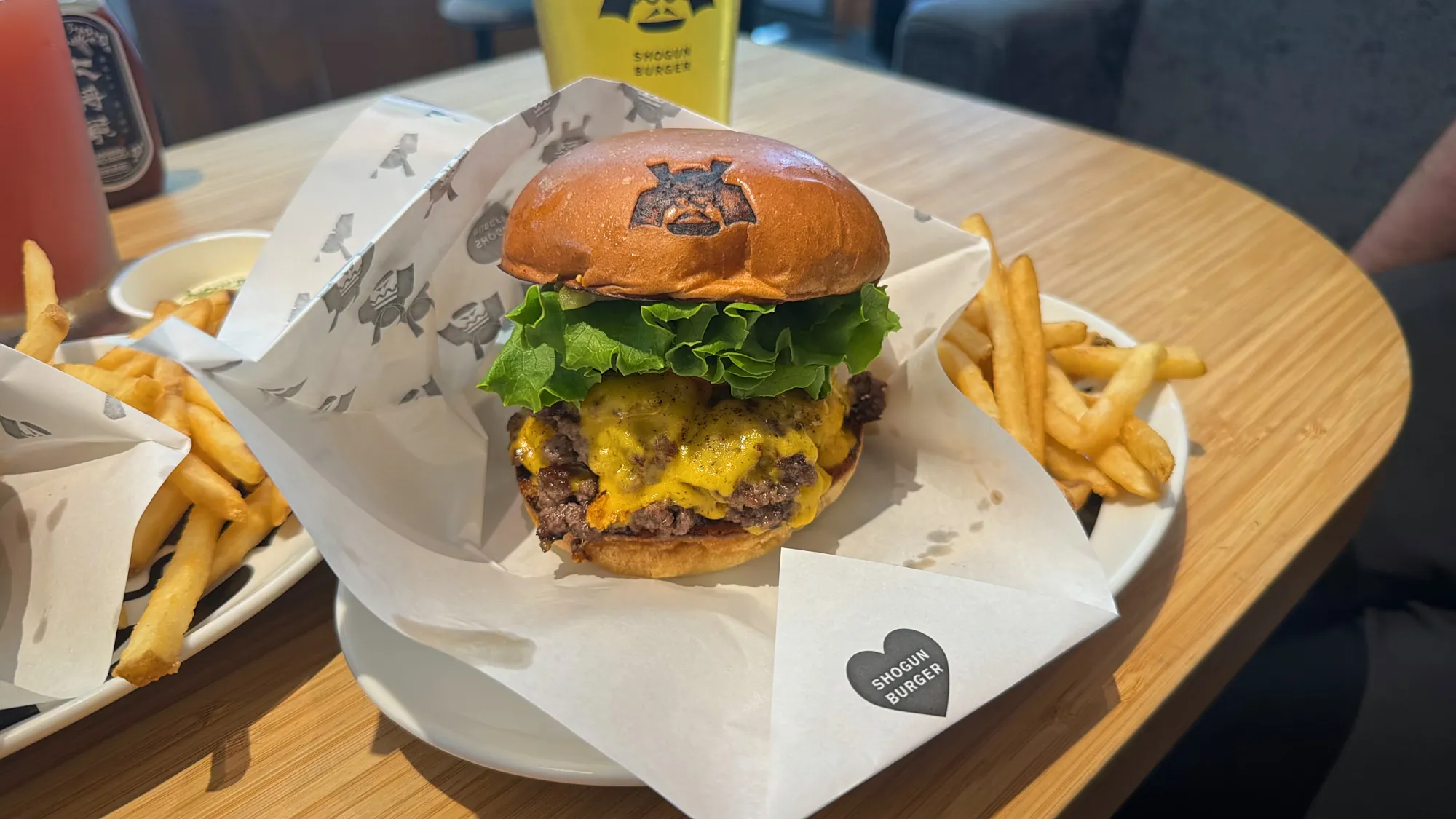
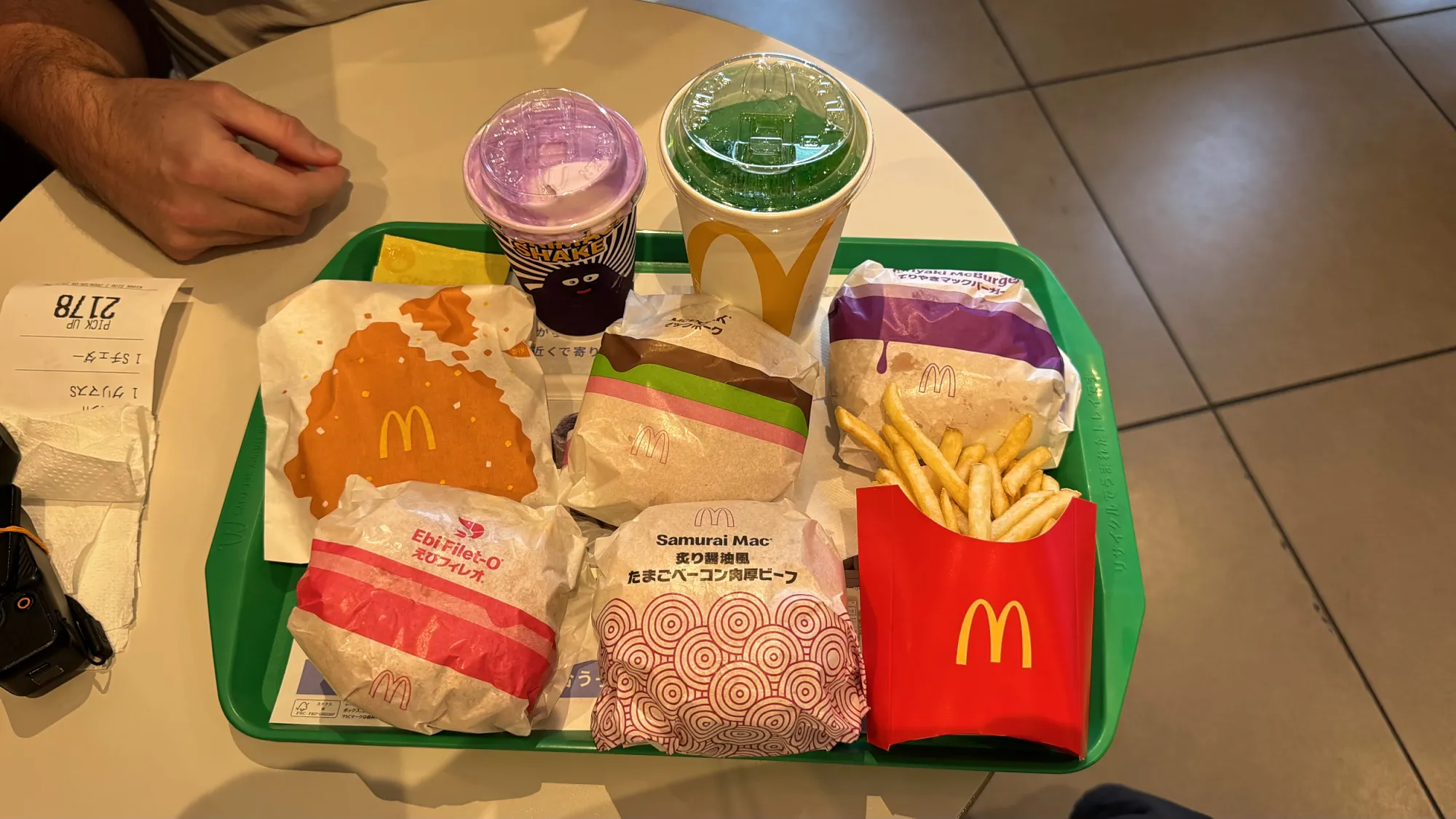
Tokyo works even for picky eaters, and the chains are a big reason why. There's curry, burgers, ramen, yakitori, sushi, breakfast trays, and, if all else fails, McDonald's, where Japan's menu is worth a visit on its own (it's why we try McDonald's everywhere).
The Flip Side: Meals Are In and Out
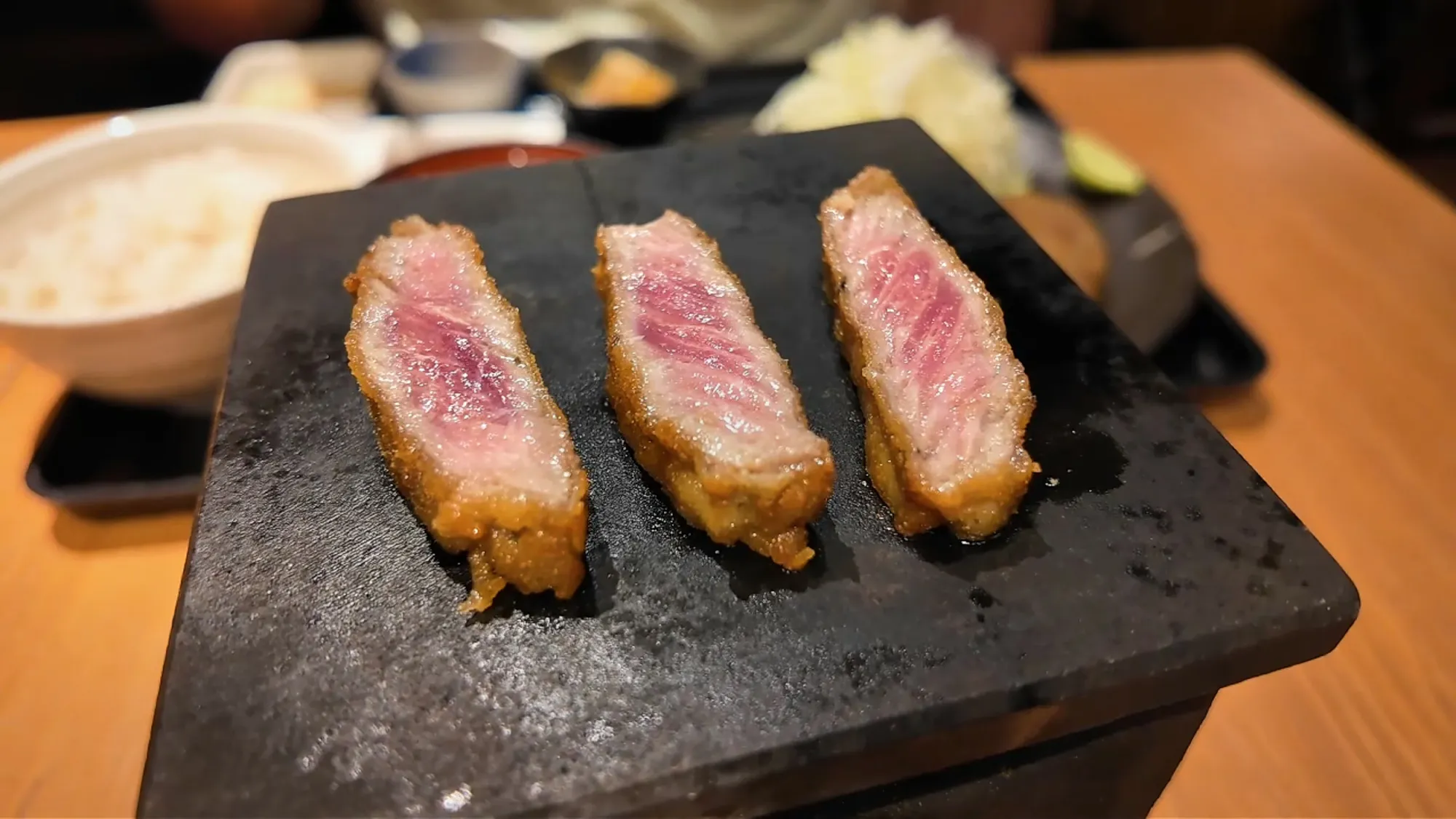
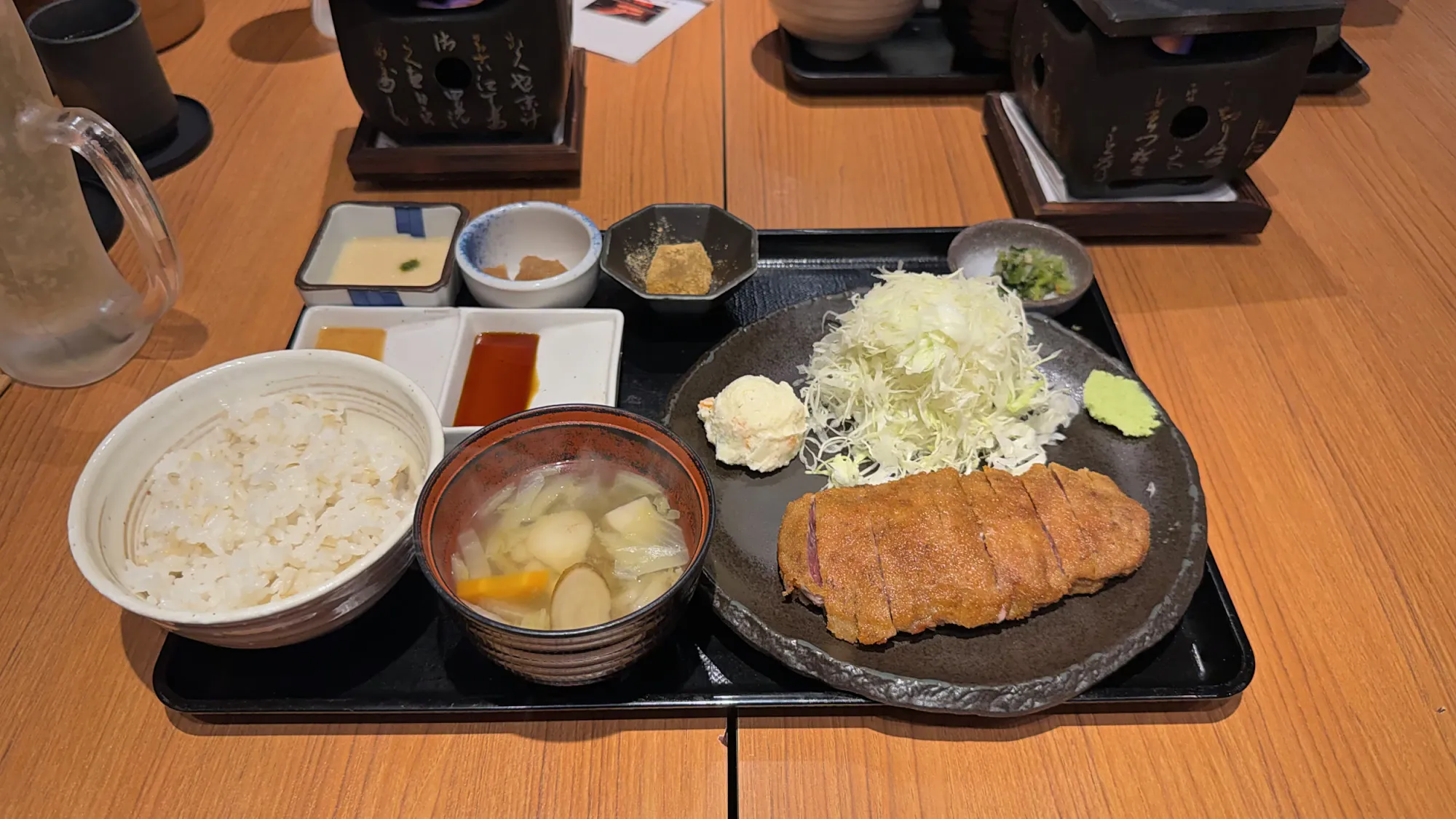
The speed has a cost. Most chain meals are short, and nobody expects you to stay once you're done. Sushiro and Torikizoku were the only places we lingered, and even there it was a couple of hours at most. At Gyukatsu Motomura, our booked table came with a 45-minute limit, and staff were hovering by minute 30, and Tokyo isn't built for hanging out after a meal either. For a long, slow dinner, look somewhere other than a chain.
The Japanese Chain Restaurants We'd Go Back To
Each one has its own full review, and the best restaurants in Tokyo, ranked shows how they stack up against everywhere else we ate:
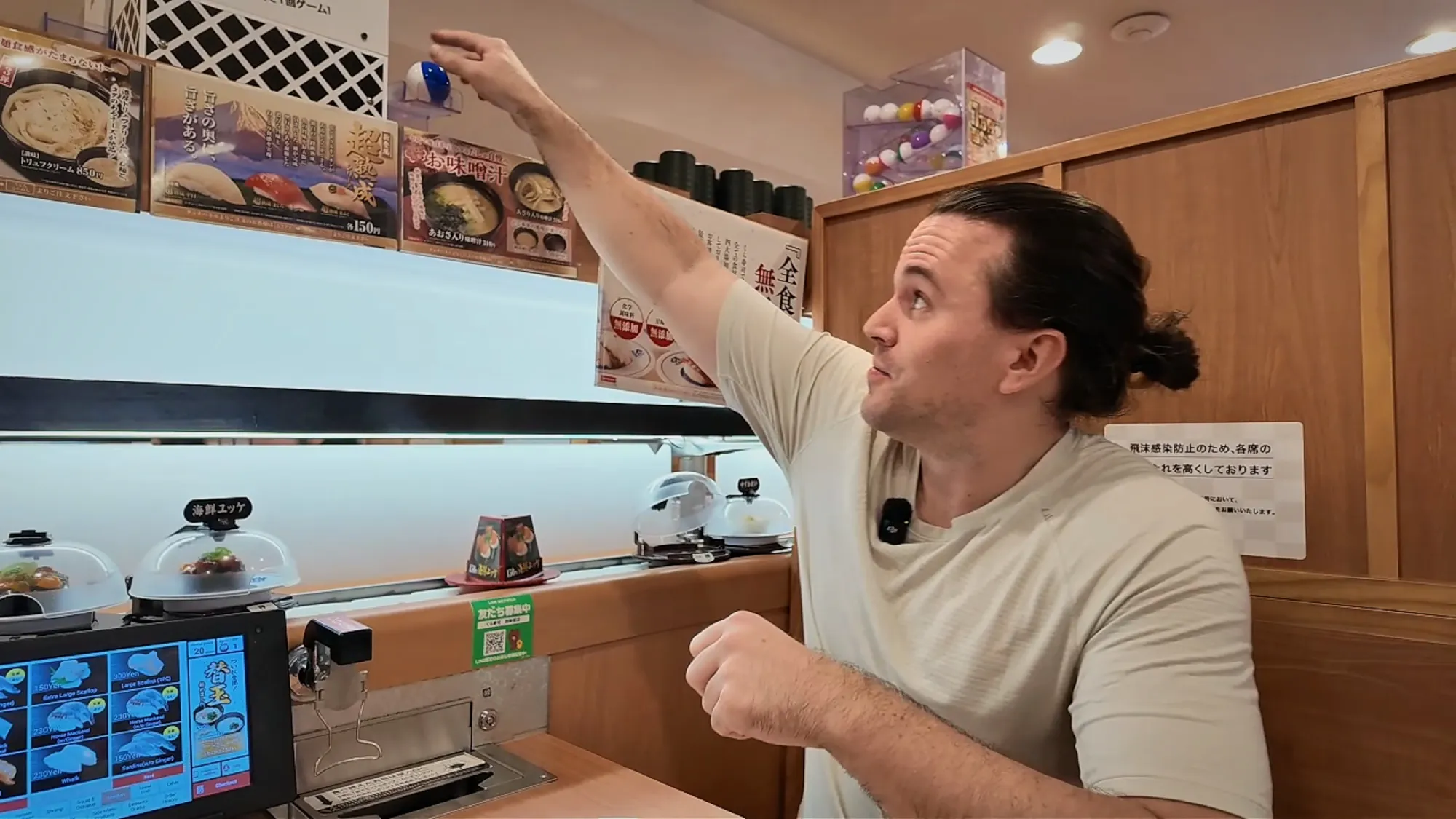
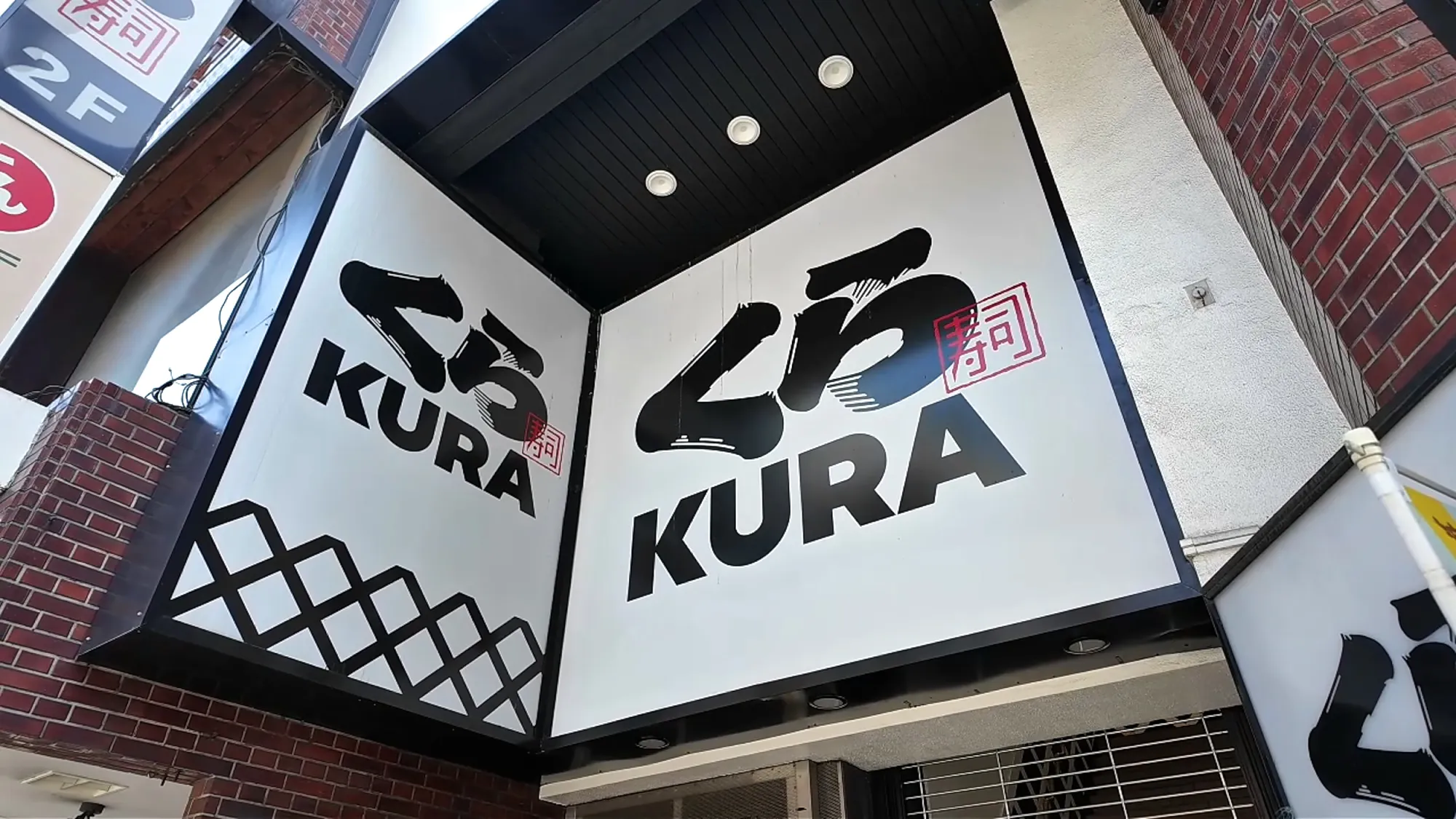
- Sushi: Sushiro, our weekly spot, and Kura Sushi for the prize game. Can't pick? Here's Sushiro vs Kura Sushi, head to head
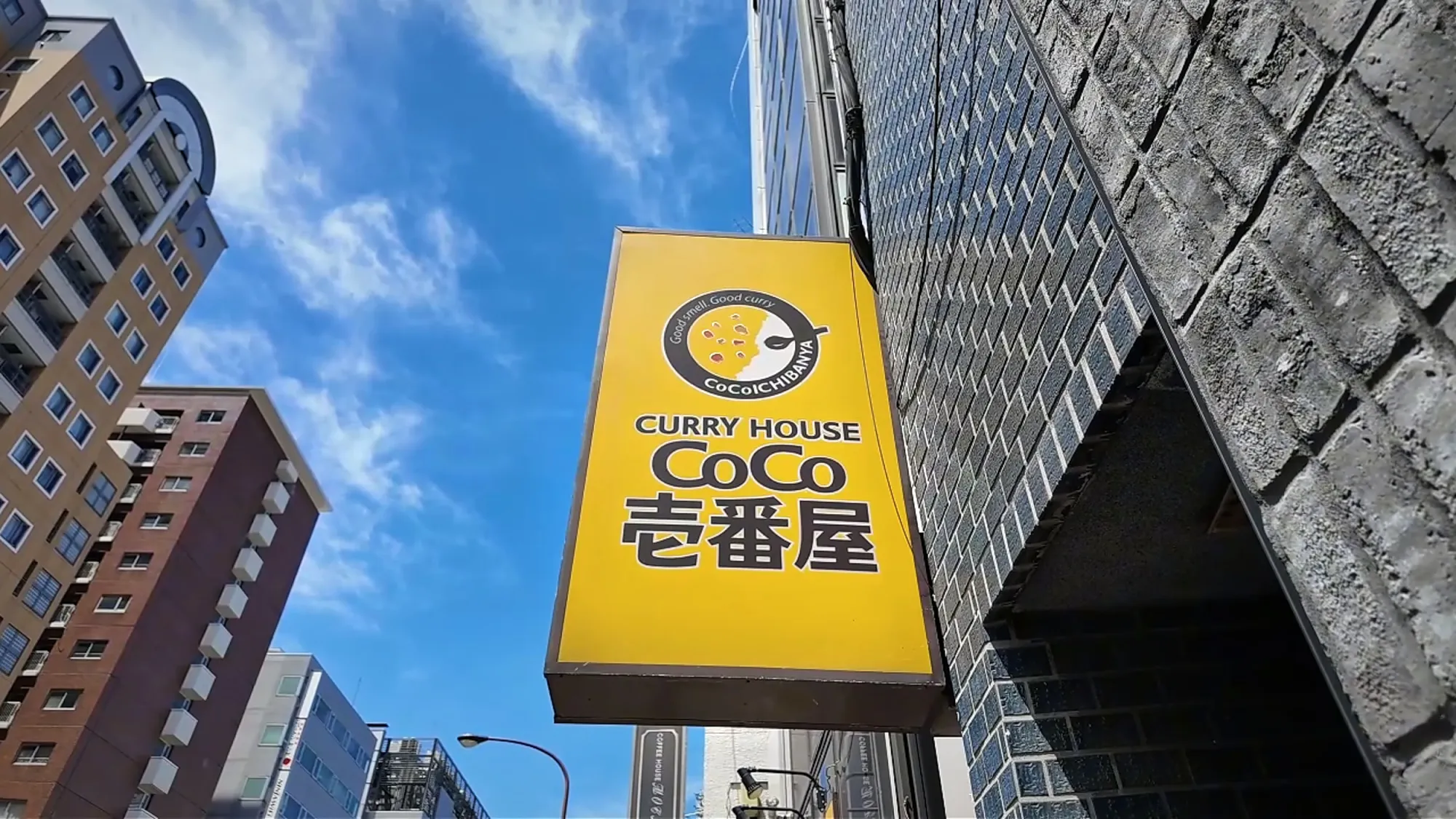
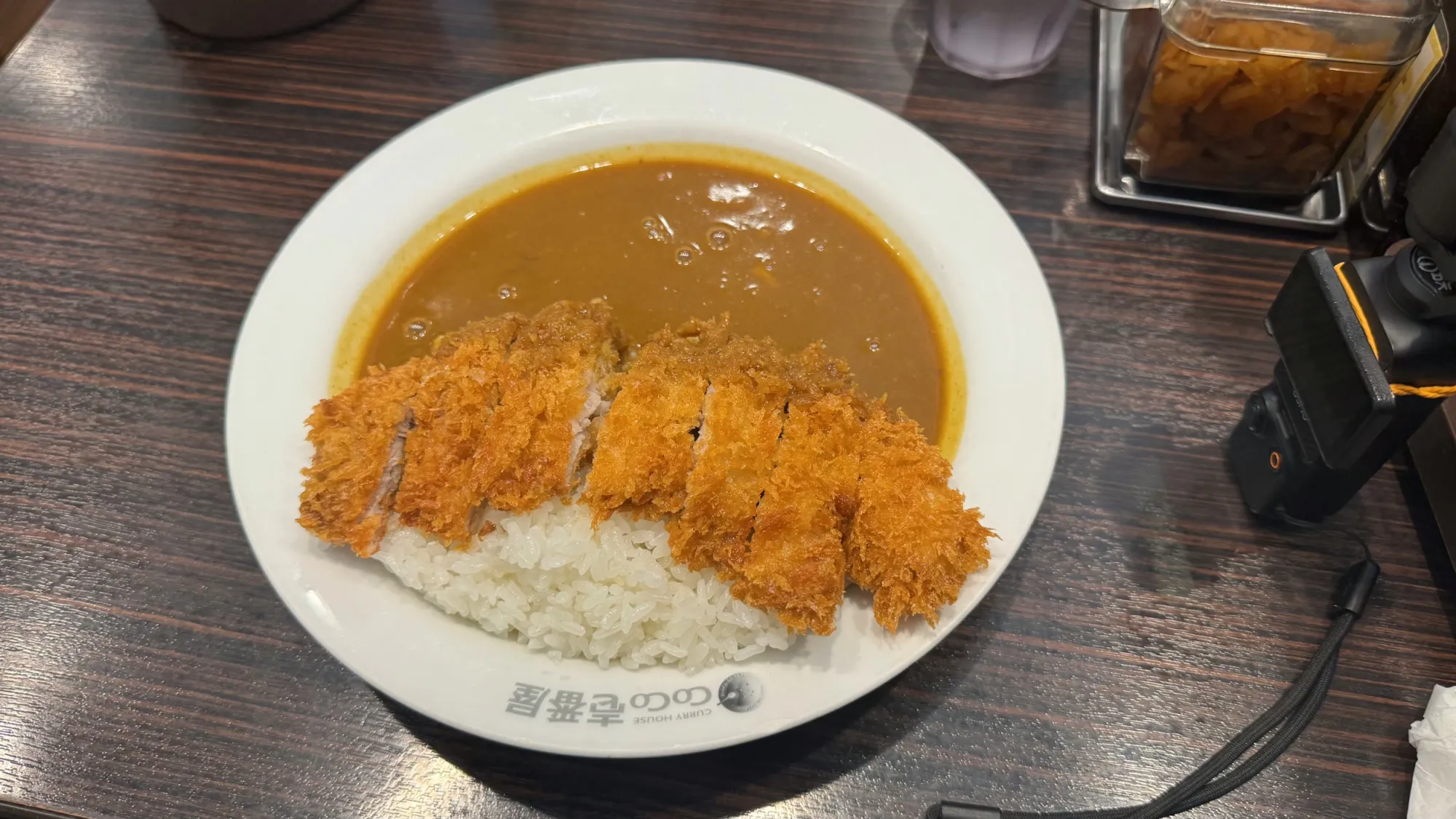
- Curry: CoCo Ichibanya, pork cutlet at regular spice
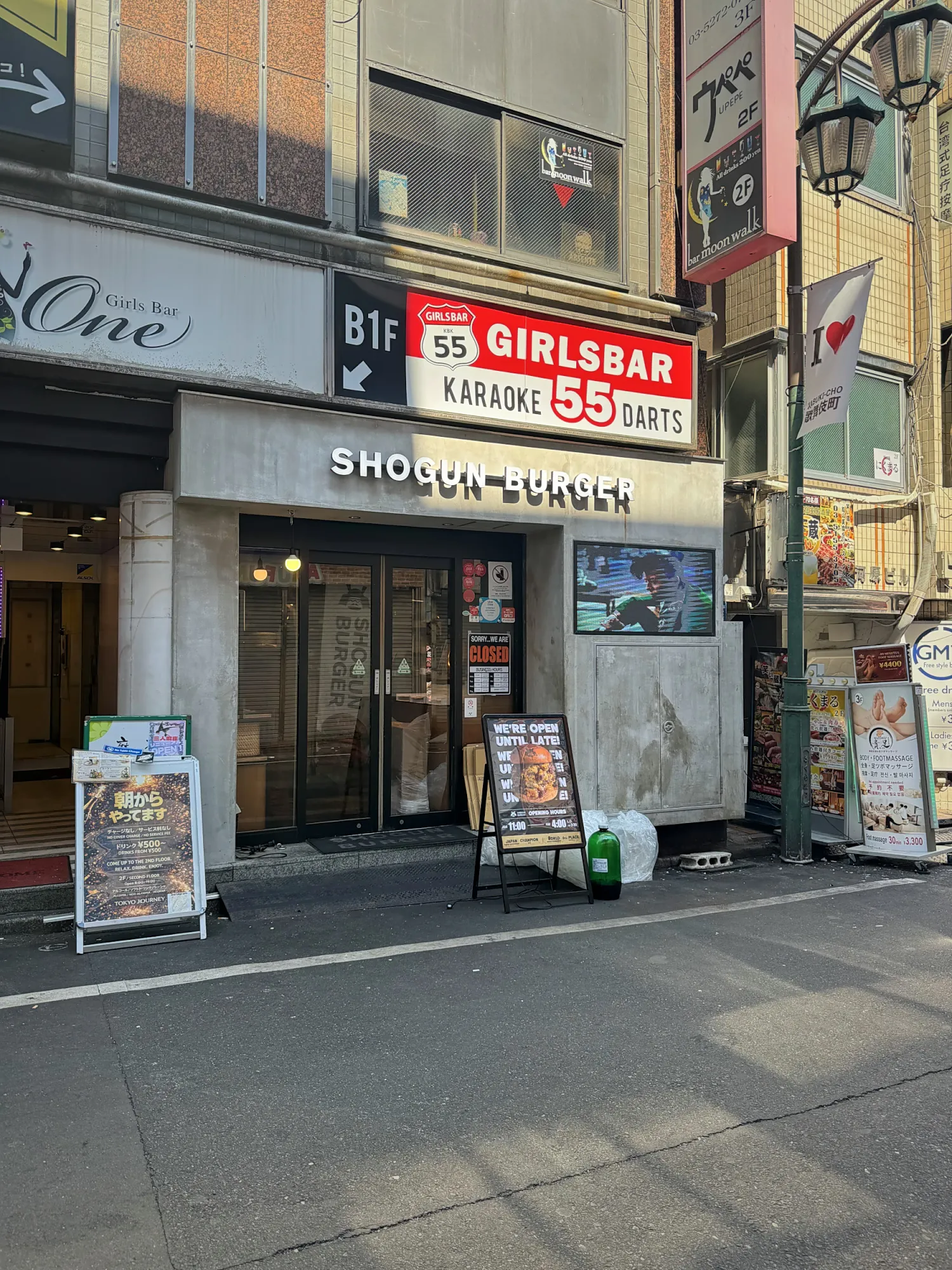
- Burgers: Shogun Burger, the wagyu double cheeseburger
- Tempura: Tendon Tenya, the classic shrimp bowl
- Gyudon: Matsuya, with green onion and egg
- Ramen: Ichiran, in your own booth
- Yakitori: Torikizoku, 390 yen an item1
- Breakfast: Yayoiken, a natto set
- Beef cutlet: Gyukatsu Motomura, seared on a hot stone
- Fast food: McDonald's in Japan, for the Japan-only menu
Tips for Eating at Chain Restaurants in Japan
- Copy the locals. When you're not sure what to do next, look around. That's how we figured out natto, the hot tea station at Tenya, and when to pick up our food.
- Watch and listen for your order. Some chains put your number on a screen and some call it out loud, so keep an ear open too.
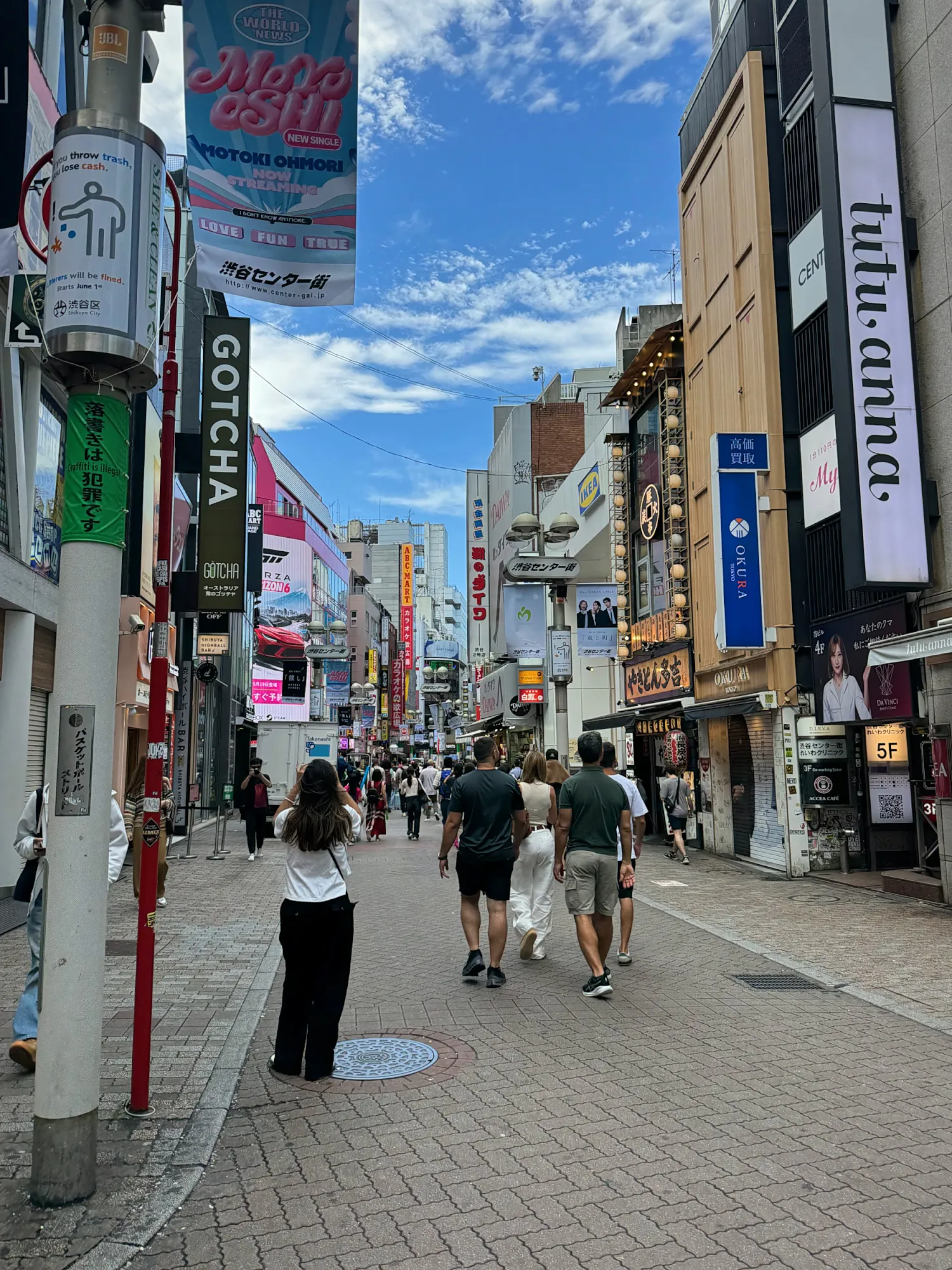
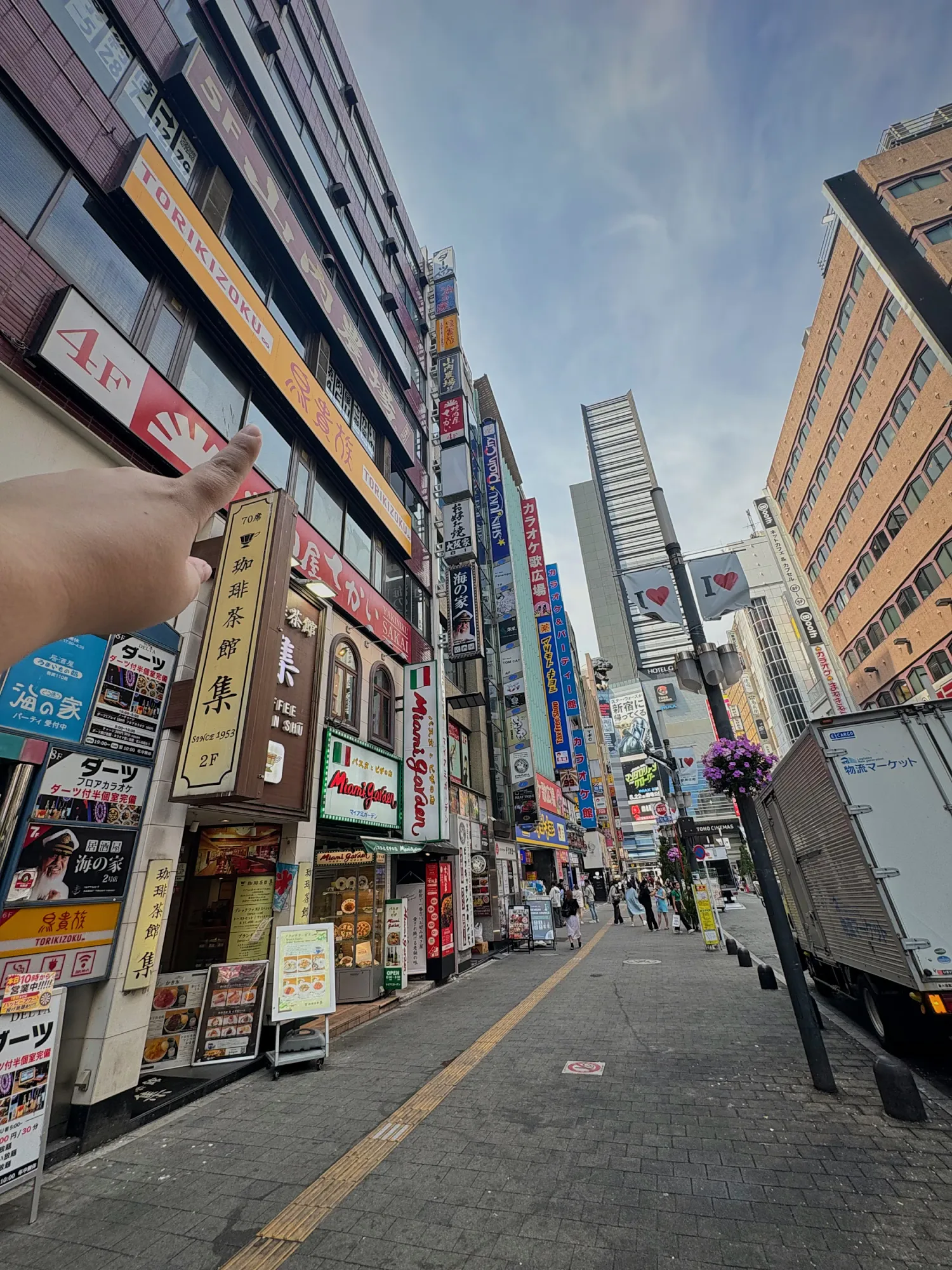
- Look up. Plenty of chains are on upper floors; our Torikizoku and our regular Sushiro were both six floors up. Scan the signs stacked up the side of every building.
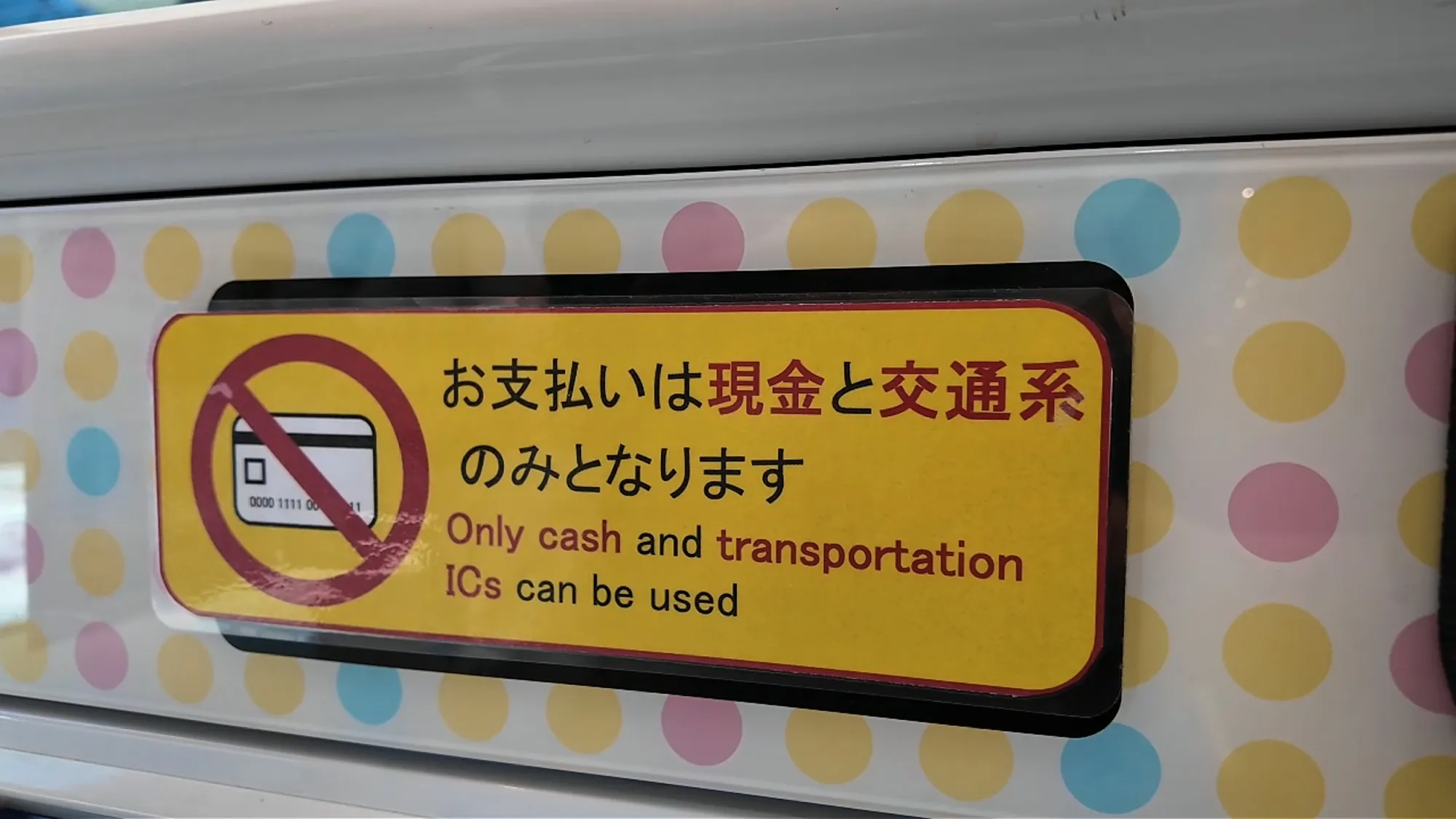
- Keep a Suica card on your phone. Most chains took our card, but a few kiosks, like Tenya's, only take cash or an IC card.
- Avoid the lunch rush in business areas. In office districts, the chains fill up with salarymen at midday.
- Book Sushiro on the app. We always reserved, often at the last minute, and never had a long wait.
- Have data from day one. You'll use it to find the nearest branch, book a table, and translate the odd sign, so get an Airalo eSIM before you land.
Our Verdict on Japanese Chain Restaurants
Don't repeat our first-trip mistake. Chains aren't a way around Japanese food; they are Japanese food, the way people here eat it every day, and they were easy, efficient, fast, and fun. Save a night or two for a long dinner somewhere special, and let the chains handle the rest.
Where you stay helps, too. We lived in Shinjuku, and most of these chains were a walk from our door. If you want the same, compare hotels in Tokyo and look near a busy station.
Next Steps for Your Tokyo Trip
Bernie & Cream@bernieandcream
Follow along on Facebook
Bernie & Cream@bernieandcream
Follow along on Instagram
Bernie & Cream@bernieandcream
Follow along on Threads
Bernie & Cream@bernieandcream
Watch us on TikTok
Bernie & Cream@bernieandcream
Follow along on X
Bernie & Cream@BernieAndCream