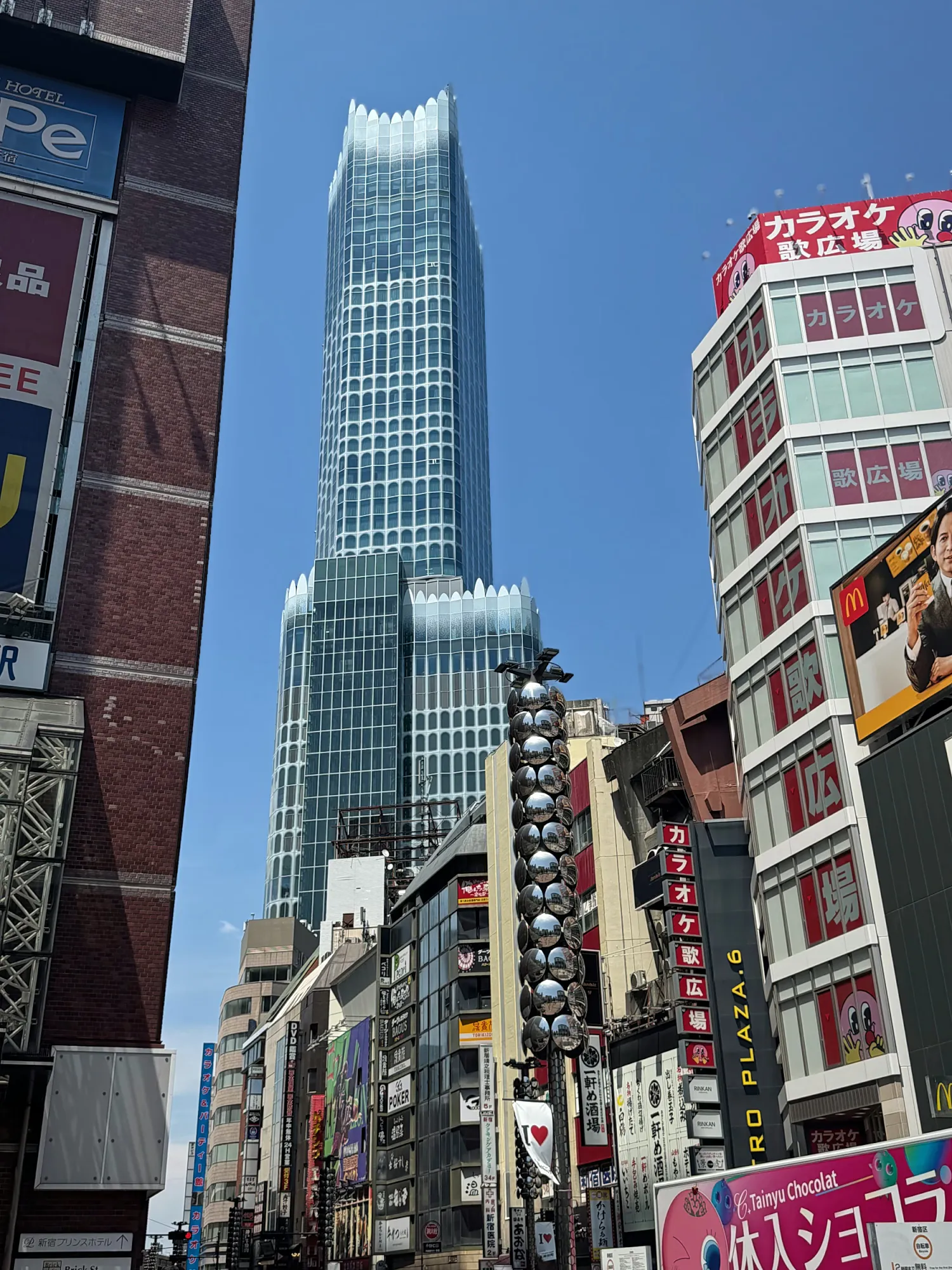
I'd 100% stay in Shinjuku again. Just not in the neon part.
Heads up: some links and maps in this guide are affiliate links. If you book or buy through them, we may earn a commission at no extra cost to you.
In this guide 12 sections
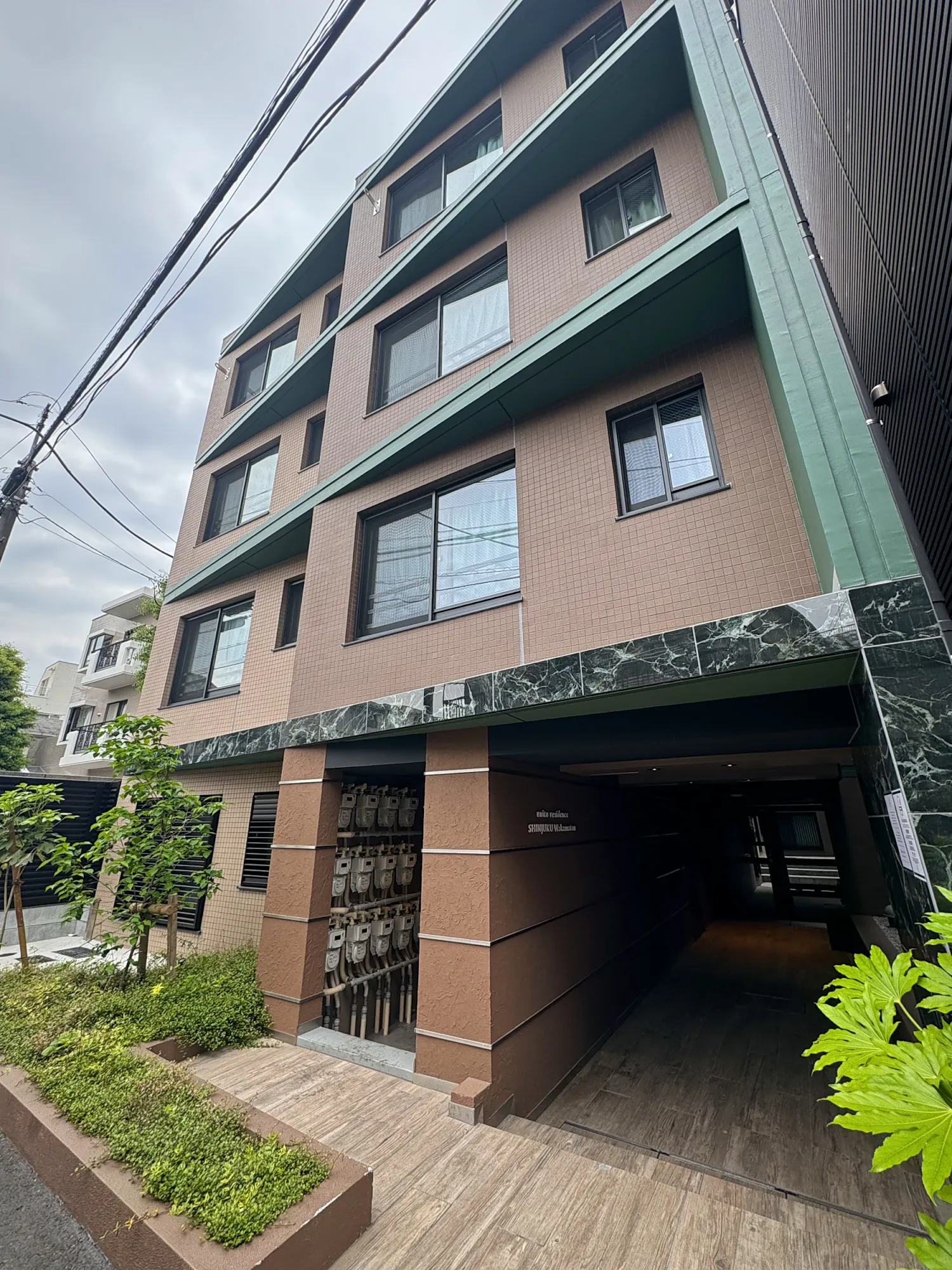
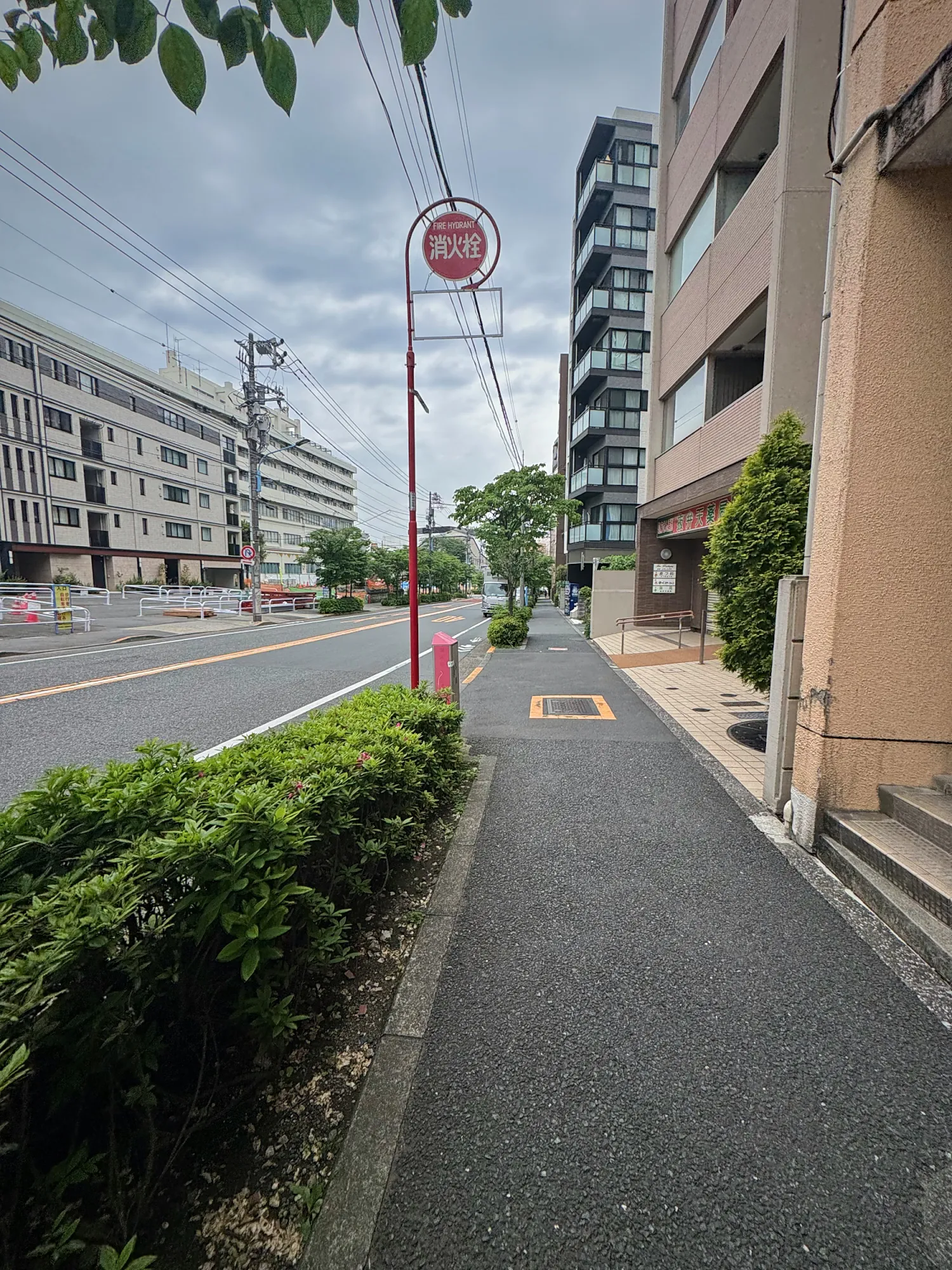
Most people picture Shinjuku as giant billboards, the Godzilla head, and a train station so big it has its own maps. That's all there, and we loved it. But we lived a 15 to 20 minute walk away, in Wakamatsu-cho, a quiet residential corner of Shinjuku City. My mornings started at a little shrine down the street. Moms rode by on souped-up bikes loaded with kids. At night we'd walk downhill into the lights for dinner.
That mix is the real answer to whether Shinjuku is a good place to stay. Below is what a month living in Shinjuku taught us: which part of Shinjuku to book, what we loved, what drove us a little crazy, and who should pick somewhere else.
Is Shinjuku a Good Place to Stay? Our Quick Answer
Yes. Shinjuku is the best base in Tokyo for most first trips. Its station connects you to almost anywhere in the city, the food is endless and open late, and the whole area felt safe to us at night. For a week or less, stay near the Godzilla head and the station's East Exit. For a month, a quiet residential pocket like ours is even better. Skip Shinjuku if you want calm streets right outside your door and can't stand crowds.
Staying in Shinjuku at a Glance
- Our verdict
- We'd stay here again
- Where we stayed
- An apartment in Wakamatsu-cho, Shinjuku City, for a month
- Best for
- First trips, food lovers, night owls
- Short trip
- Book near the Godzilla head and the East Exit
- Long stay
- A quiet residential area near a subway stop
- Watch out for
- Bar touts in Kabukicho, the station's maze of exits
Quick picks
Three hotels we'd book near the Godzilla head
Which Part of Shinjuku to Stay In
Shinjuku is big, and where you book inside it matters more than you'd think. Here's how the main areas compare, from our month and our research.
| Area | What it's like | Best for |
|---|---|---|
| Around Shinjuku Station | The center of everything. Busy all day | Trains and day trips at your door |
| East Shinjuku and Shinjuku-sanchome | Department stores, restaurants, close to the garden | Food and shopping, a little calmer |
| Around the Godzilla head and Kabukicho | Neon, bars, and food, loud late into the night | A short trip. Our pick, on a side street |
| West Shinjuku | Skyscrapers and big hotels. Quiet at night | Bigger rooms and quieter nights |
| Shin-Okubo | Tokyo's Koreatown, one stop north on the Yamanote Line | Korean food and a lower budget |
| Residential Shinjuku (Wakamatsu-cho) | Homes, shrines, and supermarkets | A long stay. Where we lived |
For a week or less, I'd stay closer in than we did. Our walk was fine for a month, but on a short trip it would eat into your evenings. Our pick is anywhere around the Godzilla head, between the station's East Exit and Kabukicho. That whole area is so walkable. The food, the shrine, Don Quijote, the 3D cat, and the trains are all a few minutes away.
If you're a light sleeper, look for a hotel on a side street rather than right on the neon, because Kabukicho stays loud late. When you're ready, compare Tokyo hotels by area and price and look for one within a 10-minute walk of the East Exit.
 Bernie & Cream@bernieandcream
Follow along on Facebook
Bernie & Cream@bernieandcream
Follow along on Instagram
Bernie & Cream@bernieandcream
Follow along on Threads
Bernie & Cream@bernieandcream
Watch us on TikTok
Bernie & Cream@bernieandcream
Follow along on X
Bernie & Cream@BernieAndCream


For a month, do what we did. A residential pocket near a subway stop gives you quiet streets, a supermarket, and real neighborhood life, with the lights a short walk away.
What's Near You in Shinjuku
Stay around the Godzilla head and these are all a few minutes' walk away. They're our five favorites.
- Godzilla Road and Kabukicho. The neon side of Shinjuku, with the Godzilla head watching from above. Go after dark.
- Tokyu Kabukicho Tower. Its food hall, Shinjuku Kabuki Hall, feels like a street festival under one roof. Shogun Burger is inside too.
- The 3D cat. A giant calico climbs out of a curved screen across from the station's East Exit. Everyone stops to watch.
- Golden Gai. About 280 tiny bars squeezed into six narrow alleys.2 If a bar that small feels like a lot, a guided night tour of Shinjuku is the easy way in.
- Hanazono Shrine. A quiet, free shrine a few minutes from the neon.
There are plenty more. Here are the 17 best things to do in Shinjuku, with what each one costs and when to go.
Want someone to show you around? These are guided tours and experiences you can book in Tokyo, from food walks to night tours:
Eating in Shinjuku: Our Favorite Spots
Nine of the places we reviewed in Tokyo were in Shinjuku, and that alone is a reason to stay here. All of these were walkable from our apartment:
- Shogun Burger in Tokyu Kabukicho Tower. A wagyu burger we kept coming back for.
- Torikizoku in Kabukicho. Cheap yakitori and one of the most fun nights we had in Tokyo.
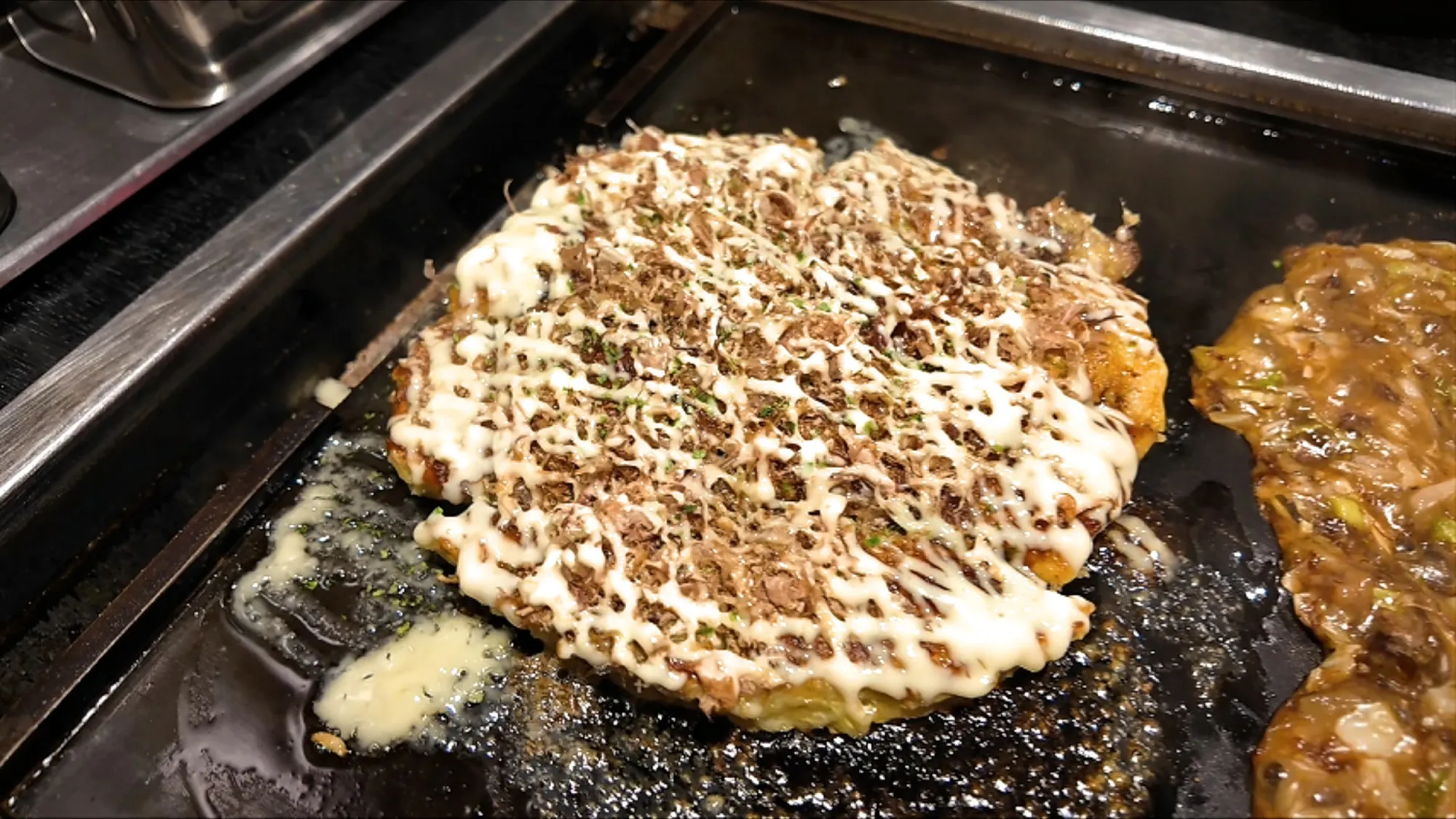
- Osakaya in Kabukicho. Monjayaki and okonomiyaki you cook at your own griddle.
- Ichiran in Kabukicho. Ramen in a private booth, open 24 hours.
- CoCo Ichibanya by Higashi-Shinjuku Station. Our first Japanese curry, and one of our top three meals in Japan.
- Gyukatsu Motomura by the South Exit. A beef cutlet you sear yourself on a hot stone.
- Donsuke Bakery in Shinjuku 7-chome. Our neighborhood bakery.
- Sushiro. Conveyor belt sushi, and our favorite meal in Tokyo.
- McDonald's. Where we tried 15 Japan-only items in one sitting.
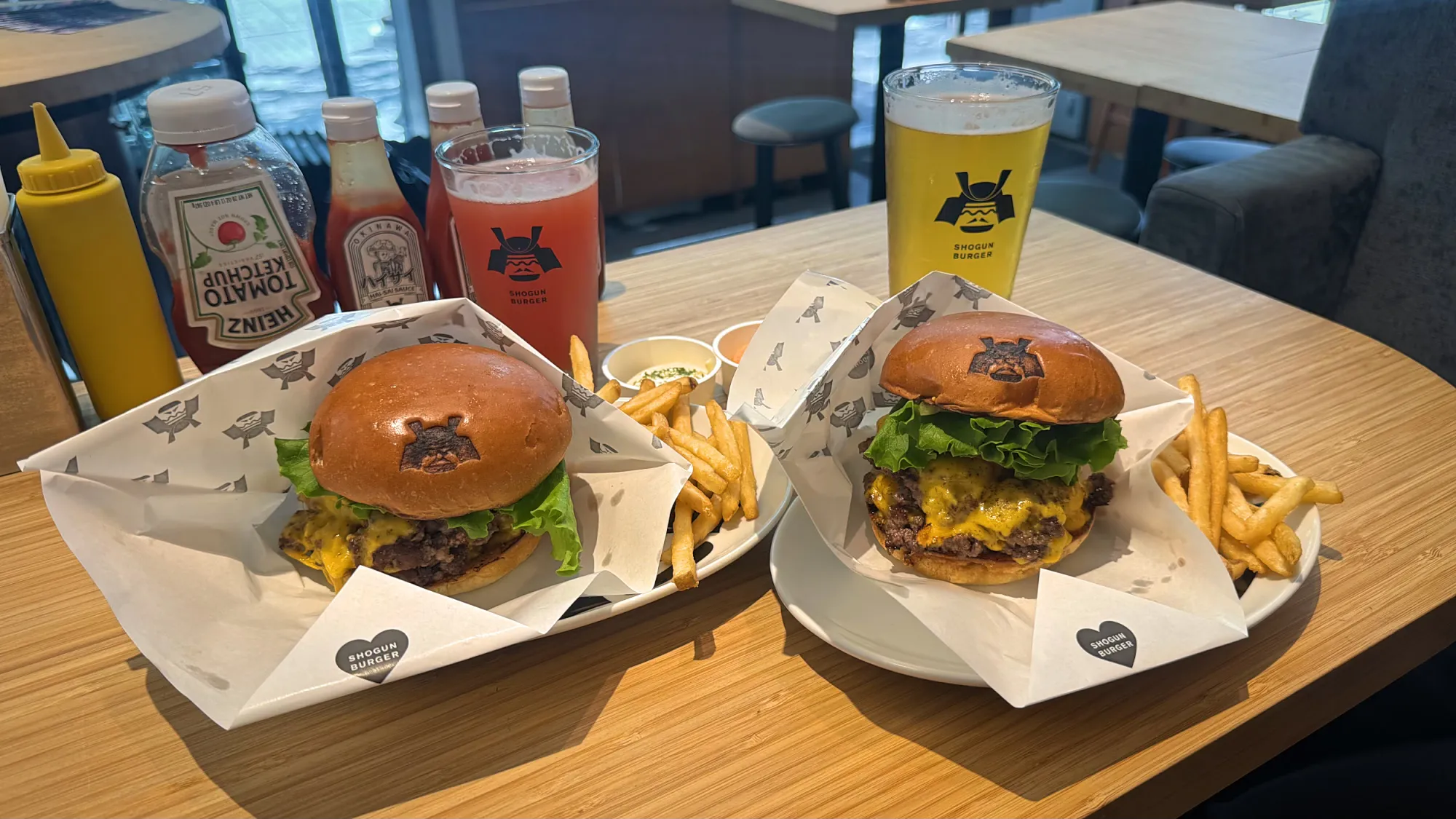
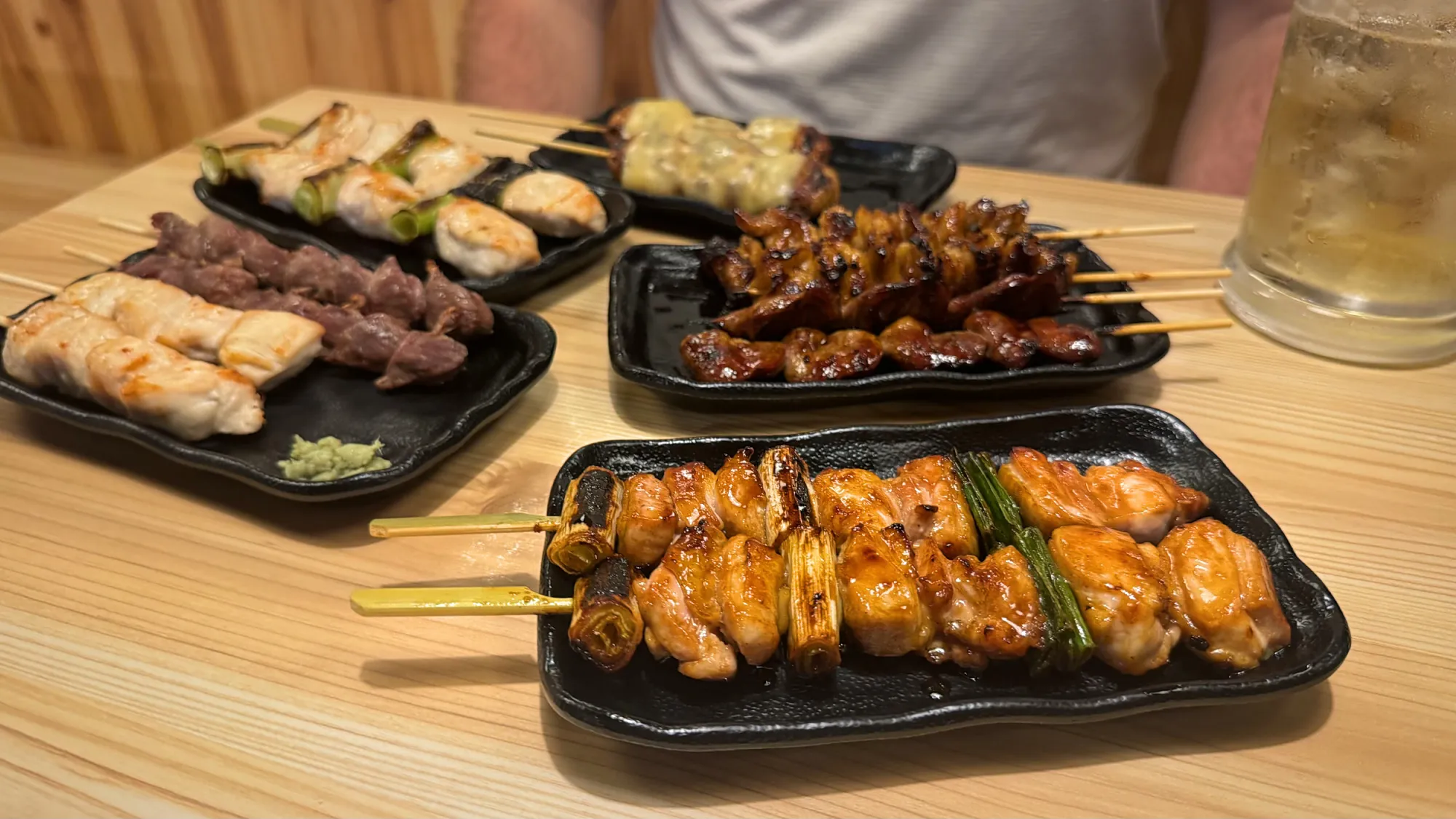
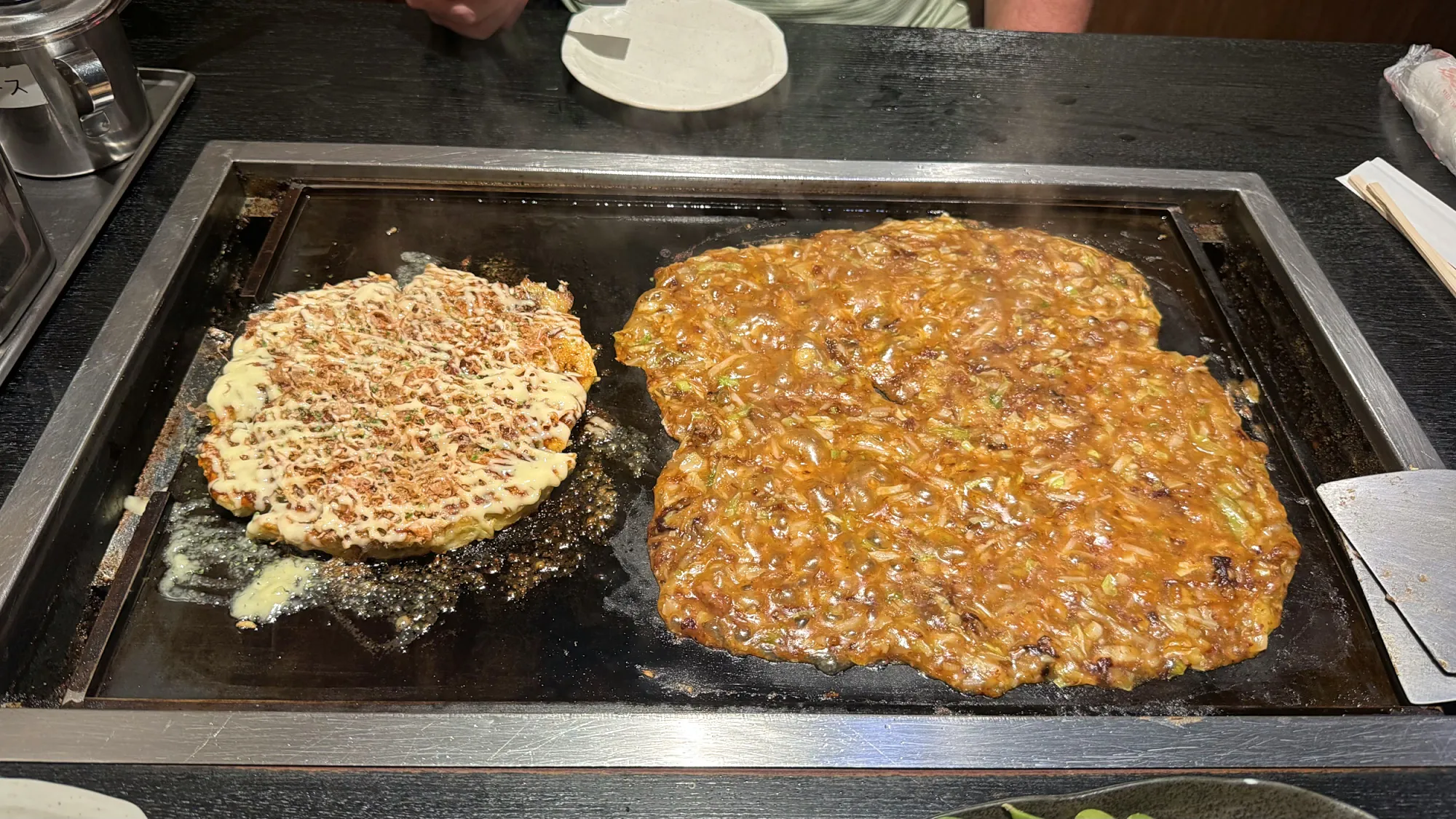
For the full ranking, and the dishes we'd fly back for, see our must-eat foods in Tokyo.
Getting Around From Shinjuku
This is the biggest reason to stay in Shinjuku. Shinjuku Station is the busiest train station in the world. Guinness counted an average of about 2.7 million passengers a day in 2022.1 JR's Yamanote Line loops you around central Tokyo from here, the Chuo Line crosses the city, and the subway lines, Odakyu, and Keio fan out in every direction.
For day trips, it's the place to be. The Odakyu Romancecar leaves from Shinjuku for Hakone-Yumoto, about 80 minutes away, with reserved seats and big windows.3 Highway buses to Mt. Fuji and beyond leave from Busta Shinjuku, the bus terminal above the station's south side.
Getting in from the airport is easy too. The Airport Limousine Bus from Narita stops at Shinjuku Station, Busta Shinjuku, and several big Shinjuku hotels for 3,600 yen, as of October 2026.4 We took the train instead, and our Narita to Shinjuku guide compares every option.
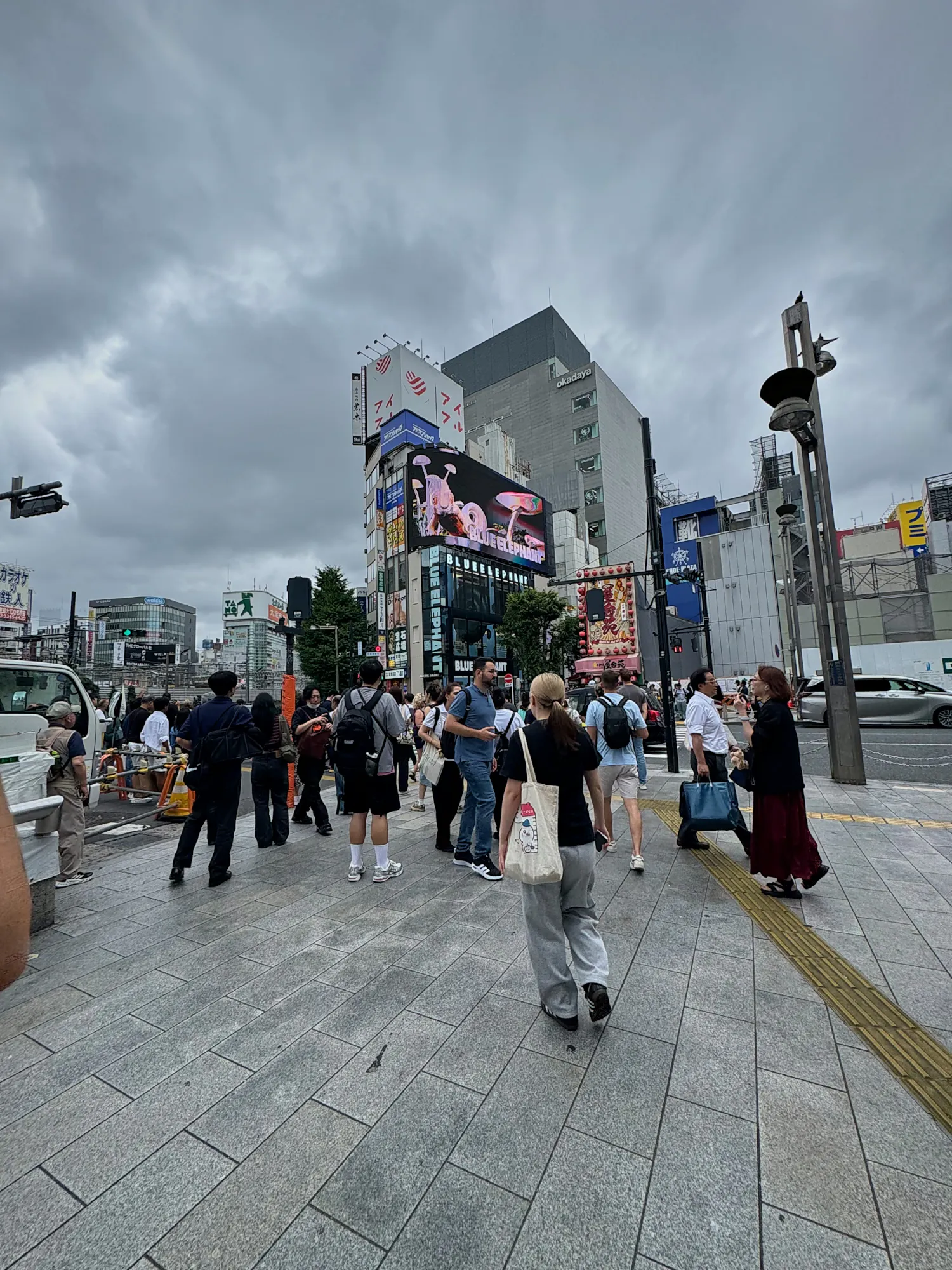
The catch is the station itself. It has a huge number of exits, and the wrong one can leave you on the far side of the tracks from where you wanted to be. Some days we gave up, picked any exit, and figured it out on the street. It never made us miss anything. Our Tokyo Metro 101 walks through reading the exit signs.
Why We Picked Shinjuku
I researched every area before we booked. Shinjuku won on what it had to offer: the food, the nightlife, the trains, the sheer amount going on. Shibuya looked more modern, but its vibe and activities didn't match what I wanted from Tokyo.
The first time we visited Shibuya, I knew we'd chosen right. I also knew the stakes were low. Tokyo is so safe and so well connected that you can't really pick a wrong neighborhood. If we'd hated Shinjuku, Shibuya was a short train ride away. We ended up all over the city from our corner of Shinjuku, which is more than I can say for somewhere like Bangkok, where getting around kept us closer to home.
Living on the Quiet Side of Shinjuku
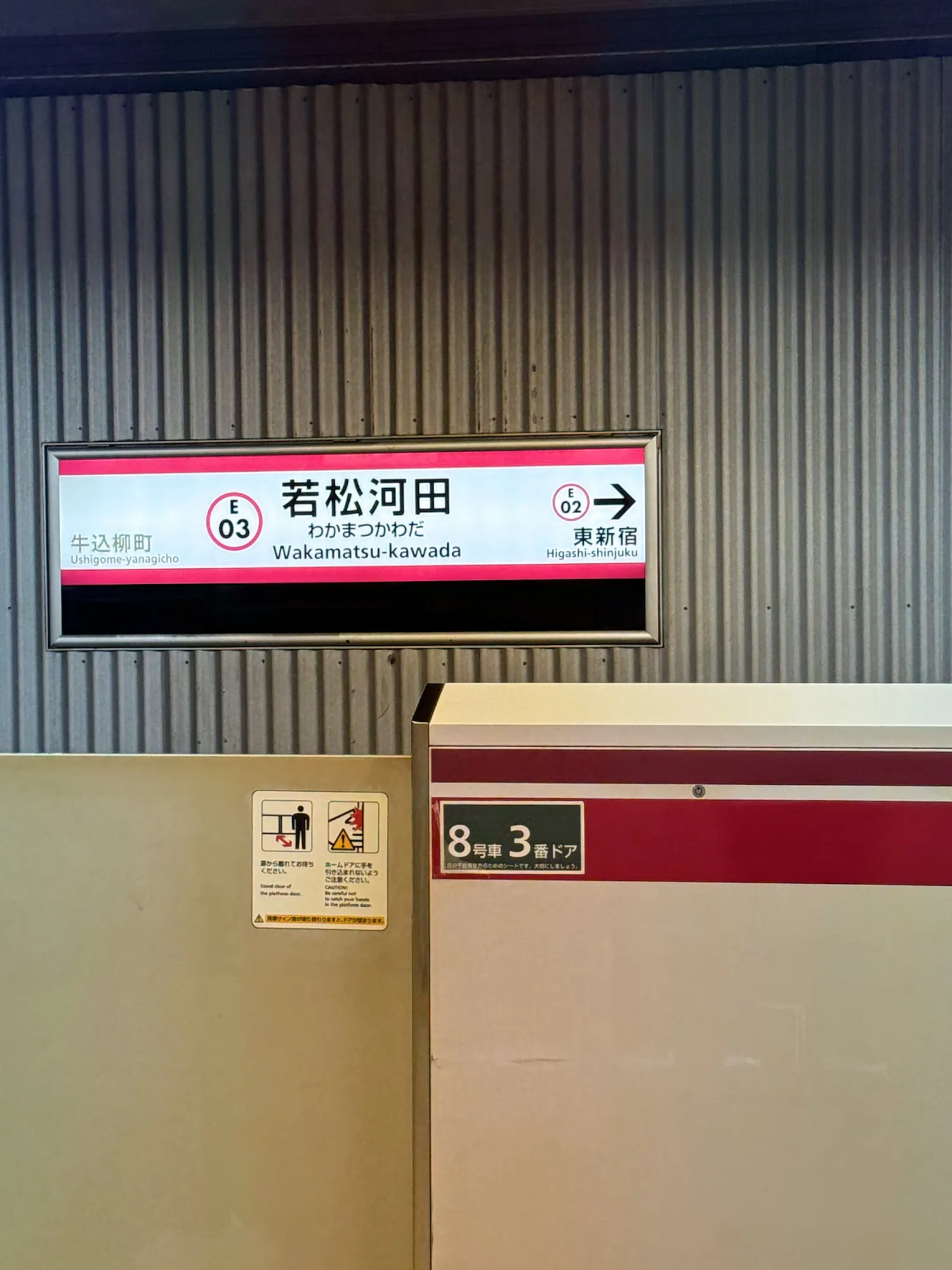
Staying a few weeks or more? Look past the neon. Shinjuku isn't one neighborhood. It's a whole city ward, and much of it is quiet homes and small streets. We lived in Wakamatsu-cho, near Wakamatsu-Kawada Station, and it felt like a different city from the one on the postcards.
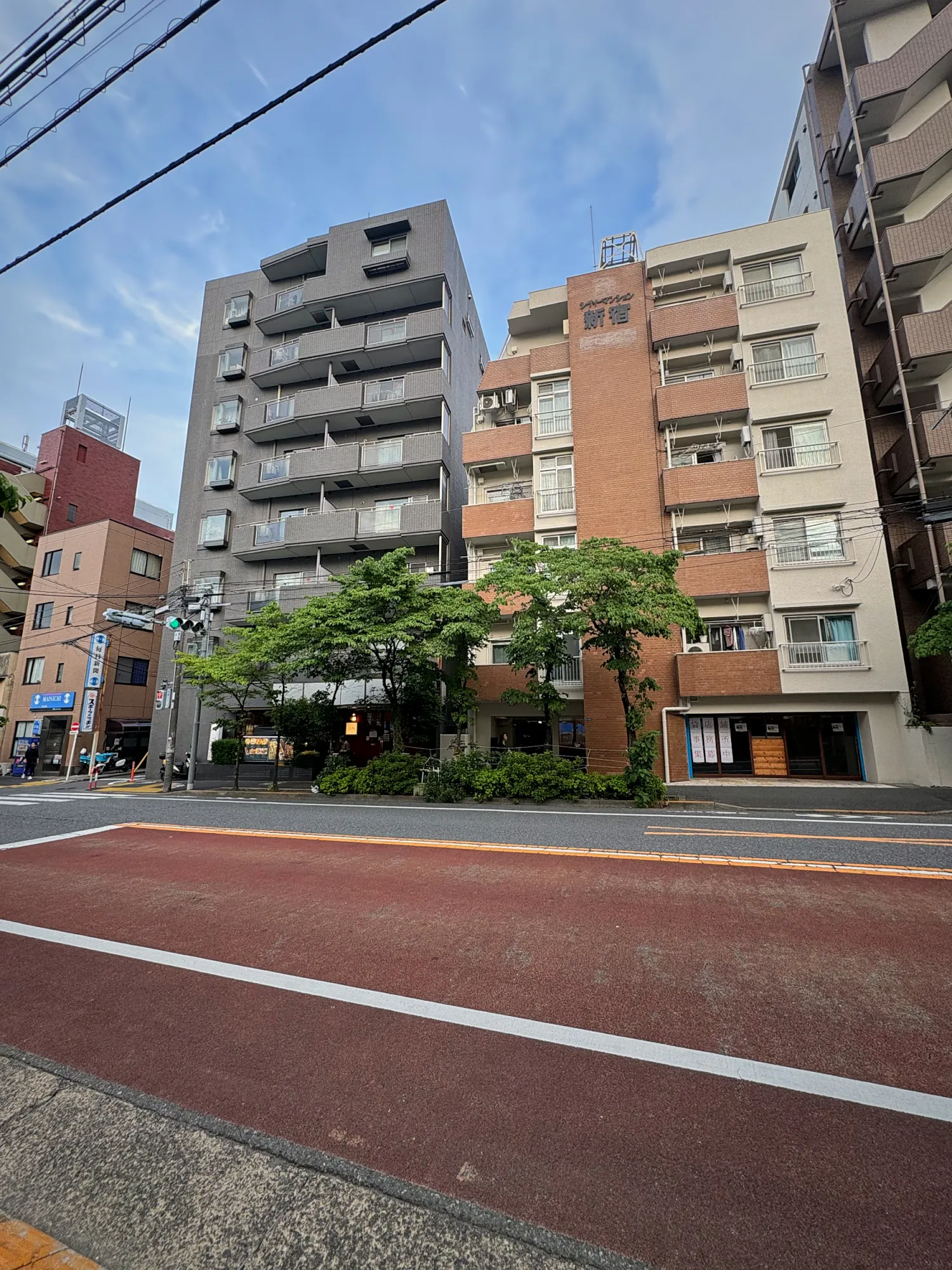
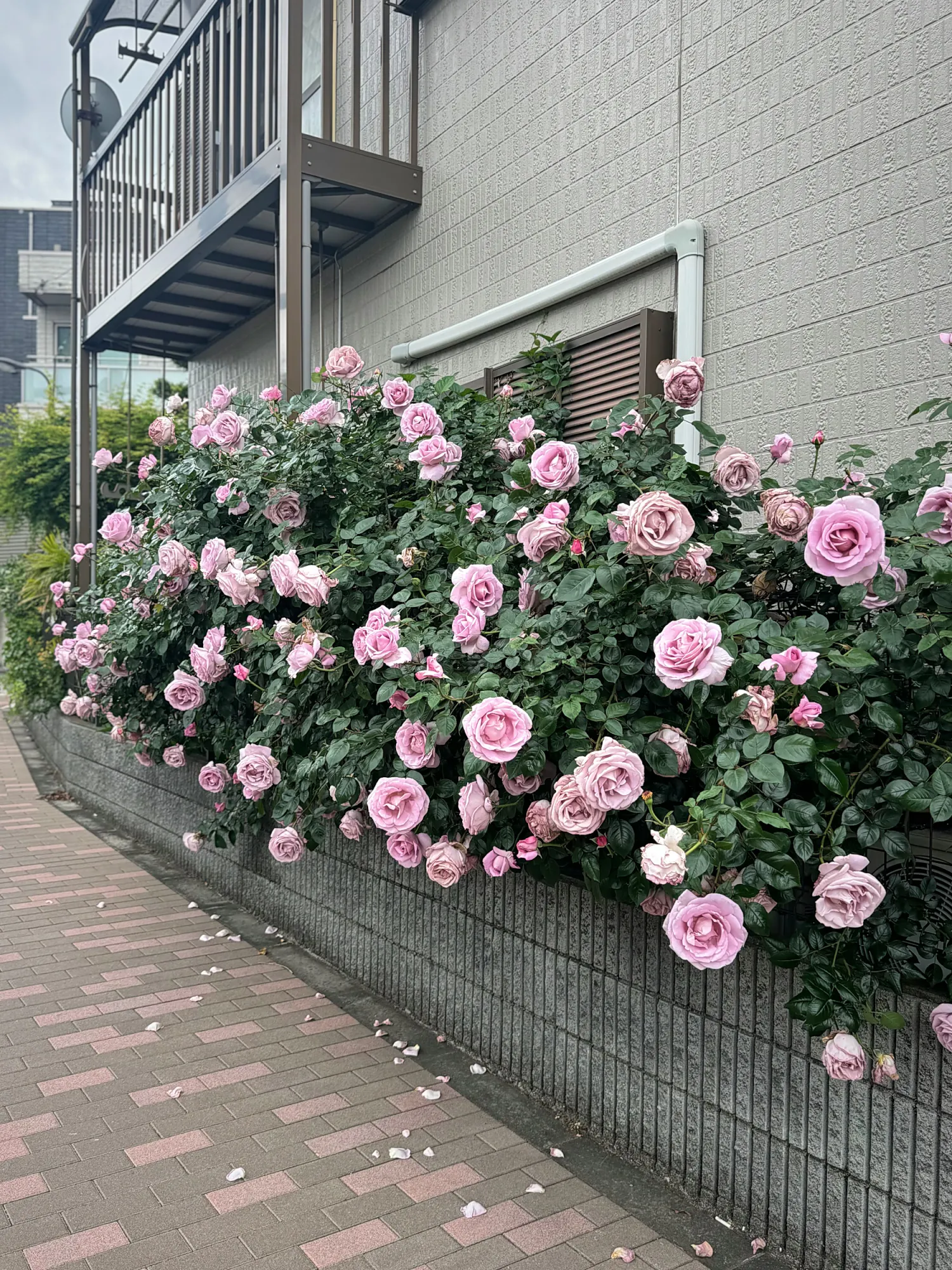
It wasn't busy or loud. I walked to a little shrine every morning, and it was peaceful. This is where you see real Tokyo life. Moms pedal by with two or three kids on one bike, and nobody looks twice. I loved that.
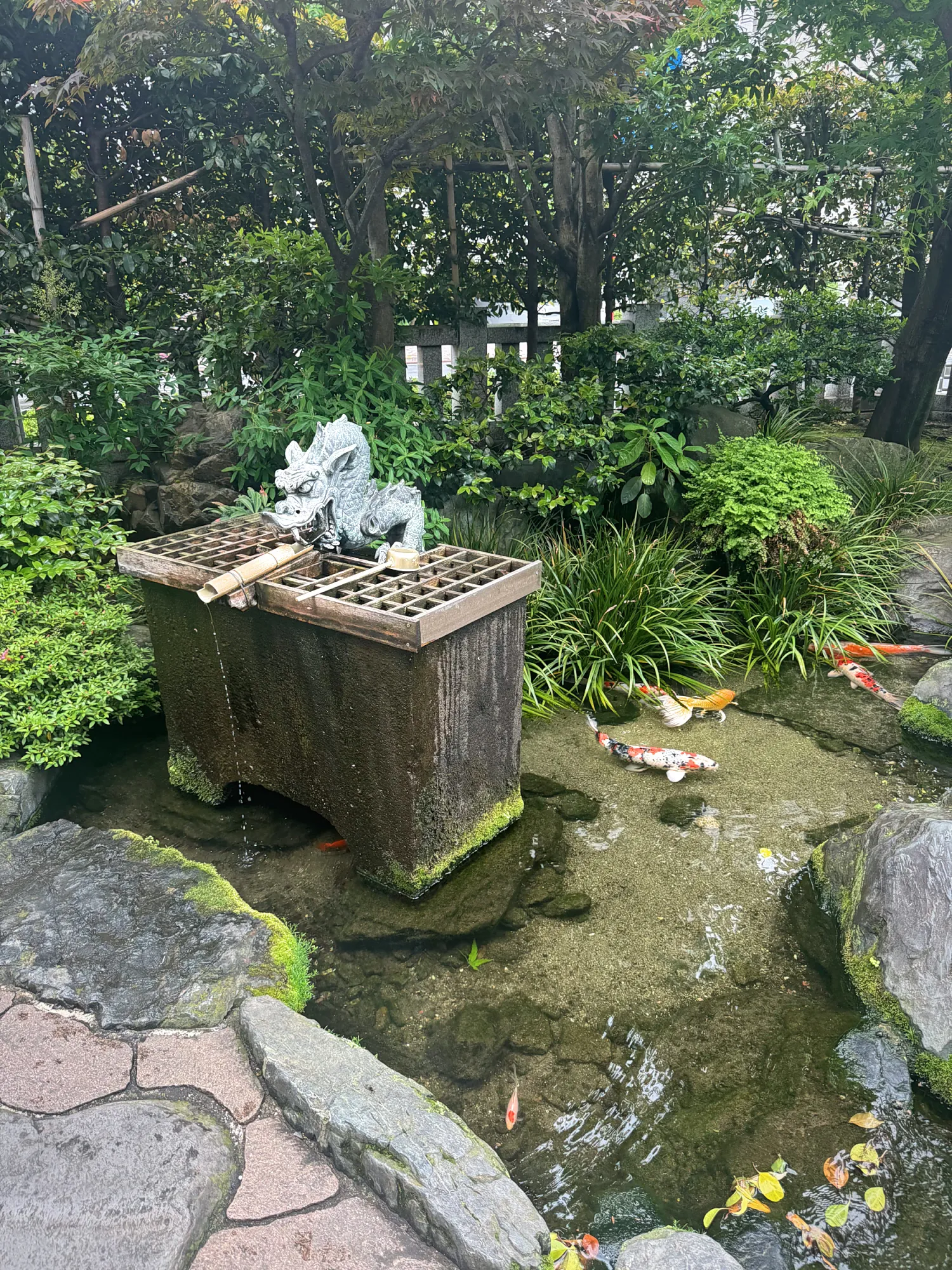
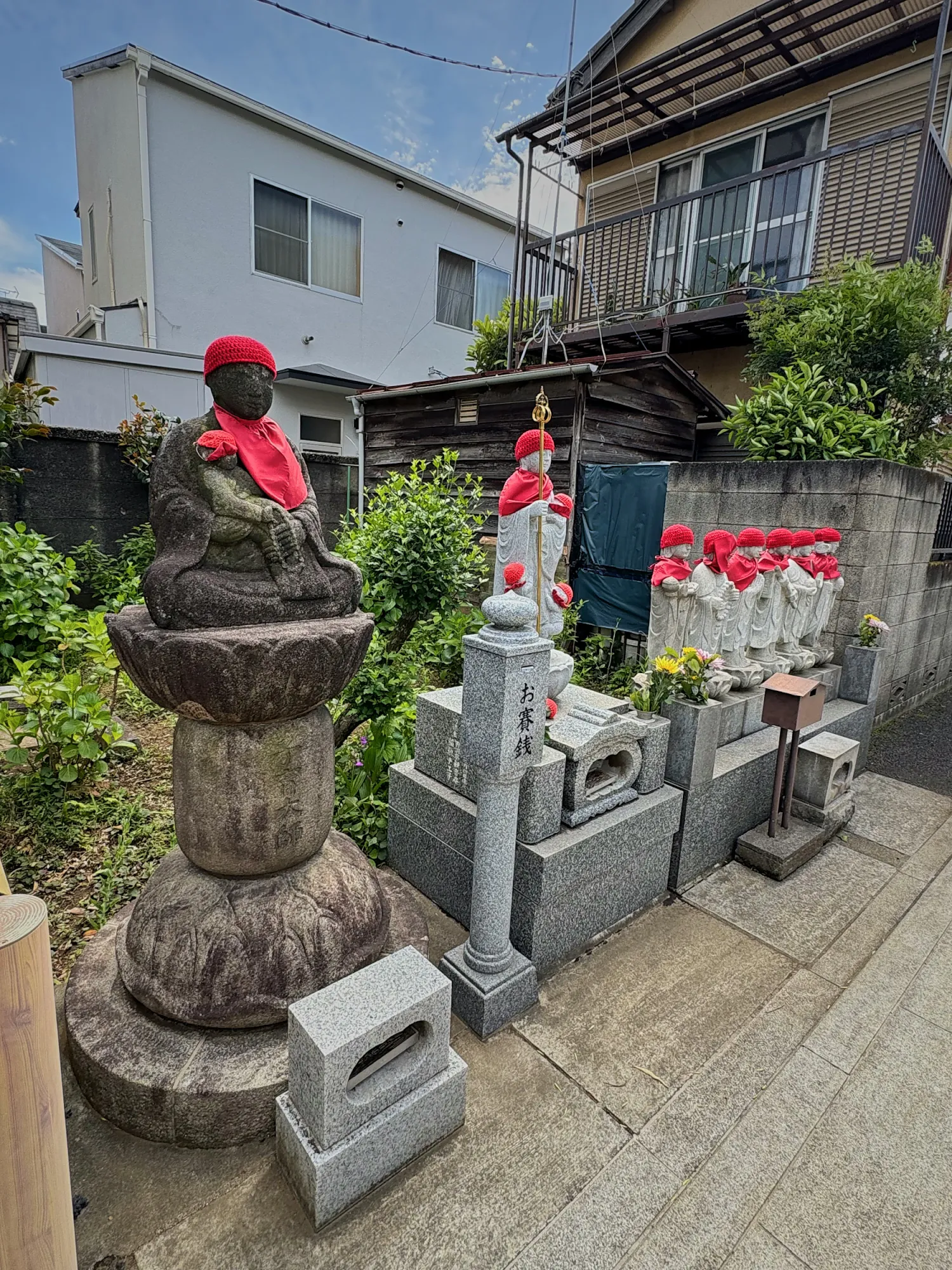
Living here also meant groceries. Our nearest supermarket was a Life, and I loved seeing what we could get. The roasted sweet potatoes became a ritual. We tried every kind, and the purple one won. We bought one every single time we went.
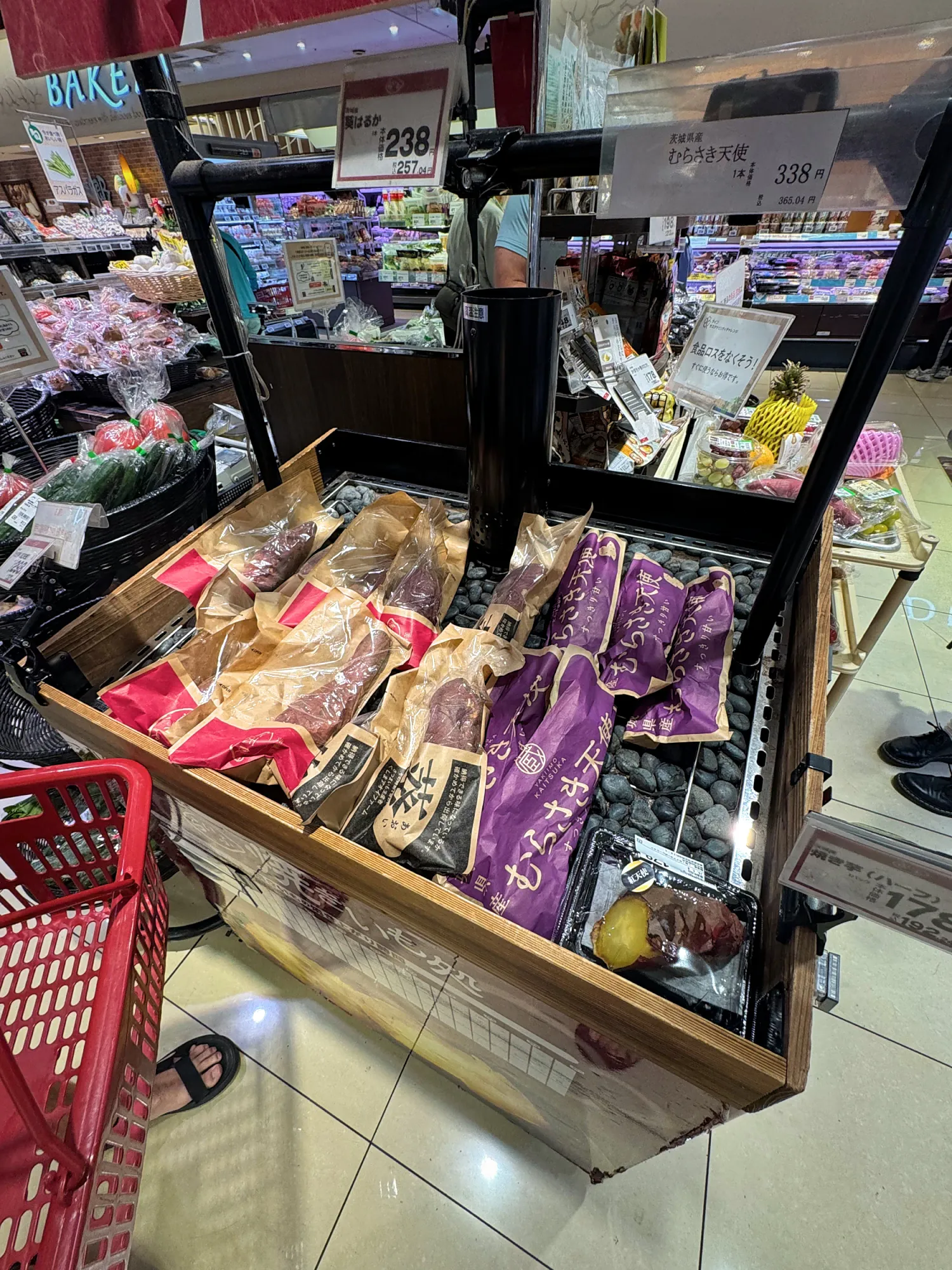
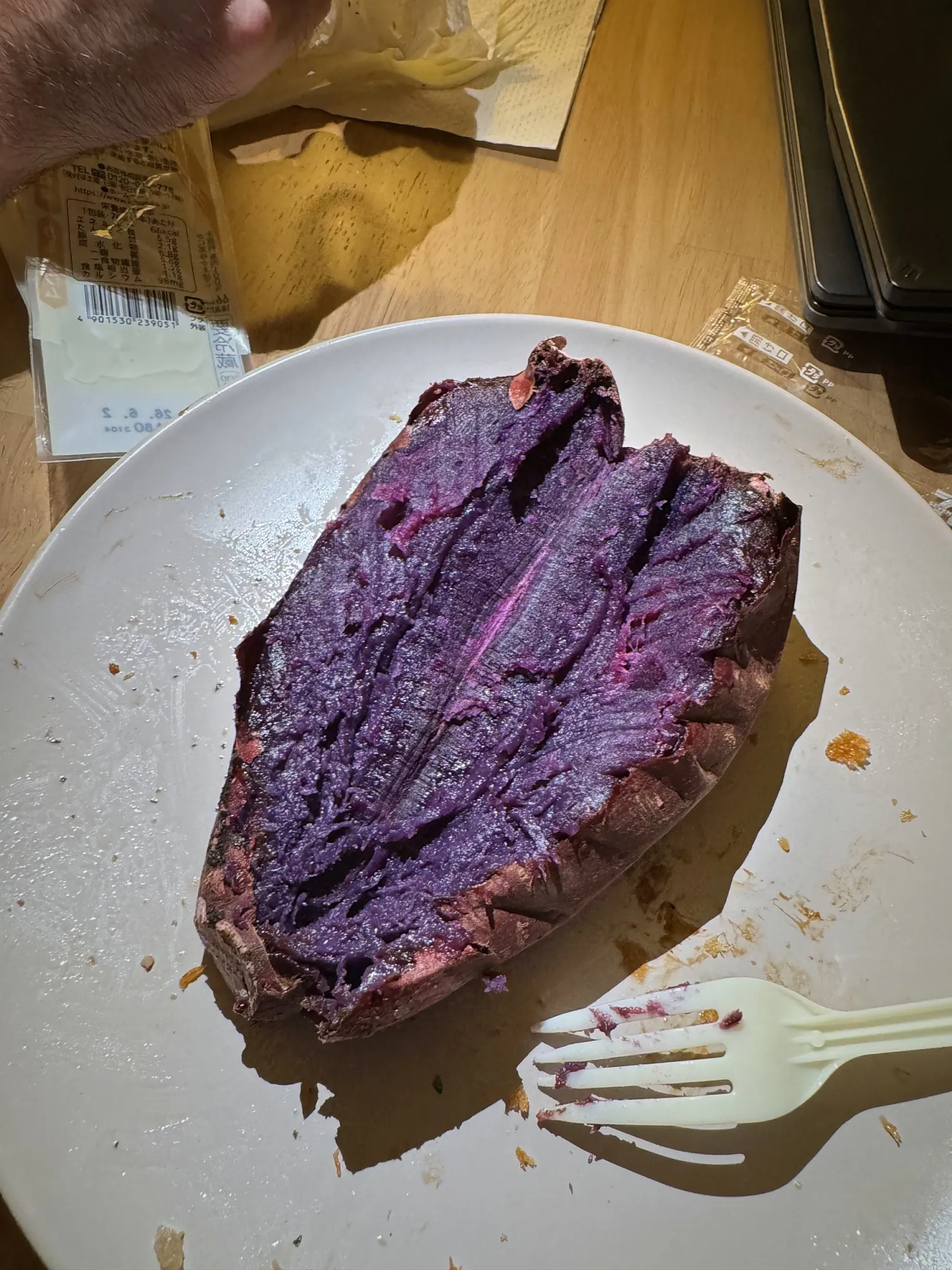
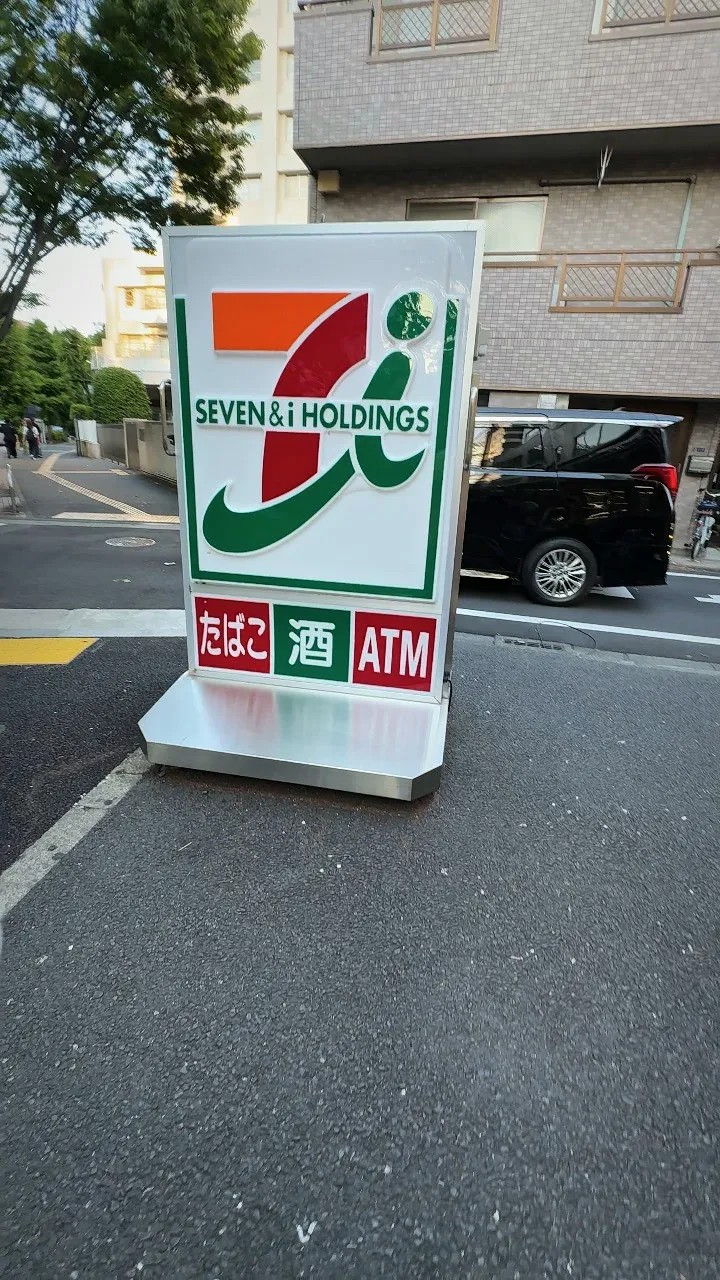
Most nights, dinner came from Life or the 7-Eleven, for about $10 to $15 for both of us. We did sushi about once a week and ate at the chains a lot, but the supermarket fed us most.
For breakfast treats, we had a neighborhood bakery a few minutes from the apartment, Donsuke. Here's our taste test there:

A Normal Day in Shinjuku
Our days had a rhythm. Mornings started with coffee and breakfast from the 7-Eleven. Then we worked at our apartment's table, with jasmine tea from the grocery store and wifi I can't complain about.
Around lunchtime, we'd walk down into central Shinjuku to eat and wander. Then back home for more work. In the evening, we'd pop into the grocery store for dinner.
The walk took 15 to 20 minutes, and it was a fun one. The city feel starts early, so the buildings get taller and the streets get busier as you go. It's downhill on the way in and uphill on the way home, and that hill was tough after a long day. We'd stop at the 7-Eleven halfway up for a snack, pass the shrine, and be home.
When we didn't feel like walking, the Toei Oedo Line at Wakamatsu-Kawada took us straight across town. We used it most for Ueno, a few stops away with no change, and we loved having that.
What We Didn't Love About Shinjuku
We struggled to fill this section. These are heads-ups more than complaints.
The bar touts. In Kabukicho, men stand on the street and try to steer people into bars. They never bothered us, but we watched them approach others, and it made us uneasy. Walk past and don't follow anyone.
The station. It's brilliant once you're on a train and a maze when you're trying to leave. Expect to come up the wrong exit at least once.
The hill home. If you stay on the quiet side like we did, check the map for slopes. Our walk was easy going down and hard coming back.
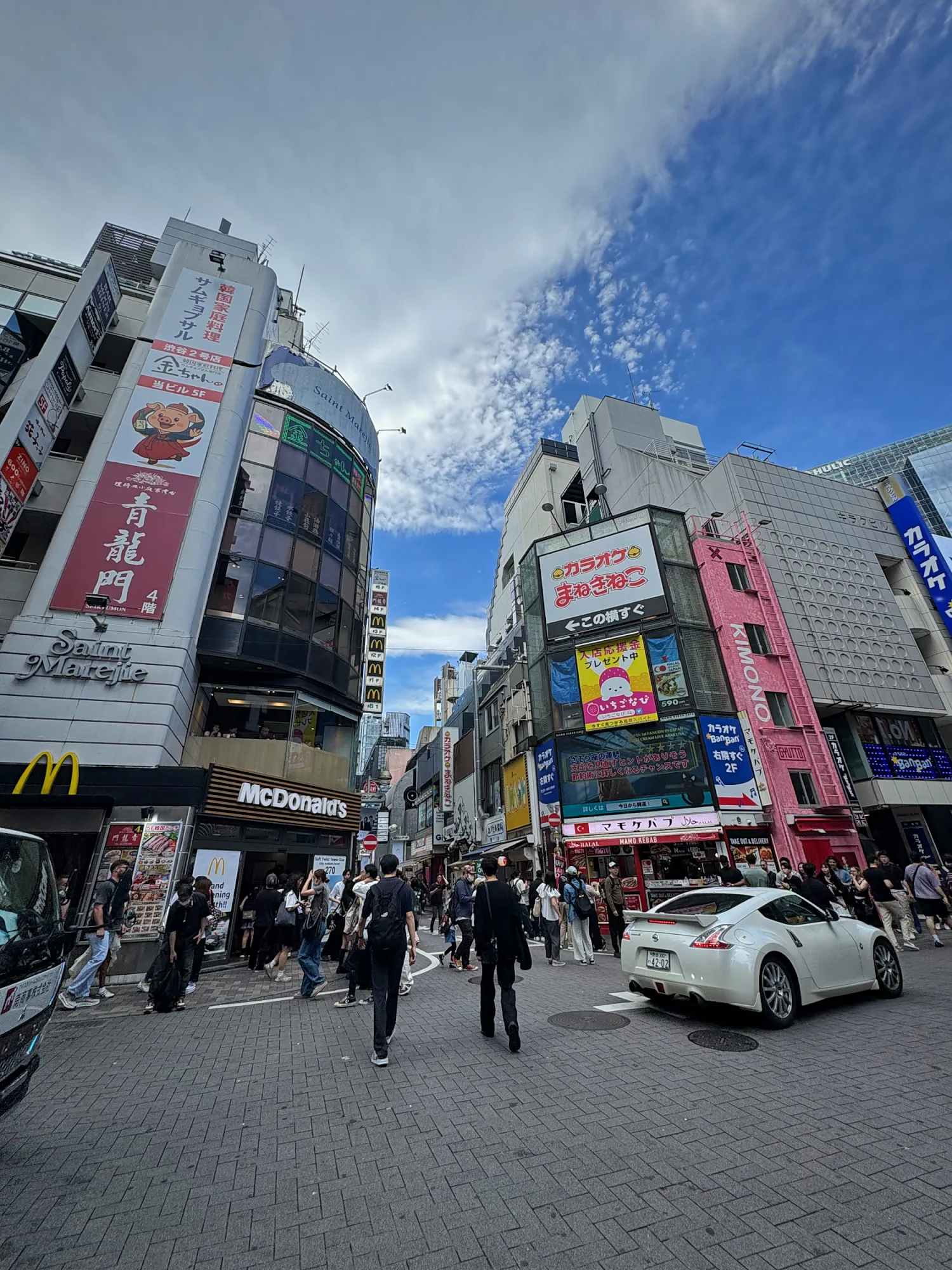
The crowds. Central Shinjuku is packed, especially around the station in the evening. It's busy, but people keep their voices down, and quiet side streets are only a few blocks away.
The price. Our month cost about $2,000, the most we've paid for any stay. We knew that going in, and it was worth it.
Shinjuku or Shibuya?
This is the decision most first-timers get stuck on. We chose Shinjuku, visited Shibuya a few times, and never wished we'd switched. If you're torn, Shinjuku vs Shibuya compares the two on hotel prices, food, nightlife, and safety. Want a different base altogether? These are the best areas to stay in Tokyo, with who each one suits.
Who Should Stay in Shinjuku, and Who Shouldn't
Stay in Shinjuku if it's your first time in Tokyo, you want trains to anywhere from your doorstep, you love eating out, or you like a city that stays awake. It's also a great base for day trips to Hakone and Mt. Fuji.
Pick somewhere else if you need quiet the second you step outside, hate crowds, or want a slower, village feel for a short trip. You'll still be a short ride from Shinjuku whenever you want the lights.
So, Should You Stay in Shinjuku?
Yes. It gave us the best of both: neon and endless food a short walk away, and a quiet street with a shrine and a supermarket to come home to. Pick your corner of Shinjuku by how long you're staying, and you can't go far wrong.
Next Steps for Your Tokyo Trip
Bernie & Cream@bernieandcream
Follow along on Facebook
Bernie & Cream@bernieandcream
Follow along on Instagram
Bernie & Cream@bernieandcream
Follow along on Threads
Bernie & Cream@bernieandcream
Watch us on TikTok
Bernie & Cream@bernieandcream
Follow along on X
Bernie & Cream@BernieAndCream