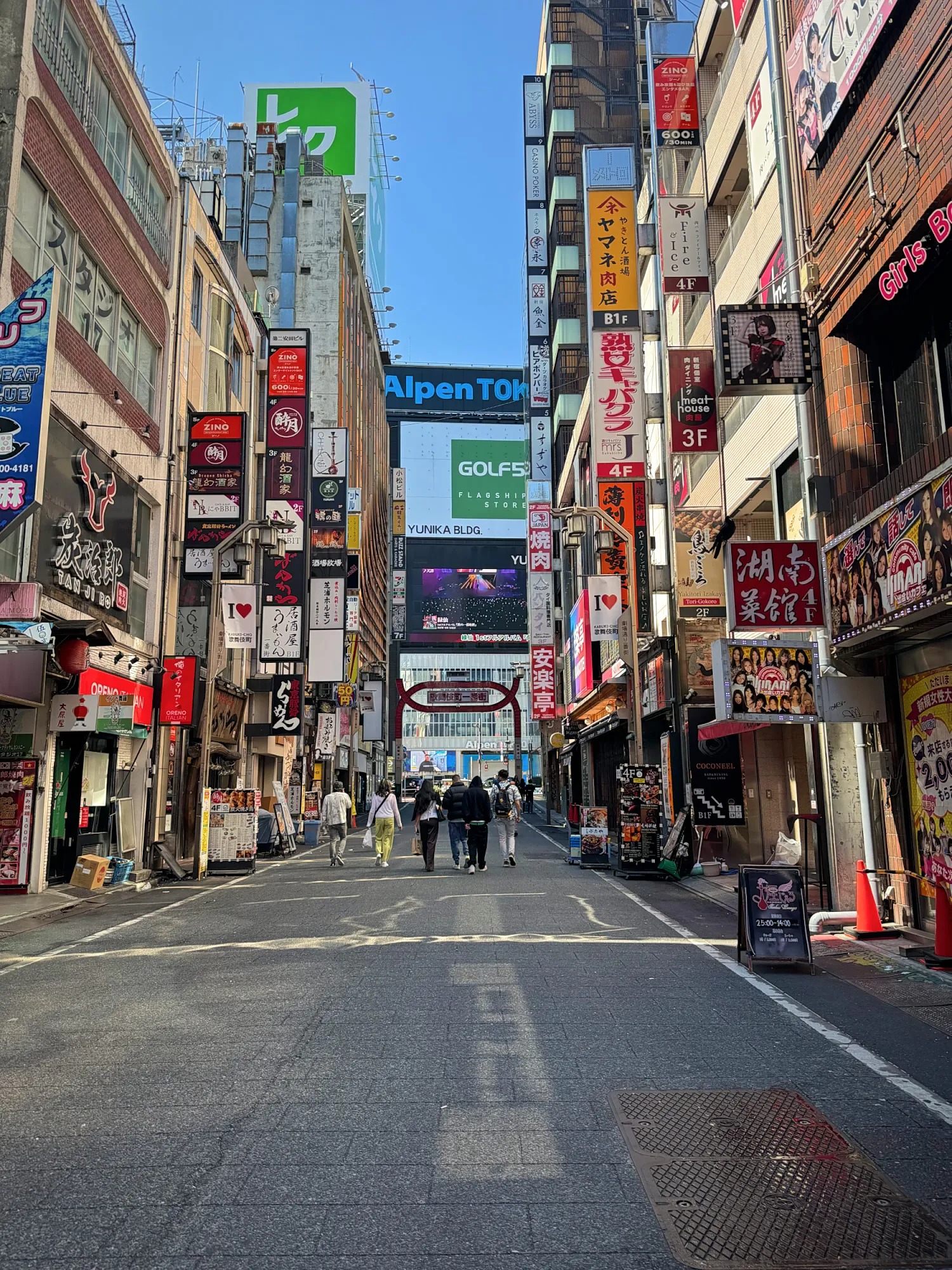
Tokyo is the easiest big city we've ever lived in. Trains come on time. The streets are clean. A beef bowl for two costs about $7.
Heads up: some links and maps in this guide are affiliate links. If you book or buy through them, we may earn a commission at no extra cost to you.
In this guide 10 sections
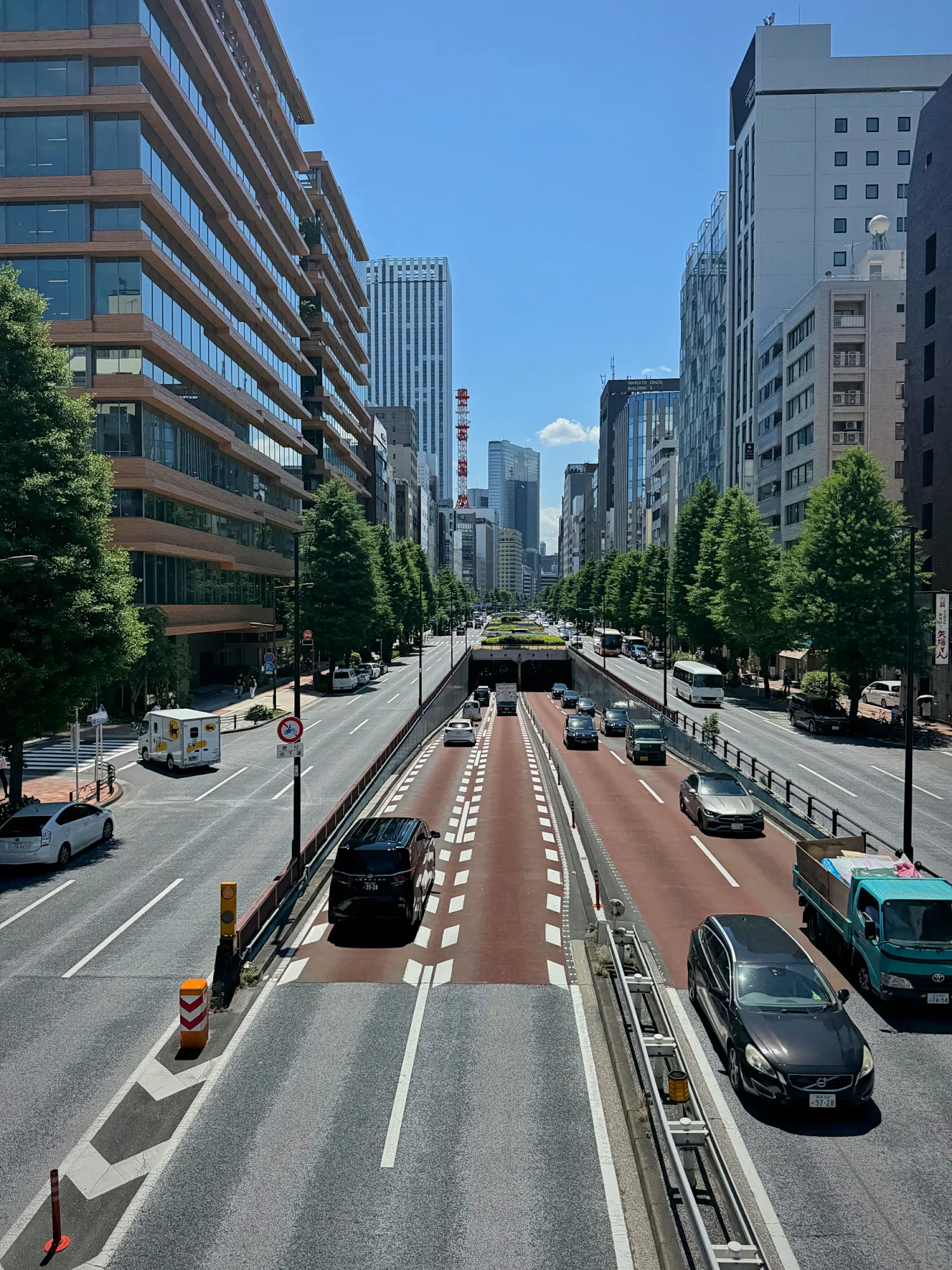
It's also the hardest city to work in outside your own front door. Cafes want you in and out. Parks and stations have almost nowhere to sit. Nobody is rude about it. The city just isn't built for hanging around.
So is Tokyo good for digital nomads? Cream and I lived and worked in a small apartment in Shinjuku for a month. Here's what worked, what didn't, and how to set yourself up.
Is Tokyo Good for Digital Nomads? My Quick Answer
Yes, if you work from home. I give Tokyo an 8 out of 10 for digital nomads. It's the best large city in the world to live in, if you can afford the rent. There's always something to do. The internet and phone data just work. And it's good and cheap to eat. Book an apartment with a real table and good wifi, and you'll love it.
- Best for: people who work from their apartment, love a big city, and want great food without big-city prices.
- Not for: people who need a cafe as their office every day.
- Visa: US citizens get 90 days without a visa. That's what we used.
- Biggest cost: rent. Our month in Shinjuku was about $2,000.
- Biggest catch: almost nowhere to sit, linger, or work in public.
Quick picks
Three places we'd book in Shinjuku for a work stay
What we liked
- Fast, reliable home wifi
- Trains that run on time
- Safe at any hour
- Cheap, fresh food everywhere
- Everything runs on kiosks and apps
- Easy flights around Asia
What we didn't love
- Almost nowhere to sit in public
- Cafes want you in and out
- Rent is the big expense
- A big time difference with the US
- No pools in most apartments
What I Loved About Living in Tokyo as a Nomad

 Bernie & Cream@bernieandcream
Follow along on Facebook
Bernie & Cream@bernieandcream
Follow along on Threads
Bernie & Cream@bernieandcream
Watch us on TikTok
Bernie & Cream@bernieandcream
Follow along on X
Bernie & Cream@BernieAndCream


Things Just Work
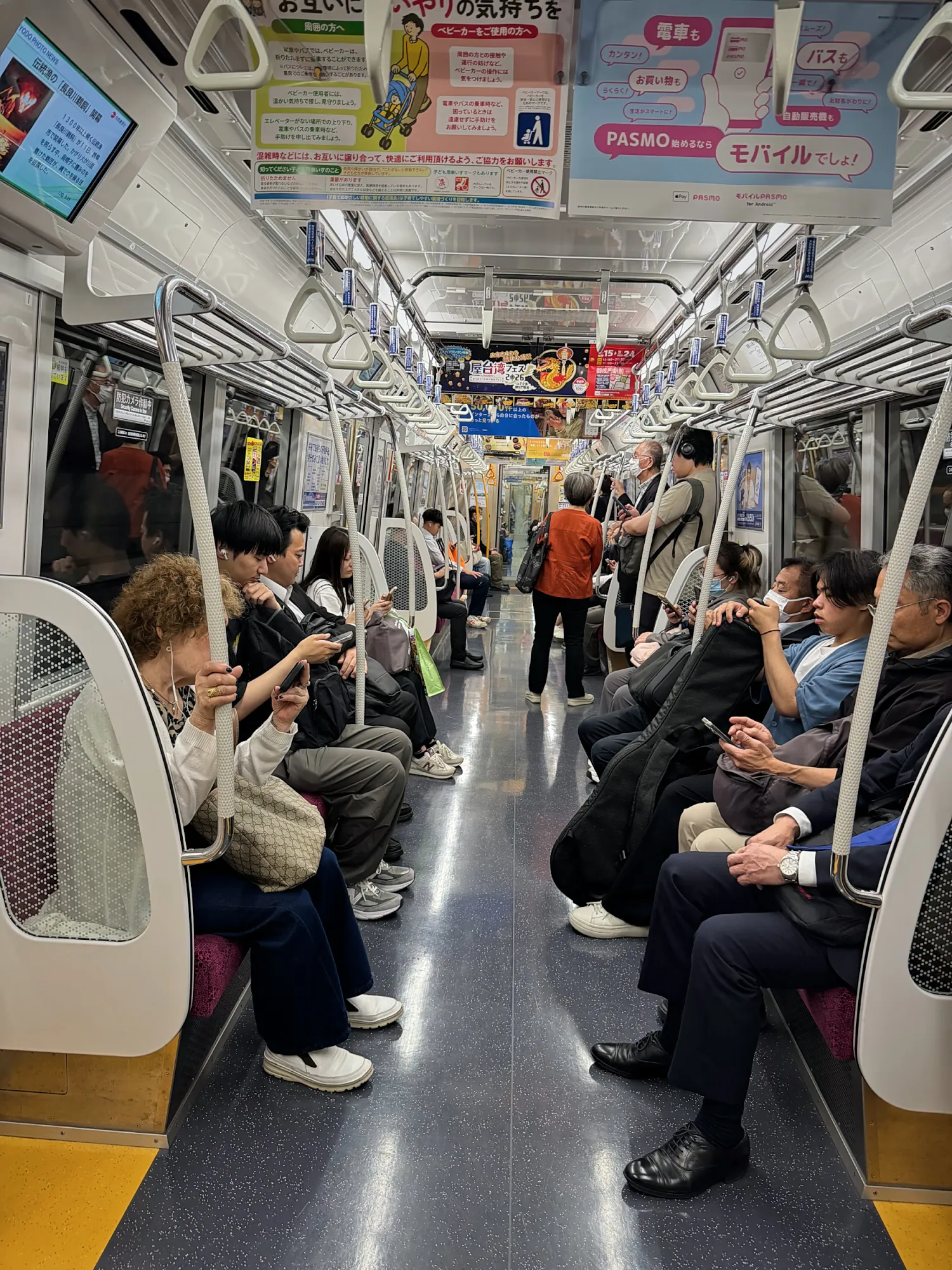
This is the whole reason I'd move back. The trains run on time and go everywhere. The streets are clean. The city is safe, even walking home at night. We were all over Tokyo in a month, because getting across town was never a big deal. Once you know the platform and exit numbers, getting around Tokyo is easy, even if you can't read a word of Japanese.
Tokyo is busy, but it isn't loud. For a city this size, that makes it far less overwhelming.
Great Wifi and a Real Table at Home
We worked from our Airbnb the whole month. It was comfy, with a good table to sit at and great wifi. I can't complain.
The apartment was small, but it was set up so well that it was plenty. We had a table with two chairs, a sofa, a little kitchen, and everything you need to live day to day. I loved that place so much, heated bidet and all, that it got its own unito residence review.
Food Is Cheap for a Big City
Japan isn't expensive. The flight is. Once you're here, you can eat very well for very little.
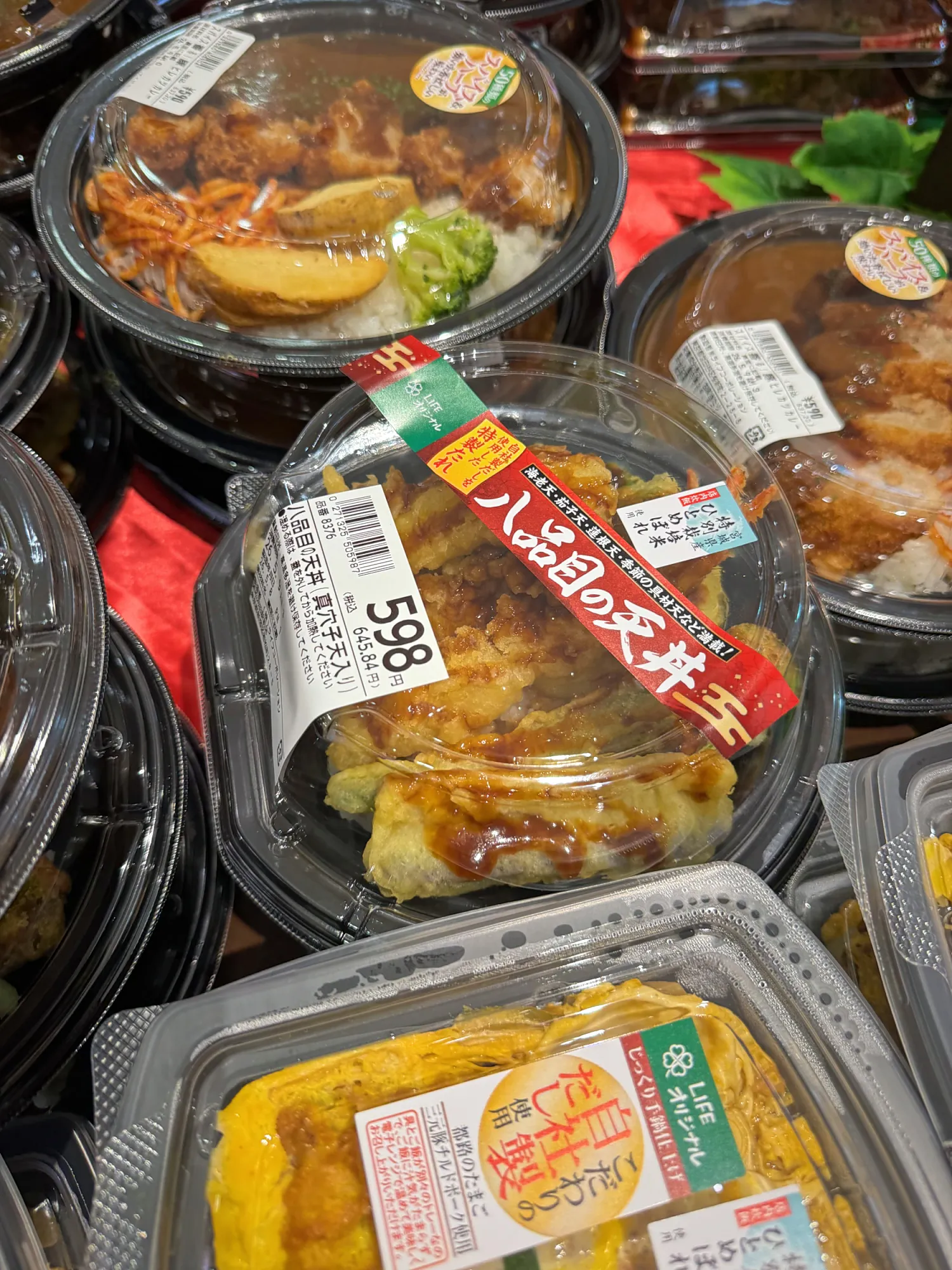
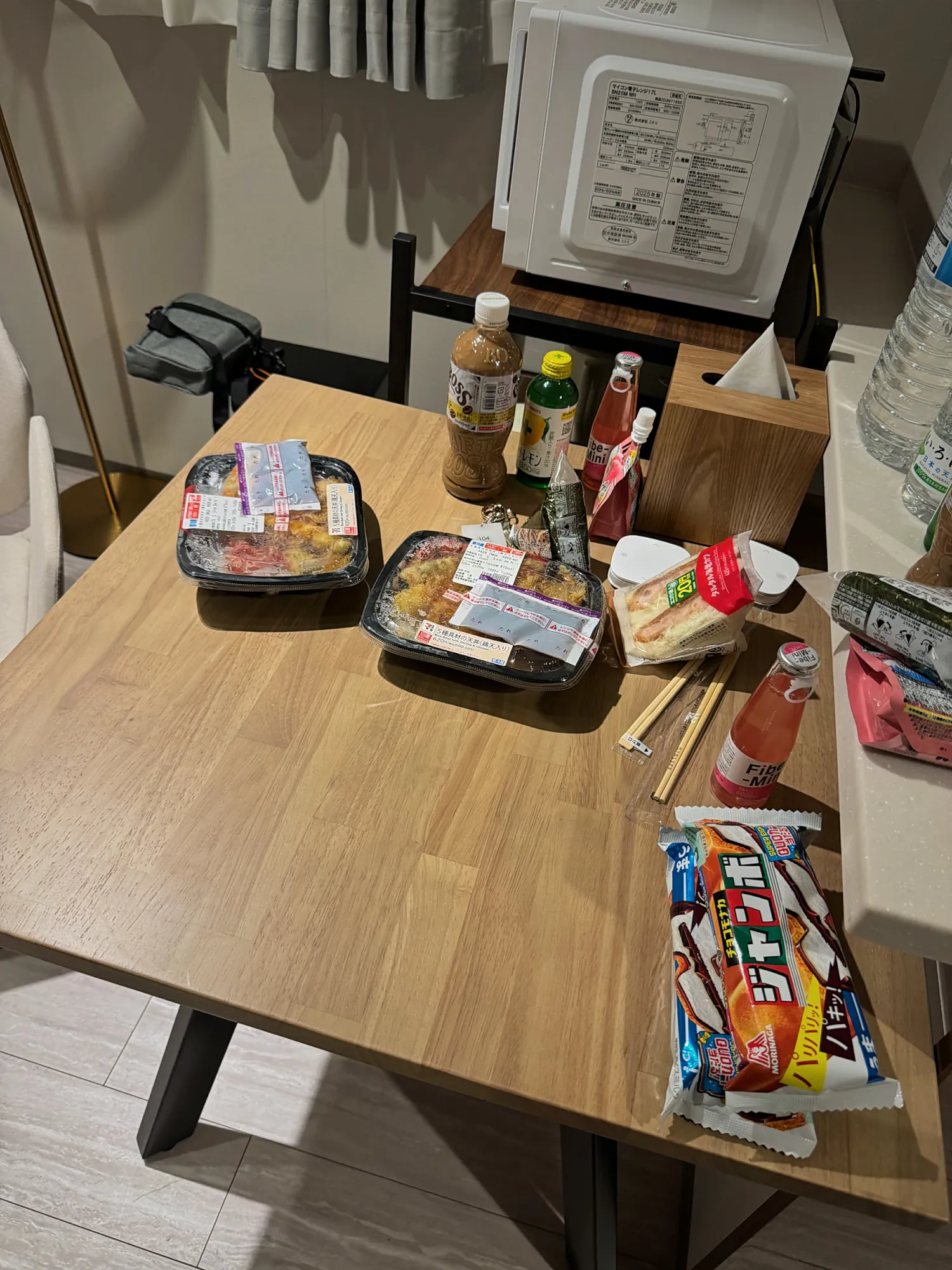
Sushi for two at a conveyor belt chain was about $31. A beef bowl (gyudon) for two was about $7. Most nights we ate from 7-Eleven or the grocery store for $10 to $15. We had sushi once a week. Most of those cheap meals came from Japanese chain restaurants, which are so fresh you forget they're chains.
A Normal Workday Was Easy
Our days had a simple rhythm. Get up and walk to 7-Eleven. Work. Then walk around the city, or take the subway to another part of town, and eat lunch there. Come back and work again. Living next to a 7-Eleven is also how we tried every vitamin drink on the konbini shelf and picked two favorites.
That midday break is the best part of working from Tokyo. A new neighborhood is always a short train ride away.
It's Easy to Move On From
A lot of people look at Tokyo as an expat move, somewhere you settle for years. I think more nomads should consider it as a stop. When your 90 days are up, it's easy to fly back to Southeast Asia, or head to Korea or China next.
Daily Life Is Built for Convenience
Until you live it, it doesn't make sense. You join a restaurant's queue on your phone. You check in at a kiosk, sit at a numbered table, and pay at another kiosk. Convenience stores sell real meals. Once you know how it all works, daily errands take minutes.
What I Didn't Like About Tokyo for Remote Work
There's Almost Nowhere to Sit
This is the big one for nomads. Eating out in Tokyo is in and out. You order, the food comes fast, you eat, and you leave. Places like Torikizoku or Sushiro stretch to two hours at most.
Public seating is rare too. There are few benches, and the city doesn't want people hanging around. If you like to work from a cafe or a park bench, Tokyo will frustrate you. Plan to have a real workspace at home.
No Pool
In a lot of Asian cities, a monthly apartment comes with a pool or a gym in the building. Ours didn't, and I missed it. That wasn't ideal, but not every city can have that.
Rent Is the Big Expense
Our one-month apartment was about $2,000. It was our most expensive stay anywhere. We knew it going in, and it was worth it. Food and transport were cheap. Rent was the bill that hurt. In Kuala Lumpur we paid about $1,000 a month for our apartment, so Tokyo was double. Looking back, I think we paid on the higher end. Airbnb was easy for us, but for a longer stay I'd look for a cheaper way to rent. Here's what a month in Tokyo cost us, line by line.
The Time Difference With the US
We were lucky. We don't have to connect with anyone in the US during the workday. But if you do, it can be really tough. The time difference only leaves early mornings or late nights for calls.
Japan uses one time zone, nine hours ahead of UTC, and doesn't change its clocks. Tokyo is 13 hours ahead of New York in summer and 14 in winter. It's 16 or 17 hours ahead of Los Angeles.
That means a 9 AM call in New York is 10 PM in Tokyo. If you have live meetings with US teams, expect late nights or early mornings.
Here's where a normal Tokyo workday lands in other cities:
| City | Tokyo 9 AM to 6 PM is… | Live overlap |
|---|---|---|
| New York | 8 PM to 5 AM the day before (7 PM to 4 AM in winter) | Poor |
| Los Angeles | 5 PM to 2 AM the day before (4 PM to 1 AM in winter) | Poor, but evening calls work |
| London | 1 AM to 10 AM (midnight to 9 AM in winter) | Your late afternoon is their morning |
| Singapore | 8 AM to 5 PM | Great |
| Sydney | 10 AM to 7 PM (11 AM to 8 PM in Sydney's summer) | Great |
If your clients are in Asia or Australia, Tokyo's hours are close to perfect. If they're in the US, you'll be working evenings.
Where to Work in Tokyo
| Where | Cost | Best for | Watch out for |
|---|---|---|---|
| Your apartment | Included in rent | Full workdays and calls | Small rooms, so check for a real table |
| Coworking space | About 1,000 to 3,300 yen a day | Getting out of the apartment, meeting people | Drop-in rules vary by space |
| Station work booth | Paid in short blocks | One private call between errands | Not for a whole day |
| Internet cafe | Cheap hourly booths | A few quiet hours alone | Small booths, not great for calls |
| Cafe | The price of a drink | An hour of email | Time limits and weekend crowds |
Your Apartment
Best for: full workdays and video calls.
This is where we worked, and it's what I'd plan around. When you book, check for three things in the listing:
- A real table or desk, not just a sofa
- Wifi speed in the listing or reviews (ask the host for a screenshot if it's missing)
- A chair you can sit in for a few hours
Japanese apartments are small, so the table matters more than the square footage. Ours had a real table and a washer, and this is how to find a monthly Airbnb in Tokyo like it.
Coworking Spaces
Best for: getting out of the apartment, or meeting other remote workers.
Tokyo has plenty of coworking spaces, and they're the best option if you need to get out of the apartment. Expect to pay roughly 1,000 to 3,300 yen (about $6 to $21) for a day pass. A hot desk for a month runs about 15,000 to 35,000 yen (about $95 to $220).4
A few examples from that guide, as of October 2026:
- Fabbit: day passes from about 1,980 to 2,200 yen (about $13 to $14)
- Basis Point: about 330 yen per half hour, capped at about 3,300 yen a day
- Impact Hub Tokyo: monthly memberships from about 29,700 yen (about $190)
Check each space's own site before you go, since prices and drop-in rules change.
Station Work Booths
Best for: one private call while you're out.
JR East, the main railway company in the Tokyo area, runs small private work booths called STATION BOOTH. You can reserve one on the STATION WORK website, or pay at the booth with an e-money card like Suica if it's free. Each booth has power, its own wifi, and a door that closes.5 They're useful for a call between errands, not for a full day.
Internet Cafes
Best for: a few quiet hours alone.
Japan's internet cafes rent small private booths by the hour, and for remote workers who need hours, not minutes, they're a good deal.3 The booths are small and not soundproof, so skip them for calls.
Cafes
Best for: an hour of email, not a workday.
You can work in a Tokyo cafe for an hour or two. Don't plan your whole day around it. The cafe lifestyle just isn't as big here as in other parts of Asia, so you won't find as many cafes to work at.
We did go into a Tully's Coffee, and people were working there. But it was a tight space. Working from home was better for us.
Many cafe chains now limit how long you can stay when they get busy. Tully's Coffee can set a 90- or 120-minute limit, and Doutor set a 90-minute limit in 2023. In busy areas like Shibuya, cafes can have a 30- to 90-minute wait for a seat on weekends.3
If you do work from a cafe:
- Order something, and order again if you stay longer.
- Go on weekday mornings, not weekends.
- Give up your seat when it gets crowded.
- Look for outlets. Some burger chains and family restaurants have them.6
Where to Live in Tokyo as a Nomad
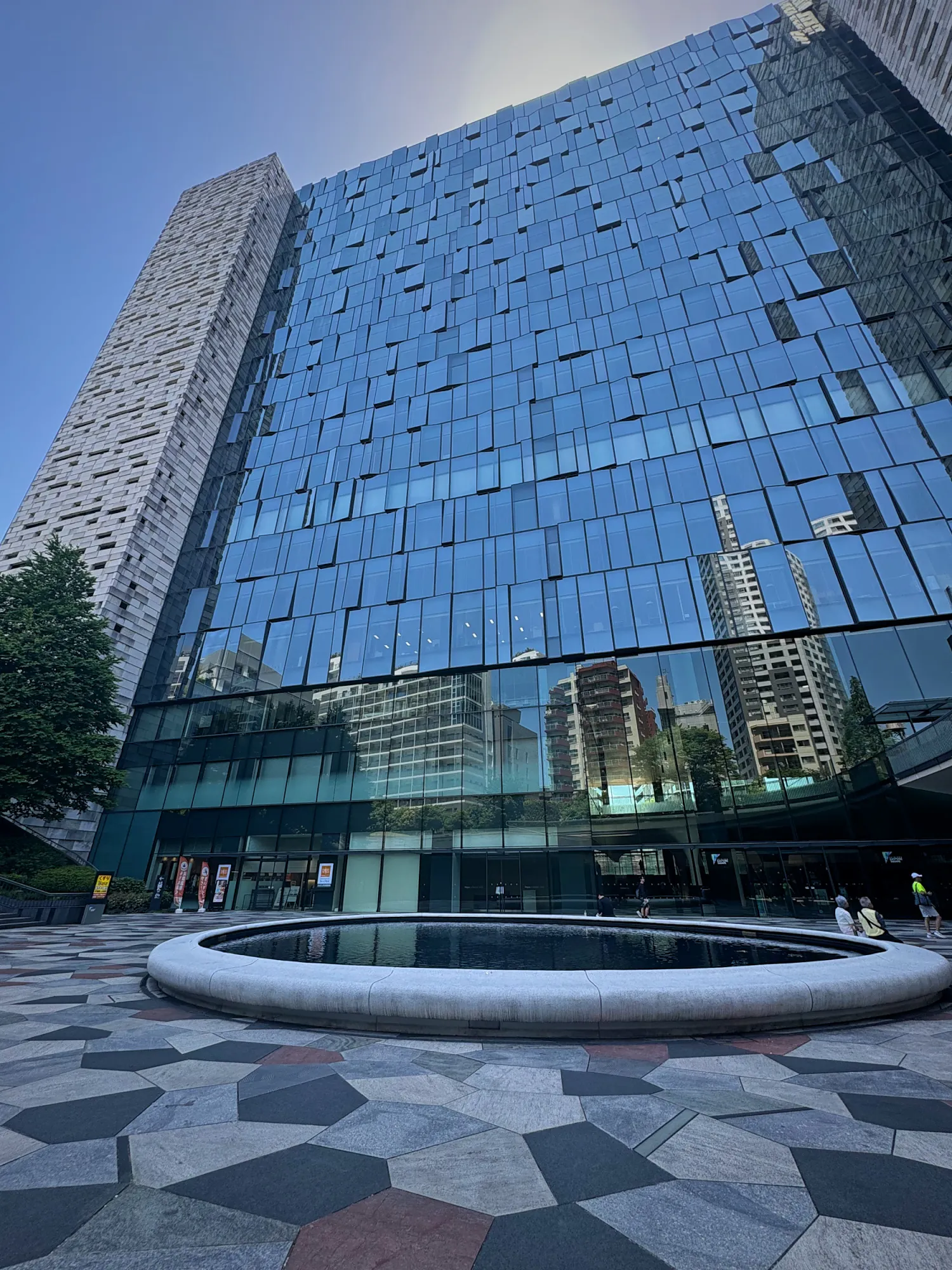
We lived in Wakamatsu-cho, a quiet residential part of Shinjuku. It was close to a grocery store, a few convenience stores, and a subway station. We could walk to the busy part of Shinjuku. I'd 100% stay there again. A little shrine every morning and moms on bikes outside: that's why I'd pick staying in Shinjuku away from the neon again.
Next time, I'd also look at Nakameguro. We loved walking by the river there, and it looked like it had fun food options without the crowds.
We wrote up where we'd live again, where we'd try next, and four more areas in the best neighborhoods in Tokyo for digital nomads.
Since everything is so well connected, you can't really go wrong. If you pick the wrong area, the rest of the city is still a short train ride away.
Here's the area around where we lived, with places to stay for a month:
What It Costs to Live in Tokyo as a Nomad
Here's what our month looked like, for two people, in May 2026.
| Expense | What we paid | Notes |
|---|---|---|
| Apartment (Airbnb, one month) | About $2,000 | Our most expensive stay |
| Most dinners | $10 to $15 | 7-Eleven or the grocery store |
| Sushi for two | About $31 | Once a week at a conveyor belt chain |
| Beef bowl for two | About $7 | Matsuya and other chains |
| Phone data (SoftBank eSIM, both phones) | About $105 | 30 days unlimited |
| Coworking hot desk (researched) | 15,000 to 35,000 yen a month | About $95 to $220, not something we used |
We bought groceries at Life, a supermarket chain near our apartment. My favorite thing there was the roasted sweet potatoes, especially the purple one.
The Visa: How Long Can Digital Nomads Stay in Japan?
US passport holders can visit Japan for up to 90 days without a visa.1 It's amazing that you get 90 days in Japan. We only stayed a month, and looking back, 90 days would have been great, especially with a cheaper rental.
Japan also has a digital nomad status for people who work remotely for a foreign company or foreign clients. As of October 2026, it lets you stay up to six months, with no extension. You need an income of at least 10 million yen a year (about $63,000) and private medical insurance with at least 10 million yen of coverage. You can't work for a Japanese company on it, and you don't get a residence card.2 Want more than 90 days? Here's who qualifies for the Japan digital nomad visa, and why we just used the 90 days.
How to Set Up for Work in Tokyo
- Data: your phone needs to work the second you land, for maps and trains. Airalo is good. We'd get an Airalo eSIM before you land, because a local eSIM didn't save us much.
- Insurance: a month or more is a long time to go without health cover. If your insurance at home doesn't cover you abroad, look at SafetyWing's nomad insurance, which is built for long stays like this.
- Power: Japan runs on 100 volts.6 Most laptop chargers handle 100 to 240 volts, but check the label on yours.
- Apps: we used Apple Maps, Apple Wallet with Suica, Uber, Google Translate, and Airbnb. Those are the best apps for Tokyo we'd download before landing.
- Safety: Tokyo felt safe to us at every hour. Read is Tokyo safe for earthquakes and the one thing that made us uneasy.
Who Tokyo Is For (and Who Should Skip It)
- Pick Tokyo if you work from home, your clients are in Asia or Australia, and you want a big city where everything works.
- Pick Tokyo if food matters to you. You can eat well every night for $10 to $15.
- Pick Tokyo if safety matters. We walked home at night all the time.
- Pick Tokyo if you're moving around Asia. Southeast Asia, Korea, and China are all an easy flight away.
- Think twice if you're on a tight budget. Rent and the flight are the expensive parts.
- Think twice if you need cafes as your office, or you have daytime meetings with US teams.
- Think twice if you want more than 90 days without paperwork. The nomad visa needs a high income.
Would We Live in Tokyo Again?
Yes. I miss our life there a lot. If you can work from home and you want a big city that works, Tokyo is the one. Just set up a good workspace before you arrive, because the city won't give you one.
Next Steps for Your Tokyo Stay
Bernie & Cream@bernieandcream
Follow along on Facebook
Bernie & Cream@bernieandcream
Follow along on Threads
Bernie & Cream@bernieandcream
Watch us on TikTok
Bernie & Cream@bernieandcream
Follow along on X
Bernie & Cream@BernieAndCream