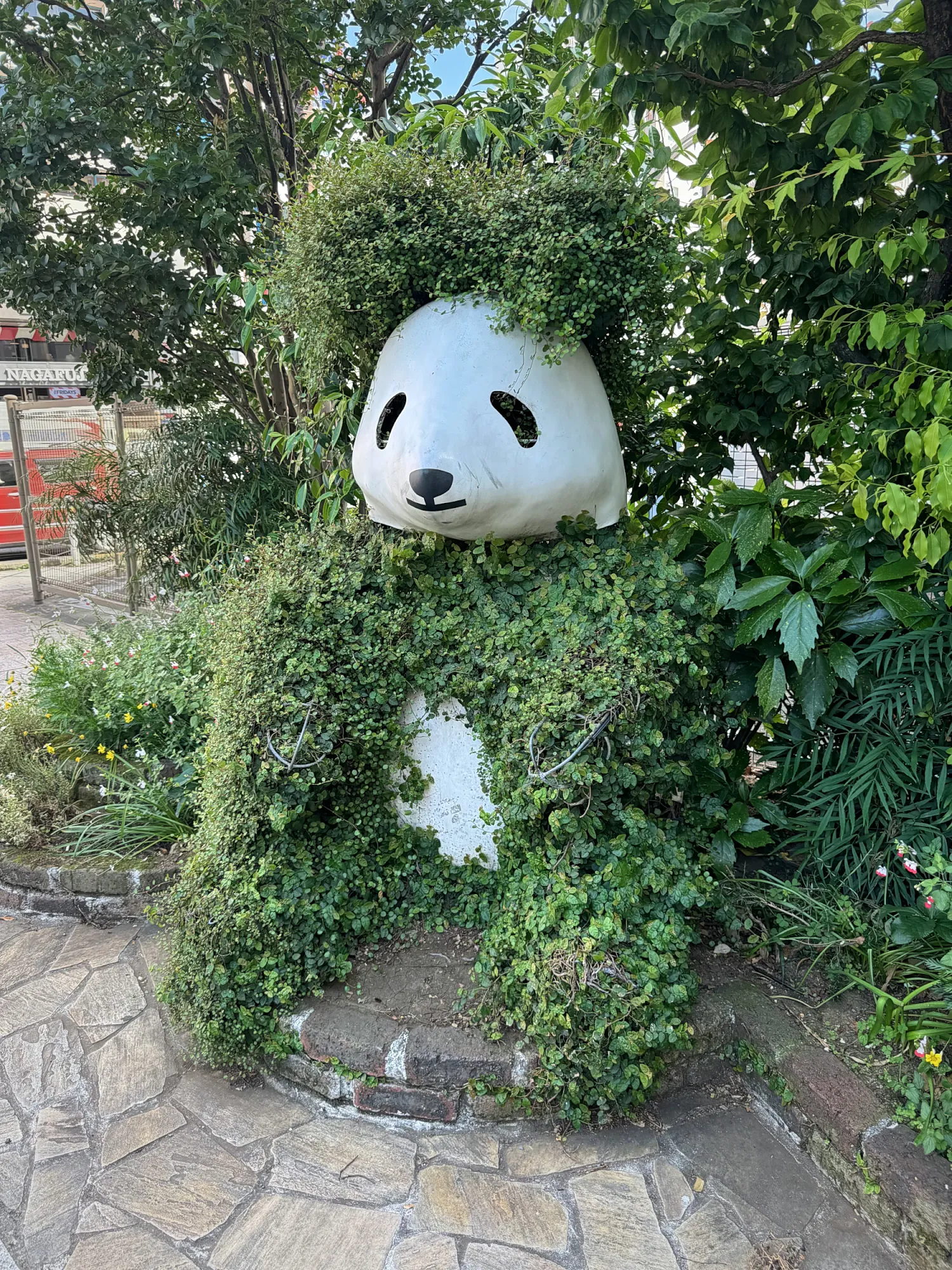
One morning in Ueno Park, someone was painting pandas on the stone pavement with nothing but water, for the kids walking by. They were so cute.
Heads up: some links and maps in this guide are affiliate links. If you book or buy through them, we may earn a commission at no extra cost to you.
In this guide 6 sections
That's Ueno. It's a huge, calm park full of temples, flowers, and museums, and five minutes away is Ameyoko, one of the loudest market streets in Tokyo. Our subway line ran straight here from our apartment in Shinjuku, so Ueno became our favorite day out. We mostly came in the mornings and afternoons.
These are the best things to do in Ueno, with what each one costs, when it's open, and a simple half-day route.
The Best Things to Do in Ueno: Our Quick Answer
- Don't miss: A slow walk through Ueno Park, the Moon Pine at Kiyomizu Kannon-do, and Ameyoko market street.
- Free: The park, its temples and shrines, Shinobazu Pond, the Pokémon manhole covers, and walking Ameyoko.
- Worth paying for: The Tokyo National Museum (1,000 yen), Japan's oldest and biggest museum.
- Know before you go: Most museums and Ueno Zoo close on Mondays, and the zoo's pandas went back to China in January 2026.
- Time: Half a day for the park and Ameyoko, a full day with a museum.
Staying nearby? These are the Ueno hotels we'd look at first, picked for location and strong guest reviews:
Quick picks
Where to stay in Ueno
The 12 Best Things to Do in Ueno
1. Walk Through Ueno Park // Tokyo's Calmest Big Park
Ueno Park is the reason to come. It's free, it's open from 5 AM to 11 PM, and almost everything else on this list is inside it or next to it.1 We loved just walking around and seeing everything. It's such a calm place to be in the middle of a city this big.
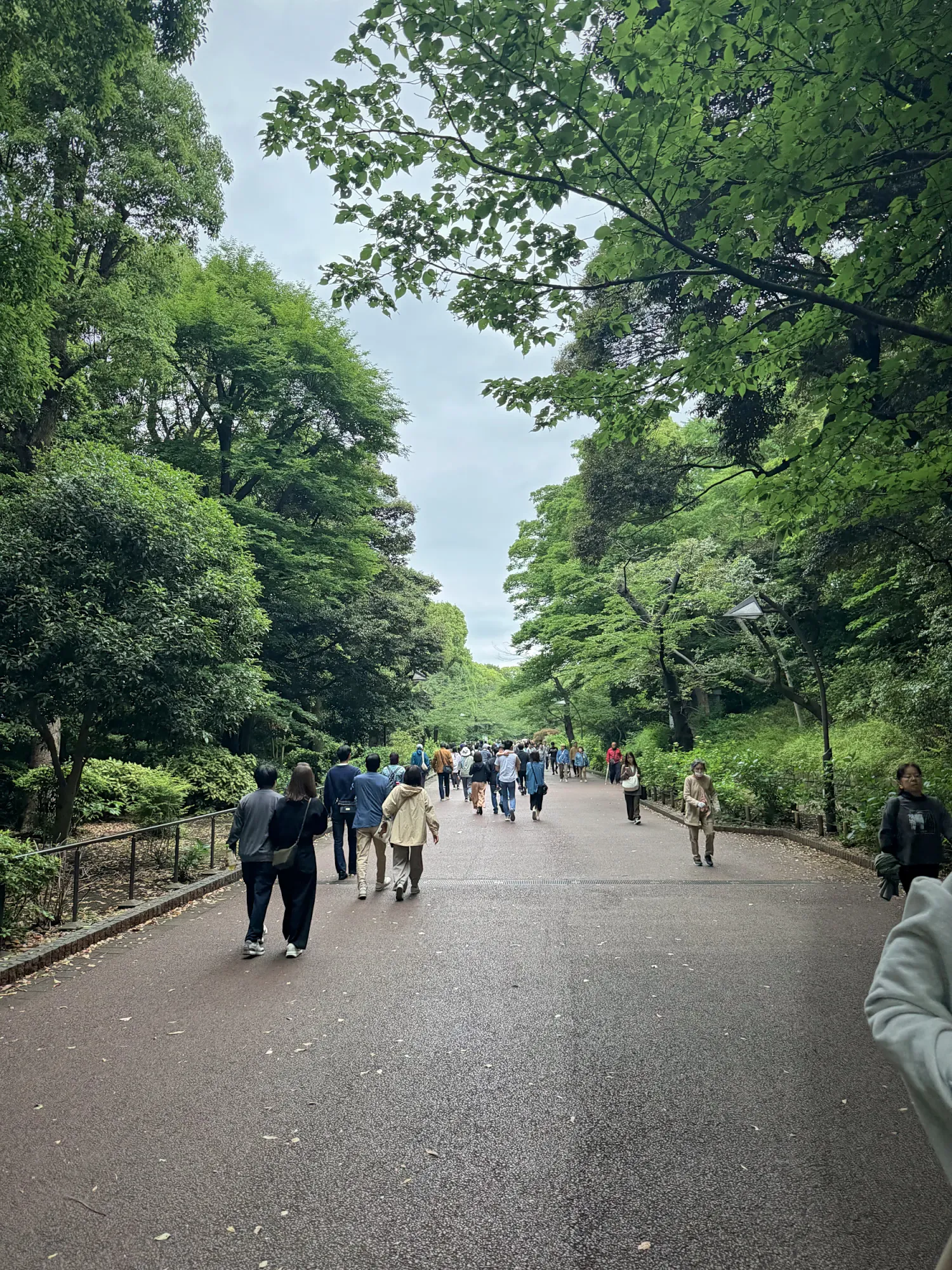
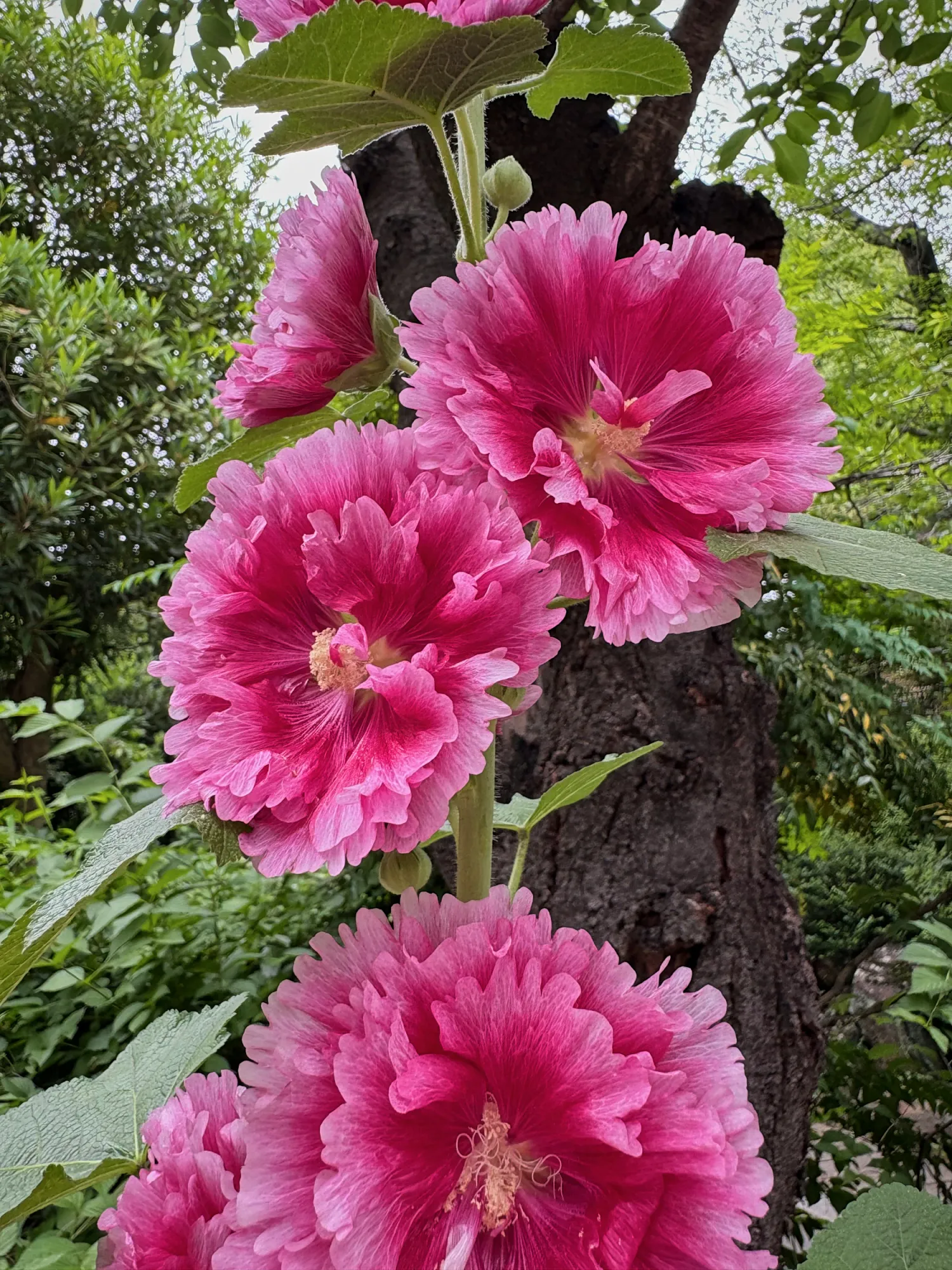
The wide main path runs north from the station through the trees. In spring, more than 1,000 cherry trees line it, and it becomes one of Tokyo's busiest cherry blossom spots, usually from late March to early April.2 We were there in May, when it was green and quiet, with tall pink flowers shooting up beside the paths.
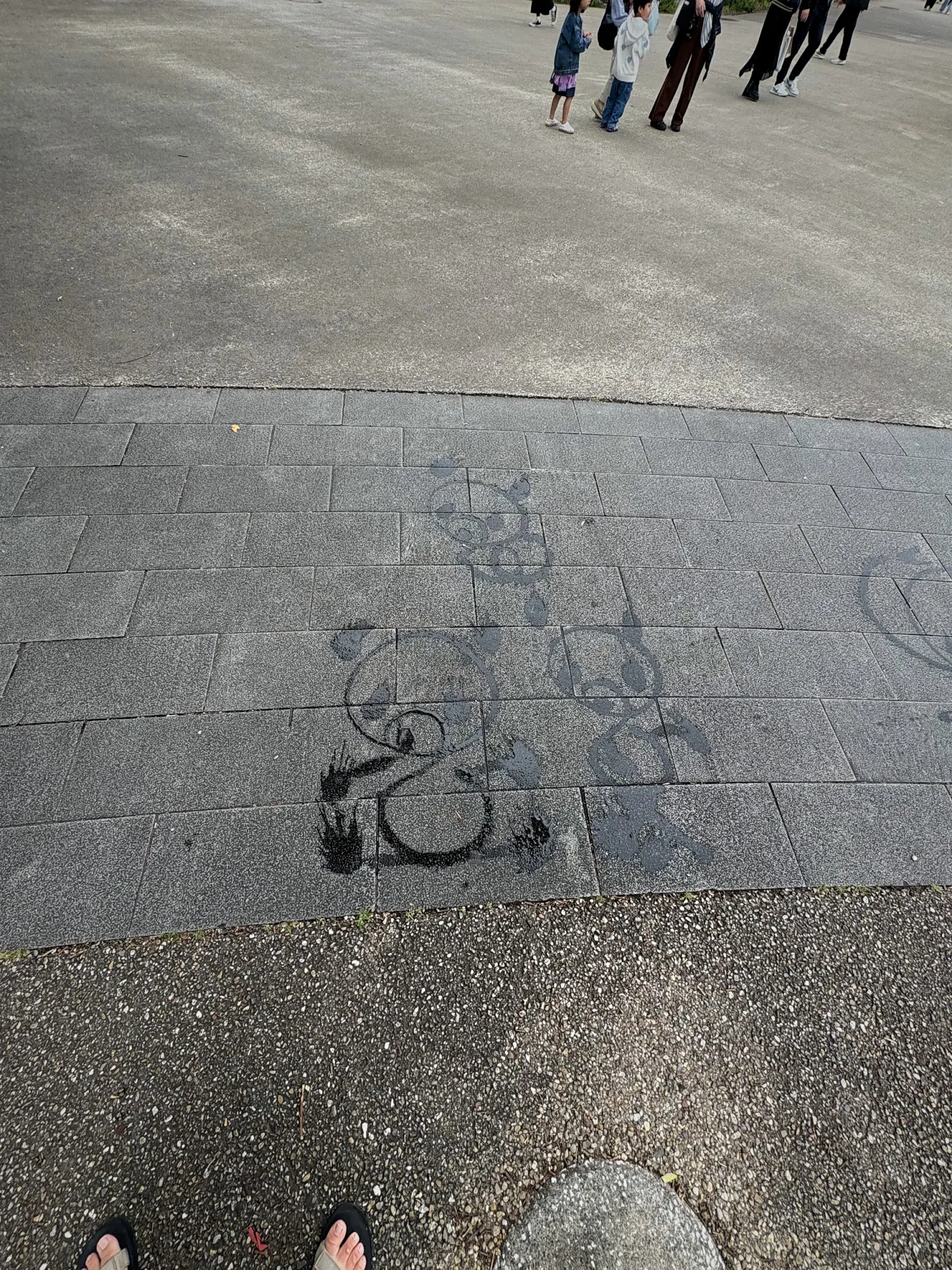
Look down for pandas, too. Ueno has been Tokyo's panda neighborhood for decades, and you'll still spot panda statues and topiary all over.
- Where: Next to JR Ueno Station; use the Park Exit
- Cost: Free
- Hours: 5 AM to 11 PM daily
- Best time: Mornings, before the museum crowds

 Bernie & Cream@bernieandcream
Follow along on Facebook
Bernie & Cream@bernieandcream
Follow along on Threads
Bernie & Cream@bernieandcream
Watch us on TikTok
Bernie & Cream@bernieandcream
Follow along on X
Bernie & Cream@BernieAndCream


2. See the Moon Pine at Kiyomizu Kannon-do // Ueno's Most Photographed Tree
Kiyomizu Kannon-do is a red temple hall on the slope above Shinobazu Pond. In front of it is the Moon Pine, a pine tree trained into a full circle. Its name comes from the full moon, and the tree you see today is a replanting of the Edo-era original, which was lost to a storm.3 Look through the circle and you can see down toward the pond.
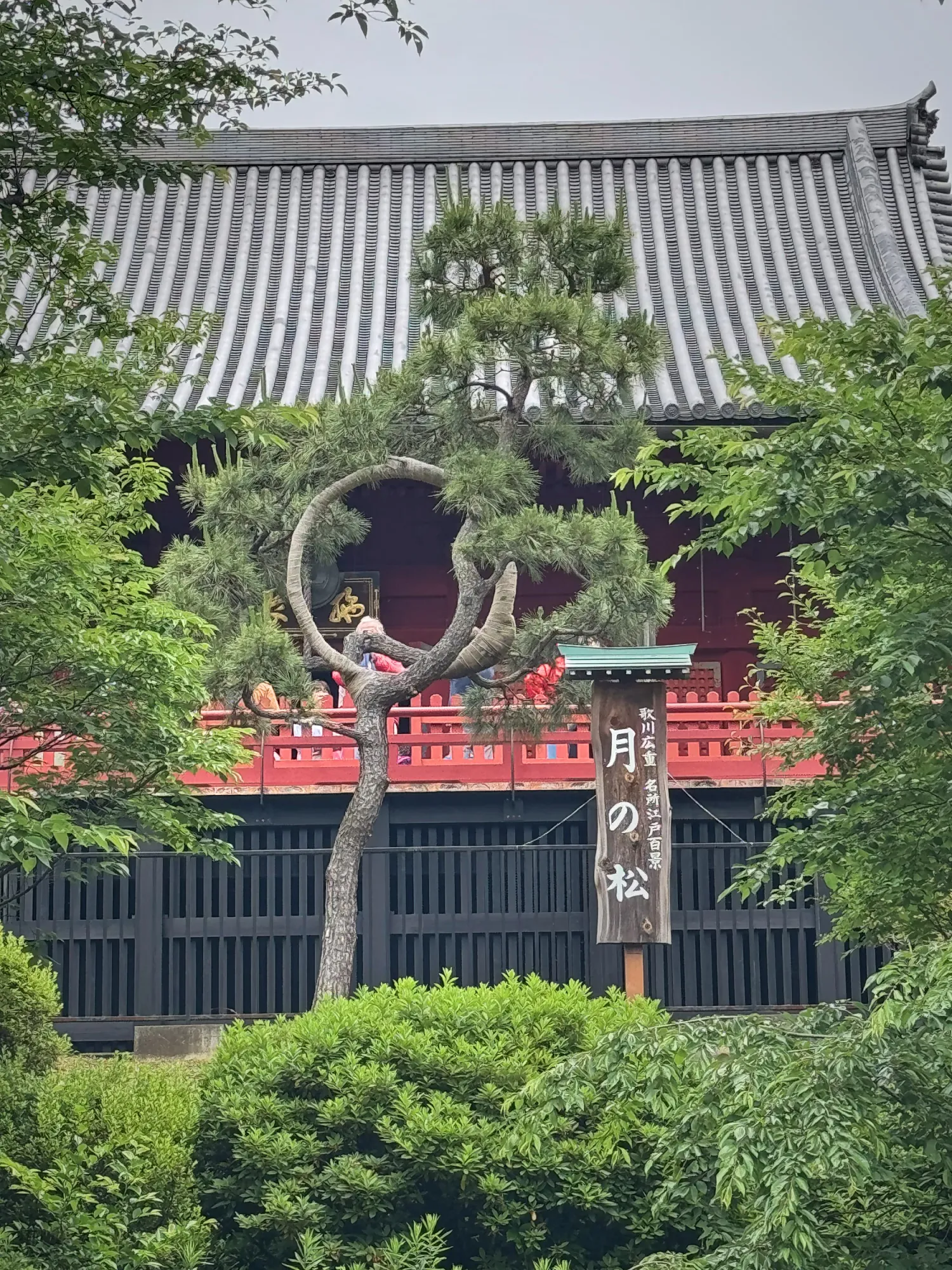
It's small, so you won't need long, but it was one of the things we loved most in the park.
- Where: The west side of the park, above Shinobazu Pond
- Cost: Free
- Hours: 9 AM to 5 PM2
3. Walk Around Shinobazu Pond // Lotus Leaves and Swan Boats
Shinobazu Pond sits at the southwest corner of the park, with Bentendo, a small temple hall, on an island in the middle. A causeway takes you across to it. In summer, the pond fills with lotus leaves, and the flowers bloom from about July to August.
You can rent a boat on the boat pond section. Tokyo Cheapo lists a swan pedal boat at 700 yen for 30 minutes and a rowboat at 700 yen an hour, so check the price at the pier.4
- Where: The southwest corner of the park
- Cost: Free to walk around; boats extra
- Best time: July and August for the lotus flowers
4. Visit the Temples and Shrines // Free and All Within a Short Walk
The shrines in Ueno Park are easy to see. They sit right along the paths, so you pass one after another without planning a thing.
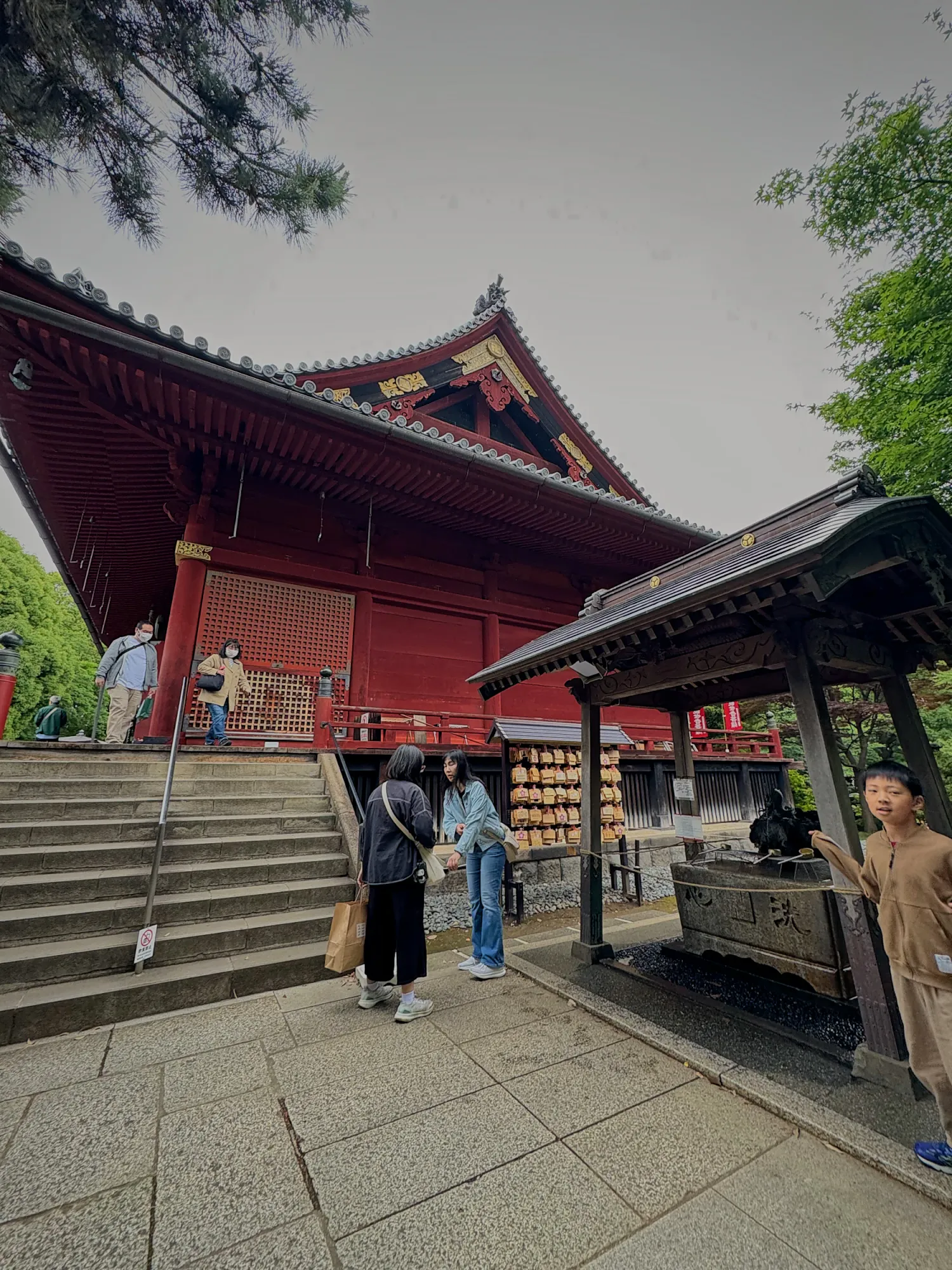
The big one is Ueno Toshogu, a shrine with a gold-covered main hall, reached along a path lined with stone lanterns. The grounds are free. Going through the gate for a closer look at the hall costs 700 yen, and there's a separate peony garden in season.2 Bentendo on the pond and Kiyomizu Kannon-do are free too.
- Ueno Toshogu: 9 AM to 5:30 PM (to 4:30 PM from October to February)
- Bentendo: 7 AM to 5 PM
- Cost: Free, except Toshogu's inner area
5. Hunt for the Pokémon Manhole Covers // Two Poké Lids in the Park
This one's for Pokémon fans. Ueno Park has two Pokémon manhole covers, called Poké Lids. One shows Bronzor and Baltoy and the other shows Tyrunt and Wynaut, and they sit outside the Tokyo National Museum and the National Museum of Nature and Science.5 We found both. If you play, the whole park is packed with stops, and it's one of our favorite places to play Pokémon GO in Tokyo. There's also a Pokémon card cocktail bar by Okachimachi Station. We gave it a 4 out of 10, but the card shop around the corner was a lot of fun.
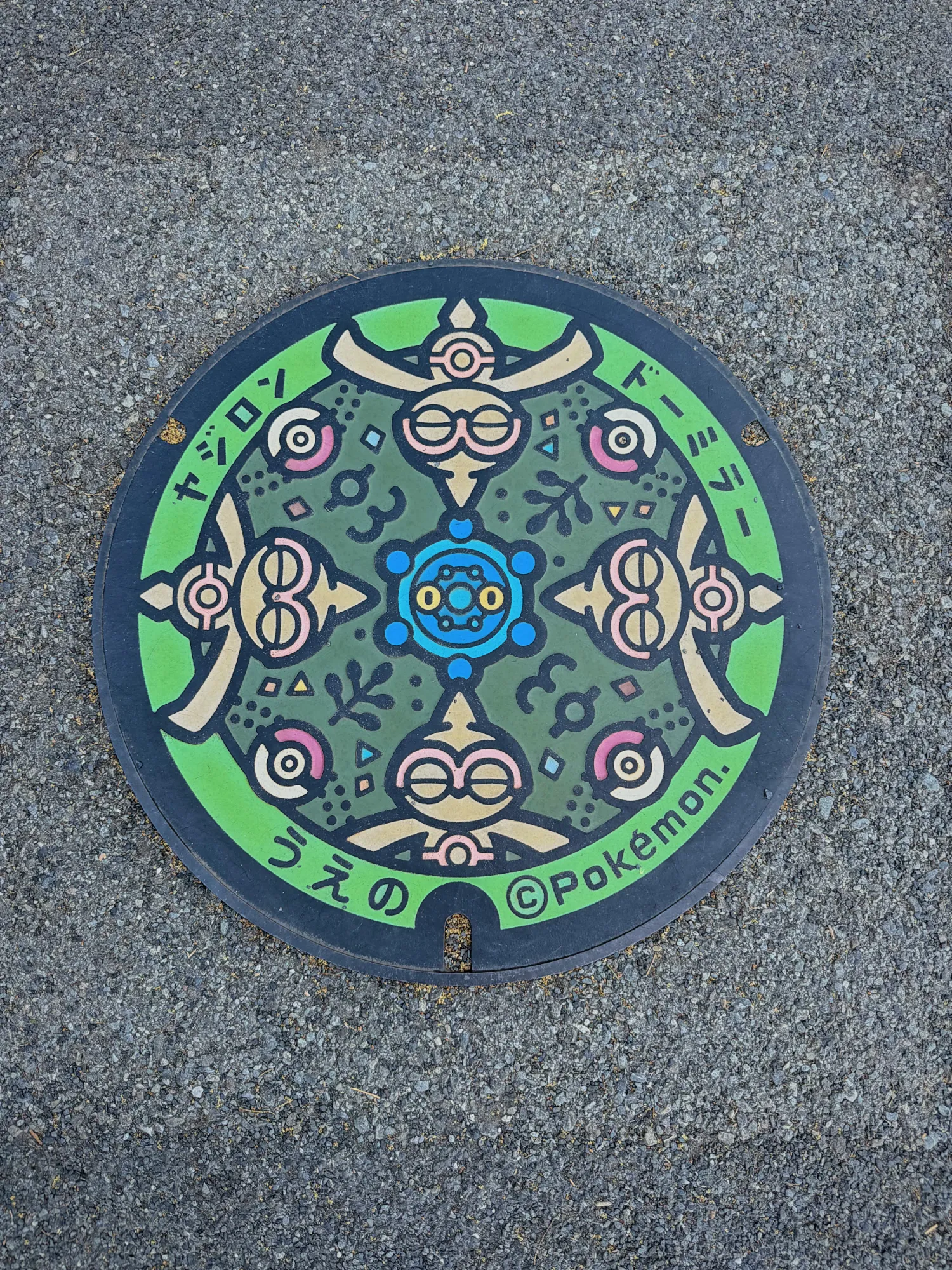
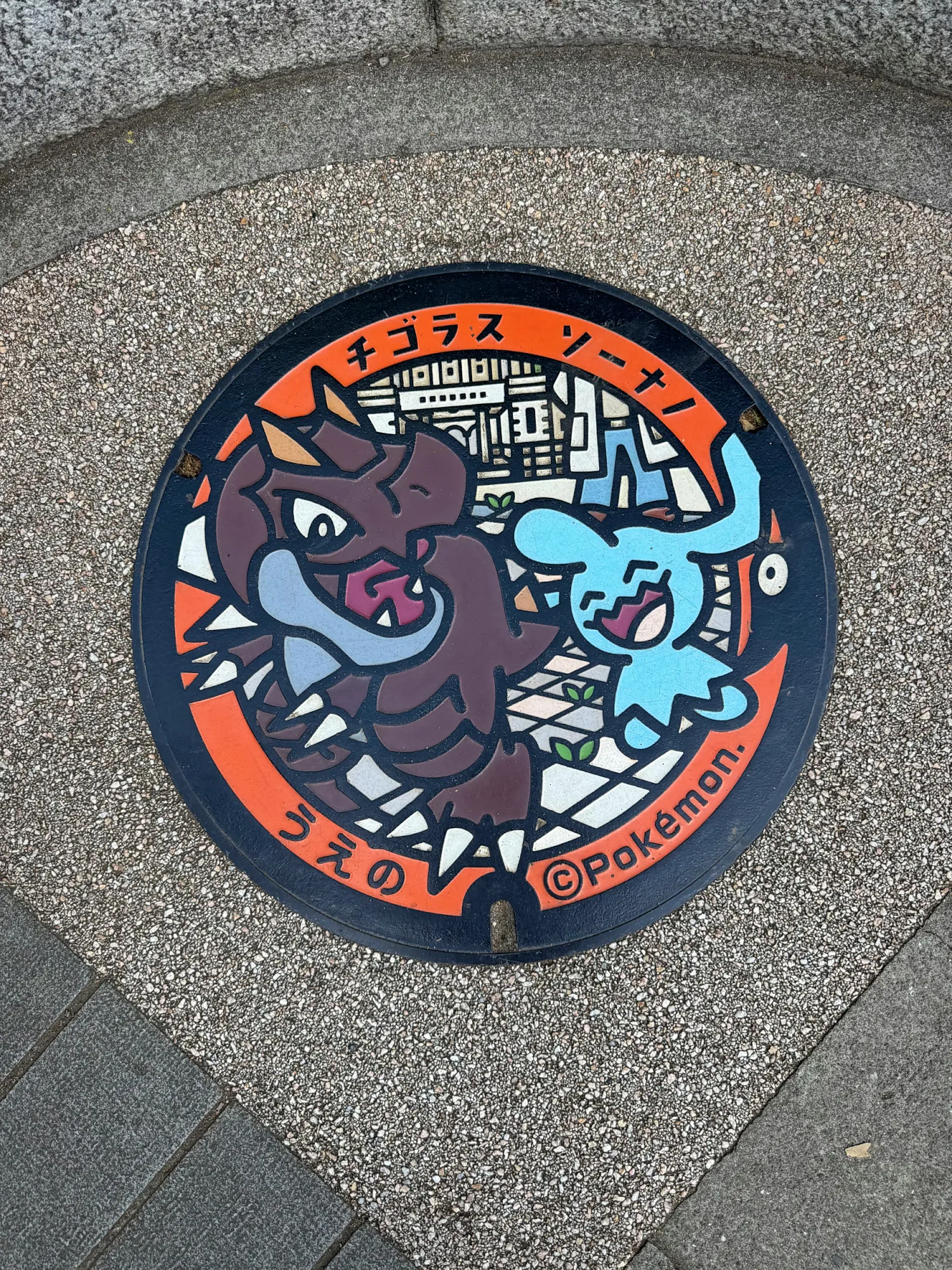
- Where: Outside the two museums at the north end of the park
- Cost: Free
6. Spend a Few Hours at the Tokyo National Museum // Japan's Biggest Collection
The Tokyo National Museum is Japan's oldest and largest museum, with samurai armor, swords, kimono, and Buddhist statues. If you only pay for one thing in Ueno, make it this. Collection tickets can be bought on your phone.6
- Where: The north end of Ueno Park, about 10 minutes on foot from JR Ueno
- Cost: 1,000 yen (about $6.50) for adults; special exhibitions cost extra
- Hours: 9:30 AM to 5 PM, until 8 PM on Fridays and Saturdays; closed Mondays
7. See the National Museum of Western Art // A Le Corbusier Building
This museum of European paintings and sculpture is in a building by Le Corbusier, and the building is part of his UNESCO World Heritage listing. Admission to the permanent collection is 500 yen for adults, rising to 1,000 yen from March 20, 2027.2
- Hours: 9:30 AM to 5:30 PM, until 8 PM on Fridays and Saturdays; closed Mondays7
8. Visit the National Museum of Nature and Science // Dinosaurs and a Blue Whale
Look for the life-size blue whale statue outside. Inside are dinosaur skeletons, Japanese wildlife, and science galleries, and it's the easiest museum here if you're not into art. Adult admission is 630 yen.2
- Hours: 9 AM to 5 PM; closed Mondays
9. Go to Ueno Zoo // Japan's Oldest Zoo, Now Without Pandas
Ueno Zoo is inside the park and costs 600 yen for adults. It's open from 9:30 AM to 5 PM, with last entry at 4 PM, and closed on Mondays.2
The thing to know: the pandas are gone. The zoo's last two, twins Xiao Xiao and Lei Lei, went back to China in January 2026, and Japan has no giant pandas for the first time since 1972.8 If pandas were your reason to come, skip the zoo and enjoy the panda statues and topiary around town instead.
10. Walk Ameyoko Market Street // Tokyo's Loudest Market
Walk out the south end of the park and you're at Ameyoko. It's an open-air market street that runs about 500 meters beside the train tracks between Ueno and Okachimachi stations. It started as a black market after World War II, and the name is thought to come from candy shops ("ame") or from American army goods.9
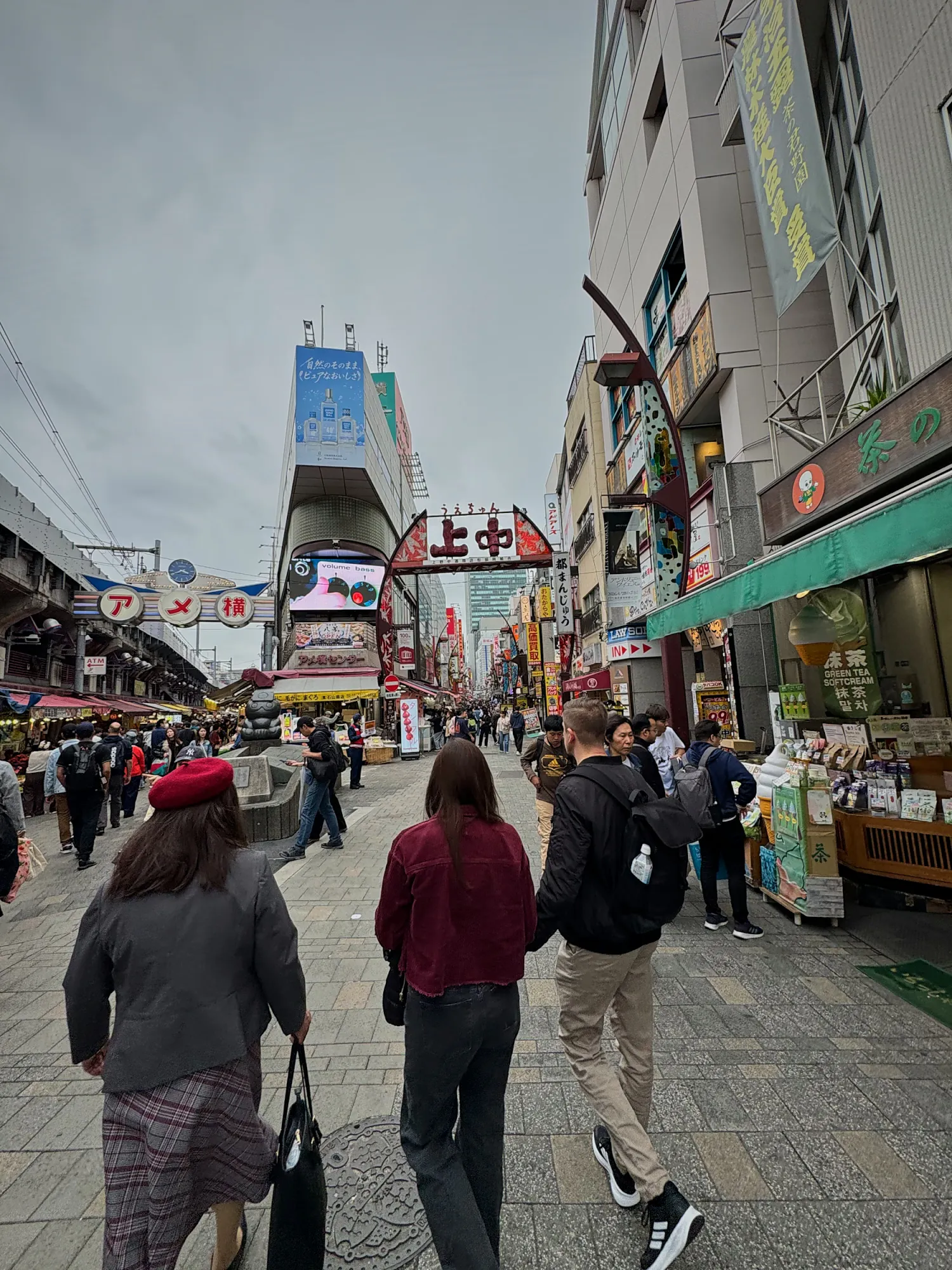
It's the opposite of the park: crowded, noisy, and piled with fruit, seafood, dried snacks, sneakers, and cosmetics. We walked through it on our Ueno days, and it's fun just to look. These are the street foods most people come for:
- Fruit on a stick: cut melon, pineapple, and strawberries from the fruit stalls
- Menchi katsu: a deep-fried minced-meat cutlet from Niku no Ohyama, a butcher shop with a standing counter (closed Wednesdays)10
- Takoyaki and kebabs: grilled and fried snacks from the stalls along the tracks
- Matcha soft serve: from the tea shops
- A beer and skewers: at the standing bars under the train tracks
Most shops open from about 10 AM to 8 PM. Our own go-to meal in Ueno was a tempura bowl at Tendon Tenya, which has a branch by Okachimachi Station.
If you'd rather have a local pick the stalls for you, book a guided food tour in Tokyo and spend your Ameyoko time eating instead of guessing.
- Where: Between JR Ueno and JR Okachimachi stations, along the tracks
- Cost: Free to walk; street snacks from a few hundred yen
- Best time: Late morning to late afternoon, when every stall is open
11. Eat and Drink in Ueno at Night // The Izakayas Under the Tracks
Ueno quiets down in the evening, except around Ameyoko. Many of the market stalls close by early evening, but the izakayas and standing bars under and beside the tracks stay busy into the night. It's a cheap, casual place for skewers and a beer.
Two museums stay open late too. The Tokyo National Museum and the National Museum of Western Art both open until 8 PM on Fridays and Saturdays.
12. Walk to Yanaka Ginza // Old Tokyo, 20 Minutes Away
If you have extra time, walk north to Yanaka, one of the few neighborhoods that feels like old Tokyo. Its main shopping street, Yanaka Ginza, is about 170 meters of small shops and snack stands, reached down the Yuyake Dandan steps from Nippori Station. It's known as a cat town.
It's a 15- to 20-minute walk from Ueno, or one stop on the JR Yamanote Line to Nippori. Go in the daytime, since many shops close in the evening.
A Half-Day Route Through Ueno
This is the easy way to do it, north to south, so you end at lunch:
- Start at the JR Ueno Park Exit and walk the main path north through the trees.
- Find the Pokémon manhole covers outside the Tokyo National Museum and the Nature and Science museum, and go into one museum if you want.
- Head back south past the Toshogu shrine on the west side of the park.
- Stop at Kiyomizu Kannon-do for the Moon Pine.
- Walk down to Shinobazu Pond and across to Bentendo.
- Finish on Ameyoko for lunch or snacks, then catch your train at Ueno or Okachimachi.
Skip Mondays if you want a museum or the zoo. If you only have a few hours, steps 1, 4, and 6 are the ones we'd keep.
Getting to Ueno
Ueno is one of the easiest places in Tokyo to reach. JR Ueno Station is on the Yamanote Line, and the Ginza and Hibiya subway lines stop there too. Ueno-okachimachi Station, on the Oedo Line, comes out near Ameyoko and the south end of the park. That's the line we rode from our apartment. If the subway looks confusing, here's how to get around Tokyo with a Suica card and the station numbers.
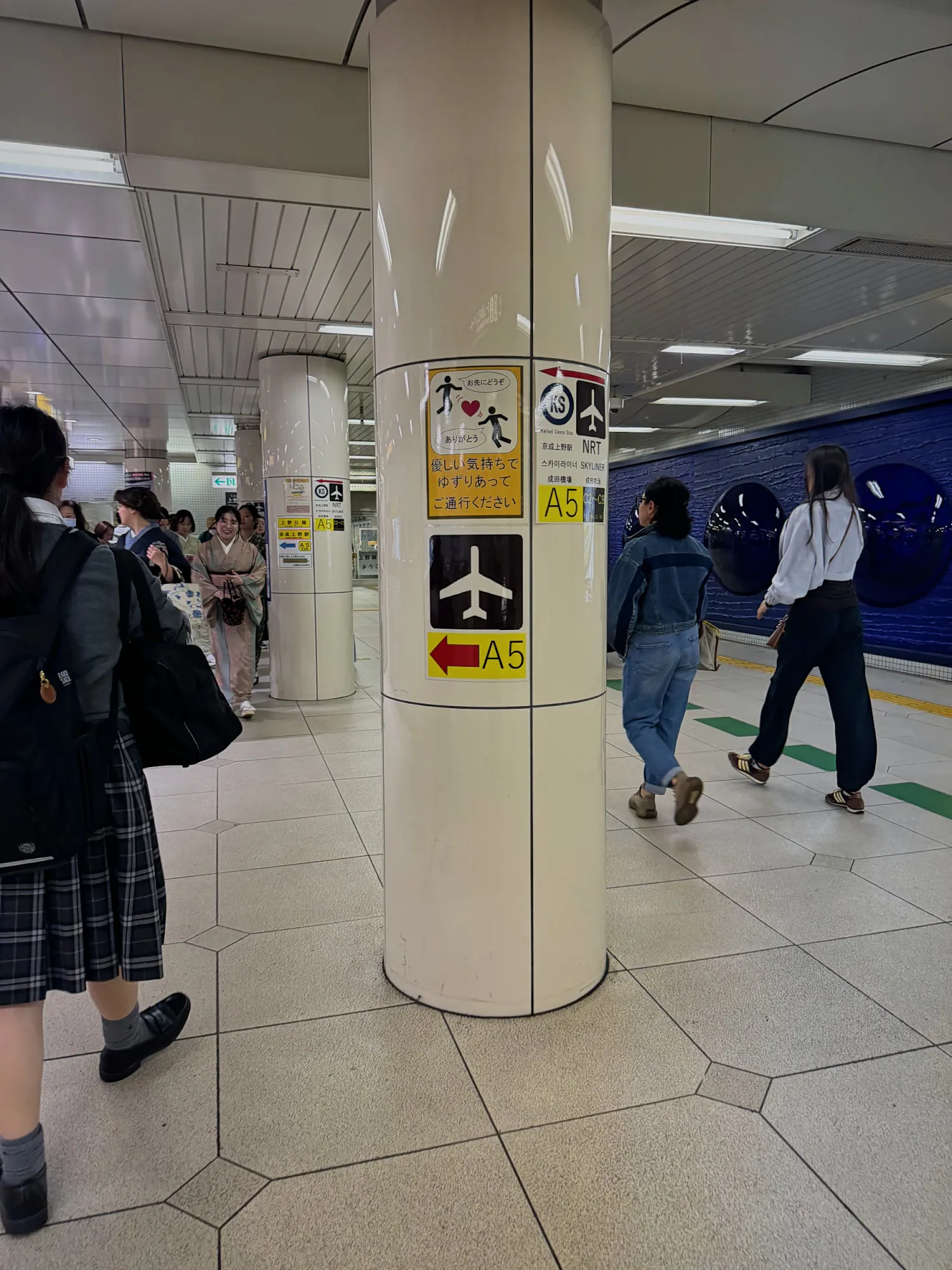
Keisei Ueno Station, at the south end of the park, is where the Skyliner leaves for Narita Airport, in as little as 41 minutes.12 We left Tokyo from there and nearly missed our flight, which is why we'd tell you to pick your Narita train before you leave.
Where to Stay Near Ueno
Ueno is a smart, budget-friendly base if you're flying in or out of Narita, or if you'd rather wake up near a park than above a nightlife district. It's quieter at night than Shinjuku or Shibuya. Torn between Ueno and somewhere livelier? Where to stay in Tokyo compares ten areas, with who each one suits.
Is Ueno Worth It?
Yes. Ueno gives you a calm park, real temples, Japan's best museums, and a market street full of cheap food, all within a few minutes' walk. For us it was a calm break in the middle of the city. Give it a morning, and stay for lunch on Ameyoko.
Next Steps for Your Tokyo Trip
- The best things to do in Tokyo, from Shinjuku to Odaiba
- Where to stay in Tokyo, area by area
- How to get around Tokyo on the trains and subway
- Narita to Shinjuku, including the Skyliner from Ueno
- Things to do in Tokyo in May, our favorite month there
Bernie & Cream@bernieandcream
Follow along on Facebook
Bernie & Cream@bernieandcream
Follow along on Threads
Bernie & Cream@bernieandcream
Watch us on TikTok
Bernie & Cream@bernieandcream
Follow along on X
Bernie & Cream@BernieAndCream