After spending the first part of our year between the chaos of Bangkok and the beaches of Da Nang, we decided to switch gears. From February to May 2026, Cream and I lived in Kuala Lumpur (KL), Malaysia, for three full months.
Heads up: some links and maps in this guide are affiliate links. If you book or buy through them, we may earn a commission at no extra cost to you.
In this guide 4 sections
KL wasn't at the top of my bucket list, and I wasn't sure what to expect from it as a digital nomad base. But after living there and building a real daily routine, I have a strong opinion on what makes it great, and what drove me crazy.
If you're deciding whether Kuala Lumpur should be your next remote work base, here's my honest review of what it's like to live there.
Is Kuala Lumpur Good for Digital Nomads? My Quick Answer
I'd give Kuala Lumpur an 8 out of 10 as a digital nomad base.
It's a modern Asian city at a manageable size, almost everyone speaks English, and our condo Wi-Fi was fast enough for both of us to work from home every day. The biggest selling point for us as Americans was the 90 days we got visa-free on arrival. The downsides are real, though: the city wakes up late, and food delivery is slow. Everything that made it work for us as nomads (English, malls, condos with gyms and pools) is also why we think KL is good for expats on a longer move.
What I Loved About Living in Kuala Lumpur as a Nomad
The Perfect Mid-Sized City
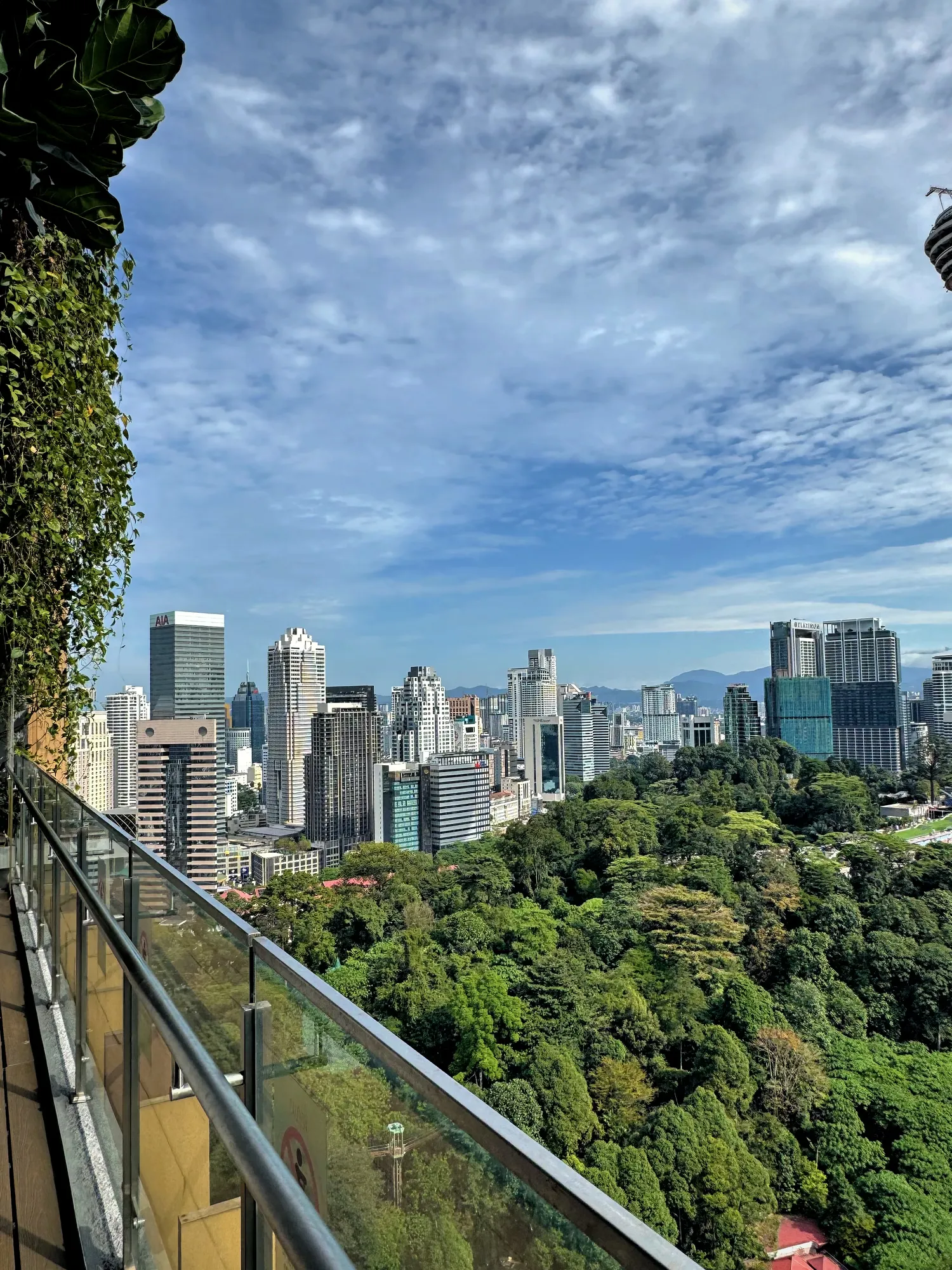
Bangkok is great, but it's huge, and getting across town can feel like a trip of its own. Kuala Lumpur is the Goldilocks of Southeast Asian capitals.
It has everything you need (big malls, good cafes, different neighborhoods to explore), but it never feels overwhelming. Getting around was easy, and the city is busy enough to feel alive without swallowing you whole.
English Everywhere
In KL, almost everyone speaks English, which makes daily life easy.
I caught a cold during our first week and had to go to a local pharmacy. Being able to explain my symptoms and understand the pharmacist in English took all the stress out of it, and I had medicine quickly. It also makes ordering food, asking for directions, and chatting with locals much easier than it was for us in Vietnam or Thailand.

 Bernie & Cream@bernieandcream
Follow along on Facebook
Bernie & Cream@bernieandcream
Follow along on Threads
Bernie & Cream@bernieandcream
Watch us on TikTok
Bernie & Cream@bernieandcream
Follow along on X
Bernie & Cream@BernieAndCream


90 Days Visa-Free
As digital nomads, we aren't looking for residency. We want to stay in one place as long as we legally can, then move on.
On US passports, we got 90 days in Malaysia without applying for a visa.1 We didn't pay anything; we filled out the free MDAC (Malaysia Digital Arrival Card) before flying and got stamped in at the airport. One tip from experience: have an onward flight booked, because our airline wouldn't let us board in Da Nang until we showed one.
Compare that to Thailand, which cut its visa-free stay for Americans from 60 days to 30 in September 2026.3 Three months in KL was enough time to unpack, settle into a routine with the gym in our building, and stop worrying about an expiring passport stamp.
Working From the Apartment
We work from wherever we live. We prefer that to coworking spaces because Cream and I talk a lot while we work. For three months, our office was a studio at Ceylonz Suites in Bukit Bintang, and the Wi-Fi was fast and reliable the whole time.
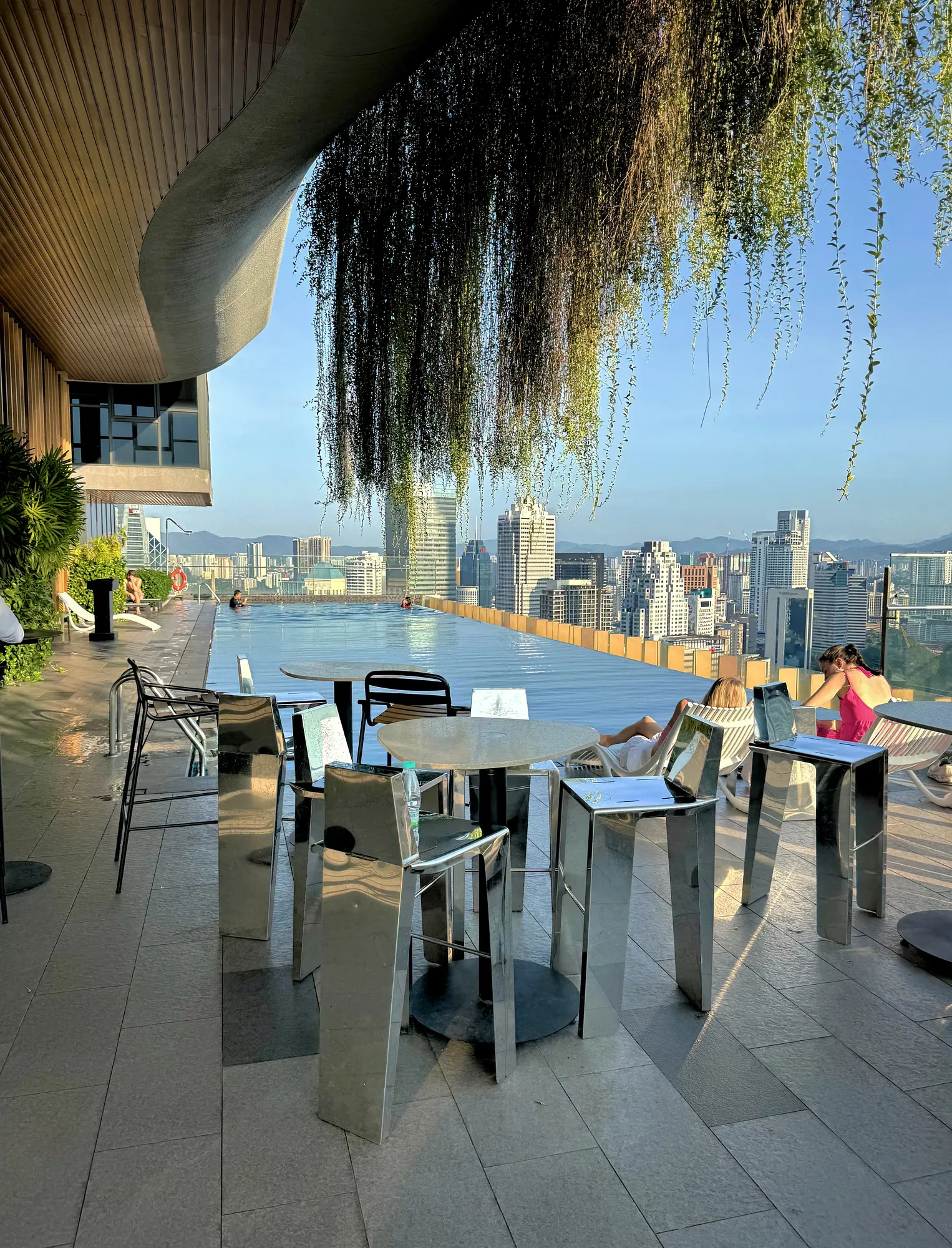
We paid about $1,000 a month on Airbnb (how we booked our monthly Airbnb), about two-thirds of our cost of living in Kuala Lumpur, and the building made long-stay life easy. There was a rooftop infinity pool and gym, and a laundry service that turned a bag of washing around the same day for a few dollars.
For our phones, we landed with an Airalo eSIM (we compare the options in our best eSIM for Malaysia guide) and then switched to a local Tune Talk eSIM for the rest of our stay. We paid with Apple Pay at the malls, and cards are widely accepted in KL. Keep a little cash for street stalls like the ones on Jalan Alor.
What I Didn't Like About Kuala Lumpur
Food Delivery Takes Forever
When you spend enough time in Southeast Asia, you start to rely on delivery apps. In Bangkok and Da Nang, our food showed up hot in about 15 minutes, so KL was a reality check.
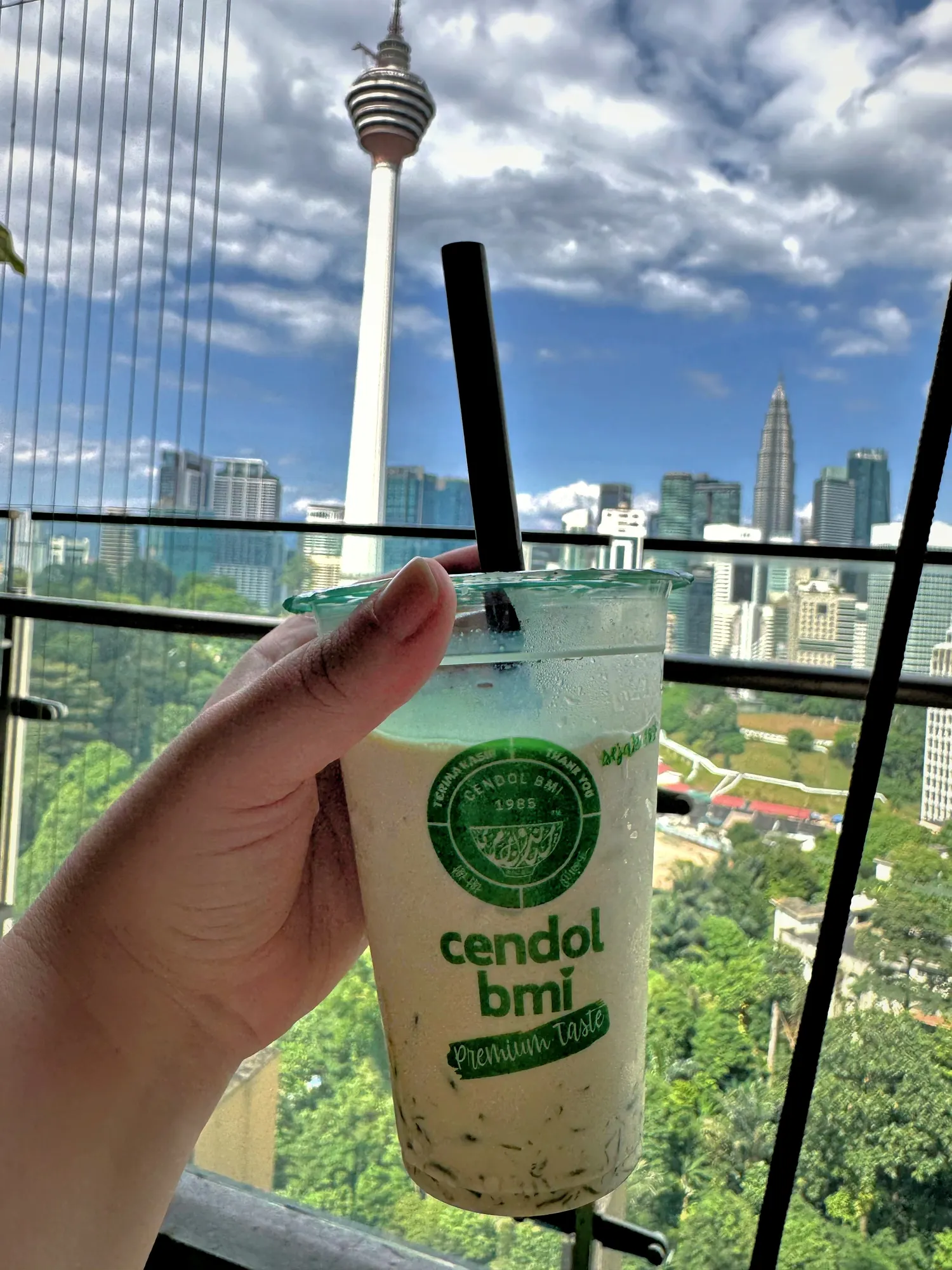
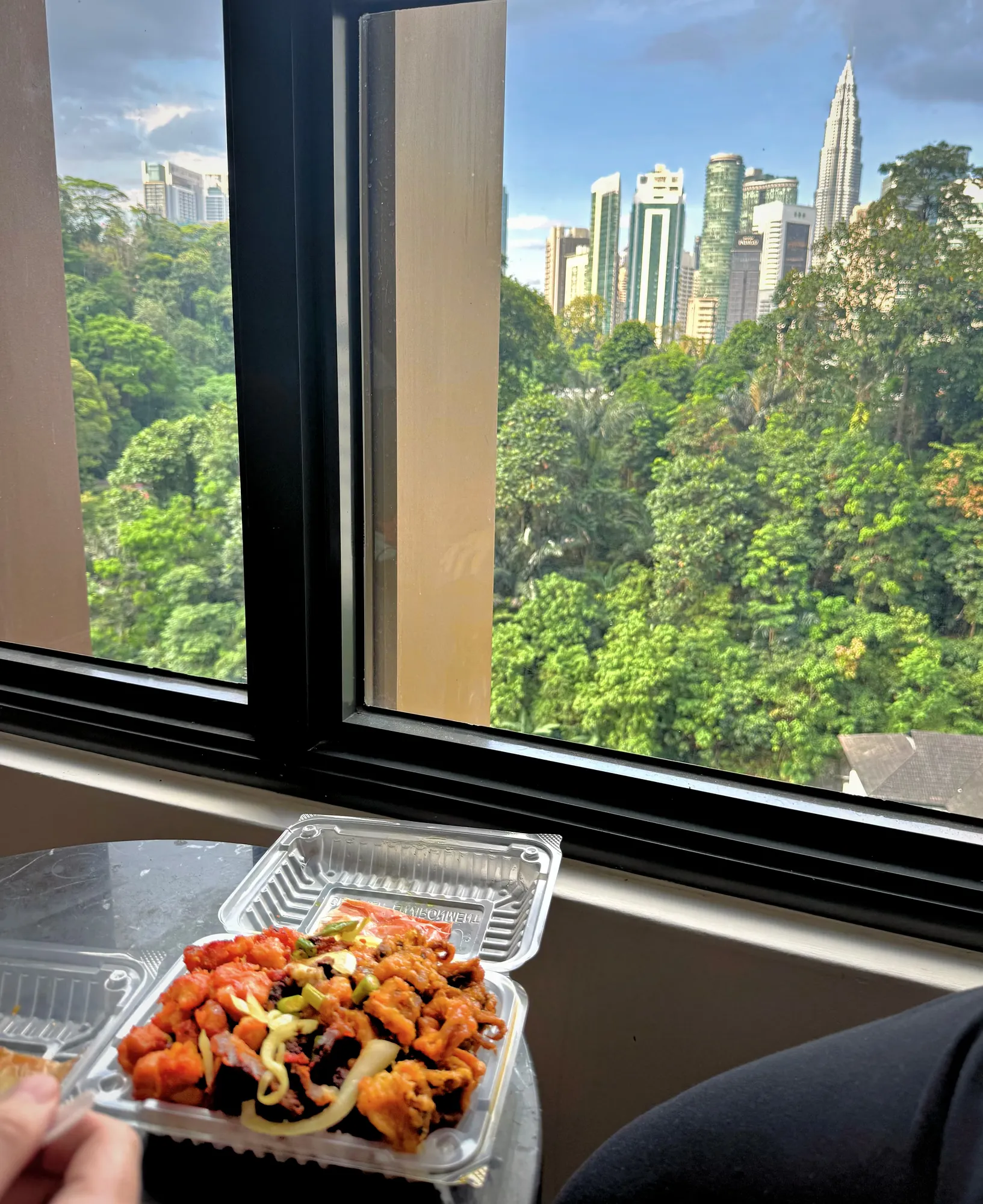
GrabFood in Kuala Lumpur was so slow. I usually ordered an hour before I wanted to eat, and you can barely get anything delivered before 10:00 a.m. We switched to foodpanda for most orders, and it was faster and cheaper, but it's still not Bangkok.
Life Starts Later in the Morning
If you're an early riser who likes to start your day at 7:00 a.m., KL will test your patience. A lot of shops and cafes don't open until 10:00 a.m.
We wake up early and want to get going, and we often found ourselves waiting for the city to wake up. That's why I'd look for a condo with amenities you can use early. Having a gym and an infinity pool to use before 10:00 a.m. saved my sanity.
The "Boring" Nightlife Myth (Which I Loved)
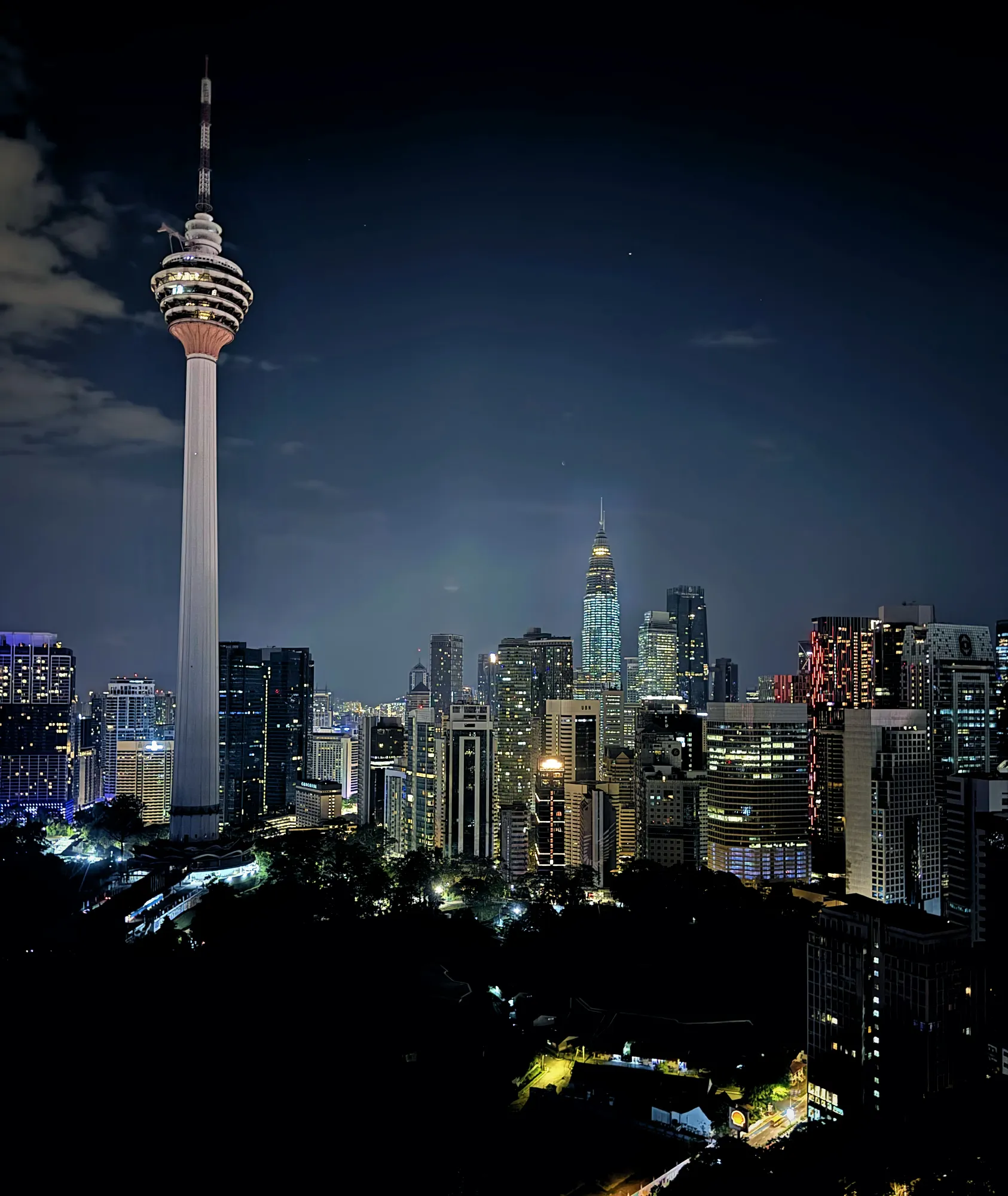
People love to complain online that Kuala Lumpur is boring, so I want to address it.
Malaysia is a Muslim-majority country, and the norms around alcohol and partying are different from Thailand or Vietnam. If a big, cheap party scene matters to you, KL might feel tame.
For me, that was a plus. Without the party reputation, KL felt like a place for people who came to work, not to party, and that suited the way we live.
Where to Base Yourself in KL
Your neighborhood decides your daily routine, so here's where we'd point you:
- Bukit Bintang: where we lived for three months. We could walk to Pavilion and Jalan Alor. The tradeoff is noise and traffic. See places to stay in Bukit Bintang.
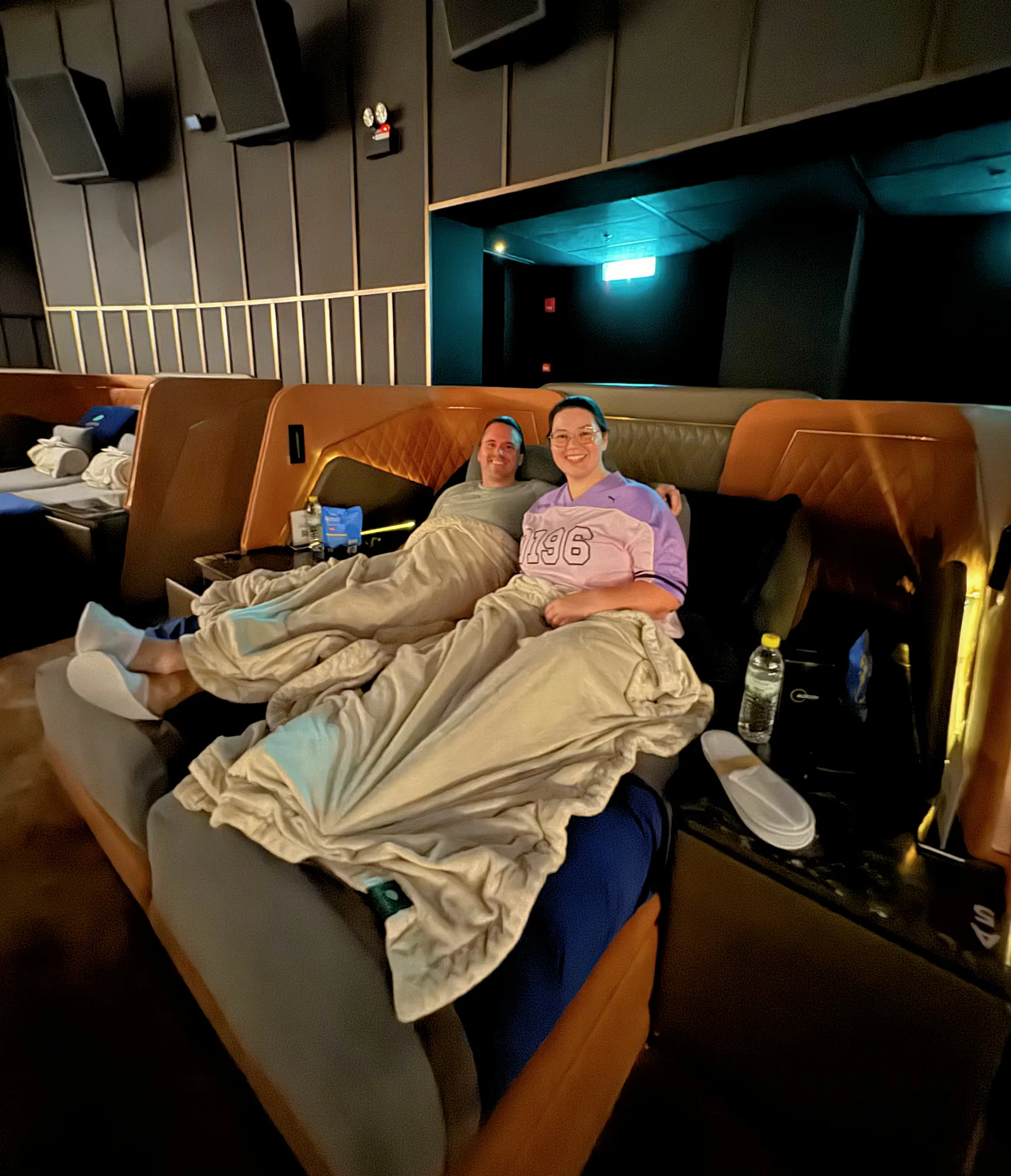
- The Exchange TRX: where I'd stay next time. The new mall there was our favorite place in KL, with the Aurum Theatre cinema and a good food court, just south of Bukit Bintang. See places to stay near The Exchange TRX.
Bangsar and Mont Kiara are also popular with long-stayers. We didn't live in either, so I'd check how far they are from the train before you book, because both can mean relying on Grab.
Next Steps for Your Kuala Lumpur Trip
- What to Eat: The 10 Must-Eat Foods in Kuala Lumpur
- Weather & Timing: The Best Time to Visit Kuala Lumpur Guide
- Is It Worth It?: Is Kuala Lumpur Worth Visiting?
- McDonalds in Malaysia: 8 Unique Menu Items to try
- Staying safe: Is Kuala Lumpur Safe?
- Paying for things: Cash or Card in Kuala Lumpur?
- Health insurance: for months on the road, a policy built for long stays fits better than a single-trip one. SafetyWing's Nomad Insurance is a common choice for remote workers.
Bernie & Cream@bernieandcream
Follow along on Facebook
Bernie & Cream@bernieandcream
Follow along on Threads
Bernie & Cream@bernieandcream
Watch us on TikTok
Bernie & Cream@bernieandcream
Follow along on X
Bernie & Cream@BernieAndCream