Before a trip to Kuala Lumpur, the money questions pile up. Cash or card? Do you need to find an ATM the second you land? Will your card work, or will you get stuck at a counter with no cash? Do you tip, and how much? And what's that extra line at the bottom of the bill?
Heads up: some links in this guide are affiliate links. If you book or buy through them, we may earn a commission at no extra cost to you.
In this guide 8 sections
In Bangkok, Cream and I found even 7-Eleven a hassle with a card, because we could never reach the minimum spend. Kuala Lumpur (KL) turned out to be the opposite. We paid by card almost everywhere, and the times we needed cash were for some of the best food we ate.
We lived in KL for three months in 2026, based in Bukit Bintang, and this is how we actually paid for everything: the card, the cash, the one button we never press, and who we tipped.
Cash or Card in Kuala Lumpur? The Quick Answer
Card. Kuala Lumpur is mostly cashless, and we paid by card or in an app almost everywhere for three months. Keep a small amount of cash for street hawkers, night markets, dessert stands, and a few local restaurants. Always pay in ringgit, never US dollars. Tipping isn't expected at restaurants, but we tipped our Grab drivers and foodpanda riders in the apps.
💡 Paying in KL, in five lines:
- Malls, restaurants, Grab, foodpanda: card, phone, or in-app
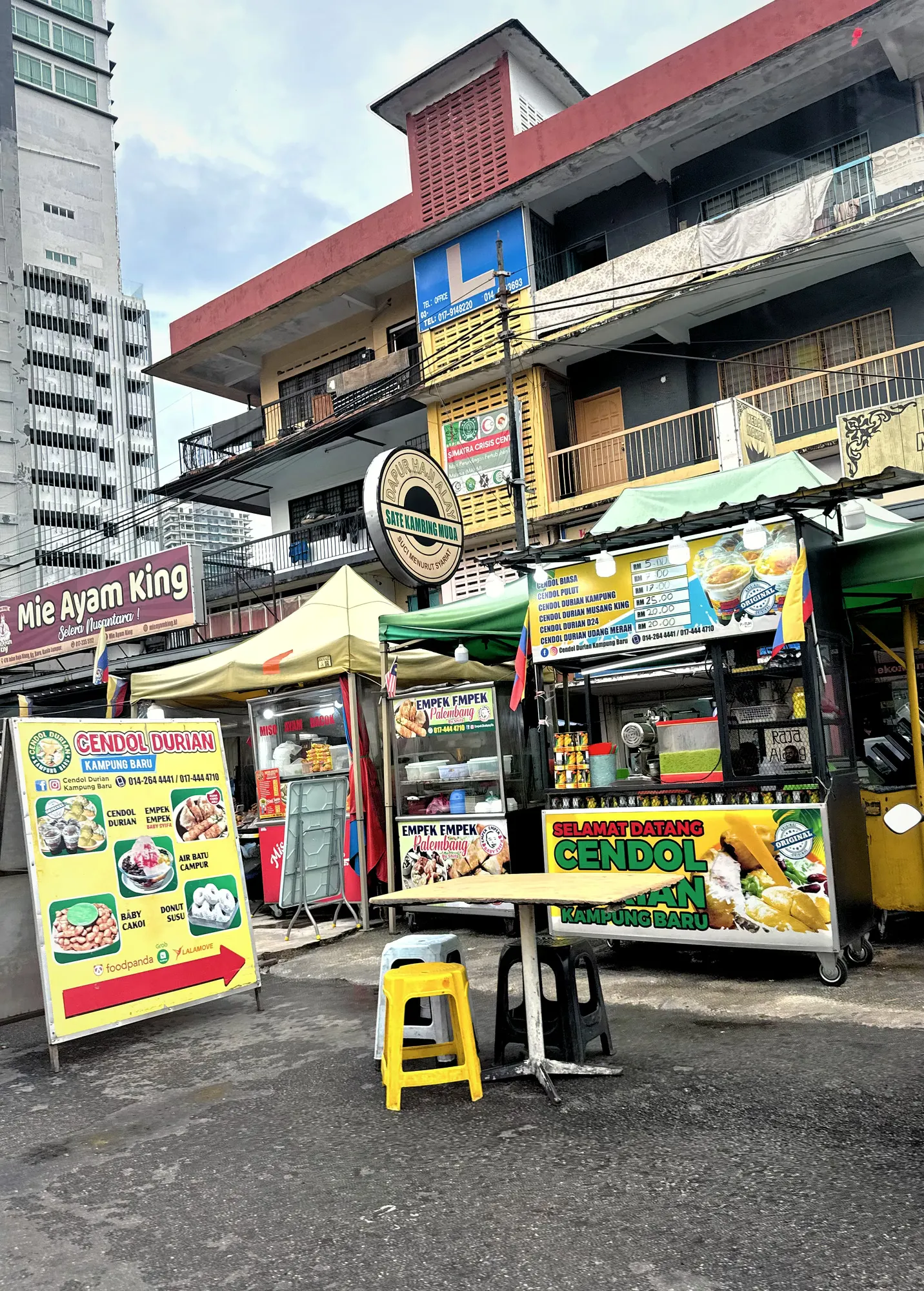
- Street stalls, night markets, cendol stands: cash
- Getting cash: ATMs in the malls
- Card machine asks USD or MYR? Always MYR
- Tipping: not expected at restaurants; we tipped drivers and riders in the apps
Is Kuala Lumpur Cashless? Almost
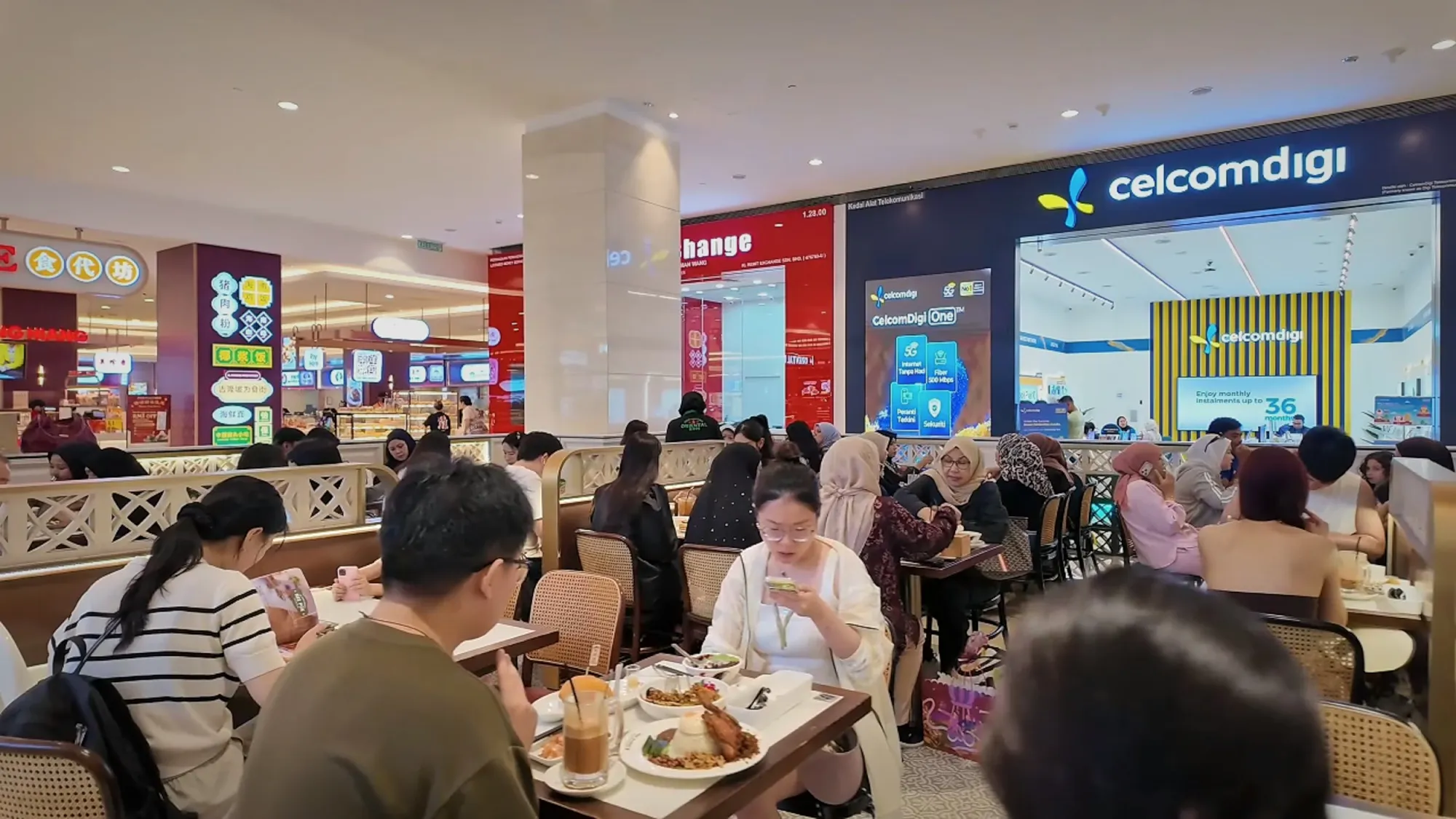
Most places took card. The malls, cafes, and sit-down restaurants all did, and so did a lot of local spots. Nasi Lemak Wanjo, a classic Kampung Baru nasi lemak spot, took our card. At Village Park we paid by card too. Both are in our ranking of the best nasi lemak in Kuala Lumpur.
We paid with Apple Pay at the malls, and Grab and foodpanda charged our card inside the app, so rides and delivery never touched cash at all. Our guide to the best apps for Kuala Lumpur covers Apple Pay and every app we used, including the one place your phone won't get you through: the train gates.

 Bernie & Cream@bernieandcream
Follow along on Facebook
Bernie & Cream@bernieandcream
Follow along on Threads
Bernie & Cream@bernieandcream
Watch us on TikTok
Bernie & Cream@bernieandcream
Follow along on X
Bernie & Cream@BernieAndCream


When You Need Cash in KL
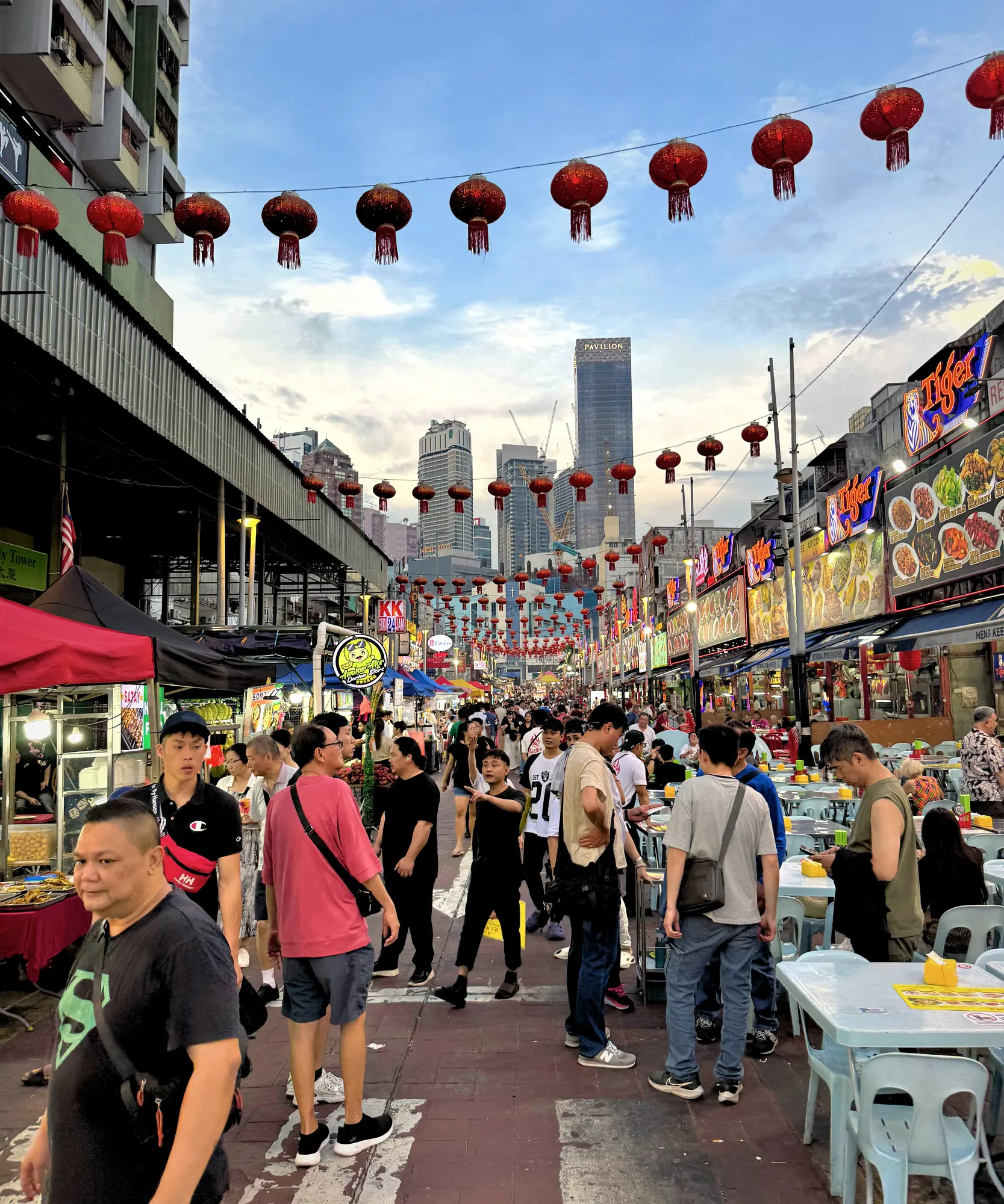
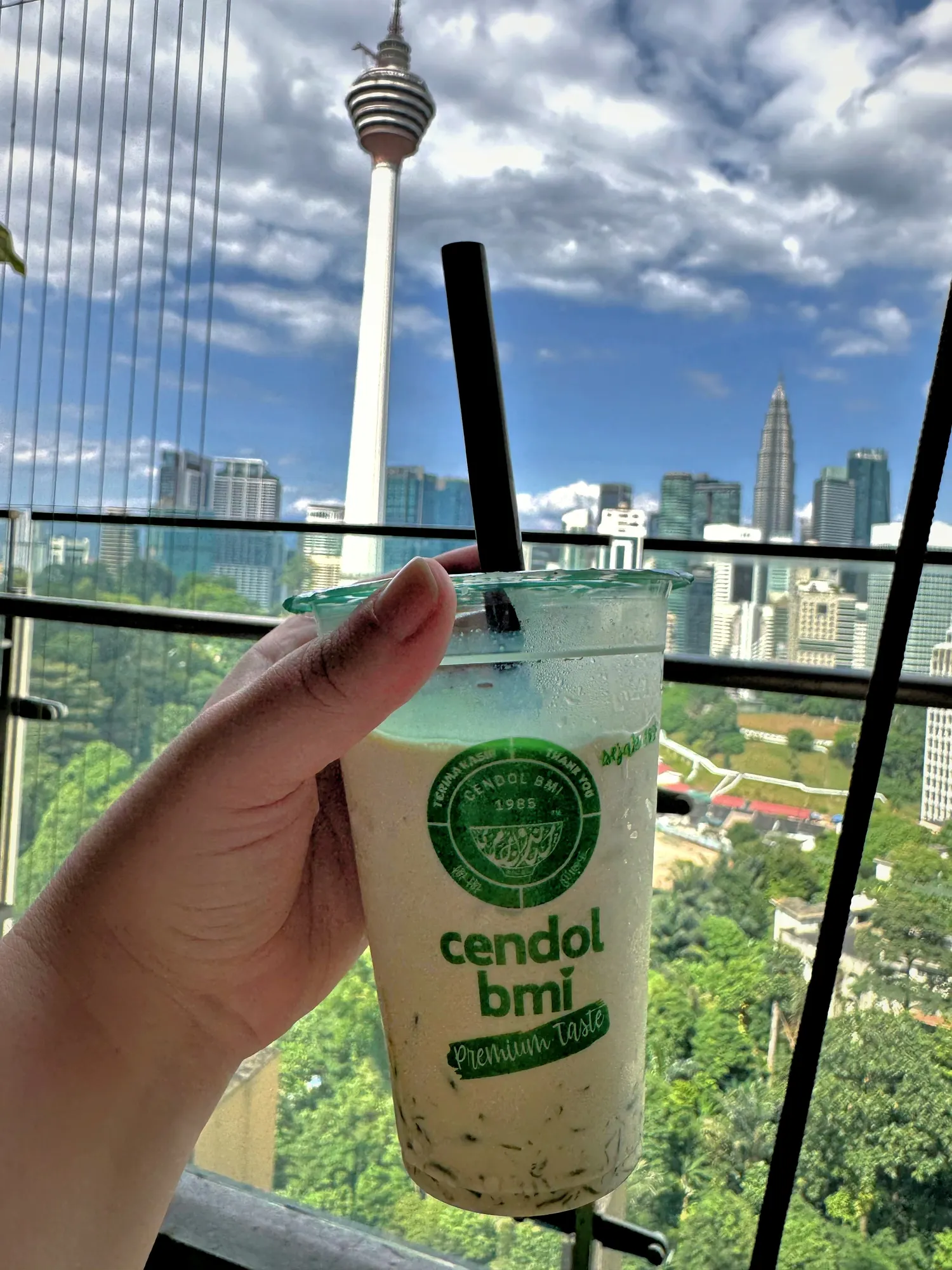
The rule of thumb is simple: if it's outside on the street, bring cash. Street hawkers were the ones that didn't take cards. We needed cash for cendol at a street stand, at the night markets, and at the stalls on Jalan Alor, KL's best-known night food street in Bukit Bintang.
A few of our favorite restaurants, including some on our list of the best restaurants in Kuala Lumpur, were cash too. Saddam Nasi Kandar was cash only, and two plates with drinks came to RM93.30. At Kin Kin we paid RM57 in cash for a whole spread of chili pan mee and sides. We paid cash at Anuar's Fish Head Curry, and Mon Chinese Beef Roti only took cash.
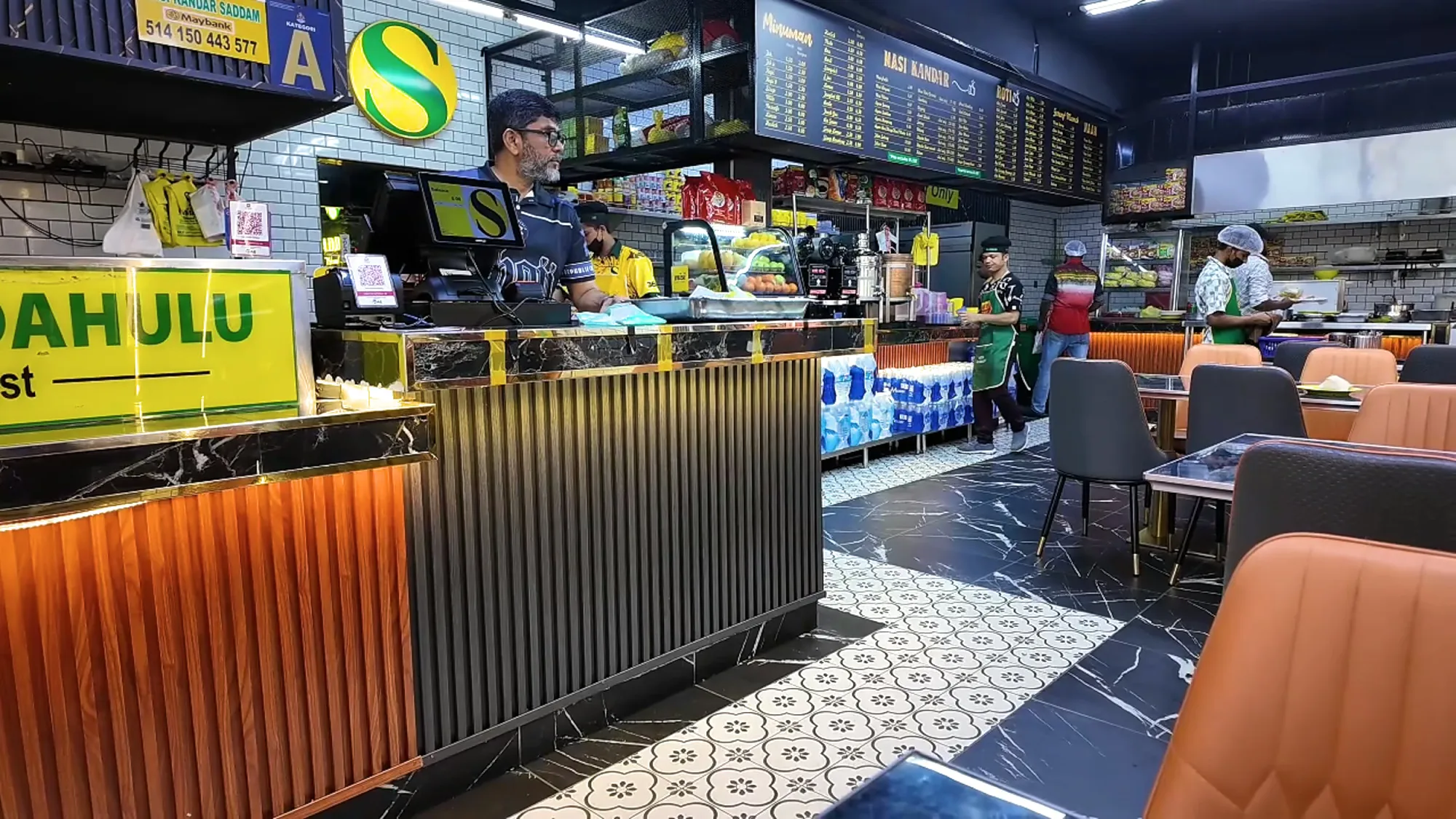
That's the trade-off. You could spend a week in KL on card alone, but you'd miss a lot of the street food. None of it costs much, either; our breakdown of what three months in KL cost us has the prices.
ATMs in Kuala Lumpur: Where We Got Cash
When we needed cash, we went to the ATMs in the malls. There are a lot of them.
The ATM shows its fee on screen before you confirm. Whether you end up paying it depends on your own bank. Some banks waive ATM and foreign fees for customers with certain account levels, and ours does, so we never had to deal with it. Check your bank's international fees before you fly, so the number on the screen isn't a surprise.
If the ATM offers to convert the withdrawal into US dollars for you, say no. The same rule applies as at the card machine, below.
How Much Cash to Bring to Kuala Lumpur
You really don't need much cash in KL. There's no reason to land with a stack of ringgit or exchange a lot of dollars at home. Take out a small amount at a mall ATM once you're settled, keep it for stalls and night markets, and top up only when you run low.
The Card We Used
Our main travel card is the Capital One Savor. It's the card we use most when we travel. It doesn't charge a foreign transaction fee, so paying in ringgit costs us nothing extra on top of the exchange rate.5 We also carry a Bank of America travel card as a backup, but the Capital One tends to work more often.
Whatever card you bring, check it has no foreign transaction fee, and bring the physical card as well as your phone. Sometimes you need it.
Always Pay in Ringgit, Never USD
This is our number one money tip. When a card machine in Malaysia asks whether you want to pay in US dollars or Malaysian ringgit (MYR), always choose MYR. Don't ever press USD.
If you pick dollars, the merchant's side does the conversion at its own rate, which is almost always worse than the rate your card network gives you. Consumer advice is the same everywhere: always pay in the local currency.1 We always do local currency and let our card convert it, because the USD price at those little card machines was always higher.
Do You Tip in Malaysia? Restaurants, Grab, and Delivery
No, not at restaurants. We never tipped at a restaurant in three months in KL. Tipping isn't as common in Malaysia as in some other Southeast Asian countries, and local restaurants usually don't expect tips.4
Where we did tip was in the apps. We tipped our Grab drivers and our foodpanda riders, right in the app. Grab lets you tip both drivers and delivery riders in the app,6 so you don't need cash for it. It's a small way to say thanks to the person who brought your dinner. Paying in the apps does mean you need data the moment you land, which is why we sort out the best eSIM for Malaysia before every trip.
💡 Tip: Tipping, paying, and even finding your Grab all happen in the app. Get an Airalo eSIM before you fly and you can book your first ride from the arrivals hall.
That's the whole of Kuala Lumpur tipping culture for a visitor: no tip at restaurants or food stalls, and an optional tip in the apps for drivers and riders.
Service Charge in Malaysia Restaurants (and the 6% SST)
We don't remember a service charge ever standing out on a bill in KL. A lot of our meals were delivery, mall food courts, and casual local spots. If one was there, it didn't surprise us, because a service charge is pretty standard.
Here's what to know so the bill makes sense. Some sit-down restaurants and hotels add a 10% service charge. It's meant to be agreed with staff and shown upfront, usually on the menu or a notice, and if you're told about it before you order, you're expected to pay it.3 Restaurants registered for service tax also add 6% SST (sales and service tax) on food and drink, as of 2026. Most other services went up to 8% in March 2024, but food and beverage stayed at 6%.2
So a bill at a sit-down restaurant might show the food, then a 10% service charge, then 6% SST. If the service charge is already there, you don't need to tip on top.
Our Verdict on Money in Kuala Lumpur
Bring a no-fee card, keep your phone handy, and carry a little cash for the street food. That's all KL asks. Paying in KL was easy, and the only real way to lose money is pressing USD on a card machine.
Next Steps for Your Kuala Lumpur Trip
- The best apps for Kuala Lumpur, including Apple Pay and how to pay for the trains
- What three months in KL cost us, from rent to a plate of nasi kandar
- Places to stay in Bukit Bintang, the area we lived in for three months
- The best restaurants in Kuala Lumpur, cash-only gems included
- The best eSIM for Malaysia, so the apps work the moment you land
- How to get around Kuala Lumpur, where Grab takes your card in the app
- 17 things to know before visiting Kuala Lumpur, from the MDAC to plug adapters
Bernie & Cream@bernieandcream
Follow along on Facebook
Bernie & Cream@bernieandcream
Follow along on Threads
Bernie & Cream@bernieandcream
Watch us on TikTok
Bernie & Cream@bernieandcream
Follow along on X
Bernie & Cream@BernieAndCream